
Smaïl Lakhdar-Hamina
Camera
Biography
Smaïl Lakhdar-Hamina (إسماعيل لخضر حامينا), born in 1943 in M'Sila, Algeria, and died on December 14, 2021, at the age of 78, in Algiers, is an Algerian cinematographer and director. Born in 1943 in M'Sila, Smaïl Lakhdar-Hamina grew up in a family steeped in cinematography: he was the brother of the renowned director Mohammed Lakhdar-Hamina, who won the Palme d'Or at Cannes in 1975 for the film "Chronique Des Années de Braise." This family connection to the world of cinema led him early on toward a technical career, specializing in cinematography. Smaïl Lakhdar-Hamina began his career in the 1960s, a pivotal period for the nascent Algerian cinema. He quickly established himself as a key cinematographer, helping to create the visual aesthetic of many iconic Algerian films. Among the major works he collaborated on are: Hassan Terro (1968) by Mohamed Lakhdar-Hamina, a comedy-drama that has become a cult classic. Omar Gatlato (1976) by Merzak Allouache, a pioneering film in the Algerian cinematic revival. Les Folles Années Du Twist (1983) by Mohamed Zemmouri, a social chronicle set against a backdrop of music and youth. Camp de Thiaroye (1988), co-directed by Ousmane Sembène and Thierno Faty Sow, which deals with the tragic return of Senegalese riflemen after the Second World War. Smaïl Lakhdar-Hamina also worked on numerous other notable films, such as The Man Who Looked at the Windows (1978), The Refusal (1982), Rose of the Sands (1989), Wanderings (1993), Fatima and the Sea (1995), The Other Side of the Mirror (2007), and Créneaux (2009). His career spans more than four decades, during which he has adapted to evolving cinematic techniques and styles. Known for his quality lighting and his sense of framing, Smaïl Lakhdar-Hamina has helped shape the image of Algerian cinema, bringing a realistic and poetic touch to his collaborations. His work has highlighted the landscapes, faces, and atmospheres specific to Algeria and North Africa, contributing to the rise of an authentic and committed national cinema. Smaïl Lakhdar-Hamina died on December 14, 2021, in Algiers, at the age of 78. He leaves behind a rich and respected body of work that has influenced several generations of filmmakers and viewers. He was buried in the Ben Aknoun cemetery in Algiers. His career remains a model for young cinematographers in the Maghreb, and his name remains associated with the golden age of Algerian cinema.
Known For
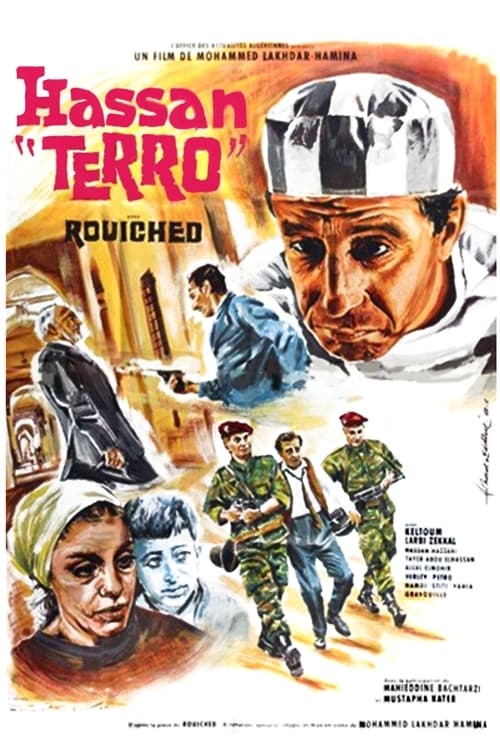
While he tries by all means to stay out of the bloody upheavals caused by the battle of Algiers, Hassan, an honest and naive father, unknowingly offers hospitality to a mujahid actively sought by the army. French. A series of events and misunderstandings quickly catapult him to the forefront, presenting him under the pseudonym “Hassan Terro”, a great fictitious terrorist who would have sworn the doom of the French army...
Hassan Terro
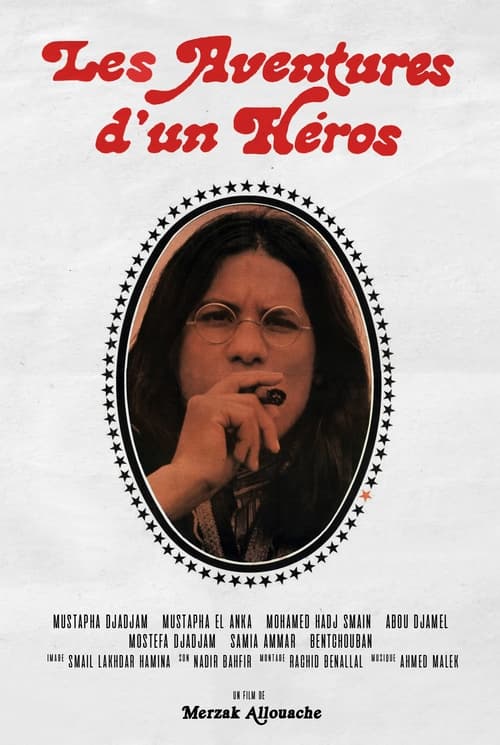
In one of the tribes of the Algerian Sahara, everyone awaits the arrival of the hero who will defend the rights of the poor. A man decides one day to put the mark of the "hero" on his newborn son and the whole tribe celebrates the arrival of this eagerly awaited messiah who came to save them. This false hero then grows up by assuming his role of savior. Filled with cynicism, he crosses the countryside and has a number of adventures.
The Adventures of a Hero
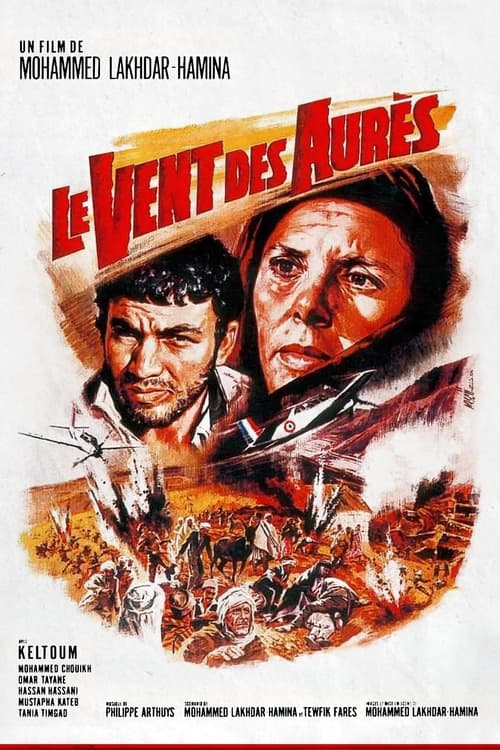
The transformations of the daily life of the Algerian people during the destructive French occupation, then during the war of liberation. While military repression is in full swing, a peasant woman finds herself alone in her mountain home when her only son is kidnapped by French soldiers shortly after her husband's death during a raid. One day, seeing a dead chicken, which she considers a bad omen, she decides to leave home and embarks on a painful journey through the mountains. Accompanied by a couple of chickens, she moves from one detention camp to another in a desperate search for her missing son. The film is inspired by the events experienced by the director's family.
The Winds of the Aures
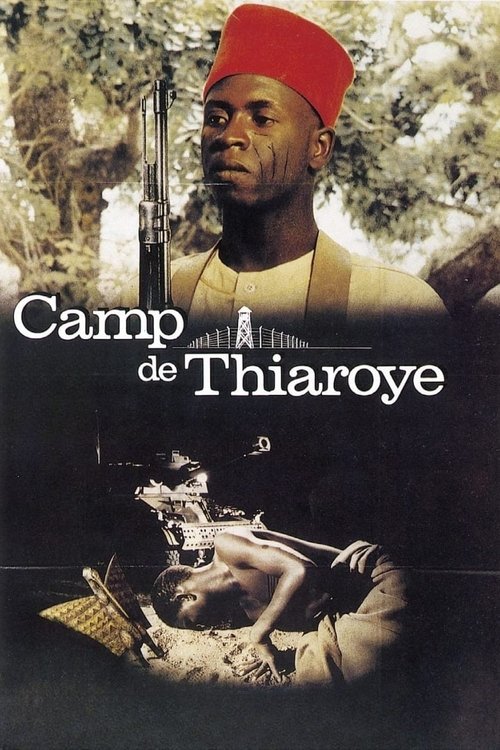
A Senegalese platoon of soldiers from the French Free Army are returned from combat in France and held for a temporary time in a military encampment with barbed wire fences and guard towers in the desert. Among their numbers are Sergeant Diatta, the charismatic leader of the troop who was educated in Paris and has a French wife and child, and Pays, a Senegalese soldier left in a state of shock from the war and concentration camps and who can only speak in guttural screams and grunts.
Camp de Thiaroye
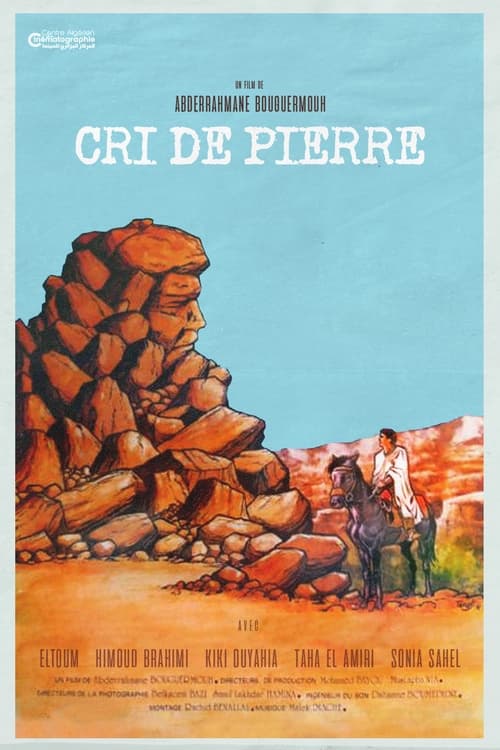
Led by Daoudi, a disenchanted architect, a group of Constantines return to their village in deep Algeria where a young man delivers to them words of boyish wisdom inherited from his deceased grandfather..
Cry of Stone
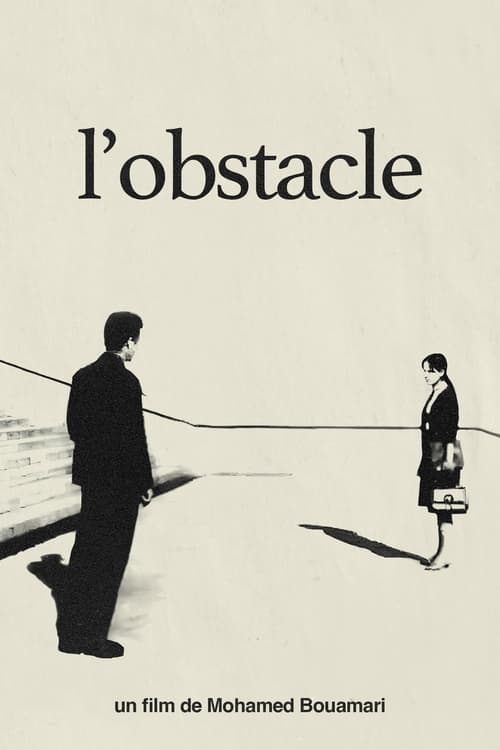
Algerian youth of the 1960s, straddling traditional South Mediterranean and Western culture and the desire for emancipation of younger generations to find true love.
L'Obstacle
A poetic essay. An Algerian soldier wanders through Algiers and the countryside, whilst a voiceover of the soldier's mother laments his death.
Frozen Image
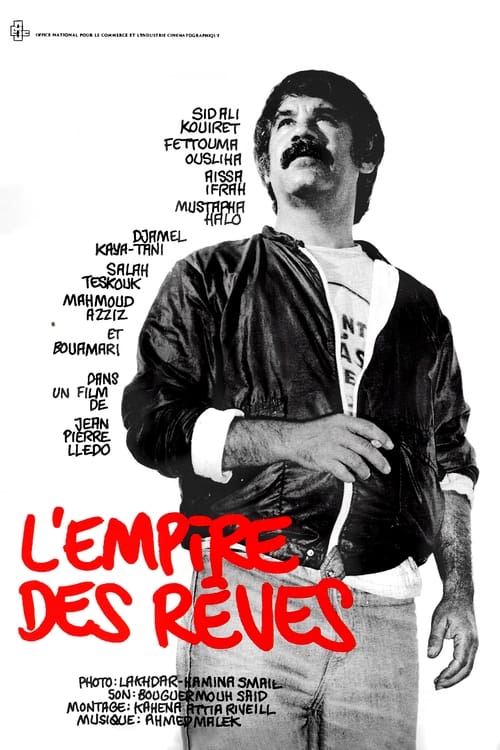
A stubborn director who wants to rediscover the Algiers of his childhood comes up against the “Hollywood” fantasies of his characters, non-professionals all hoping to be able to become “someone else”, at least for the duration of a film… Mise en abyme for a journey into megalomania…
The Empire of Dreams
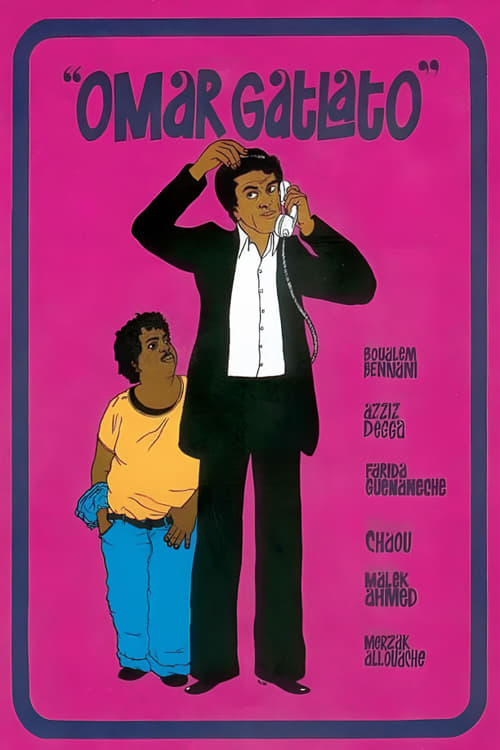
Omar, a young man, lives a simple life with his family and suffers from loneliness. His life changes when he tries to bond with a girl he barely knows.
Omar Gatlato
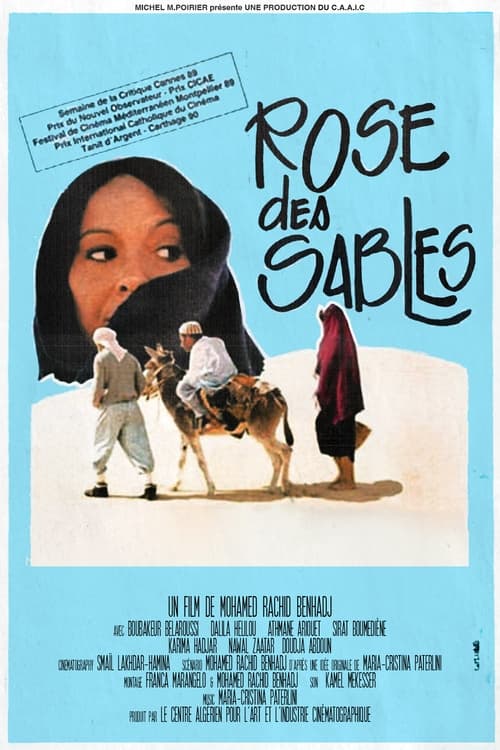
An oasis lost in the Saharan desert more than 700km from Algiers. A society still functioning on centuries-old rituals. The only connection to the city is a bus that passes once a day. Moussa, disabled from birth, lives there with his sister Zineb; They try, together, to reconstitute a family unit that the war has destroyed. The family is the dream of the idyllic times of childhood, of times when parents took all the responsibilities. Moussa is perfectly independent, although he has no arms, he nevertheless loves being cared for by his sister. Zineb, for her part, does not dare to face the new world that a marriage would constitute. Life passes punctuated by the same gestures. Zineb takes the bus to go to work at the date packaging factory. Moussa goes to see the schoolmaster, draws or dreams of Mériem, the woman he loves. A rose secretly grows in the sand, which Moussa waters every day.
Rose Of The Desert
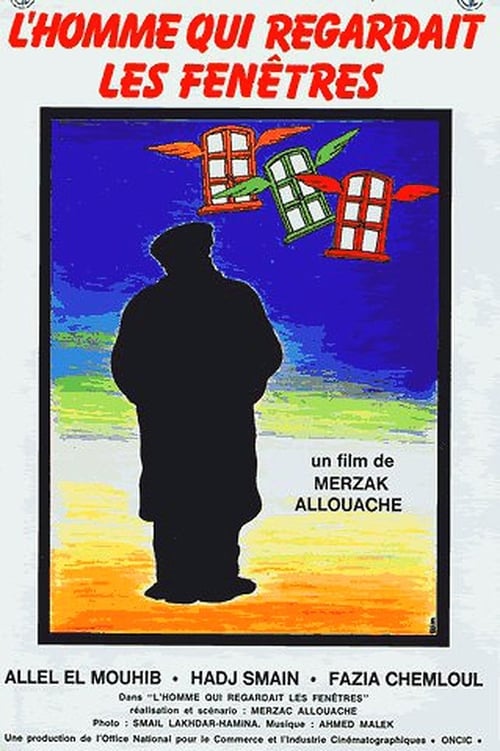
A police office in Algiers sometime after independence. Mr Rachid, father, around fifty years old, former colonial official transferred to the cinema annex library. Mr. Rachid, disappointed and exasperated by his sad life, faced with an inspector who questions him, tries to explain: why did he kill his former department head after a long night of wandering?