Camera
A short segment of film is played with musical backing at various speeds for a jarring effect.
The Lovers is the second part of a small trilogy, dealing with the extinction of memories. In the first part, The Bathers, the two protagonists were subject to the chemical decomposition of the film material. The Lovers, on the other hand, transforms an old Super8 porn film into both a tragic love story and a horror movie, and finally into a memory, that is being destroyed in the inner world. (Viennale 04)
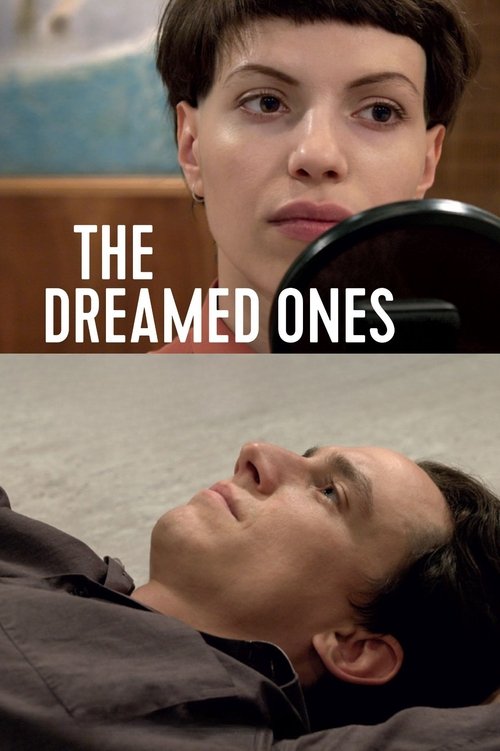
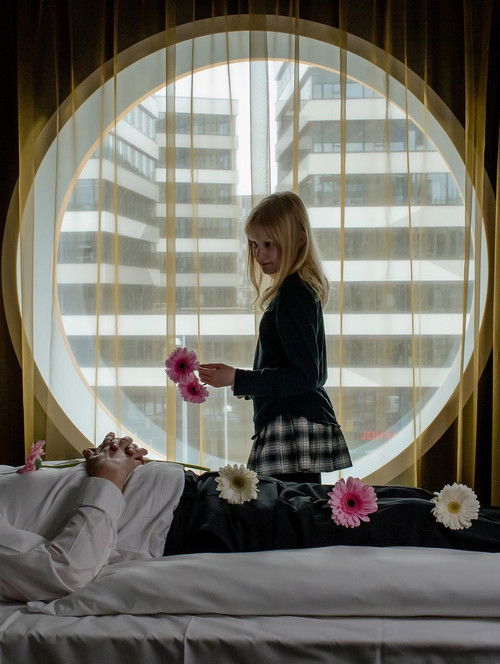
It’s not uncommon for a film to have a moving love story at its core. Yet this particular set-up is unusual. The lovers here are Ingeborg Bachmann and Paul Celan, both important representatives of post-war German-language poetry. The story of the relationship between the Austrian and the Jew from Czernowitz is told through their nearly 20-year correspondence (1948–1967). Or, more precisely, by a young woman and a young man reading from their letters in a studio in Vienna’s venerable Funkhaus.
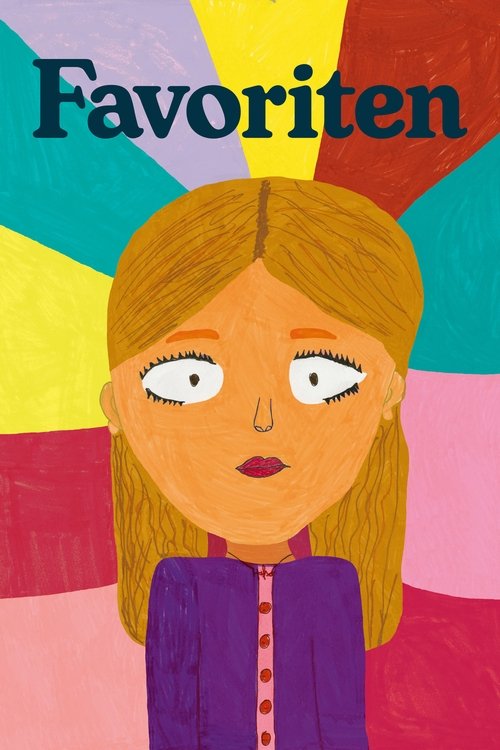
Favoriten is one of the most culturally diverse neighborhoods in Vienna and the starting point of Ruth Beckermann’s latest documentary, in which she accompanies a class of pupils from the age of seven to ten. Their ambitious teacher, Ilkay, is determined to create an inclusive, supportive and safe environment for the kids. The majority of children don’t speak German at home, some families are wounded by war experience and many face discrimination. Despite few resources from the educational system, Ilkay gently navigates her class through daily adventures, defeats and victories. The result is an astonishingly cheerful portrait of a small community mirroring the complexities of contemporary European society. The film is an ode to childhood, celebrating the work of educators and lifelong learning in and outside the classroom.
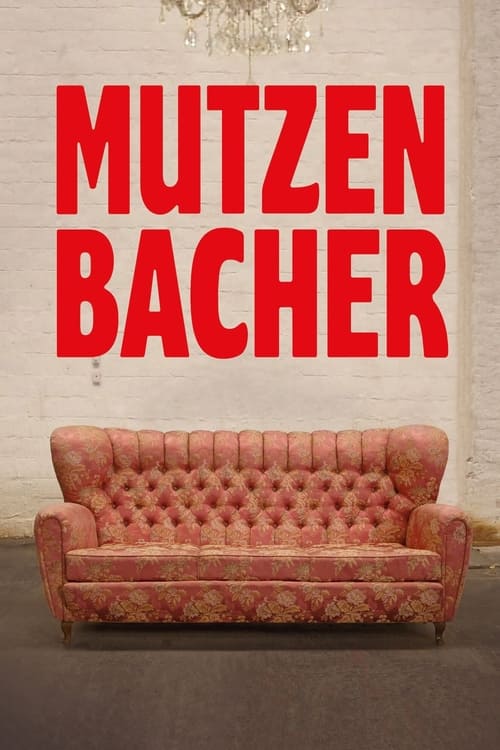
An audition for men aged between 16 and 99. There are no props nor make-up, just pure improvisation. All that is required is the willingness to engage openly with the topic and language of the words on the page. No small challenge, since the text in question is the scandalous novel published anonymously in 1906 “Josefine Mutzenbacher, or the Life Story of a Viennese Whore, as Told by Herself” which, as this film confirms, continues to be the subject of passionate and controversial discussions about desire, even today. What might be world-class pornographic literature for some is seen by others as an abusive depiction of child sexuality.
Schreiber consistently transfers Don Bosco, which was designed by the city's urban planning department, into rigidly framed images and sequences of serial montage. In the interplay of these mainly static shots and relaxed pans across facades and structural details, combined with quotes from Pasolini and Fellini to Antonioni, Borgate produces a visual and acoustic showcase of failed urban utopias.
Johannes Hammel’s three-part Jour Sombre. He employed home movies shot in the 1950s and ’60s, of trips into the mountains, hikes across a glacier, alpine huts and lakes. We see groups of people spread out across the alpine landscape, in the background the dazzling white of the sun’s bright reflection from a glacier. Binoculars are pointed upward. At the sky, or the sun? Then a bubble appears, filling the picture and virtually swallowing the landscape. There’s a glare, as if a ray of light reflected from the ice were burning directly into the camera lens or our retina. Other bubbles follow, and the entire scene begins to boil. Heinz Ditsch’s soundtrack encourages this unsettling scenario. In the next part a swimming woman is harassed by nicks and scratches covering large areas, and what was originally idyllic becomes fractured and furrowed like dried clods of dirt. The soundtrack provides fitting crackling and scraping.
This classic motif of a still life is followed by a home movie from the 1960s: A man and a woman are eating and drinking?a normal everyday activity, though there is nothing natural about it. Their movements are slowed down, the gloomy soundtrack accompanying these scenes implies a threat in the near future.
Sabaudia in Italy, created by Mussolini’s architects as a model “new fascist city”, was supplied with extensive farm lands converted from marshes. Yet, despite its undeniably “brutal” architecture, creators including Alberto Moravia and Pier Paolo Pasolini subsequently found Sabaudia to be a wonderful, hospitable place – the sign of a genuine, traditional Italy, and its resistance to all modern ideologies. Lotte Schreiber constructs a multi-faceted, documentary view of Sabaudia, inspired by but going beyond Pasolini, portraying it as a paradoxical mixture of social class separation, nostalgia, and everyday whimsy. (Adrian Martin)
Air raid bunkers represent the architecturally intact remains of World War II. The film looks into their ideological as well as their material texture and puts them into the context of the urban infrastructure of the nineties.
Rather than focusing on the monuments and representational architecture of the Plaza, Tlatelolco concentrates on the neighboring residential high-rises. Built in the 1960s under the supervision of modernist Mario Pani, Unidad Habitacional Nonoalco-Tlatelolco is the largest apartment complex in Mexico City. Realized at the zenith of Mexico’s economic boom, Pani’s vision of a “vertical city” beyond class distinctions has itself been shaken up on multiple occasions. Schreiber and cameraman Johannes Hammel capture the fading of an urban architectural utopia.
No description available.
"The Bathers" lets a woman happily bathing in a swimming pool disappear into the decomposing grains of the holiday film.
"Cosmodrome" (= Launch pad for space rockets) is a film about the connection between cinema and cosmos. A revolving globe; the distribution logo of the Universal film studio shows the viewer an act of "initiation" taking place in the cosmos - a key image between cinema architecture and cinematic space.
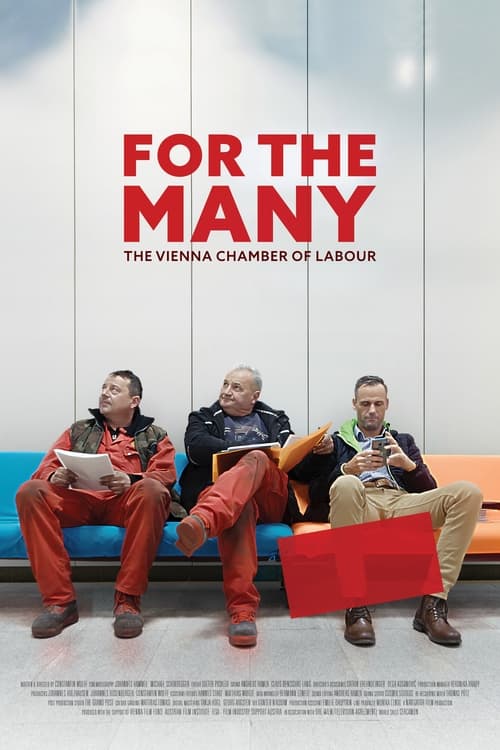
During the preparations for its 100th anniversary, the Chamber of Labor is accompanied and proves to be a unique contact point for the many people fighting for their rights.
Based on Samuel R. Delany’s short novel ‘Aye, and Gomorrah...’, where the sci-fi premise of radiation-resistant state-neutered space travellers allows the author to explore androgyny, sexual identity, etc. Hammel uses Delany’s story to create a spookily beautiful world where asexual bodies live in the contradiction between their unarousable loneliness and desire for intimacy and contact.
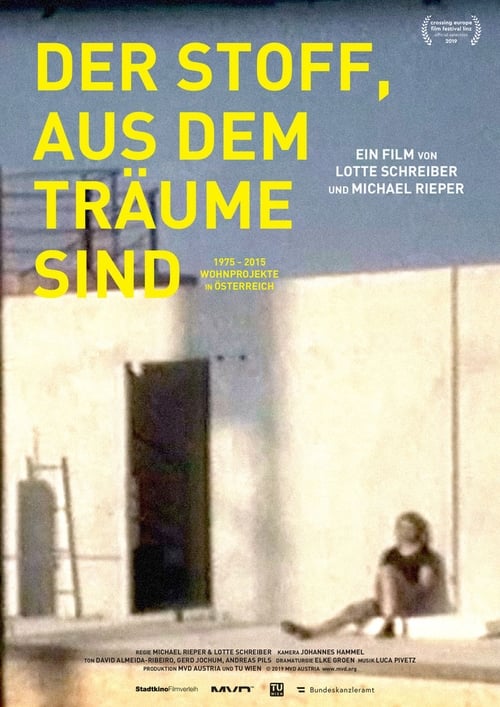
What motivates people to organize communal living themselves? What ideals are behind it, how do they finance themselves, and how does life in a community work? Based on six self-managed residential buildings in Austria from the past 40 years, the documentary film "Der Stoff, aus dem Träume sind" (The Stuff Dreams Are Made Of) sets out to find answers. Filmmakers Lotte Schreiber and Michael Rieper tell these six stories by staying very close to the protagonists.
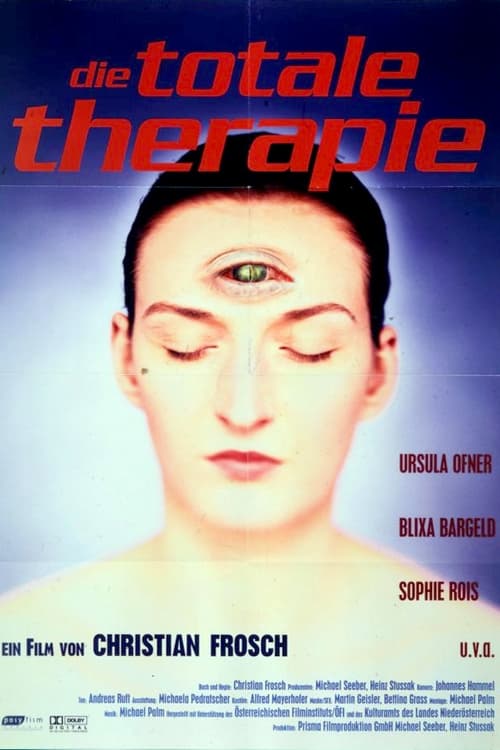
Nine persons sign up for a self-awareness course at an isolated country estate. Dr. Romero, a charismatic therapist, and his assistants confront the patients with their problems. Cut off from the rest of the world, the participants are increasingly drawn into the therapy's spell.
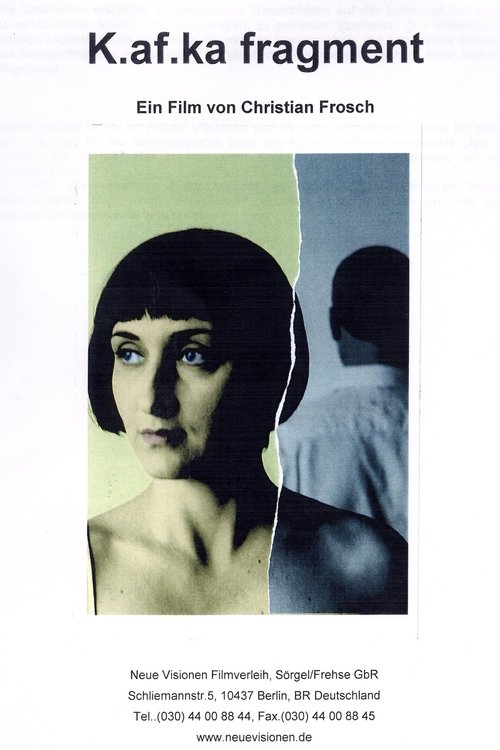
An experimental study about the love between Franz Kafka and his adored Felice based on their correspondence.
Johannes Hammel's system of transitions subjects the human body to an extreme test: In constant danger of being swallowed up by a space ending in a black void or becoming stuck to a various surfaces and smacking sounds, an insect-like being undergoes a transformation which is beyond physical reason. In jittery montages the body (again Guszner) extricates itself in convulsive movements, though painlessly, to a point at which the ability of this (or one's own) body is barely believable.