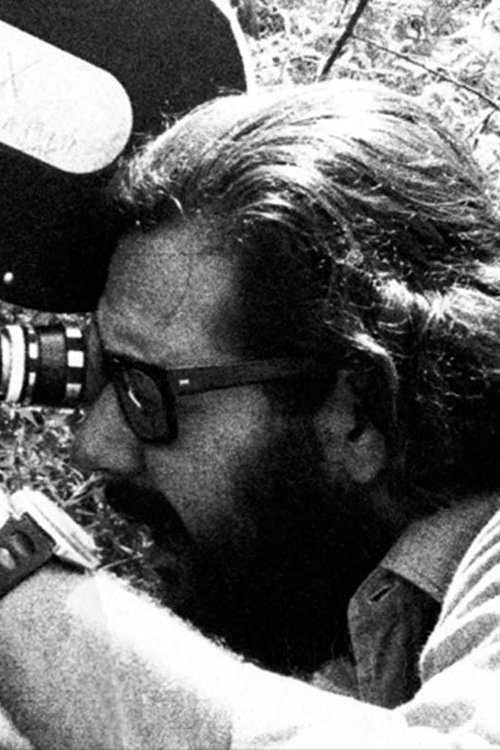
Federico Weingartshofer
Directing
Biography
Photographer, director, film and television producer. He was also director of photography at Televisa and vice-president of production at TV Azteca, professor at CUEC between 1970 and 1985, and member of the founding group of the International Film and Television School of San Antonio de los Baños in Cuba.
Known For
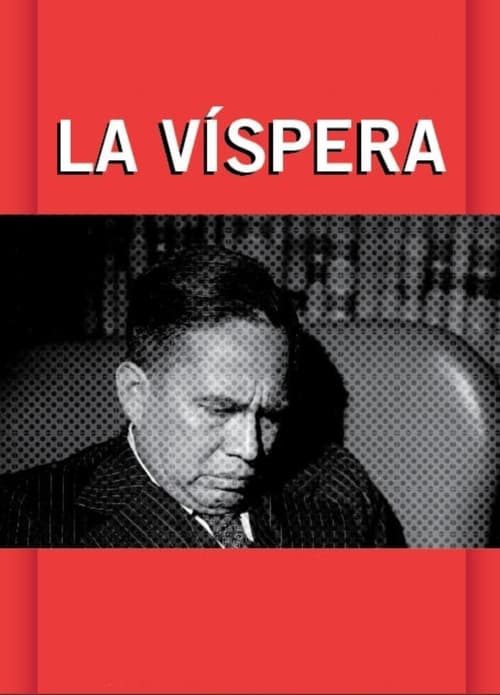
Aging politicians who have faded from the public eye hold a cocktail party to celebrate one friend's appointment to the President's Cabinet. Illusions are indulged, illusions are shattered.
The Eve
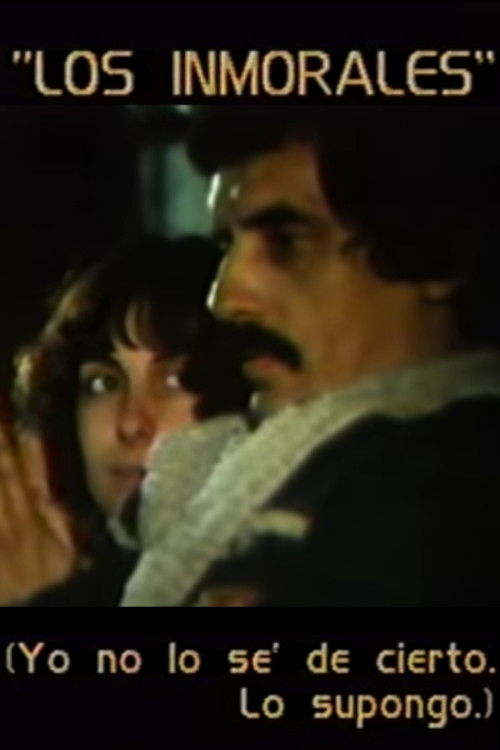
Dalia and Daniel are a couple running away from the noise, the pollution and the social prejudice, so they take shelter at an isolated farmhouse, which used to belong to Daniel's father. There they are, in full intimacy with each other, only with nature and their own memories. However, the monotony and the loneliness gradually deteriorates their relationship.
I Don't Know For Sure, But I Suppose
No description available.
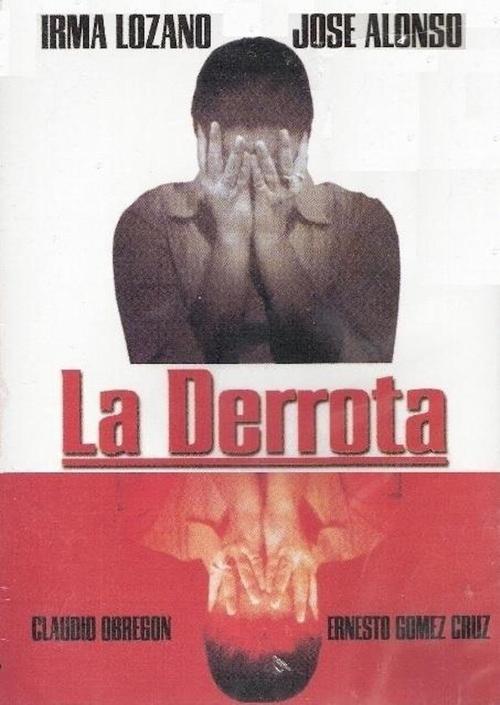
La derrota
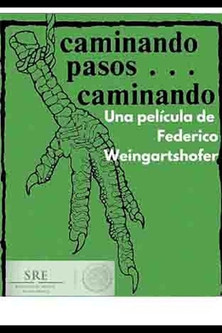
In a community of the Matlatzinca ethnic group, a teacher tries to integrate the inhabitants into the struggle of a guerrilla group.
Caminando pasos... caminando

The third film version of the popular Mexican novel, about a wayfarer who travels to a mysterious arid village, to meet the father who long ago abandoned his wife.
Pedro Páramo
Tribute to Leopoldo Méndez, a prominent Mexican artist, considered the most important printmaker in Contemporary Mexico
Tribute to Leopoldo Mendez
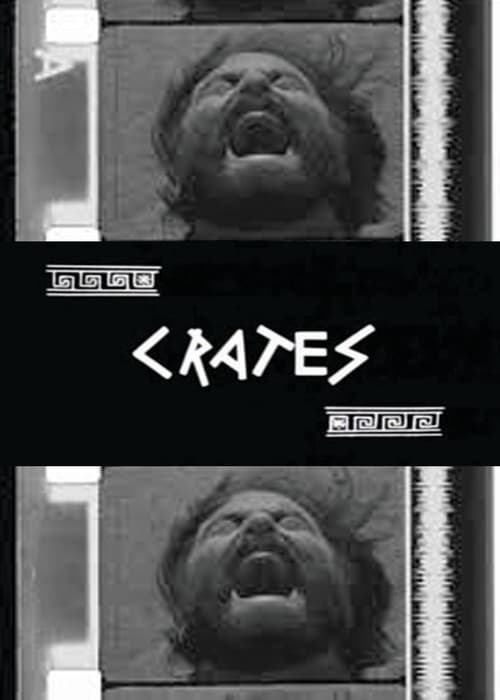
A man renounces all of his personal possessions. Looking for liberty, he goes with his girlfriend to live in a cave, away from the corruptions of the material world.
Crates
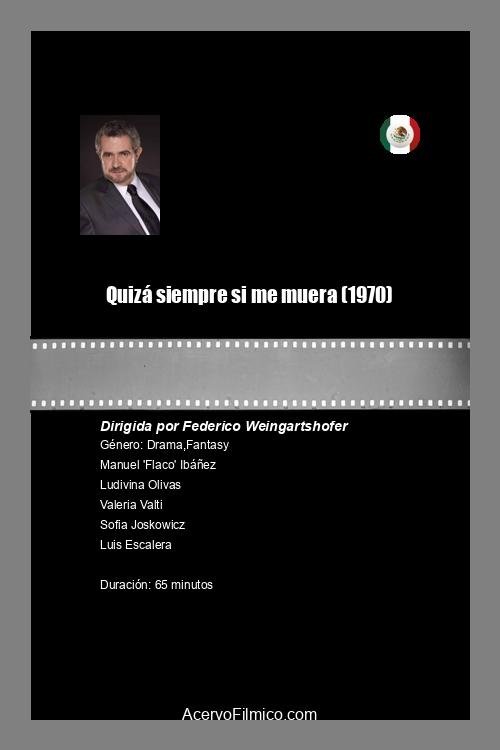
Three stories centered on Simón (Manuel Ibáñez), a kind of multiple hero who runs through the countryside and the city: a middle-class hippie, a frustrated guerrilla revolutionary and admirer of Che Guevara, and a troglodyte in rags, all in which he interacts with different women. Thesis work.
Quizá siempre si me muera
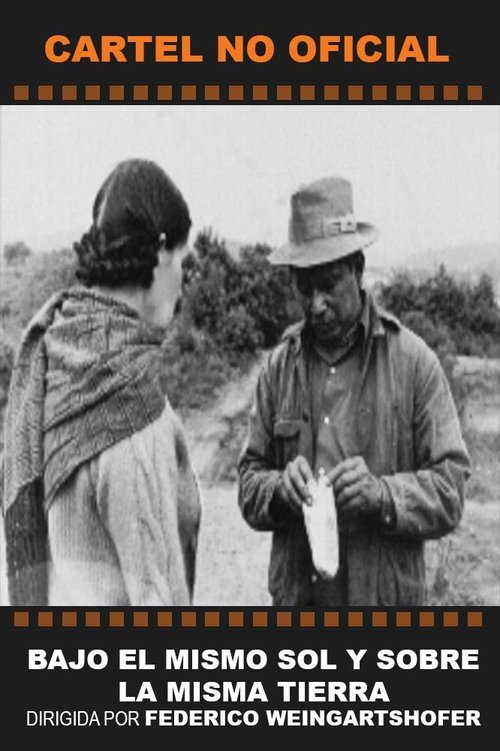
Mexican feature film
Bajo el mismo sol y sobre la misma tierra
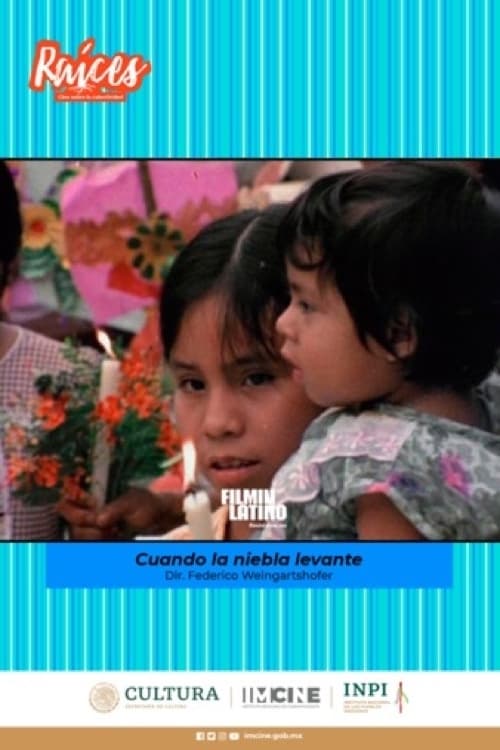
This documentary shows the social organization in Tuzamapan de Galeana, Puebla, an indigenous community, mostly Totonaca. Describes some economic activities that include: planting beans, sugar cane, corn, coffee, and the work of ranchers and bakers, among others. It is also emphasized how these works are taught from generation to generation.