Aizo Tamashima
Acting
Known For

During the Edo Period, a noblewoman's banishment for her love affair with a lowly page signals the beginning of her inexorable fall.
The Life of Oharu
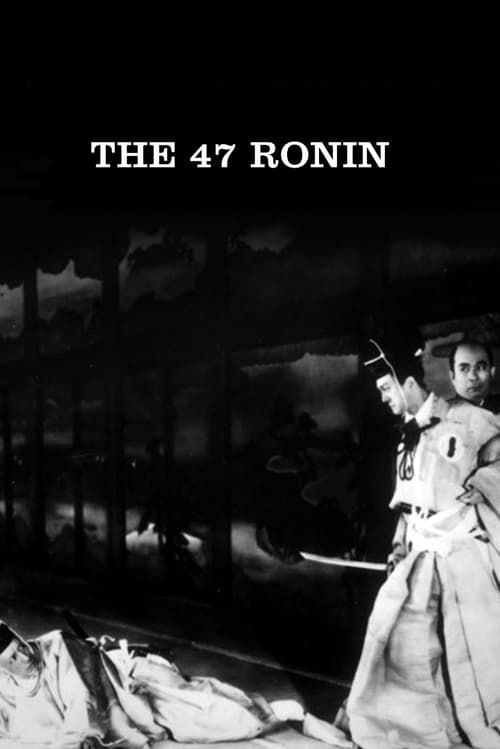
In the early 18th-century, Lord Takumi-no-kami Asano, feuding with Lord Kira, tries to kill his opponent in the corridors of the Shogun's palace. The Shogun sentences Asano to seppuku and deprives the palace and lands from his clan, but does not punish Kira. Asano's vassals leave the land and his samurais become ronin and want to seek revenge against the Lord's dishonour. But their leader Kuranosuke Oishi seeks to restore the Asano clan with his brother Daigaku Asano. One year later, the Shogun refuses, and Oishi and 46 rōnin are out for revenge.
The 47 Ronin
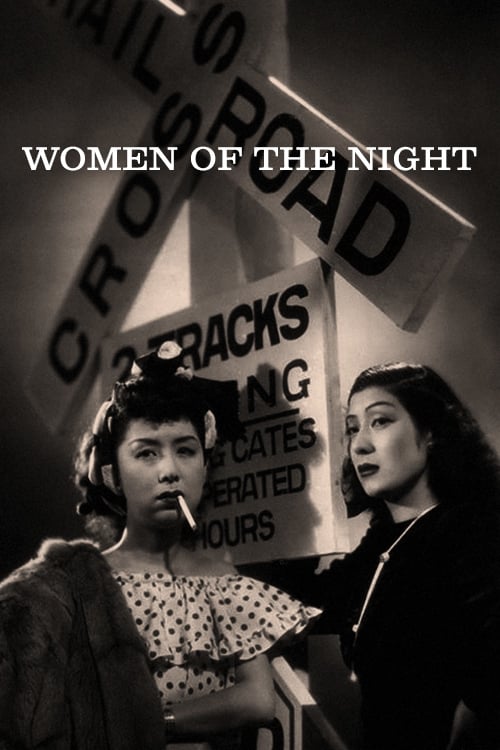
In early post-war Osaka, three women—war widow Fusako, her Korean expat sister Natsuko, and Kumiko, Fusako's sister-in-law—descend into prostitution, all for their individual reasons.
Women of the Night
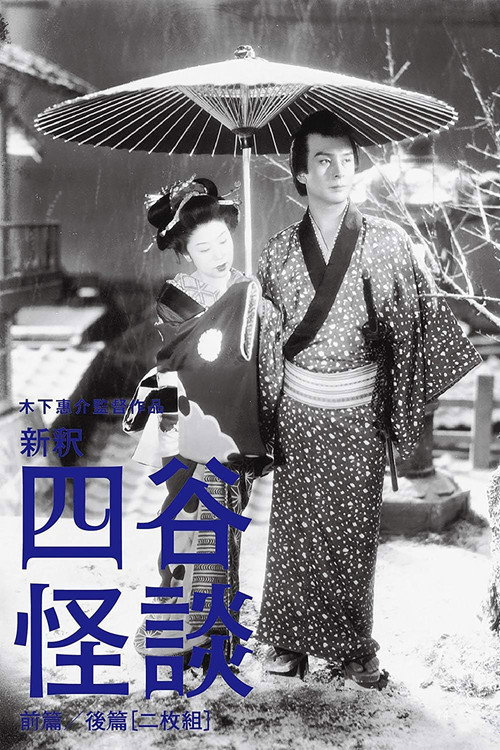
Iemon Tamiya is an impoverished masterless samurai who craves a better life, which he cannot have because of his marriage to Oiwa, who is completely devoted to her husband.
Yotsuya Ghost Story Part 1
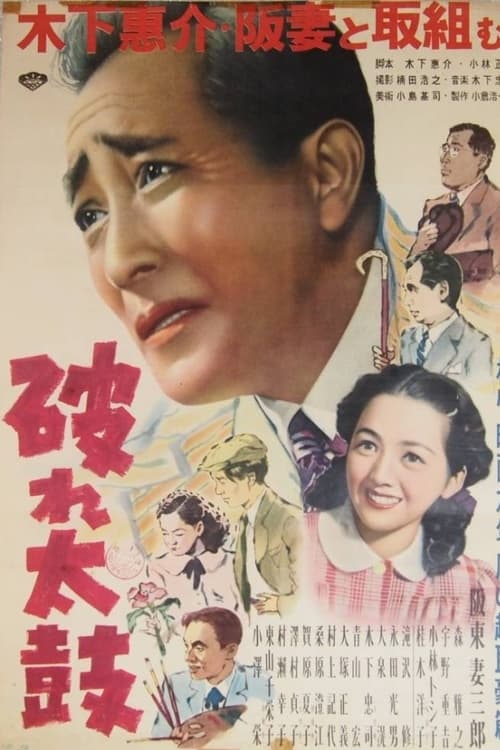
When the future of his construction company falls into danger, a controlling father pushes his children into unsatisfying marriages and careers in order to regain financial stability.
Broken Drum
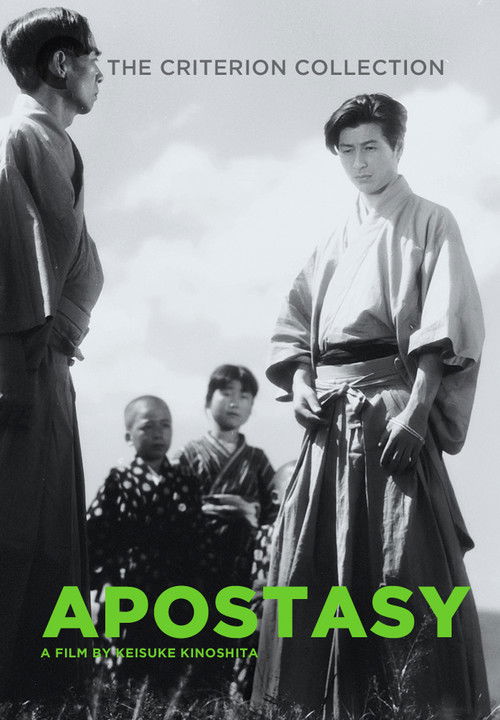
In the Meiji period, a schoolteacher tries to hide his lower-class upbringing as he supports a visiting liberal intellectual.
Apostasy
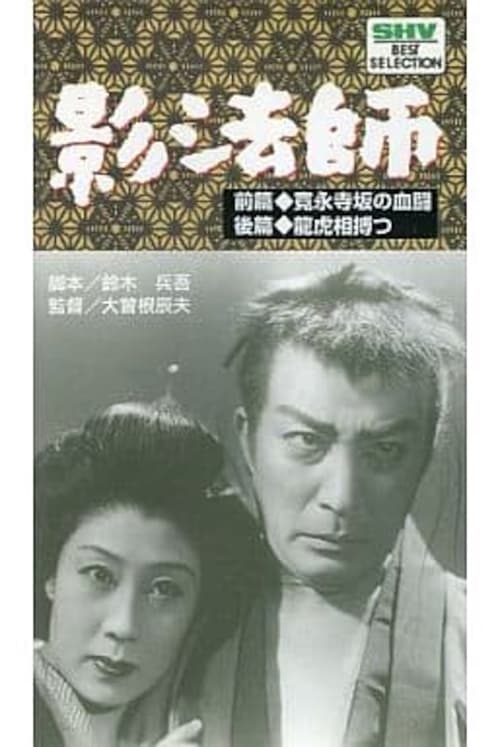
A continuation of the prior film (影法師).
Zoku kagebōshi ryūkoaiutsutsu
Part 2 starts where the first film ended, with Iemon disposing of the bodies of his wife and Kohei, marrying upward, and being blackmailed by the evil Naosuke.
Yotsuya Ghost Story Part 2
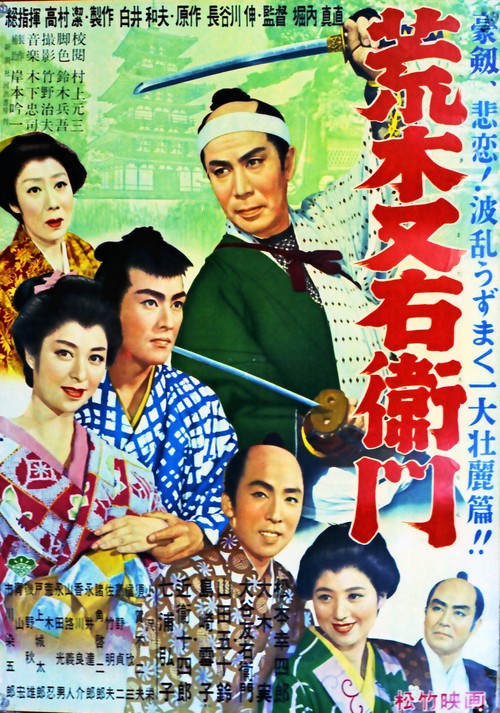
Watanabe Kazuma and Kawai Matagorō from the Bizen Okayama Ikeda clan were close friends, but they inevitably became enemies after Matagorō killed Kazuma's younger brother, Gentayū, and fled. Seeking assistance, Kazuma asked his brother-in-law, Araki Mataemon, for help, but Mataemon refused, saying that it was against the code for a brother to avenge another brother's death. On the other hand, the lord of the clan, Ikeda Tadao, ordered a search for Matagorō, who was found to be sheltered by the Hatamoto, including Andō Jiemon, in Edo. Tadao was furious but unable to act. Matagorō, in Edo, came to regret his birth as a samurai. He met and fell in love with Okō, a bathhouse maid. As the discord between the Hatamoto and the Ikeda clan deepened, Tadao died of illness. Seizing the opportunity to ease the conflict, the shogunate ordered the Ikeda clan to be succeeded by the young lord Katsugorō and to relocate to the Ikeda clan of Inshū Tottori. Meanwhile, Matagorō was exiled from Edo.
荒木又右衛門
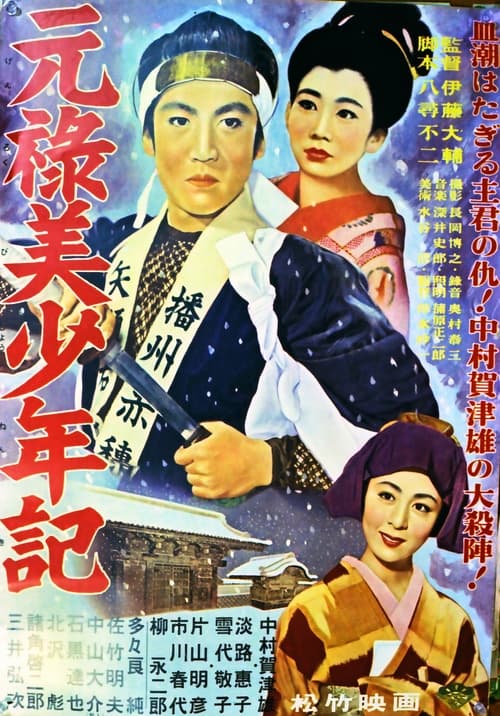
On February 4th of the 16th year of the Genroku era, Yatō Uemon no Shichi reminisces while waiting his turn for seppuku at the Mizuno residence. When news of his lord, Asano Naganori, attacking Kira Yoshinaka in the palace reached Akō, Uemon no Shichi was sixteen. The family elder, Ōishi Kuranosuke, determined to avenge, gathered allies, but Uemon no Shichi's father, Chōsuke, being sickly and considered too young, was not included. Chōsuke committed suicide.
元祿美少年記

The tale of a feudal swordsman who cynically takes no responsibility for anything, relegating it to others, and then taking the credit.
Ishimatsu of the Forest

A Hibari Misora musical about an impoverished girl and her brother in Postwar Japan.
Weeping Doll
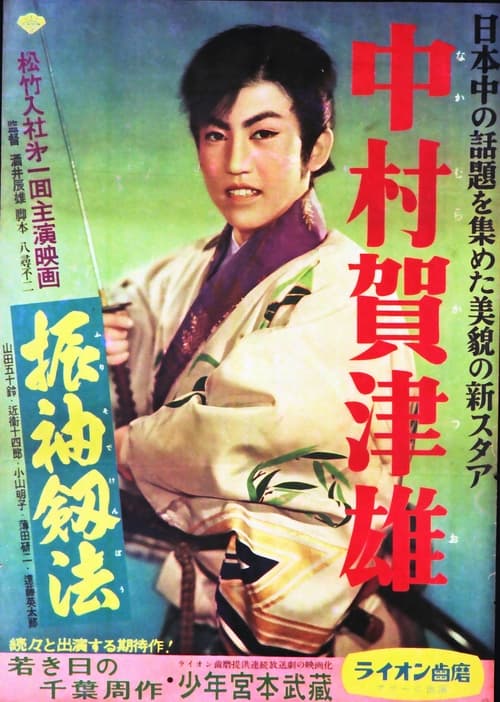
In Marugame Domain of Shikoku, a low-ranking foot soldier named Tagami Genbachi was envied for marrying Tsuji, the most beautiful woman in the domain. However, due to a personal grudge held by Horikawa Gentazaemon, the swordsmanship instructor, Genbachi met an untimely and bitter death through foul means within the precincts of the Hachiman Shrine. Due to the domain's oppressive treatment of those of low status, Tsuji, now with her infant son Botaro, was dispossessed of her home and exiled.
振袖釼法
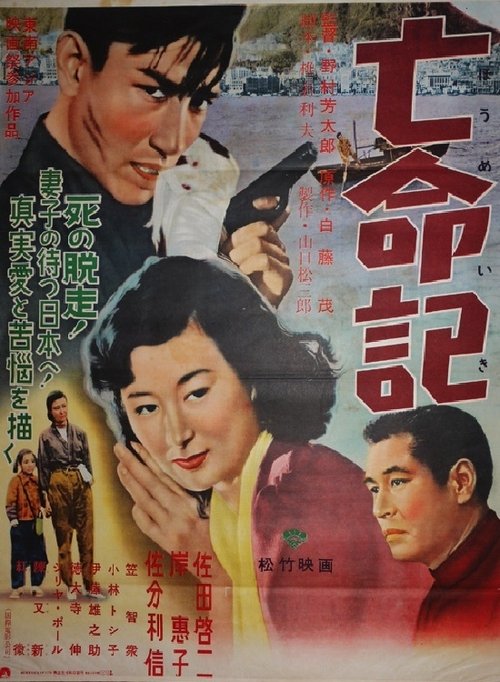
A Chinese medical student named Gan Shosho finds himself cut off from his homeland as he is studying in Japan during the outbreak of the war. Despite his difficult circumstances, he finds love in the form of Sachiko and the two marry. They later travel to Nanjing to live a new life together where Sachiko and Shaochang cooperate with the Japanese-backed government. Their ultimate hope is to secure peace but their idealism is not enough to keep them together through brutal times and with the end of the war the two find themselves facing a divorce... --Osaka Asian Film Festival
The Refugee
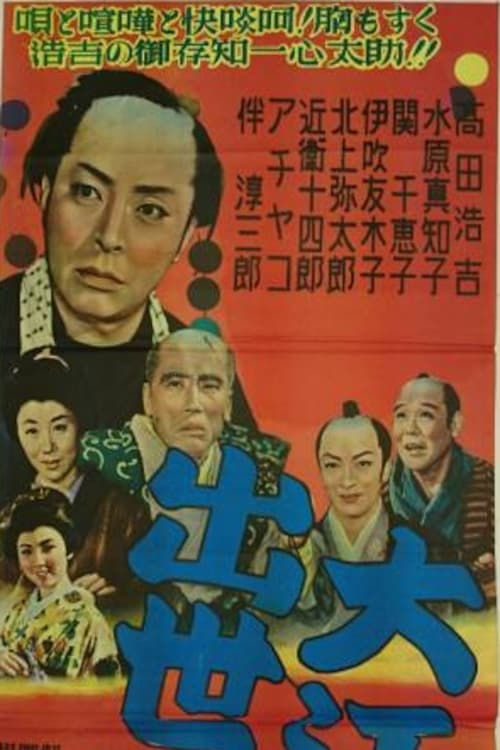
Isshin Tasuke, a friend of Ōkubo Hikozōemon, the esteemed public arbitrator of the realm, saved the maid Onatsu from punishment after she accidentally broke a plate gifted by Lord Ieyasu. Tired of the strict samurai service, Tasuke moved to the Genbei tenements and opened a fish shop. This tenement housed various characters, including the landlord's daughter Osen who had a crush on Tasuke, the midwife Okan, the blind masseur Oyone and her husband, the carpenter-loving couple Yoshigorō and Ohama, the rōnin Takeuchi Yogoemon, and the siblings Ochika and Shin'nosuke who cared for their sick mother.
大江戸出世双六
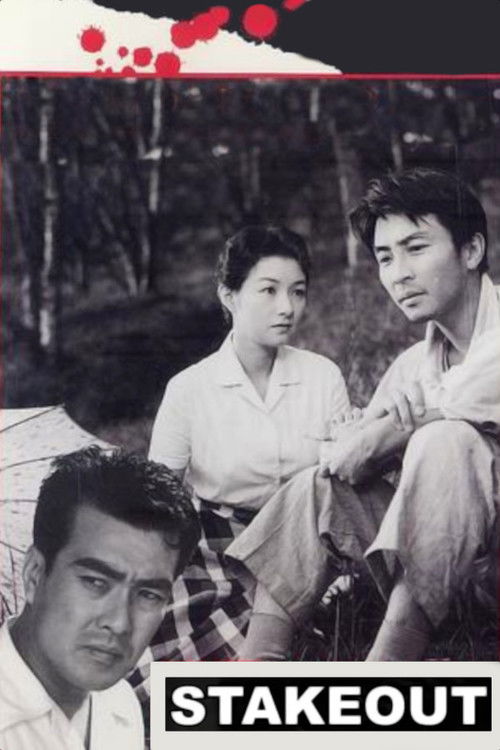
Two detectives begin a stakeout based on the slim chance of catching a murderer whom they suspect will try to reunite with an old flame.
Stakeout
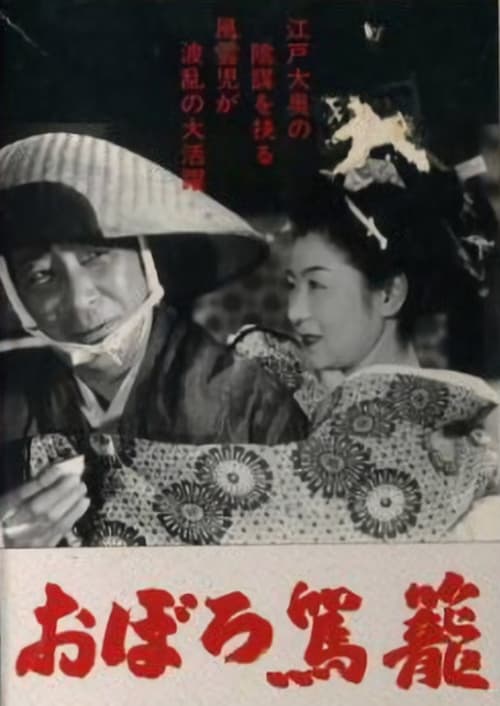
A period mystery in which an unconventional priest exposes the truth behind the bizarre death of a maid in the shogun's harem. Kinuyo Tanaka stylishly plays a constantly intoxicated geisha in this all-star entertainment film.
The Inner Palace Conspiracy
No description available.
愛情の旋風
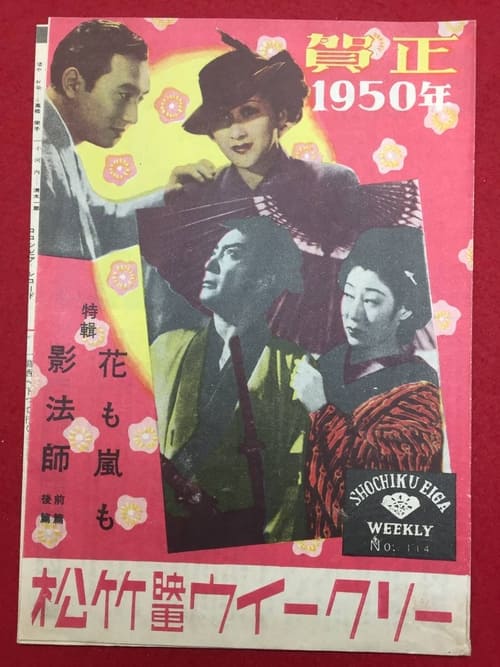
On the night the shogunate's treasury was breached, the guard Utsugi had already been taken down. His colleague Ryunosuke felt responsible and decided to catch the culprit, not only for the sake of the beautiful wife of Utsugi, Chika, but also for his own honor. Chika's younger brother Shinjiro and the powerful Uechi family living near Ryunosuke's abode, join hands to support Ryunosuke. Counterfeit coins begin to surface—a scheme by the corrupt faction led by Yanagisawa. The henchman behind this is Koyamada Tesshin, who gathers ronin to amplify Yanagisawa's power. Among those ronin is Tendo Sakon—a man who drinks silently and plays the flute when in a mood.
Kagebōshi
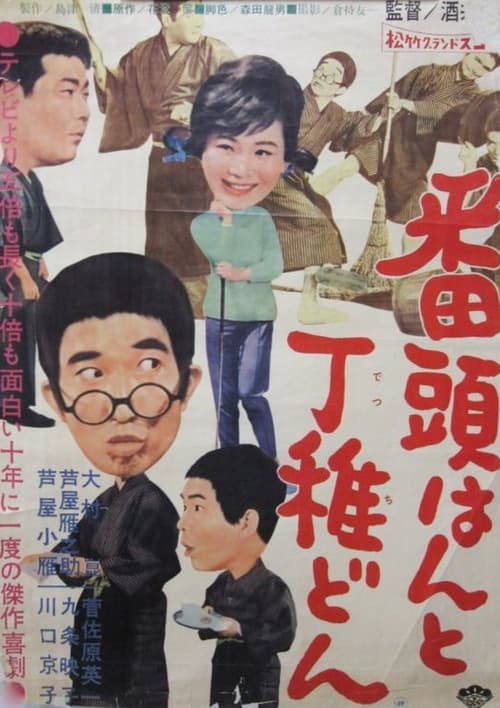
1960 Japanese movie