Elisabeth Waelchli
Editing
Known For

When five Kurdish prisoners are granted one week's home leave, they find to their dismay that they face continued oppression outside of prison from their families, the culture, and the government.
The Road
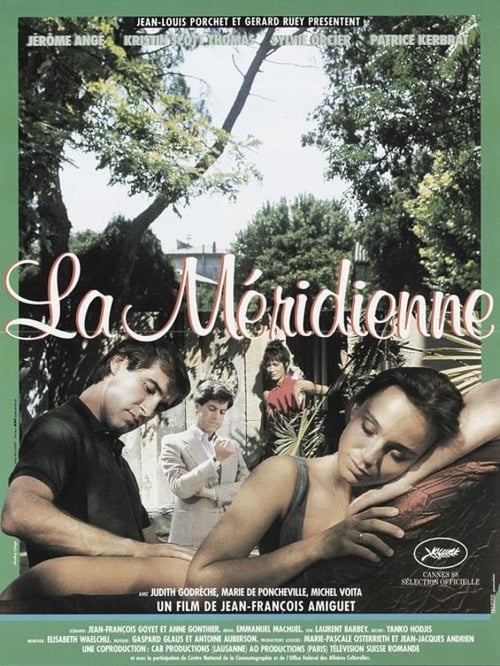
This uneven comedy of manners concerns a young film projectionist (Jerome Ange) who sets out to find a marriageable woman. He sets his sights on two women he has lived with for nearly ten years (Kristin Scott-Thomas and Sylvie Orcier). For some reason, the projectionist encourages one of the women to hire a private detective (Patrice Kerbrat) to monitor his romantic activities.
Lounge Chair
No description available.
Dance of Tears
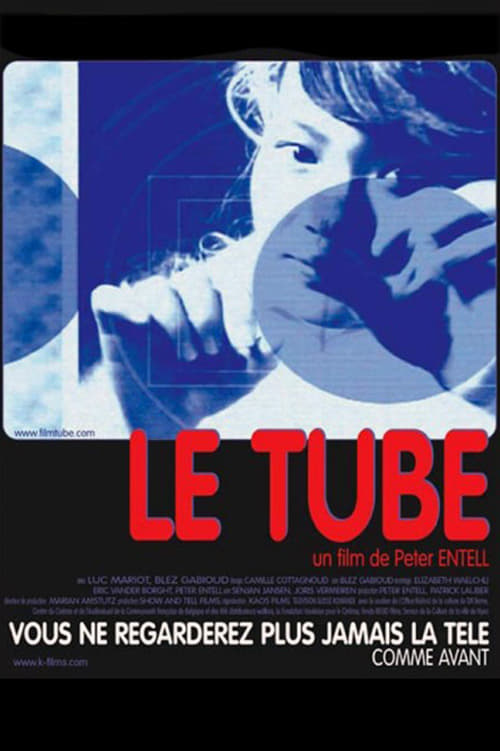
Television makes us sluggish, hypnotizes us, and makes us addicted. Why? How? Is it intentional? From European homes to American laboratories, via the studios of a Japanese channel, the Tube team investigates. Its goal: to discover what the all-powerful television industry is hiding from us on the other side of the screen.
Le Tube
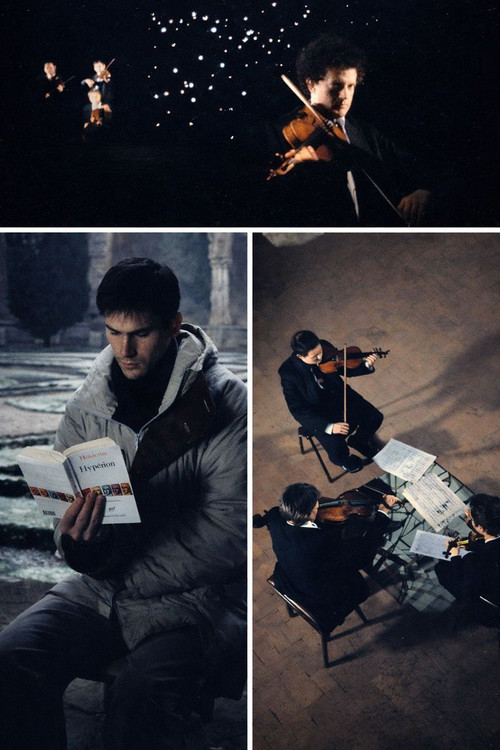
No description available.
Le Quatuor des possibles
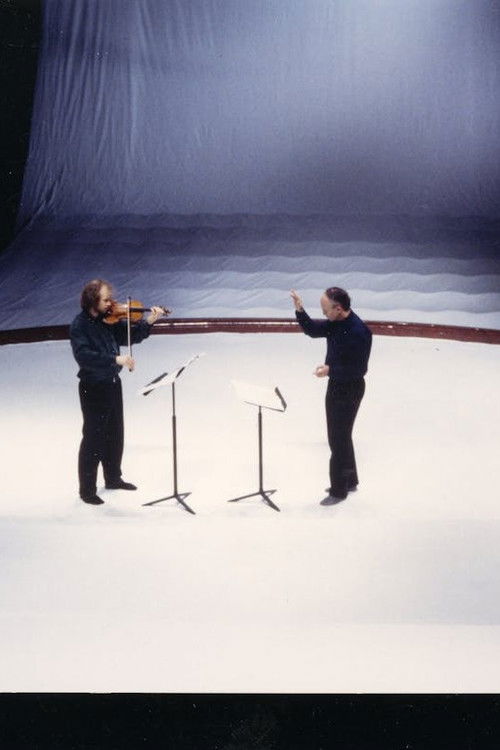
The film concentrates on Heinz Hollinger at the time of the creation of his “Concerto pour violon”, which is inspired for the most part by the tragic and very touching “œuvre” of the painter and violinist Louis Soutter, one of the many outcasts to have served Hollinger as a model. At the same time as it takes a close look at the personalities and work of these two courageous artists, the film pays tribute to Soutter, as a passionate painter who is still relatively unknown, to Thomas Zehetmair, a violinist whose inflamed style, extreme concentration and total commitment have inspired the composer and finally to Heinz Hollinger himself, a composer and conductor whose mastery, generosity and depth of musical understanding are self-evident.
Shadows – Genesis of Heinz Holliger’s “Violin Concerto, Hommage to Louis Soutter”

The Krautrock band Lokomotive Kreuzberg set itself the goal of combining music with trade union activism. From 1972 to 1977, it toured Germany with cabaret and songs such as ‘Solidaritätslied’ (The Solidarity Song) ‘Lohnpredigt’ (Wages Sermon) or ‘Geldsack’ (Moneybags). The film shows recordings of rehearsals, performances, and political discussions with the audience. The musicians describe their careers from classical music training to political rock.