
Ebrahim Mokhtari
Directing
Known For
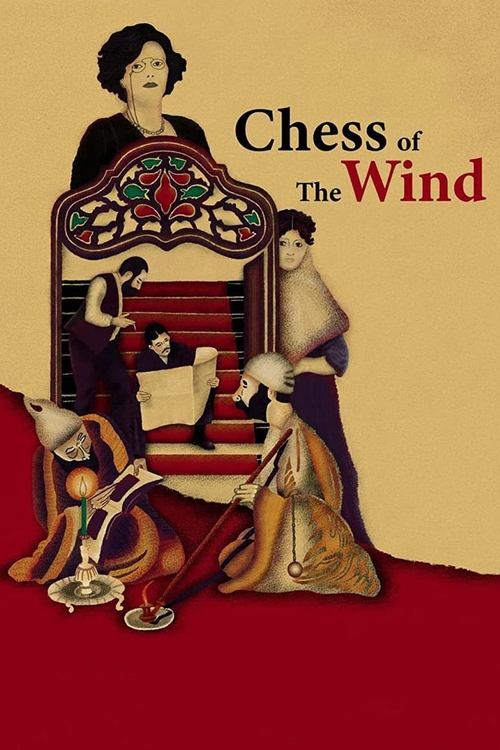
The first lady of a noble house has died and now there is conflict between the remainders for taking over her heritage.
Chess of the Wind
The conflict felt by a modern Iranian woman as she is forced to choose between her career and the traditional obligations of a housewife are examined in this drama. Until she married Hamed, Zinat worked in a public health clinic in a small Iranian town. She loved her job and was deeply committed to helping the community. After the wedding, her in-laws and family force her to quit and become a full-time housewife. She does try, but her former patients keep returning for help. Zinat cannot, in good conscience, turn them away so she helps them. She then suffers the wrath of her mother-in-law, but even after the irate in-law locks Zinat in the house, the plucky young woman still continues to help people.
Zinat
Short documentary by Ebrahim Mokhtari
Caviar
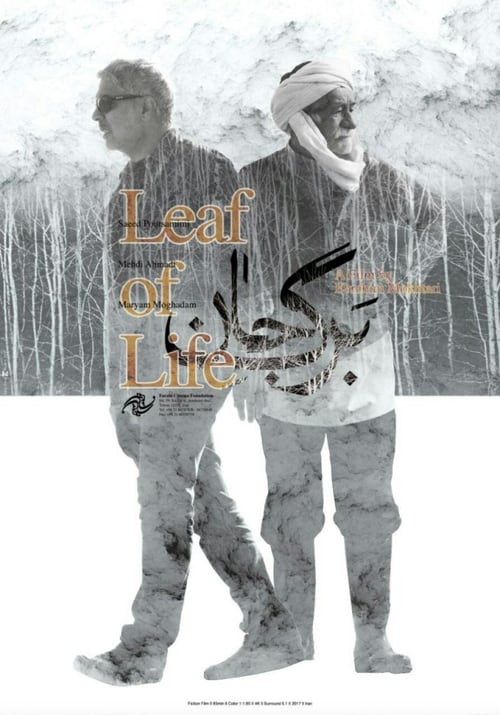
Human tales are reluctant to reach the point because when it comes to it, it's no longer worth it. So he changes the path of life to achieve the dream that he always sought to fulfill, but ...
Leaf of Life
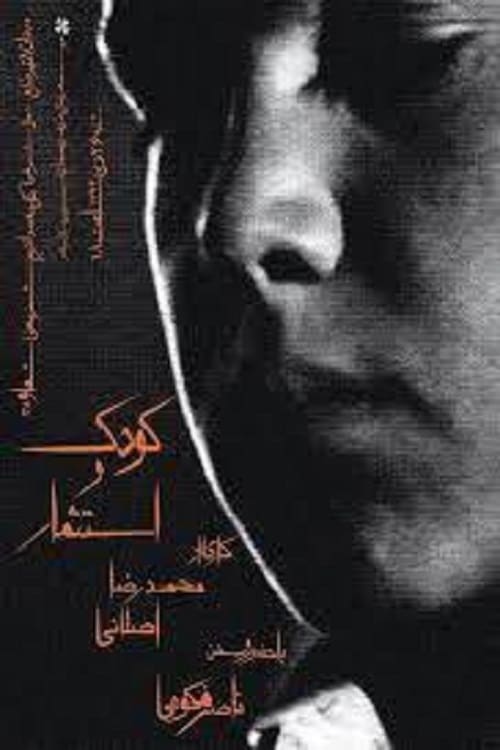
The film looks at the children who live and work in the big city's suburbs.
Child and Exploitation

A Khorasani saffron grower struggles to fertilize the saffron plant with dehydration and the risk of losing the dull flowers of the saffron in order to obtain the flower stigma or saffron root.
Saffron
In a Turkmen village the peasant families look after the big landowner’s horses. The boys are known to be skilled, fearless rides and train the horses for the forthcoming spring trail. After the competition at Gonbadkavoos the peasants bring the horses back to the village.
The Jockey
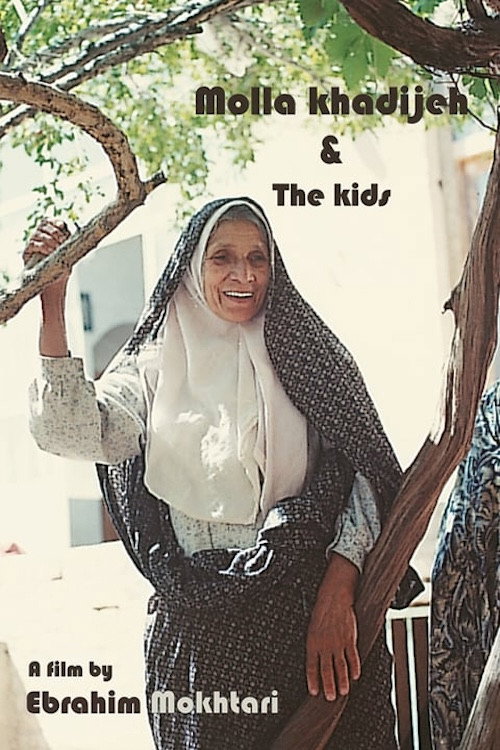
An ethnographic documentary about the forgotten part of Iran.
Mollah Khadijeh and Children
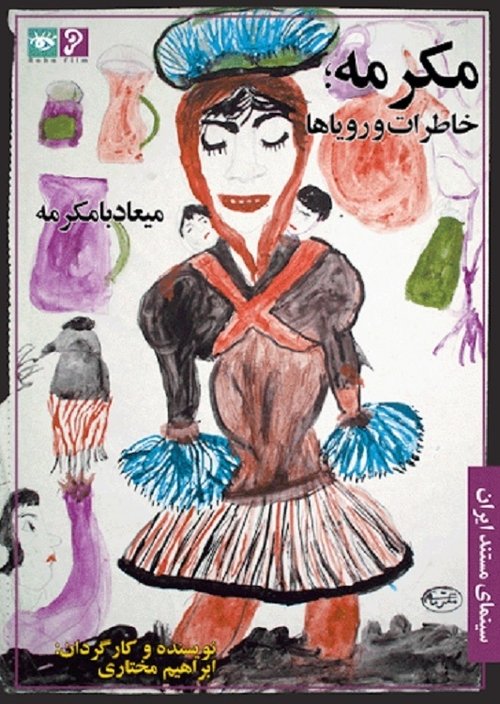
Mukarrama is an old woman in one of the villages of Mazandaran who cannot read or write and suddenly turns to painting. In her memoirs and dreams, she depicts the relationship between a man and a woman, master and servant, man and God in a special style.
Mokarrameh, Memories and Dreams
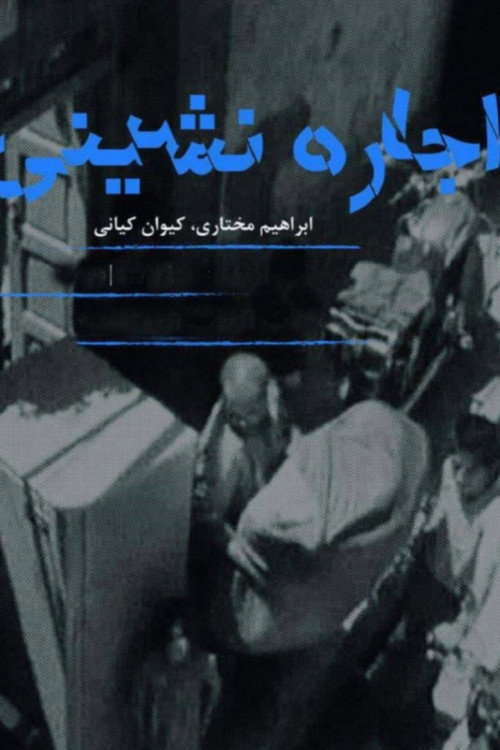
The situation for renters has become critical due to stagnant income and rising rents. The film reports on the consequences of strictly enforcing landlord-tenant laws during a crisis.
Tenancy
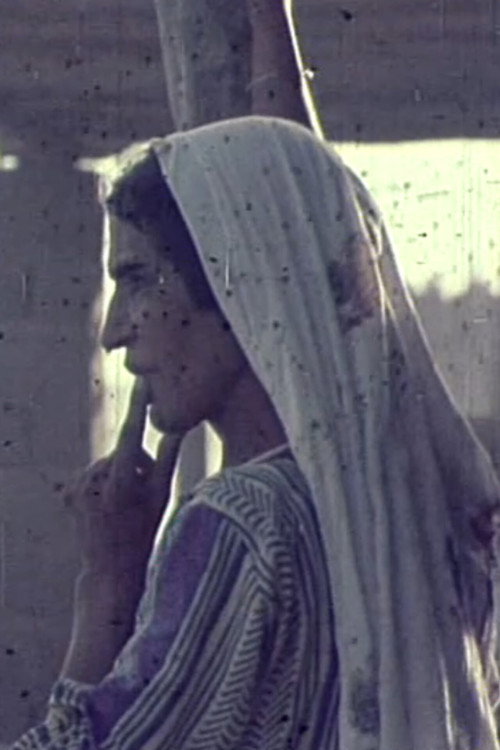
A documentary by Hassan Bani Hashemi about Bandar Abbas and the Persian Gulf in the 1350s (1970s). A calm and observational film that captures the coastal life, natural landscapes, and local culture of southern Iran.
Bandar Abbas and the Persian Gulf

Zinat, who experimentally provided health services to the villagers of Salakh on Qeshm Island, discovered the burqa to get well and wore a health uniform, and was one of the first women on the island to work outside the home. Zinat is the only native of the island who ran for the ten-seat council in the first city and village elections (March 1998). A special day deals with the events and discussions related to Zinat's candidacy on election day as a woman.
Zinat A Special Day
The film explores housing problems in Tehran in the years following the revolution. Everyday confrontations between landlords and tenants who can no longer pay the rent are often violent. Women and children complain about their intolerable social conditions. They criticise the "Tenants and Landlords" law established by the Shah, which was finally changed after the broadcasting of the film on television and the political discussion that followed.