Production
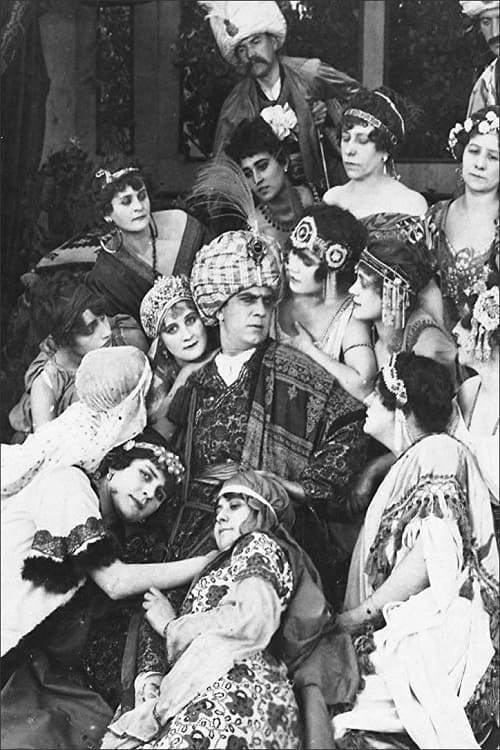
Caravan of Death (German: Die Todeskarawane) is a 1920 silent German film, it was an adaptation of the latter half of the Karl May novel From Baghdad to Stamboul, and is now considered to be lost. The film featured Bela Lugosi playing an Arab Sheik pitted against European travellers in an adventure story set in the Sahara. It was the second of three films released by Ustad based on desert adventure novels by Karl May. Although Karl May’s widow praised the film, critics were unimpressed and it was a commercial failure.
No description available.
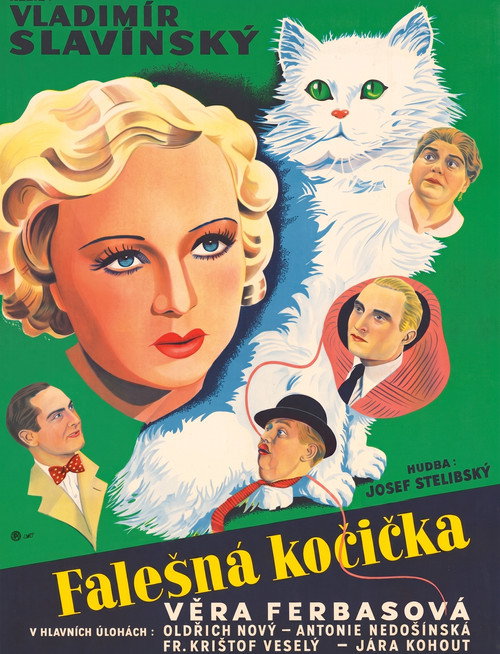
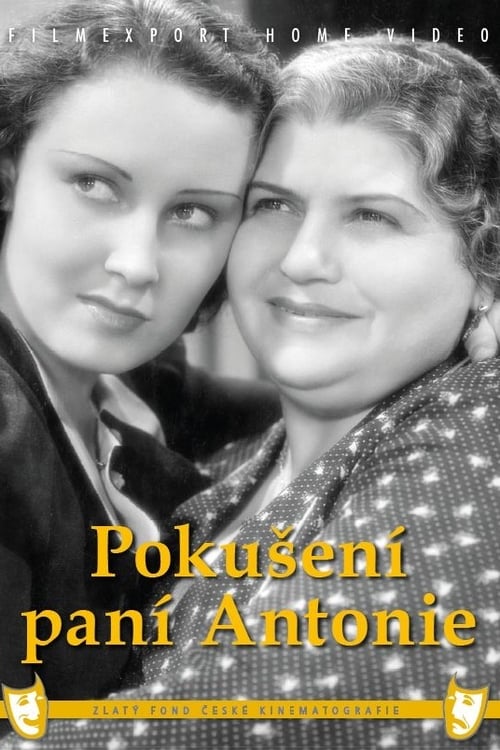
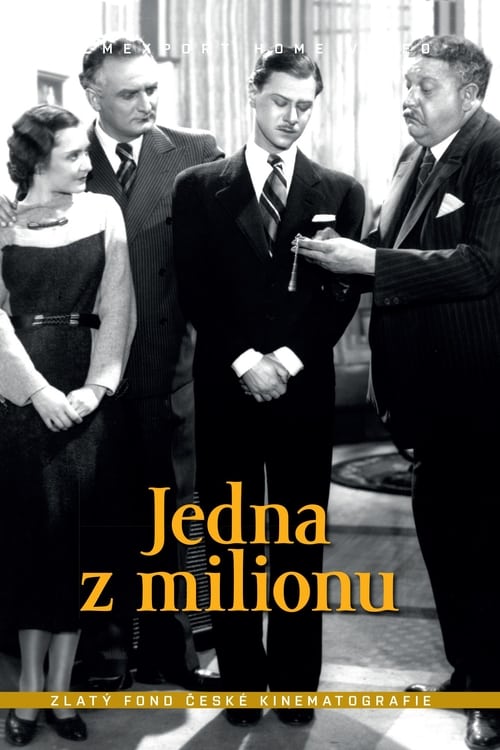
A fortune teller predicts that Dr. Přelouč will marry the third poor girl he meets. Míla, the daughter of factory owner Janota, likes the doctor and, with the help of his housekeeper Amálka, sneaks into his home disguised as a poor shoelace saleswoman. She first prepares for her role by exploring the outskirts, where she meets Vendelín Pleticha, who becomes her guide to the local pubs and her teacher of the vernacular. Dr. Přelouč is enthusiastic about the poor, uneducated girl and tries to teach her the basics of social behavior and standard language. All this until he discovers that Míla has deceived him and that Pleticha is not her father, as she had claimed...
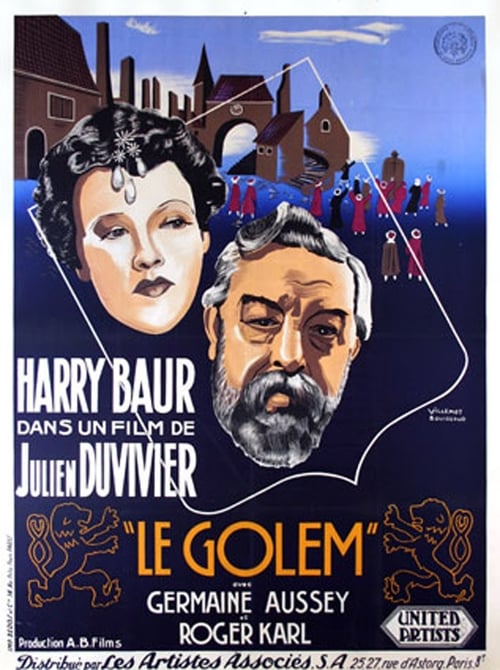
The Golem, a giant creature created out of clay by a rabbi, comes to life in a time of trouble to protect the Jews of Prague from persecution.
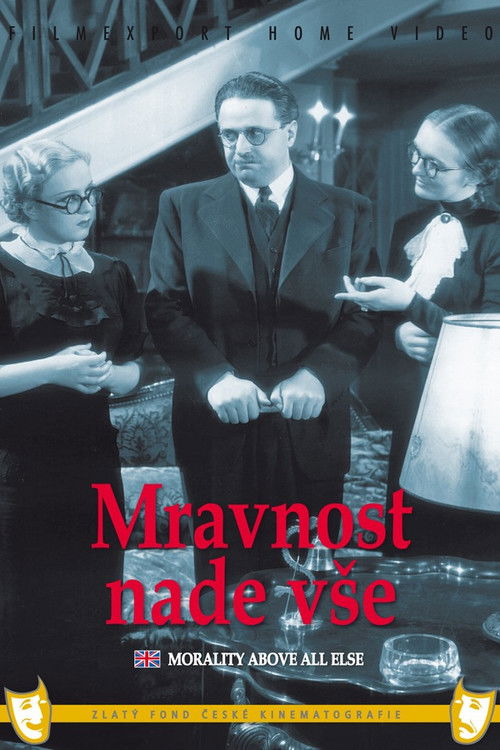
Professor Karas is widely known as enthusiastic propagator of the motto "Morality Above All Else". He guides his students as well as his own family to live a morally decent life. One day he has an unexpected visit. It's his illegitimate daughter Vera, who is proof of his thoughtless youth. Mr. Karas know that she can ruin his image, thus he decides to keep her a secret and asks her to leave. Instead of leaving she takes a position of a governess in his own family without letting him know. Mr. Karas realizes that he must reveal the truth sooner or later, but he doesn't have enough courage to do so. As he postpones it, he is more and more scared to come to his own home.
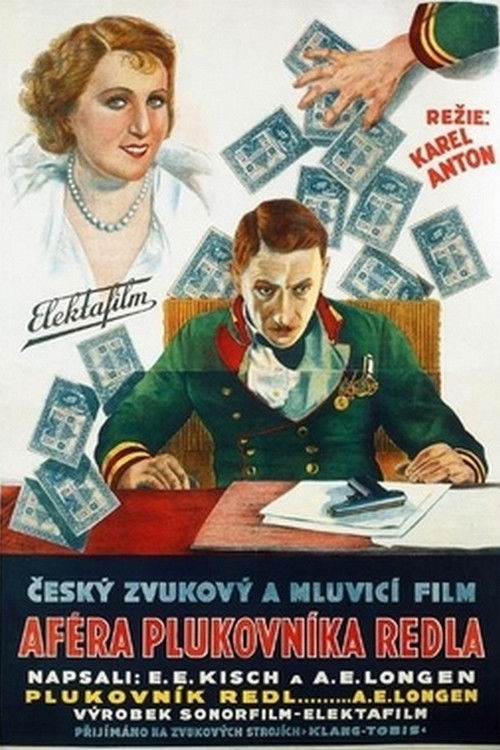
The case of Colonel Redl -- an officer blackmailed into spying by virtue of his homosexuality. Alternate-language version of "Der Fall des Generalstabs-Oberst Redl" (1931)
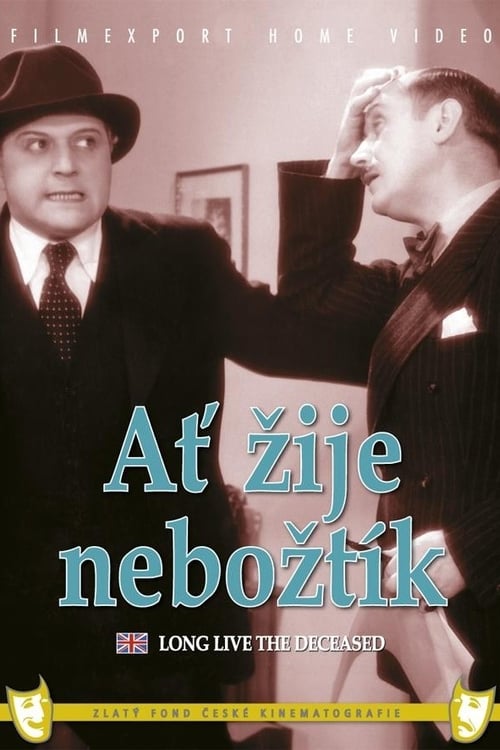
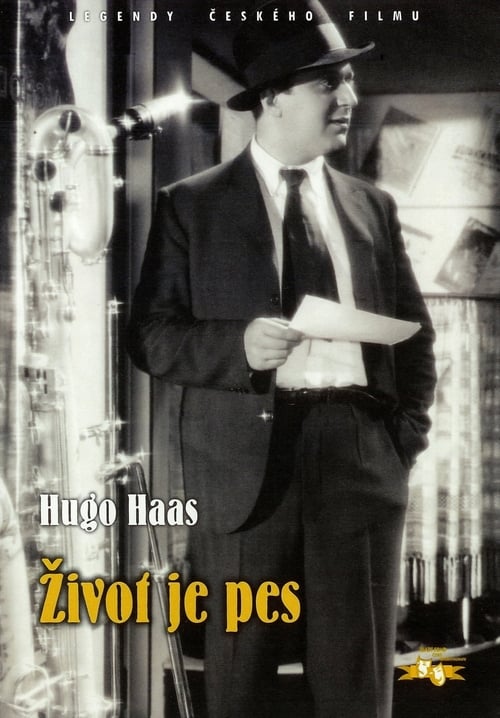
Wealthy and ill Petr Kornel (Karel Hasler) is not pleased with the carousing lifestyle of his nephew. He stops supporting him financially and demands that he change his name. Out of gratitude Kornel bequeaths a substantial sum of money to his nurse Alice (Adina Mandlová) with the condition that she marries. Petr Suk (Hugo Haas), as the nephew is now named, visits the doctor. In the waiting room his X-ray is mistakenly switched with one of another patient's. On the basis of this he presently learns that he is seriously ill and has only one day of life left to him.
Young music composer Viktor Honzl in vain looks for work. He is prevented from committing suicide by a technician of the gasworks who shortly beforehand has disconnected his gas due to past due bills. In the disguise of an older, serious, musical scholar Viktor obtains work in a music publishing house.
Film about famous poet Karel Hynek Mácha
One of the few European films of the 30s to criticize the Nazis, even if they couldn't be directly named due to censorship: Gangsters with gray hats stir up trouble in what is obviously the Sudetenland.
The war drama The Horse Patrol is an adaptation of the play of the same name by writer and military doctor František Langer. It takes place in 1919 in Russia and depicts the conflict between members of the Czechoslovak legions and Soviet agitators who are trying to forcibly integrate the legionnaires into the Red Army. Members of the legionnaire's horse patrol, led by sergeant František Matějka (Z. Štěpánek), befriend the inhabitants of a Russian village, but after a cunning attack they find themselves isolated in a lonely building. They are holding two Russian prisoners, while two of their soldiers have set out to report to their superiors. The horse patrol then loses its horse due to betrayal and must prepare for an unequal battle during a major Red Army attack...
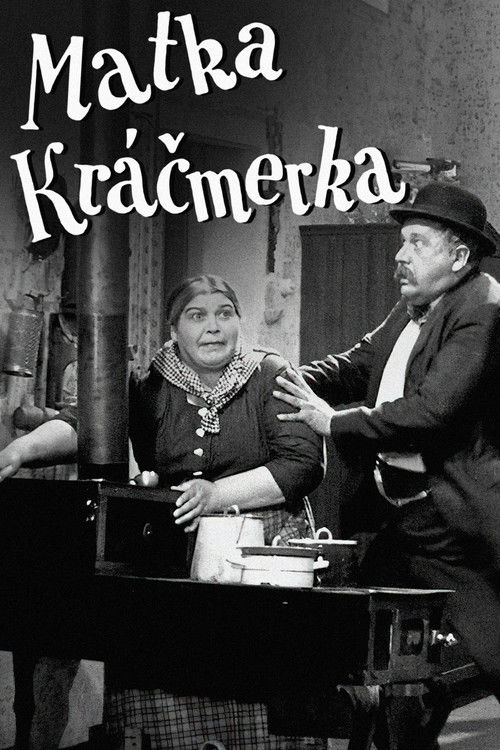
The Kráčmer couple work diligently in the vegetable garden. They are saving for a dowry for their only daughter, Betynce, who is in a serious relationship with the doctor Zdeborský. Inspired by a newspaper report, they decide to buy Kráčmer a lottery ticket. Kráčmerka brings it home crying because she feels like she has thrown away all her possessions. After a sleepless night, she goes to the store to return the ticket. However, it is too late, the draw has already been made...
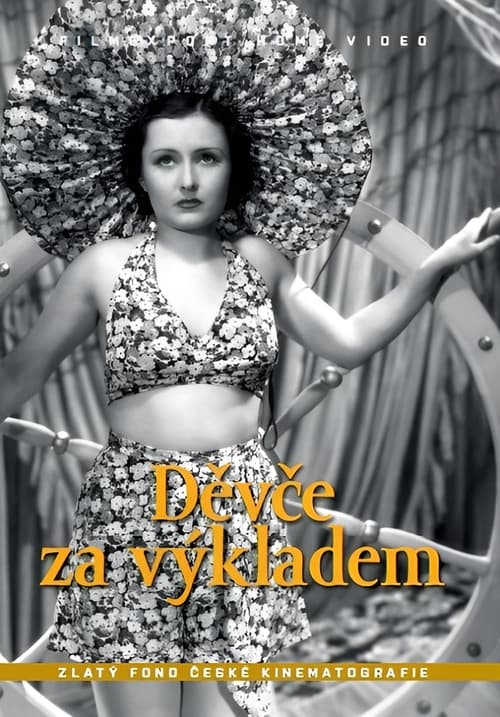
Věra Kalinová lives a life of luxury with her uncle, a factory owner. Having just won a literary contest, she receives an offer to work for the social affairs column of a magazine. The aspiring writer takes her future editorial role very seriously—she wants to experience "real life" first. Telling her family she is heading to the mountains, she disguises herself as a poor girl and visits an employment agency.
The cooper's daughter, Zsuzsi, is being wooed by Peter. Her father doesn't want to hear a word of it, as Peter drinks heavily. Before God, Peter vows never to drink again, and thus wins the hand of Zsuzsi. Peter becomes a hard-working man, earning the envy of the whole village. A conspiracy ensues-- the men get him drunk, and soon, Peter's life spirals out of control.