Camera
Dziga Vertov-directed Soviet newsreel covering: Up the Eiffel Tower in Paris / Moscow / Auto race Petrograd – Moscow / Aspects of everyday Soviet life / Peasant from Jaroslavl' visiting Moscow / Ceremonial introduction of a newborn into a workers' collective
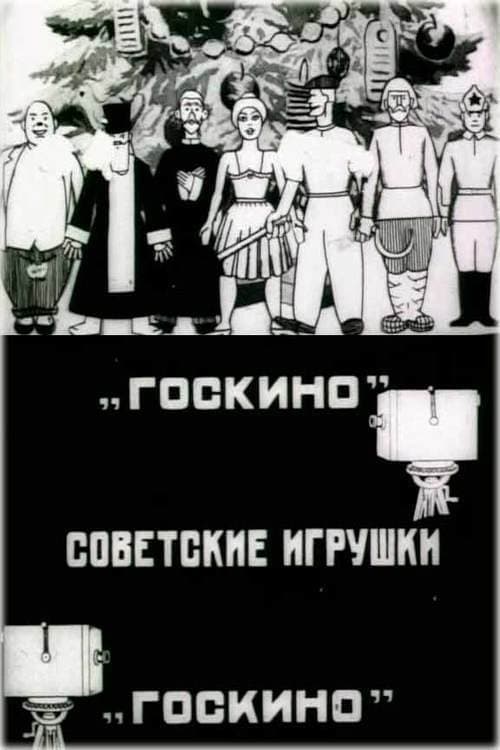
The first animated movie made in the Soviet Union, it portrays a bloated caricature of a Capitalist devouring a massive heap of food and drink.
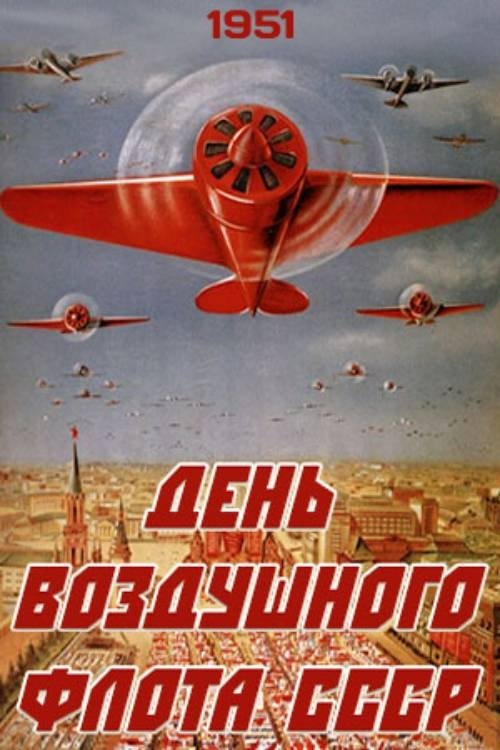
The film tells about the aviation holiday in Tushino on July 8, 1951.
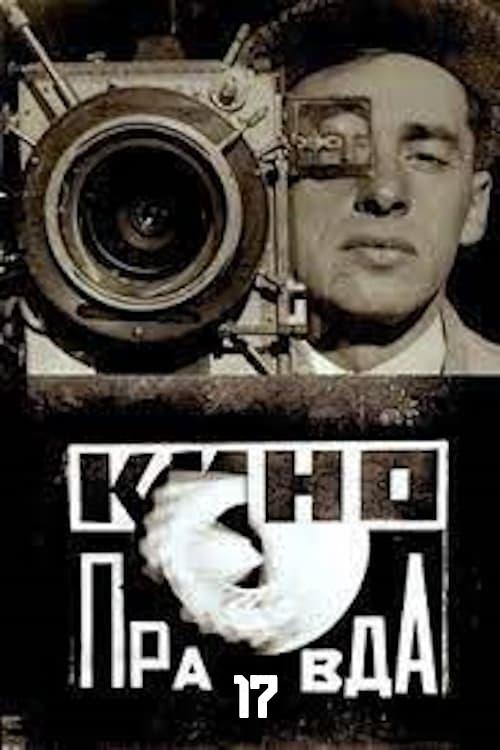
Dziga Vertov-directed Soviet newsreel covering: Against war / Against Gods / Education / Agitation / Sports and gymnastics / Danger of war.
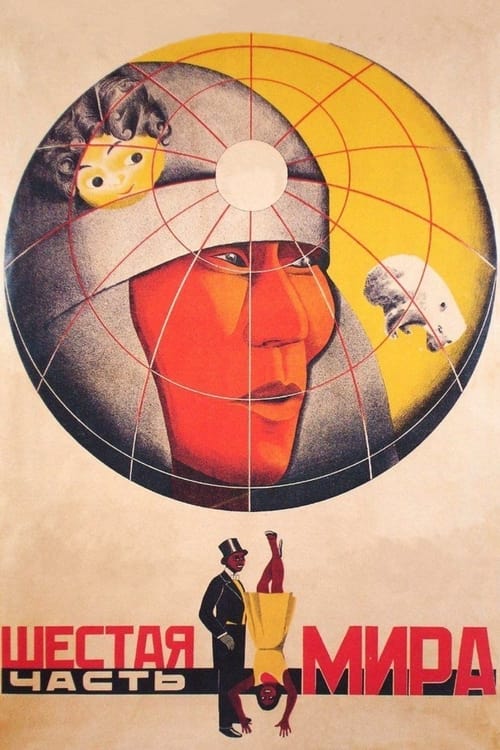
Through the travelogue format, it depicts the multitude of Soviet peoples in remote areas of USSR and details the entirety of the wealth of the Soviet land. Focusing on cultural and economic diversity, the film is in fact a call for unification in order to build a "complete socialist society".
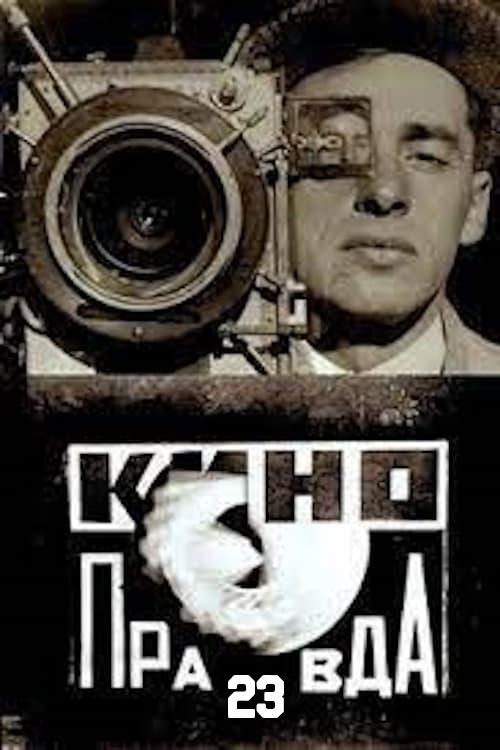
Dziga Vertov-directed Soviet newsreel covering: A bet is placed on the outcome of the Trial of the Socialist Revolutionaries / The verdict / People in streetcars and on the street / A crashed aircraft / Reconstruction of streetcar line 13 / Peacetime use of tanks – airport construction work.
Commissioned by the Moscow Soviet as a documentary and information film for the citizens of Moscow prior to municipal elections, film is a tableau of Soviet life and achievements in the period of reconstruction following the Civil War of 1917-1921.
Dziga Vertov-directed Soviet newsreel covering: First anniversary of Lenin's death / Smycka of the city and the village: group of peasants visit Moscow / Lenin's effect on peasants and oppressed nations
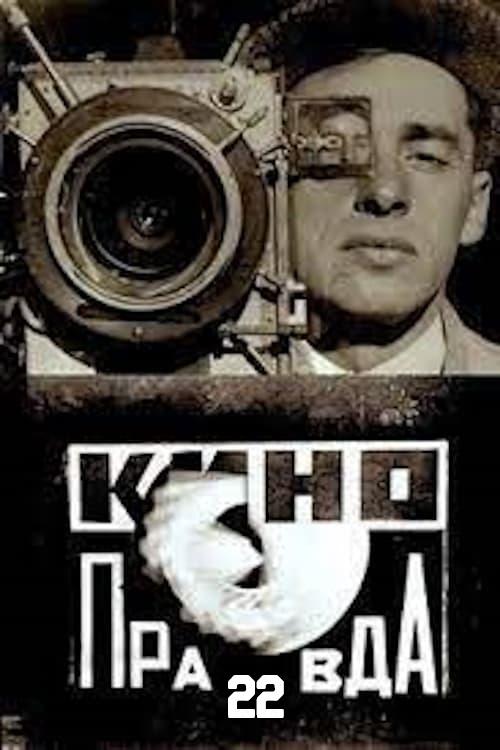
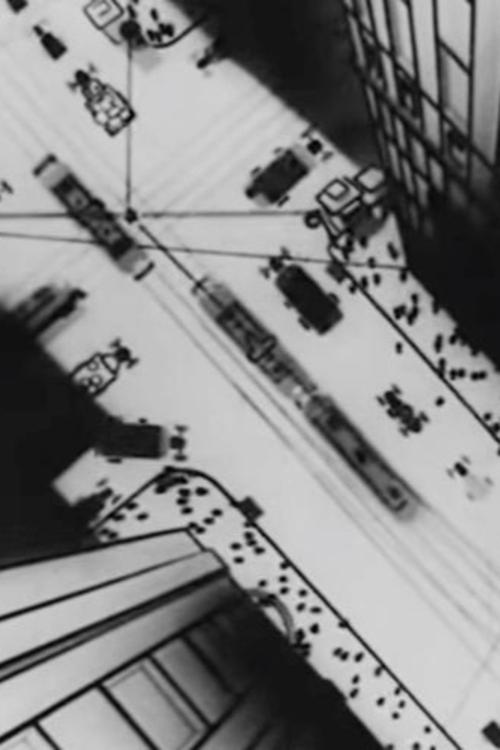
Dziga Vertov-directed Soviet newsreel covering: A peasant buys a receiver at the radio shop / Instructions to attach an antenna / A broadcast-station is developed / A concert is broadcast. Though only a third of this final issue of Kino-Pravda seems to survive, there still exists Aleksandr Bushkin’s time-lapse animation and the sequence in which, as Yuri Tsivian describes, “a cross-section of a photographically correct izba (Russian peasant’s log hut) is penetrated by schematically charted radio waves”—a testament to the magical properties and propagandistic uses of radio in reaching out to Russia’s distant peasantry.
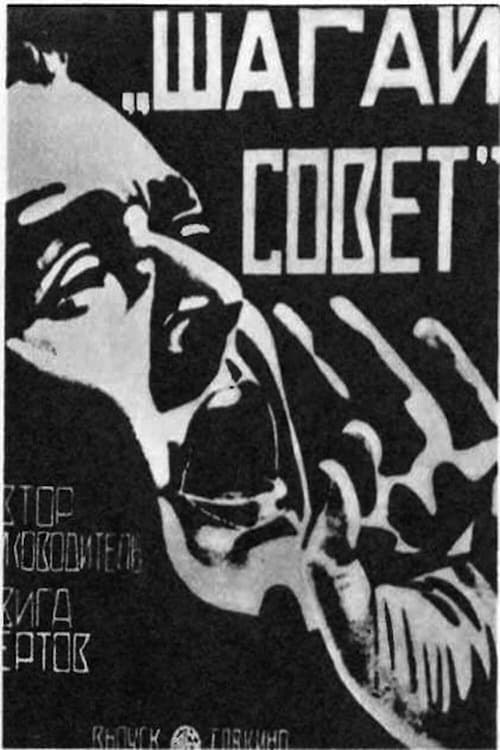
The film is about the life and work of Grigory Ordzhonikidze Konstantinoviche, an important personality in both the Communist Party and the Soviet state. The film includes speeches by his bereaved friends who attended his funeral. In 1937, after the unexpected death of Sergo Ordzhonikidze, Vertov received an urgent order from the government to produce a film about the life of Ordzhonikidze. He was ordered to work together with Yakov Bliohom and the director of the film "Battleship Potemkin" distributed by Goskino (Soviet State Committee for Cinematography).
Dziga Vertov-directed Soviet newsreel covering: Hunger and harvest / Alliance between city and country / Agricultural and home industries exhibition: To the exhibition, construction work and preparations, exhibits, map of the exhibition, visitors
No description available.
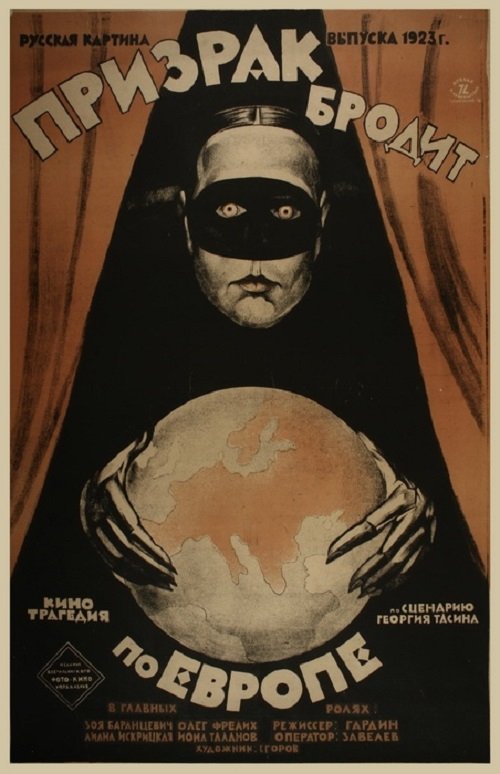
Set in an imaginary land where the threat of revolution spurs the Emperor to seek exile in one of the most distant parts of his realm. There he meets Elka, the daughter of a revolutionary who has been banished here due to his confrontational activities. The two fall in love but meet a violent end when the revolutionaries, led by Elka's father, destroy the palace.
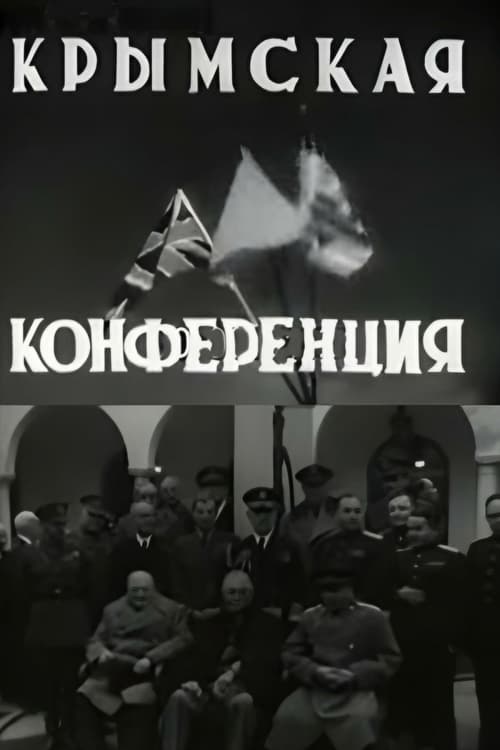
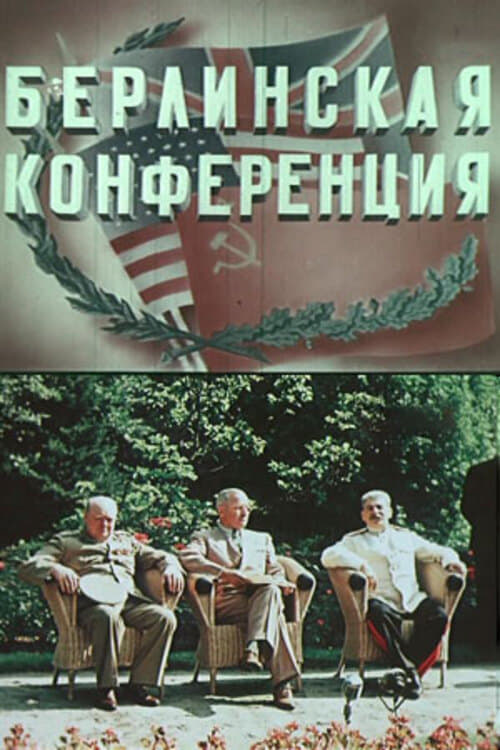
The Crimean (Yalta) conference of the leaders of the three powers - allies in the Anti-Hitler coalition was held from February 4 to February 11, 1945 in the Livadia Palace near Yalta.
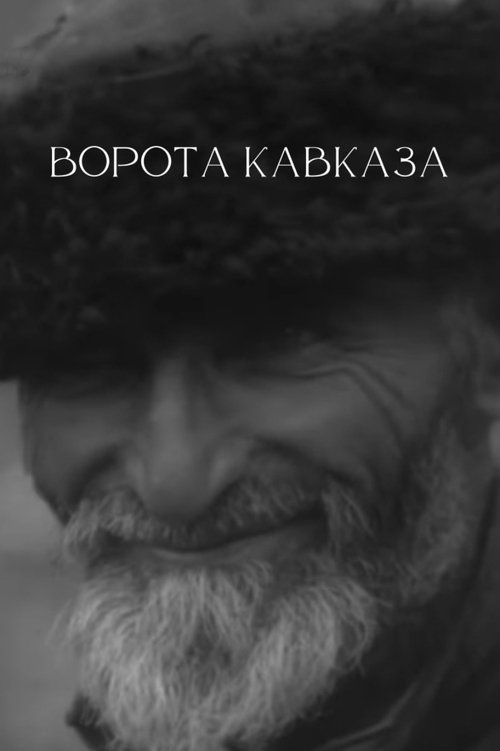
Short documentary about the Georgian Military Road. Captures Ingush and Ossetian settlements of the early 20th century
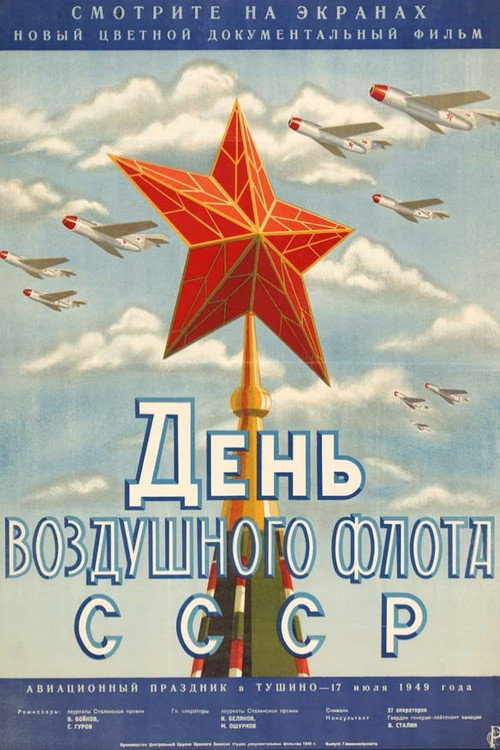
Aviation holiday in Tushino - July 17, 1949.
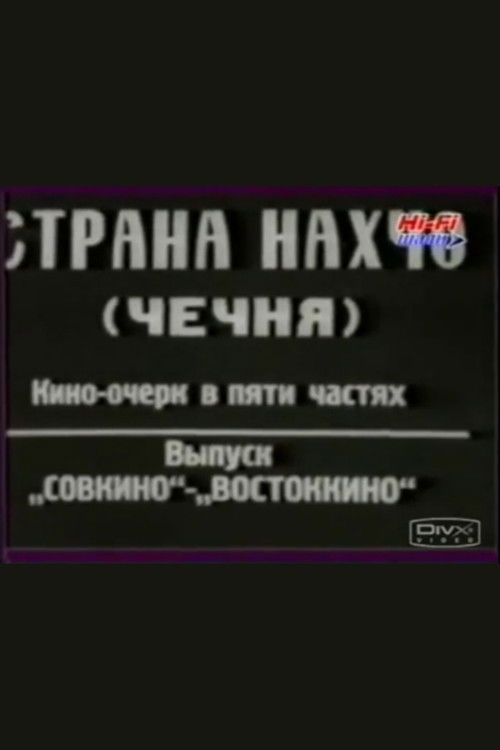
The film, shot by the Sovkino group during the 1929 scientific-cinematic expedition to the Caucasus, focuses on the traditions of the Chechen ethnic community, as well as their transformation under socialism.