Robert Gardner
Directing
Biography
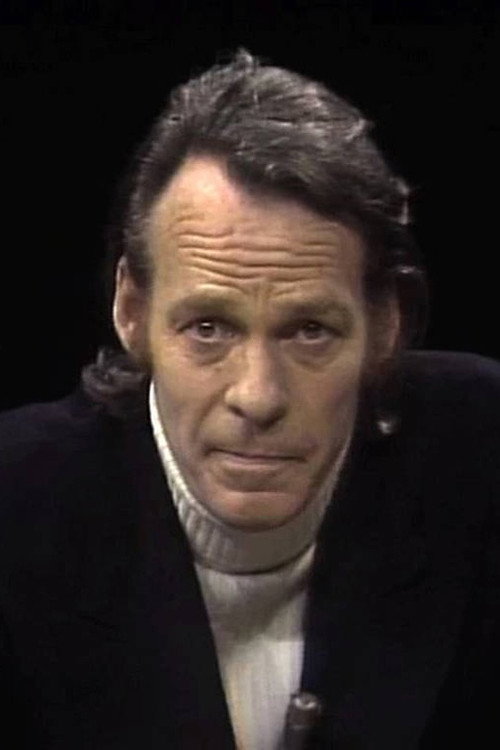
Robert Gardner was the Director of the Film Study Center at Harvard University from 1957 to 1997. He is known for his work in the field of non-fiction film. He is an internationally renowned filmmaker and author whose works have entered the permanent canon of non-fiction filmmaking. Some of his most prominent films include Dead Birds (1964), a lyric account of the Dugum Dani, a Stone Age society at one time living an isolated existence in the Highlands of the former Netherlands New Guinea (Gardner was the leader of the Peabody Museum-sponsored expedition to study the Dani in 1961-62); Rivers of Sand (1974), a social commentary on the Hamar people of southwestern Ethiopia; and Forest of Bliss (1985), a cinematic essay on the ancient city of Benares, India, which explores the ceremonies, rituals, and industries associated with death and regeneration. Gardner’s films have received numerous awards, including the Robert J. Flaherty Award for best nonfiction film (twice); the Golden Lion for Best Film at the Florence Film Festival (three times); and First Prizes at the Trento, USA Dallas, Melbourne, Nuoro, EarthWatch, Athens, and San Francisco film festivals. His films have been invited to Festivals throughout the world including Jerusalem, Bergen, London, Munich, Toronto, Montreal, Margaret Mead, Marseilles, Locarno, Chicago and Cinema du Réel.
Known For

Independent filmmakers are given a chance to show and discuss their work on a commercial (ABC-TV) affiliate station.
Screening Room

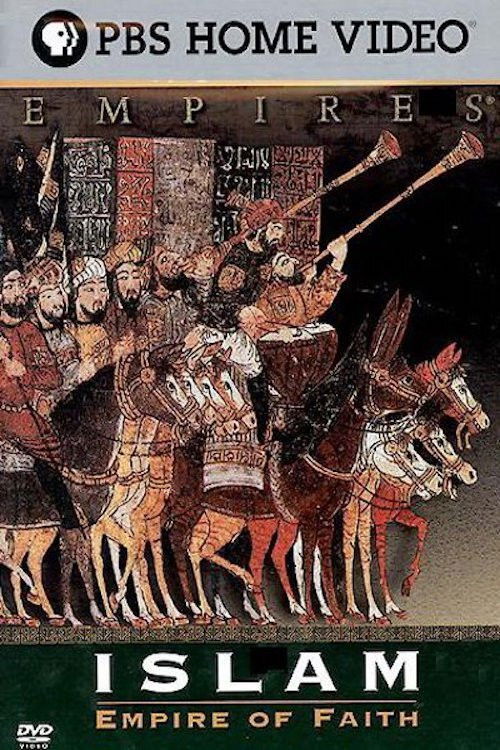
Between the fall of Rome and the European voyages of discovery, no event was more significant than the rise of Islam. Within the span of a few centuries, the Islamic empires blossomed, projecting their power from Africa to the East Indies, and from Spain to India. Inspired by the words of a prophet, and led by Caliphs and Sultans, this political and religious expansion has not been equaled in speed, geographic size, and endurance before or since.
Islam: Empire of Faith

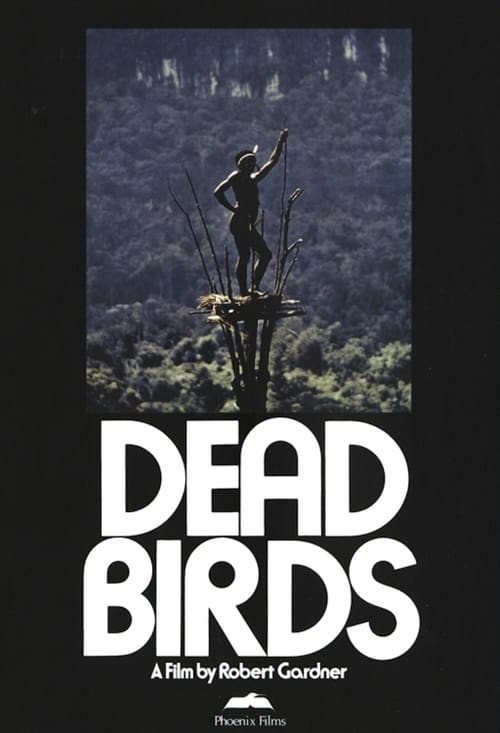
An ethnographic documentary documenting the ritual warfare cycle, social life, and belief systems of the Dani people of the Baliem Valley in western New Guinea.
Dead Birds

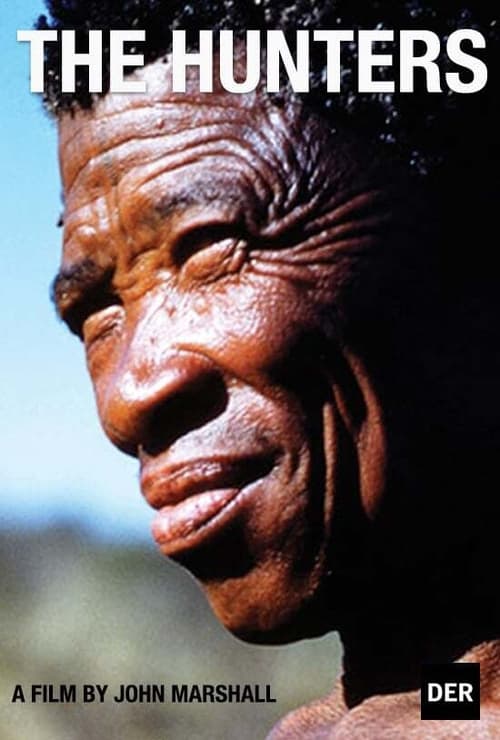
An ethnographic documentary following four Ju/’hoansi (!Kung) men during a multi-day giraffe hunt in the Kalahari Desert, filmed during the Smithsonian–Harvard Peabody expedition of 1952–53.
The Hunters

Fulton made the film during his brief time at Harvard, where he had been invited to teach by Robert Gardner, his friend and collaborator (Fulton would later serve as a cinematographer on Gardner’s 1981 documentary Deep Hearts, among others). Reality’s Invisible could be described as a portrait of the Carpenter Center, yet it is a portrait of an extremely idiosyncratic and distinctive sort. Fulton moves us through the concrete space of the Center’s Le Corbusier-designed building—the only structure by the architect in North America—but, more centrally, presents us footage of students making and discussing their work alongside figures like Gardner, theorist Rudolf Arnheim, artist Stan Vanderbeek, filmmaker Stan Brakhage, and graphic designer Toshi Katayama.
Reality's Invisible

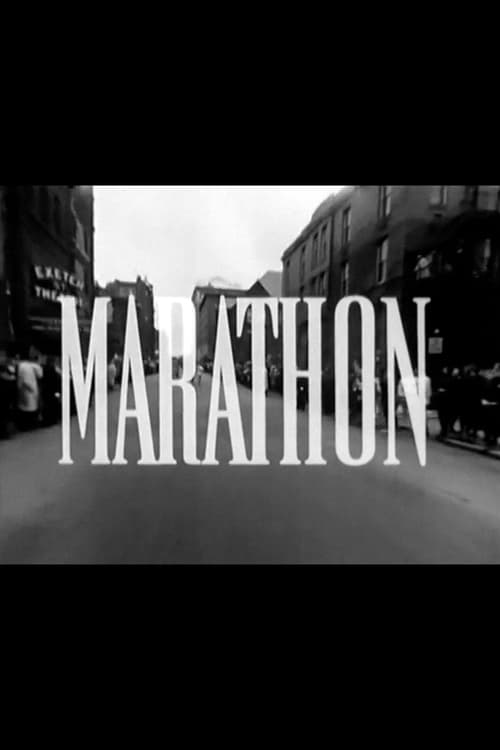
Started as a class project in what was likely the first filmmaking course ever taught at Harvard, Marathon documents the running of the 1964 Boston Marathon.
Marathon

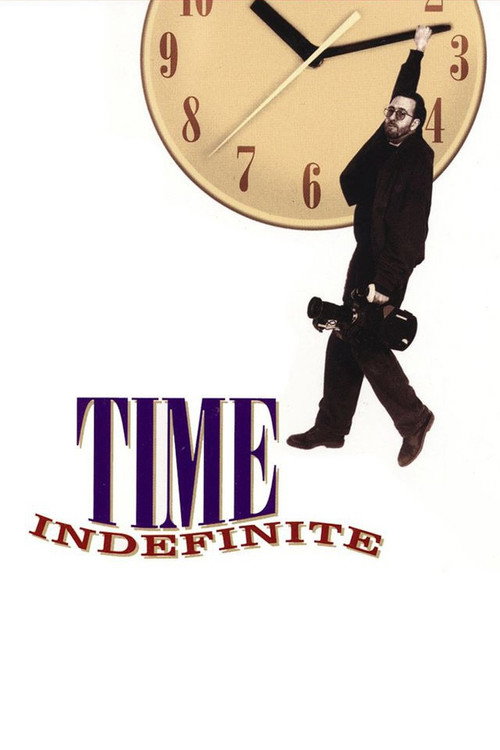
After documentarian Ross McElwee gets married, a series of misfortunes follow: his grandmother dies, his wife miscarries, and then his father dies less than a week later. Shaken by the sudden string of deaths, McElwee becomes depressed. After spending time with his friend and former high school poetry teacher, Charlene, he goes to meet his brother, a doctor. In a series of interviews, McElwee contemplates his morbid preoccupation with death and tries to figure out how to shake it off.
Time Indefinite

Constructed from the audio archive of the 1961 Harvard Peabody Expedition to Netherlands New Guinea: In the encounter with the Hubula people, this work reflects a parallaxing image of the histories of field recording, ethnographic film, and colonialism.
Expedition Content

While active in the programming of ABC affiliate Channel 5 in Boston, Gardner was permitted to make a few short one-minute vignettes illustrating the working lives of relatively ordinary people. These vignettes were meant to be used by the TV station as ‘non commercials’ or unexpected looks at ordinary lives.
Farmer

In 1980, Jack Shae and Allen Moore, two ethnographic filmmakers from Harvard University, moved their families to the island of Berneray in the Outer Hebrides. Over the course of 18 months they documented the everyday lives and struggles of the crofters they lived among, whom were even then a vanishing breed. The film is in English and Gaelic. This carefully observed documentary by filmmakers Jack Shae and Allen Moore is a poetic ethnographic film in the style of their mentor, Robert Gardner (“Dead Birds”). It follows the rhythm of life on a wind-swept island in the Outer Hebrides through the four seasons and in the filmmakers’ observation of the day-to-day struggles of a vanishing society we see the deep-time legacy of their kind. The film is in English and Gaelic.
The Shepherds of Berneray

Director Robert Gardner and legendary filmmaker Stan Brakhage share an in-depth viewing of Gardner's ethnographic masterwork, Forest of Bliss. The film is shown in its entirety, with Gardner occasionally pausing to elucidate, and Brakhage brilliantly observing tonality, poetic imagery, life, death, the unconscious, and, well, just being damned insightful. - dred
Looking at Forest of Bliss

Exploration of the way of life of the Q’eros Indians of Peru, who have lived in the Andes for more than 3,000 years.
Q'eros: The Shape of Survival

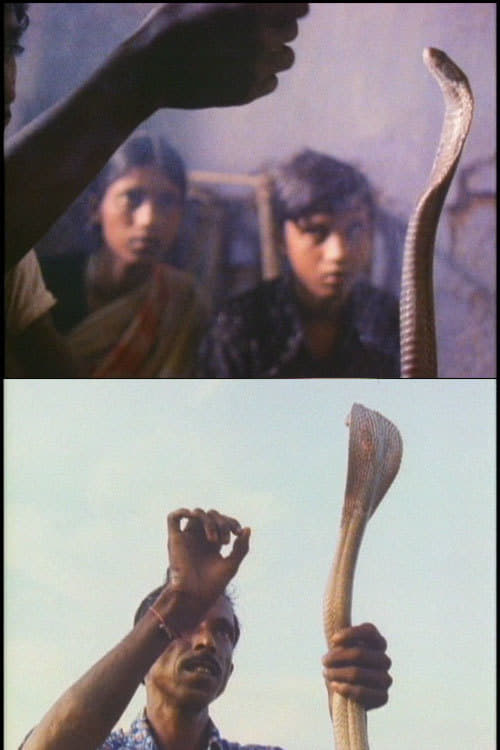
Forest of Bliss is an unsparing yet redemptive account of the inevitable griefs, religious passions and frequent happinesses that punctuate daily life in Benares, India's most holy city. The film unfolds from one sunrise to the next without commentary, subtitles or dialogue. It is an attempt to give the viewer a wholly authentic, though greatly magnified and concentrated, sense of participation in the experiences examined by the film.
Forest of Bliss

This film was produced to make the life of science more appealing to school children in America. It was intended to tell the story of purpose and even drama that scientists experienced in the world of experimental physics. The film recounts the long and complicated life cycle of a high energy physics experiment.
People and Particles

Testigos is a small painting done when Gardner and Scully worked together in Barcelona. The title, which means 'witnesses,' is the name of a small island in the Caribbean. Testigos, and at least one other painting, was made on the days that the larger canvas Passenger was drying.
Sean Scully: Testigos AKA The Witnesses

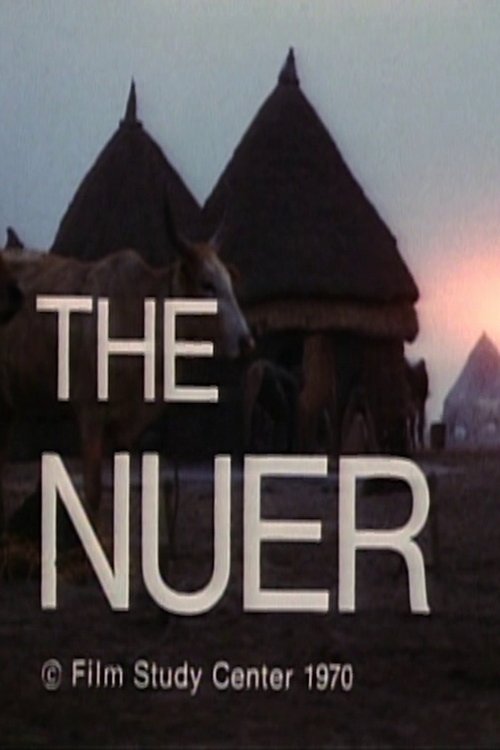
Portrays the Nuer, Nilotic herdsmen of the Nile basin. Shows how their daily lives revolve about their cattle, and depicts the psychological bonds between them. Includes extensive use of Nuer music and poetry.
The Nuer

Kwakiutl, Kwakwaka'Wakw, potlatches. British Columbia tribe as a civilization in decline as assimilation has almost obliterated native culture. Fort Rupert, Britsh Columbia Canada
Fort Rupert

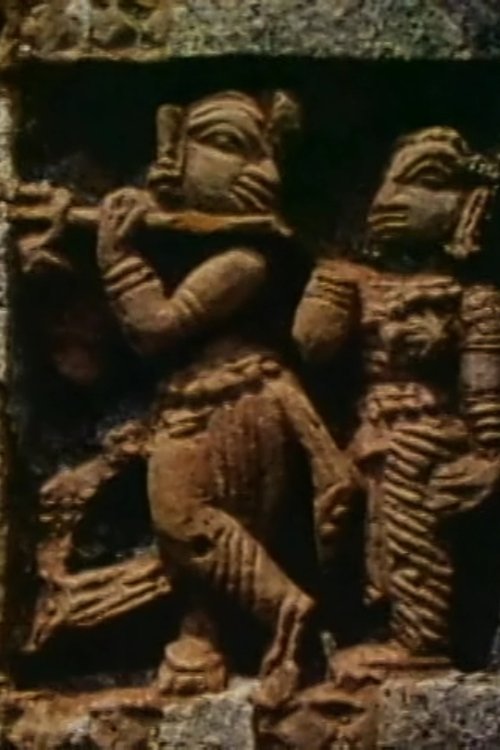
Loving Krishna is about the worship of Krishna and the meaning of devotion. It explores the rural and urban character of the town of Vishnapur in West Bengal by examining the royal past, everyday life, work in traditional arts and crafts, bazaar exchange, and sacred rituals and festivals. Public and private devotional life is represented by detailed visual narratives of the Chariot Journey of Krishna, celebrated by the whole town, and the Birthday Festival commemorated on a much smaller scale of intimate family worship.
Loving Krishna

Short film photographed by Robert Gardner
Anthem

An unfinished examination of life by Robert Gardner