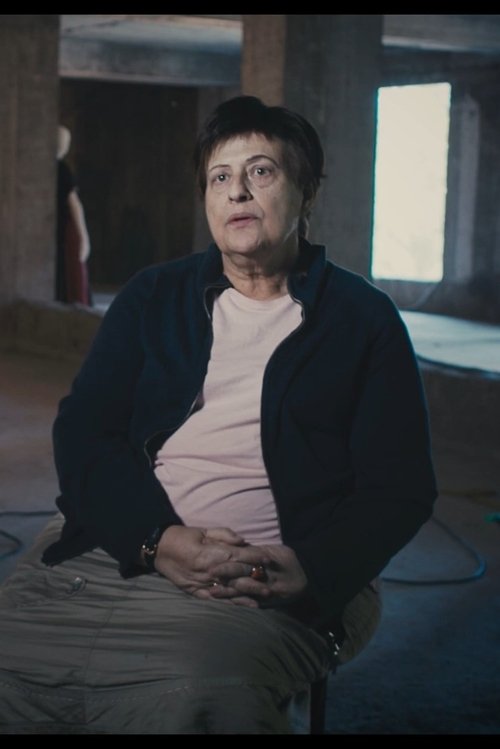
Ioulia Stavridou
Costume & Make-Up
Biography
Iοulia Stavridou was born and raised in Serres. She studied painting, scenography and costume design at the École National Superieure des Beaux Arts and the Conservatoire du Theater in Paris. She created the sets and costumes for many important films in collaboration with great directors, such as Pantelis Voulgaris ("Petrina Chronia", "The jersey with No. 9", "Acropolis", "Everything is a road"), Lakis Papastathis ( "Theofilos"), Thodoros Angelopoulos "The meadow that tears", Tasos Psarras ("The other side", "The numbered", "The dust that falls"), Yiannis Economidis ("The soul in the mouth", " Knife Remover"), Katerina Evangelakou ("Jaguaros", "You will regret it", "Hours of Common Silence"), G. Bakolas ("To Hani"), A. Antoniou "Eduard". At the same time, she designed sets and costumes in many television productions, such as: "Karyotakis" by T. Psarras (costumes), "Kon. Karamanlis" by G. Malouchos, "Spatial waters" by G. Diamantopoulos (costumes), "Lost spring" Chr. Christofis (costumes). Her path in the Greek theater was also long and important. She collaborated, among others, with Jules Dassin, Vassilis Papavasiliou, Spyros Vrahoritis, Andreas Staikos, etc. Her last works in the cinema were the sets for the film by Yiannis Economides, "The Ballad of the Hole in the Heart" and the costumes for "Happiness" by Angelos Frantzis, for which she won last April the Iris Award of the Hellenic Cinema Academy, the latest in a string of accolades. She was an Emeritus Professor at the Film Department of the School of Fine Arts of AUTH, where she taught scenography since 2005.
Known For
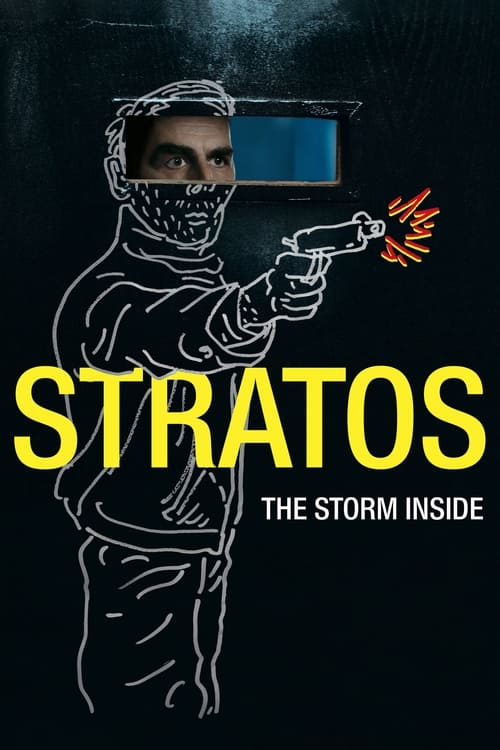
At age 19, Stratos committed a crime of passion. He spent half his life in prison, where underground boss Leonidas took him under his wing. One day during a rival gang attack, Leonidas saved his life. Stratos never forgot this. A free man now, Stratos works the night shift at a bakery workshop, a far cry from the killing contracts he executes by day. He gives away all his money to spring Leonidas out of prison, funding an escape plan managed by Leo’s brother, Yorgos. The fulfillment of his debt is the only thing that matters to Stratos, everything else is indifferent and he lives detached, surrounded by ghosts and fallacies. The day of the escape, the most important day of his life, is near…
Stratos

The story follows a family of refugees from the early twentieth century through to the Civil War. Through movements, separations, and reunions, personal lives intersect with Greece’s major historical transformations. Space and time are in constant flux, while the characters remain trapped in an unending search for a homeland.
The Weeping Meadow
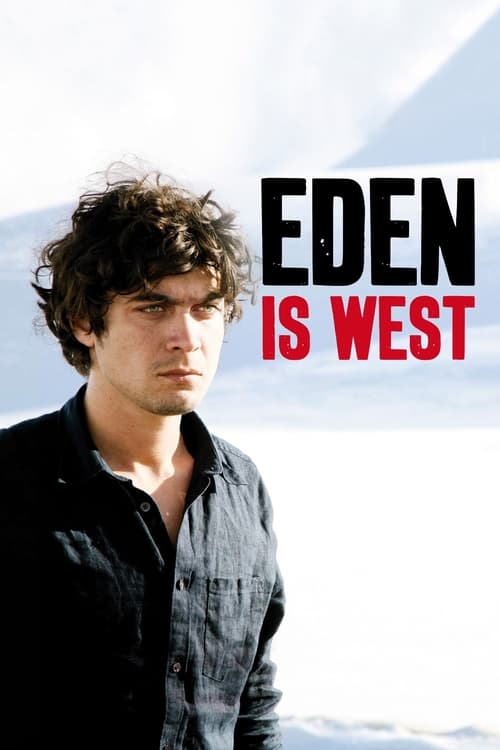
Desperate to break free from the poverty of his homeland, Elias boards a ramshackle people-smuggling trawler to France. But when the boat is raided by police, Elias leaps into the ocean, eventually finding himself washed up on a Mediterranean beach resort called Eden. So begins Elias odyssesy across Western Europe to Paris, where wondrous promise, helpful new friends and perilous dangers await him every step of the way.
Eden Is West
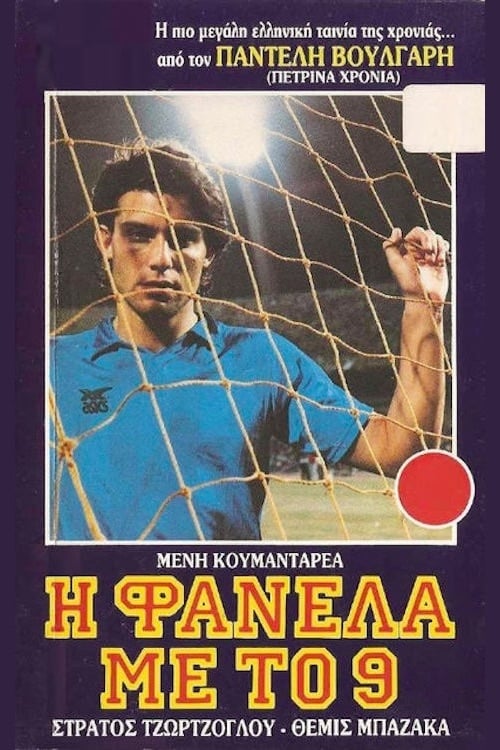
The story of a talented yet self-destructive soccer player in Greece. Based on the novel of the same name by Menis Koumandareas, the film narrates the life and works of Vassilis Seretis, a young, unknown, poor, but talented and ambitious football player, who dreams of conquering the pitches. The hero is willing to give everything and suffer whatever it takes in order to conquer the football world. With his talent as his only weapon, he tries to define his destiny, on a route from Thessaloniki, to Volos and from there to Athens. With him, we taste the mud of the fields, the loneliness of the countryside, the "sold out" matches, but also the ephemeral glow of success. Pantelis Voulgaris signs a film that left an era, as, in addition to its original directorial perspective, it outlines the phenomenon of Greek football in a poetic and at the same time realistic way.
The Striker with Number 9
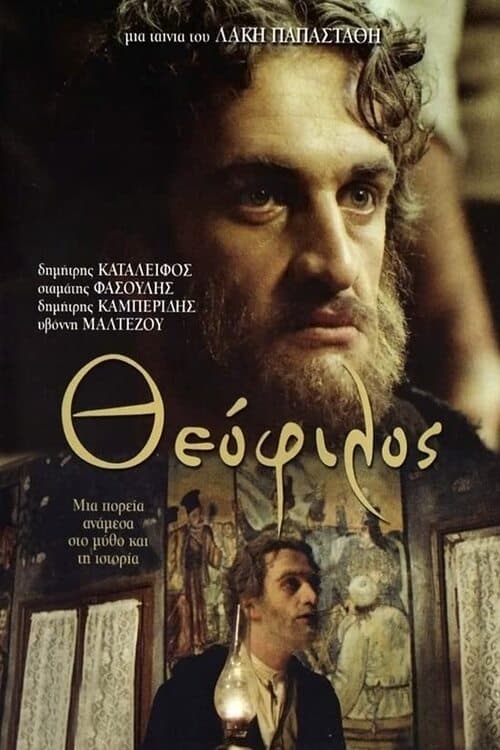
Unbeknownst to the 19th-century Greek "primitive" painter Theofilos, other painters around the world at the time were also exploring non-academic subjects, focusing on the everyday lives of ordinary persons. In the U.S., the group of painters who chose such subjects were dubbed "the Ashcan school." Though Theofilos remained unknown in his lifetime, this biographical drama explores the painter's life from his birth on the Isle of Lesbos (Lesvos) in 1868 to the time when he developed his characteristic style, following his discharge from the Greek army.
Theophilos
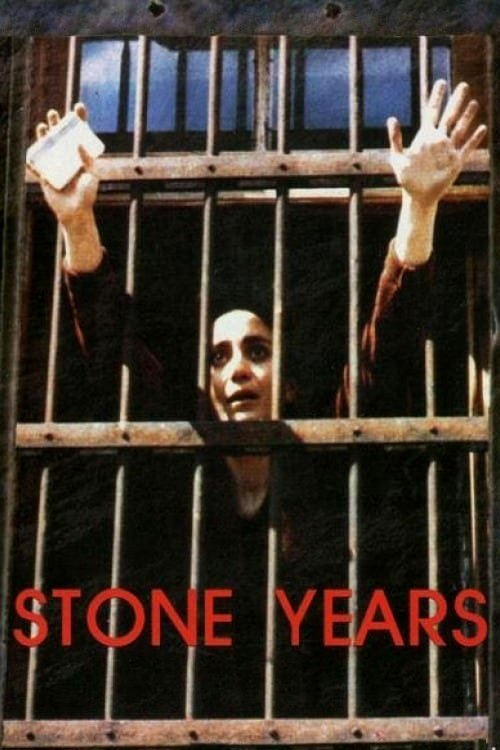
The true story of a young couple (Babis and Eleni) fighting for love and freedom. An odyssey in and out of prisons during the dark period between the Greek civil war until the end of dictatorship in 1974.
Stone Years
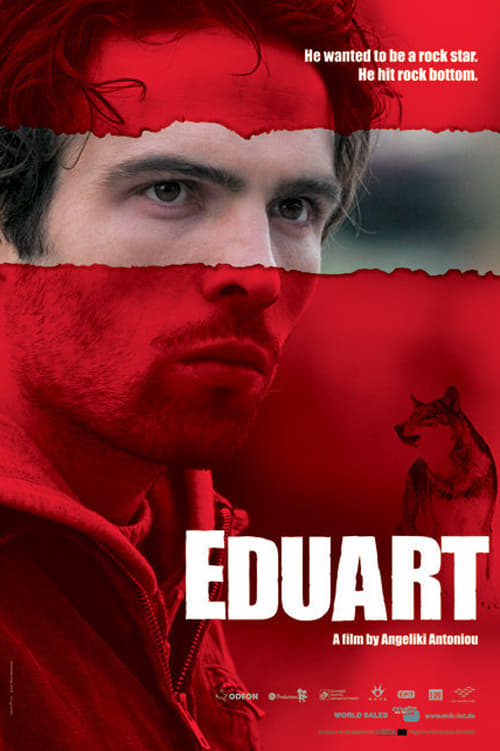
Based on true events, a young man raised in a cruel and oppressive family environment, leaves Albania with the dream of becoming a rock star and living a better life. His reckless character and his youth passions lead him to commit a murder in Athens. Chased by everyone, even by his own self, he is imprisoned under the harshest conditions. With the help of a German doctor, he learns to feel sympathy for others and guilt for his crime. His deep remorse will lead him from darkness to light.
Eduart

In a small town in Greece, when amorous passion meets with greed money, dead bodies start pilling up and "Sleeping Beauty" Olga will never know the horrors she has been spared of.
Ballad for a Pierced Heart
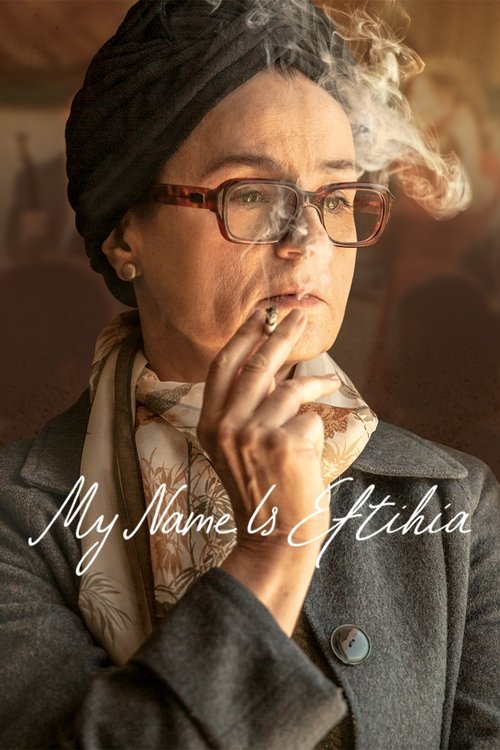
A young girl, recently married, is traveling from Aidini to Greece with her mother and her two daughters. On board the ship she decides not to let life pass her by, but to live her own way. And she goes ahead! She writes endlessly wherever she can, on napkins and cigarette boxes, to bills. She smokes, she passionately falls in love, casually gambles in luxurious salons, but also in illegal basements. A teacher who becomes an actress and plays in streets and in theaters, a poet who becomes the greatest Greek folk songwriter. She collaborates with all the famous music personalities of the country, from Vassilis Tsitsanis and Apostolos Kaldaras to Manolis Ηiotis, Antonis Repanis and Manos Hadjidakis, bravely asserting herself to a cruel and typically male-dominated world.
My Name is Eftihia
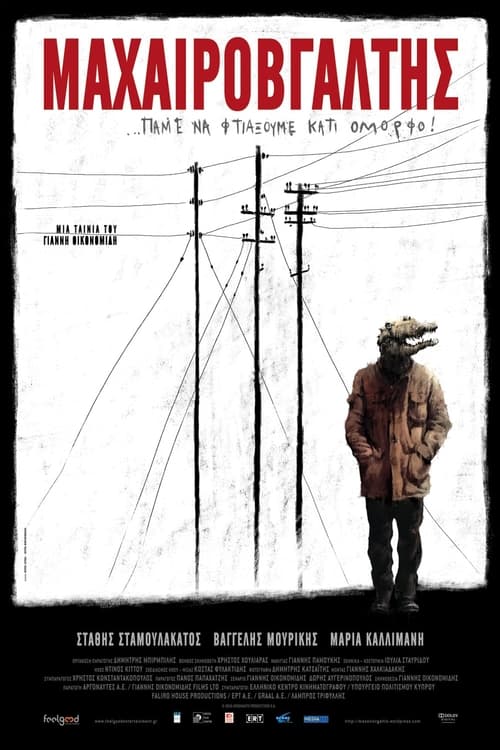
After his father death, Nikos moves from Ptolemaida to Athens. His uncle offers him food and shelter while he starts taking care of his dogs. Alone in an isolated suburb, he's wearing down into his misery routine, till the moment his relationship with his aunt changes everything.
Knifer
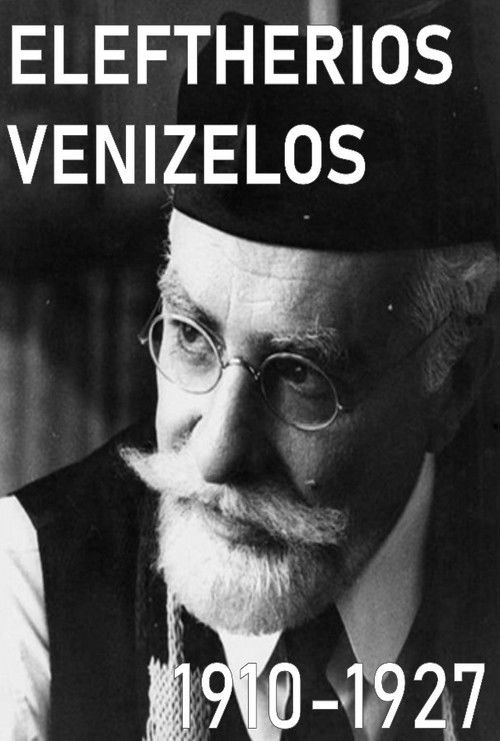
A biographical film about the great Greek politician Eleftherios Venizelos for the period between 1910-1927. The film highlights his vision of a Greater Greece and refers to important events in Greek history such as the formation of a government by Venizelos after the Goudi movement, his dispute with the King over Greece's stance in the First World War, the temporary his withdrawal from politics after his defeat in the 1920 elections and the Asia Minor disaster. A biography of the former Greek prime minister Eleftherios Venizelos and the recreation of his acts and the political and social climate in Greece from 1910 to 1927.
Eleftherios Venizelos: 1910-1927
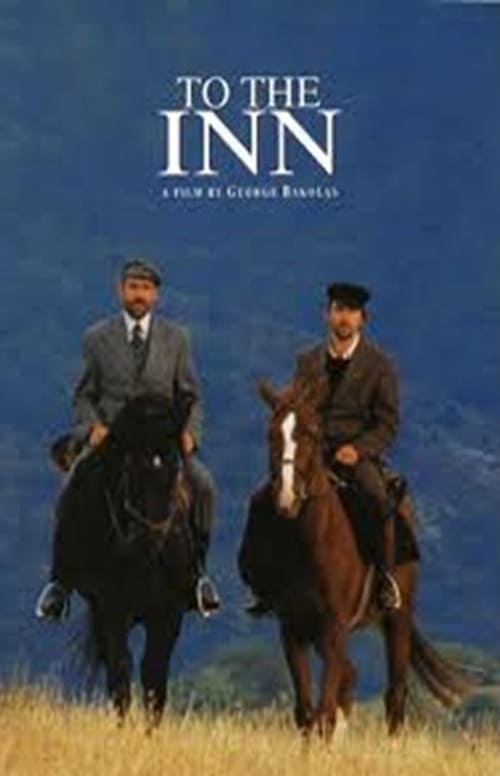
Zissos and Apostolos are two Greeks living in a city in the Ottoman East in the early 20th century. A load of pounds will throw them into wandering and adventure, and from there into their physical and mental impasse. The khan is the halfway point of the journey, in the middle of the adventure.
To the Inn
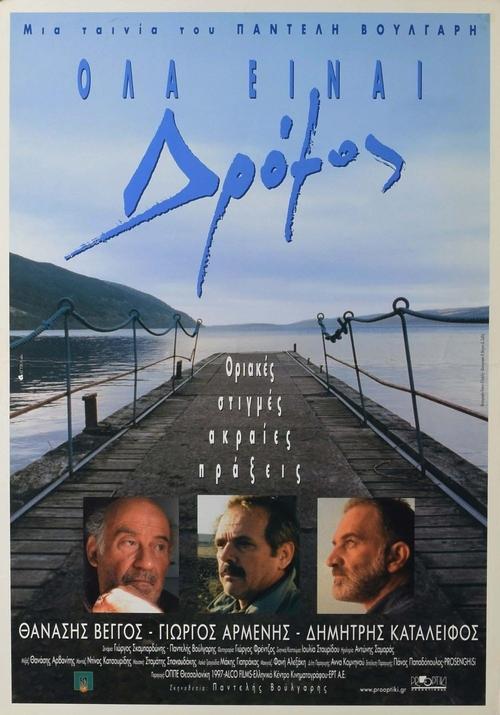
Three stories dealing with three men and their stance towards life, given their personal background. All stories are held in Northern Greece (Macedonia and Thrace), covering all the spectrum from urban to rural settings.
It's a Long Road
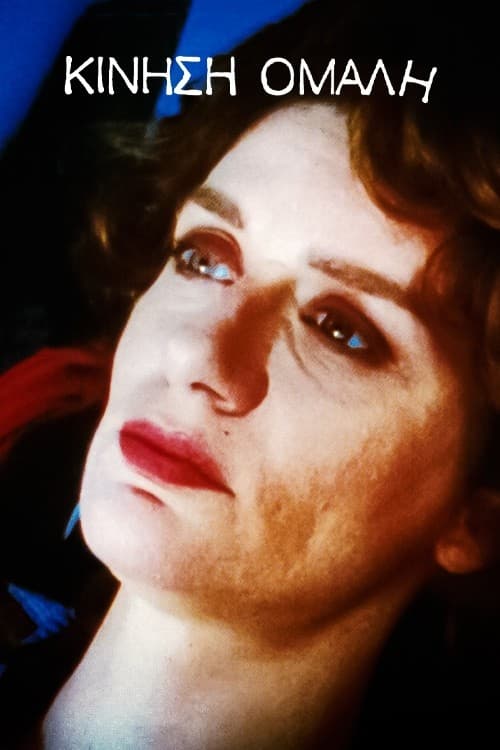
In the confined space of a typical school bus, two contrasting characters share an ordinary day on the road just before Christmas.
Traffic Flow: Normal
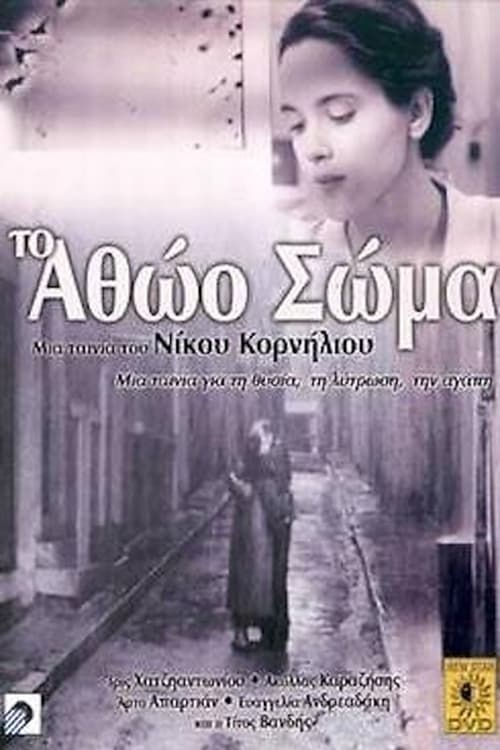
In a near-future deserted city without food or water, the few remaining inhabitants cling to memory, hope, and the anticipation of deliverance. Foteini, a lonely scientist, is drawn to an actor named Aias, who is visiting his sister in the hospital. Simultaneously, Foteini is treating an amnesiac patient, and her growing bond with him uncovers a mysterious and personal connection.
Desert Sky
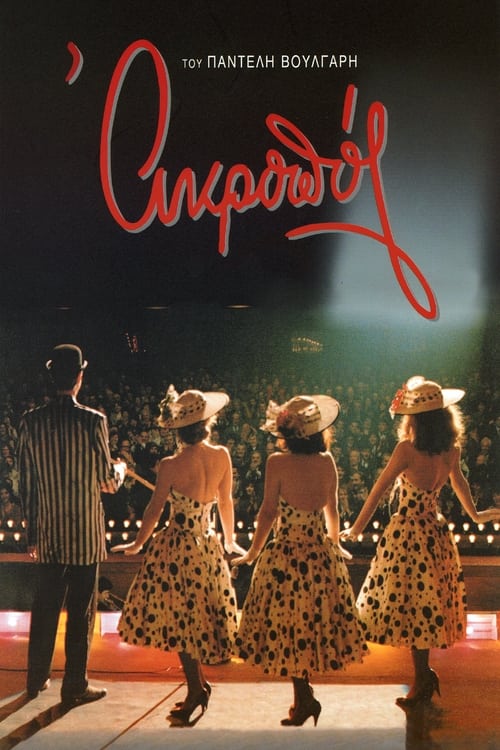
1950s Athens. Prince, a self-made impresario and the owner of the "Acropole" review theater, fires one of his leading ladies when she shows up drunk on opening night. In order to replace her, he turns to Lakis Loizos, an expert at comic female roles and an ex-wonder-child of movies, who now runs an agency for extras. At first, Lakis is surprised by the prince's proposal, but finally decides to try his luck on the stage of the legendary theater.
Acropol
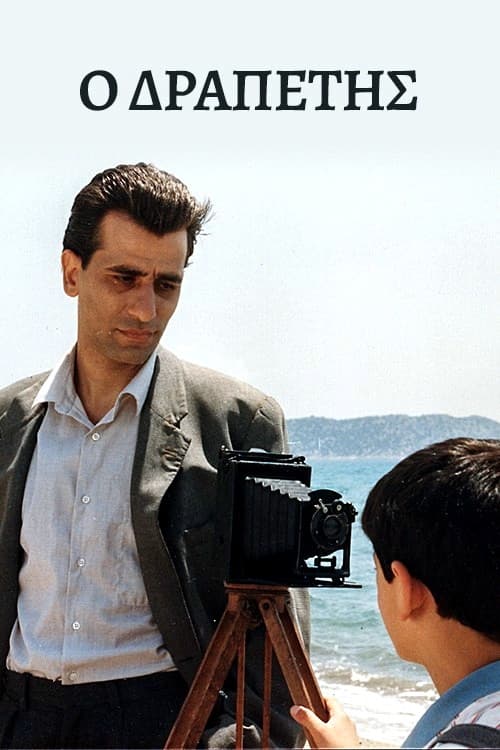
Shadow puppetry is not only part of the heritage of East Asia; Greece had its own traditional form of this popular art. In this leisurely drama, set in 1950s Athens, Antonis Barkis (Kostas Kasakos) is the master puppeteer for a traditional shadow show. However, although he is still making a living, it is clear that other forms of popular entertainment will soon supplant this one. This does not improve Antonis' temper, and his assistant's desires to modernize their entertainments only make it worse.
Master of the Shadows
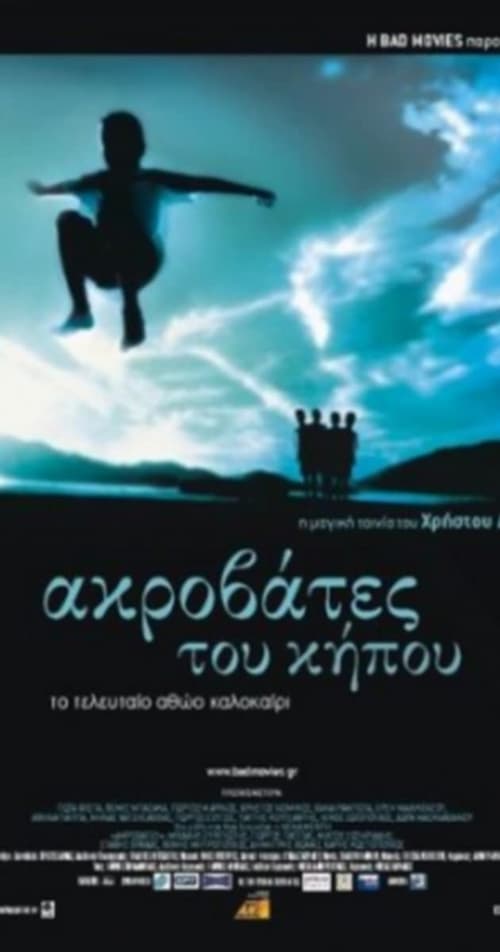
In 1974, a group of 11-year-old boys spend the last carefree summer of their childhood, unaware that the world of grown-ups, with its loves, passions, prejudices and curses, is about to seal their fate. Aaron, Stelios, Sakis, Galanos and Verios, "the acrobats", are best friends. School has closed for the summer holidays and the children spend their time playing games, running errands, and riding their bikes. Life is a game, into which they channel all their physical energy and imagination. They practice their diving abilities in a big cistern. It is a game through which their special talents and competitive spirit unfold. One is good at balancing acts, another at diving and another at somersaults. It is in this neighborhood that Aaron will spend the most important summer of his life: a rite of passage from childhood to adolescence, a time for learning about love, jealousy and friendship.
The Cistern

Takis is trapped. Takis tries to escape. Takis wants money. He's got a family, a baby, a home... Takis is being cheated. He loves her and he suffers... Takis can't take it at work. He's besieged by savages. But his boss tops them all... Takis has one friend and relatives. Woe is him!... Takis has run out of time. Yet, in his mind, a heavy black cloud has settled, turning everything dark... Takis is silent. He lies down and fills with rage. He fills with rage and sinks deeper...
Soul Kicking
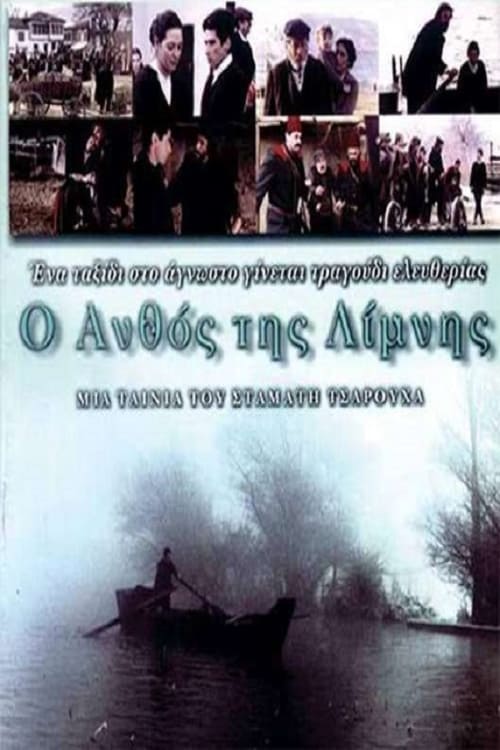
1900, Kastoria, Western Macedonia. Greeks, Turks, Jews, and other nationalities live together under the Ottoman Empire, amid the despair, instability, and confusion brought about by the Greco-Turkish War of 1897. Under these circumstances, a family of fishermen on Lake Kastoria, a fisherman, his wife, his grandfather, and their five children try to make a living. The daughter works in the fur trade, the younger son attends Greek school, while the older son, Christos, helps his father with the fishing. The flower that emerges from the lake is personified in the film's main character, Christos. Every morning, when the sky and the water in the lake become one with the mist, Christos casts his nets... This apparent tranquility in Christos' life is disrupted by his encounter with a wounded rebel, abandoned by his comrades.