Gene Nelson
Acting
Biography
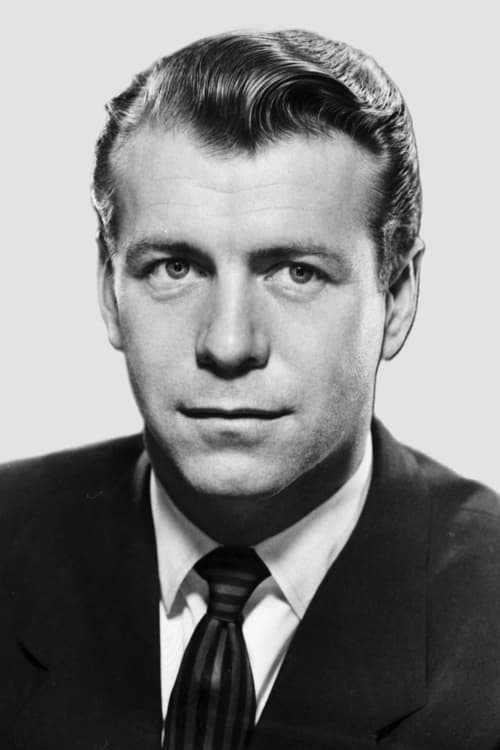
Gene Nelson was an American dancer, actor, screenwriter, and director. Born Leander Eugene Berg in Astoria, Oregon, his family moved to Seattle when he was a year old. He was inspired to become a dancer by watching Fred Astaire and Ginger Rogers when he was a child. After serving in the Army during World War II during which he also performed in the musical This Is the Army, Nelson landed his first Broadway role in Lend an Ear, for which he received the Theatre World Award. He also appeared onstage in Follies, which garnered him a Tony Award nomination, and Good News. Nelson's longtime professional dance partner during the 1950s was actress JoAnn Dean Killingsworth. Gene Nelson co-starred with Doris Day in "Lullaby of Broadway" in 1951. He played Will Parker in the film Oklahoma! In 1959, he appeared in Northwest Passage as a young man trying to prove his innocence in a murder case. Nelson appeared on the March 17, 1960 episode of "You Bet Your Life", hosted by Groucho Marx. He and Groucho's daughter, Melinda, performed a dance number together. Nelson directed eight episodes of The Rifleman in the 1961-62 season, the original Star Trek, the first season of I Dream of Jeannie, Gunsmoke, The Silent Force, and The San Pedro Beach Bums. He directed the Elvis Presley films Kissin' Cousins, which screenplay he wrote, and Harum Scarum. For the Kissin' Cousins screenplay he received a WGA award nomination for best written musical. He later taught in the Theater Arts Department at San Francisco State University in the late 1980s. He starred as Buddy in the 1971 Broadway musical Follies, for which he received a 1972 Tony Award nomination for Featured Actor In A Musical. The production featured a score by Stephen Sondheim and was co-directed by Michael Bennett and Harold Prince. For contribution to the motion picture industry, in 1990, Nelson was inducted into the Hollywood Walk of Fame. Nelson's star is located at 7005 Hollywood Boulevard. Description above from the Wikipedia article Gene Nelson, licensed under CC-BY-SA, full list of contributors on Wikipedia.
Known For

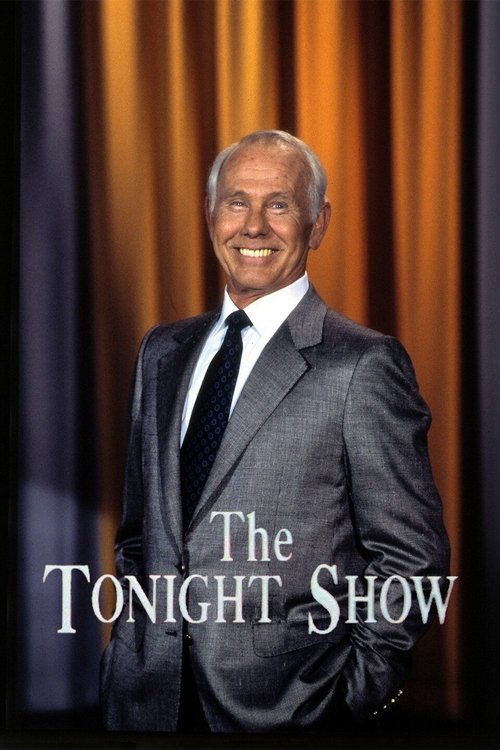
The Tonight Show Starring Johnny Carson is a talk show hosted by Johnny Carson under The Tonight Show franchise from 1962 to 1992. It originally aired during late-night. For its first ten years, Carson's Tonight Show was based in New York City with occasional trips to Burbank, California; in May 1972, the show moved permanently to Burbank, California. In 2002, The Tonight Show Starring Johnny Carson was ranked #12 on TV Guide's 50 Greatest TV Shows of All Time.
The Tonight Show Starring Johnny Carson

The Mike Douglas Show is an American daytime television talk show hosted by Mike Douglas that originally aired only in the Cleveland area during much of its first two years on the air. It then went into syndication in 1963 and remained on television until 1982. It was distributed by Westinghouse Broadcasting and for much of its run, originated from studios of two of the company's TV stations in Cleveland and Philadelphia.
The Mike Douglas Show

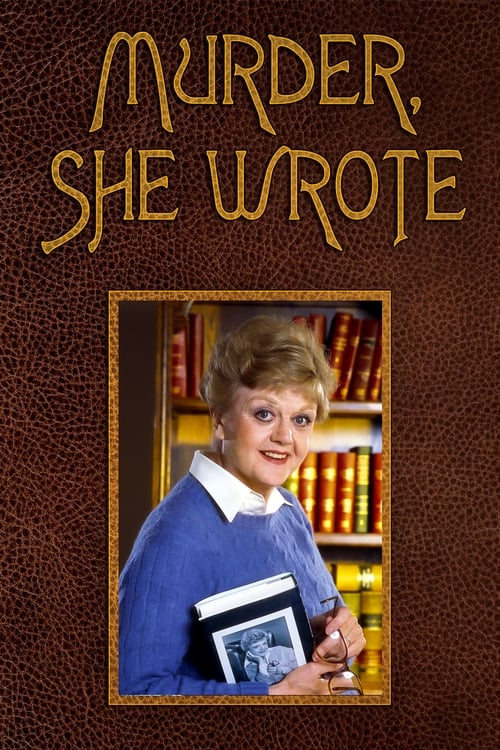
An unassuming mystery writer turned sleuth uses her professional insight to help solve real-life homicide cases.
Murder, She Wrote

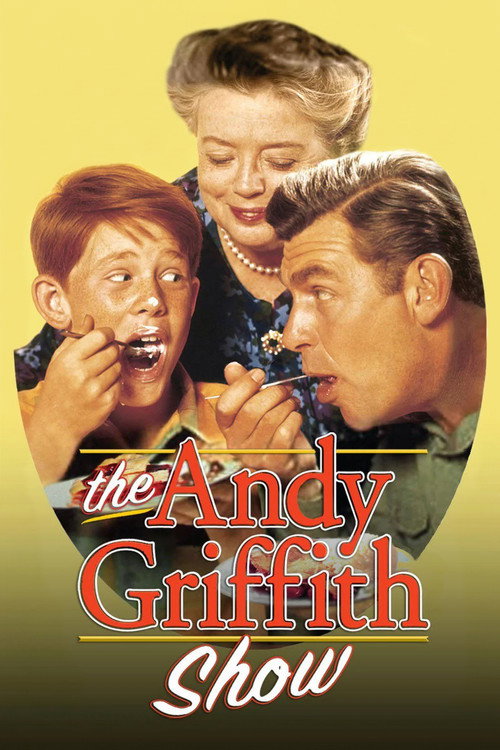
The Andy Griffith Show is an American sitcom first televised on CBS between October 3, 1960 and April 1, 1968. Andy Griffith portrays the widowed sheriff of the fictional small community of Mayberry, North Carolina. His life is complicated by an inept, but well-meaning deputy, Barney Fife, a spinster aunt and housekeeper, Aunt Bee, and a precocious young son, Opie. Local ne'er-do-wells, bumbling pals, and temperamental girlfriends further complicate his life. Andy Griffith stated in a Today Show interview, with respect to the time period of the show: "Well, though we never said it, and though it was shot in the '60s, it had a feeling of the '30s. It was when we were doing it, of a time gone by." The series never placed lower than seventh in the Nielsen ratings and ended its final season at number one. It has been ranked by TV Guide as the 9th-best show in American television history. Though neither Griffith nor the show won awards during its eight-season run, series co-stars Knotts and Bavier accumulated a combined total of six Emmy Awards. The show, a semi-spin-off from an episode of The Danny Thomas Show titled "Danny Meets Andy Griffith", spawned its own spin-off series, Gomer Pyle, U.S.M.C., a sequel series, Mayberry R.F.D., and a reunion telemovie, Return to Mayberry. The show's enduring popularity has generated a good deal of show-related merchandise. Reruns currently air on TV Land, and the complete series is available on DVD. All eight seasons are also now available by streaming video services such as Netflix.
The Andy Griffith Show

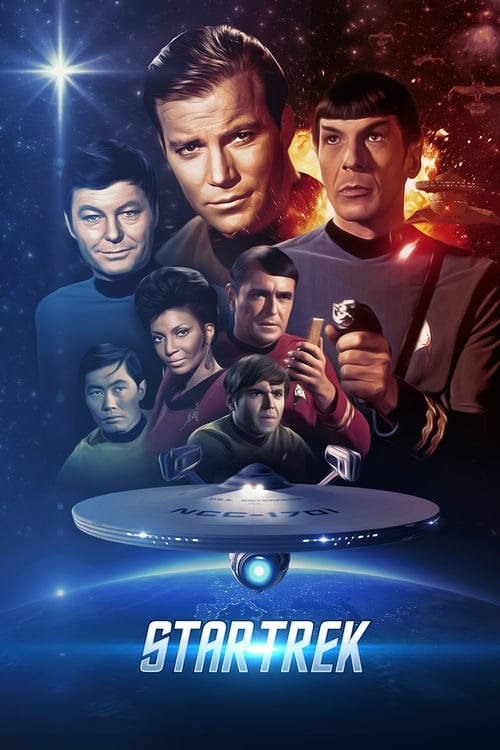
Space. The Final Frontier. The U.S.S. Enterprise embarks on a five year mission to explore the galaxy. The Enterprise is under the command of Captain James T. Kirk with First Officer Mr. Spock, from the planet Vulcan. With a determined crew, the Enterprise encounters Klingons, Romulans, time paradoxes, tribbles and genetic supermen led by Khan Noonian Singh. Their mission is to explore strange new worlds, to seek new life and new civilizations, and to boldly go where no man has gone before.
Star Trek

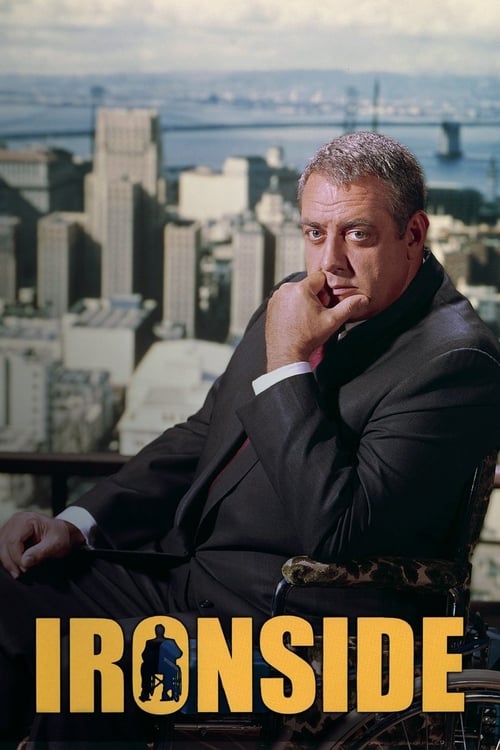
When an assassin's bullet confines him to a wheelchair for life ending his career as Chief of Detectives, Robert T. Ironside becomes a consultant to the police department. Detective Sergeant Ed Brown and policewoman Eve Whitfield join with him to crack varied and fascinating cases. Ex-con Mark Sanger is employed by the chief as home help but eventually becomes a fully fledged member of the team also. Officer Whitfield leaves after 4 years service, and is replaced by Officer Fran Belding.
Ironside

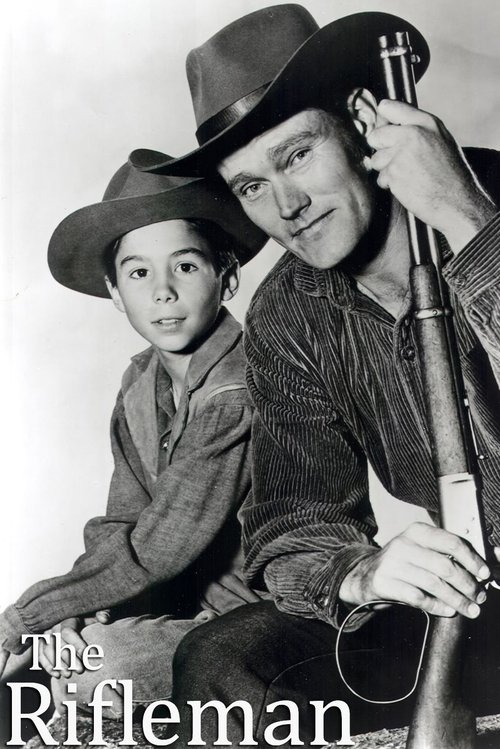
The Rifleman is an American Western television program starring Chuck Connors as rancher Lucas McCain and Johnny Crawford as his son, Mark McCain. It was set in the 1880s in the town of North Fork, New Mexico Territory. The show was filmed in black-and-white, half-hour episodes. "The Rifleman" aired on ABC from September 30, 1958 to April 8, 1963 as a production of Four Star Television. It was one of the first prime time series to have a widowed parent raise a child.
The Rifleman

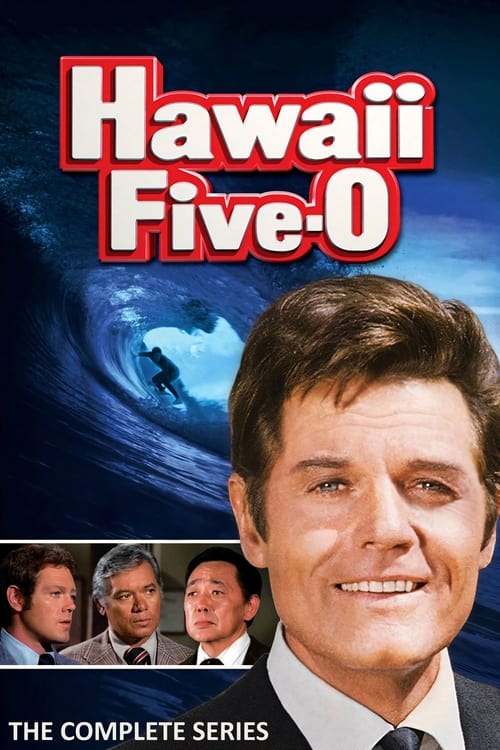
Hawaii Five-O is an American police procedural drama series produced by CBS Productions and Leonard Freeman. Set in Hawaii, the show originally aired for 12 seasons from 1968 to 1980, and continues in reruns. Jack Lord portrayed Detective Lieutenant Steve McGarrett, the head of a special state police task force which was based on an actual unit that existed under martial law in the 1940s. The theme music composed by Morton Stevens became especially popular. Many episodes would end with McGarrett instructing his subordinate to "Book 'em, Danno!", sometimes specifying a charge such as "murder one".
Hawaii Five-O

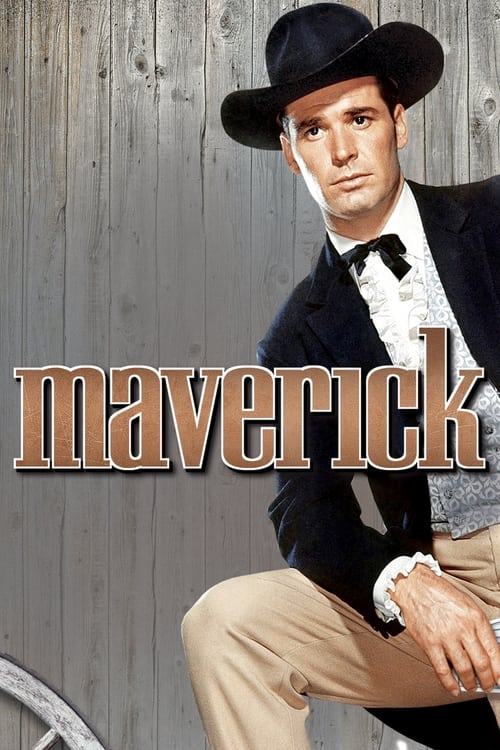
The Maverick boys - Bret, Bart, Beau and Brent - are a clan of well-dressed dandies, gamblers who'd much rather make their money playing cards than messing up their fine clothing with actual work. Sly and clever, none of the Mavericks are much for acts of derring do, but they can be courageous when the situation calls for it. Most often, however, they live by their wits and considerable charm.
Maverick

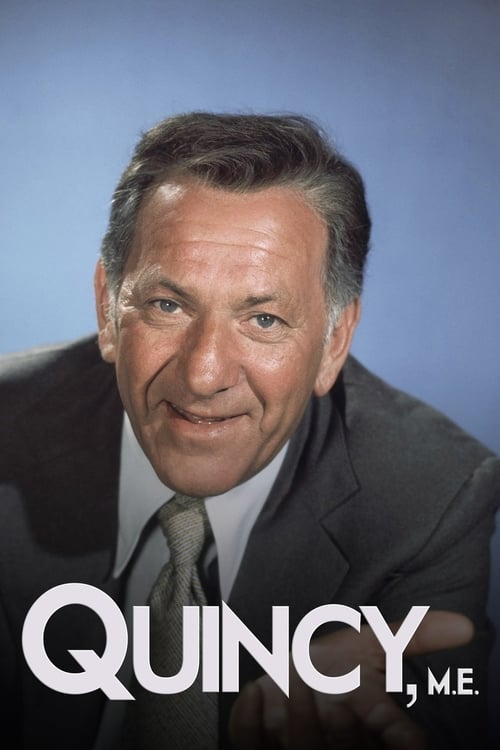
Los Angeles County medical examiner Quincy routinely engages in police investigations.
Quincy, M.E.

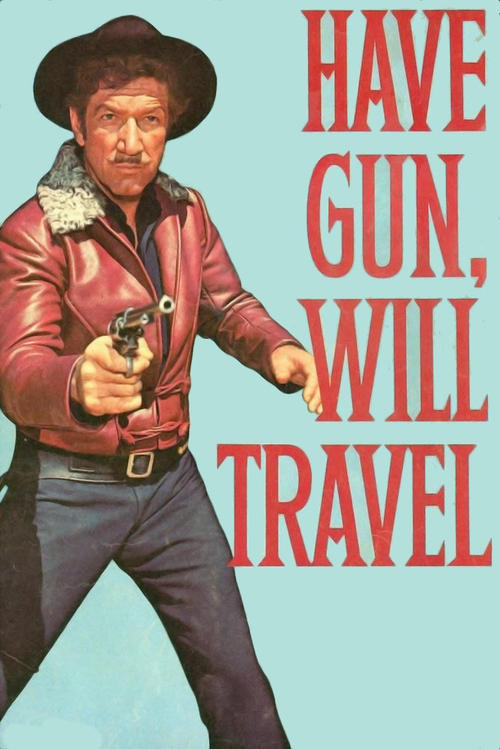
Have Gun – Will Travel is an American Western television series that aired on CBS from 1957 through 1963. It was rated number three or number four in the Nielsen ratings every year of its first four seasons. It was one of the few television shows to spawn a successful radio version. The radio series debuted November 23, 1958. The television show is presently shown on the Encore-Western channel. Have Gun – Will Travel was created by Sam Rolfe and Herb Meadow and produced by Frank Pierson, Don Ingalls, Robert Sparks, and Julian Claman. There were 225 episodes of the TV series, 24 written by Gene Roddenberry. Other contributors included Bruce Geller, Harry Julian Fink, Don Brinkley and Irving Wallace. Andrew McLaglen directed 101 episodes and 19 were directed by series star Richard Boone.
Have Gun, Will Travel

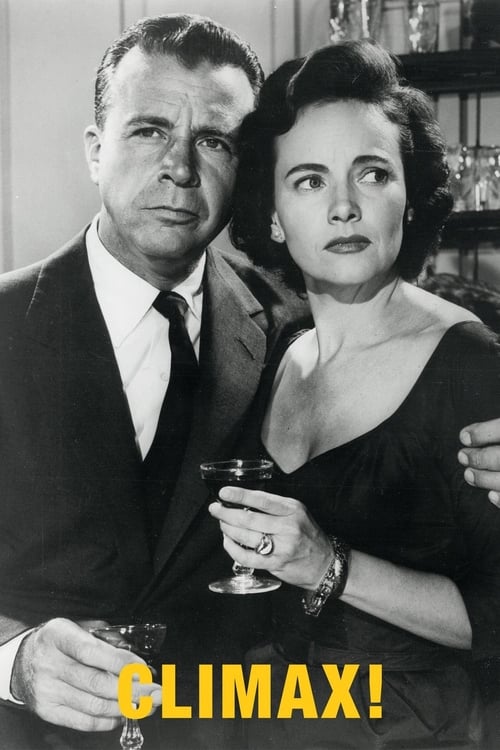
Climax! is an American anthology series that aired on CBS from 1954 to 1958. The series was hosted by William Lundigan and later co-hosted by Mary Costa. It was one of the few CBS programs of that era to be broadcast in color. Many of the episodes were performed and broadcast live.
Climax!

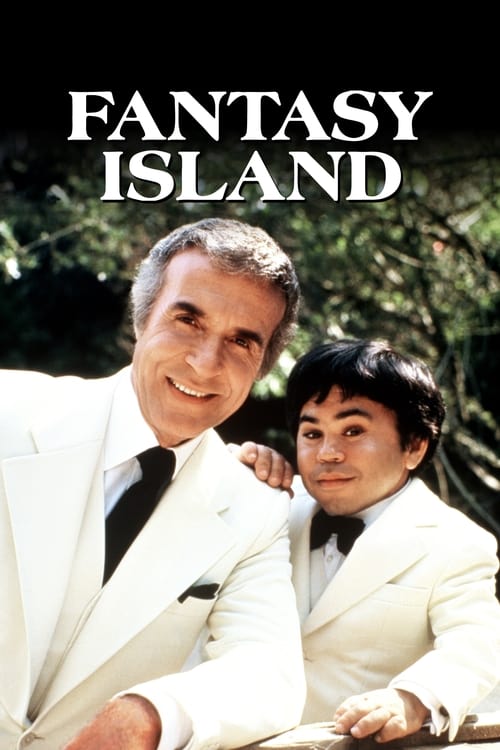
A magical island hosted by Mr Roarke and Tattoo where weekly guests learn valuable life lessons in their pursuit of fulfilling their dreams. Not all dreams are fulfilled as expected.
Fantasy Island

The F.B.I. is an American television series that was broadcast on ABC from 1965 to 1974. It was sponsored by the Ford Motor Company, and the characters almost always drove Ford vehicles in the series. Alcoa was co-sponsor of Season One only.
The F.B.I.

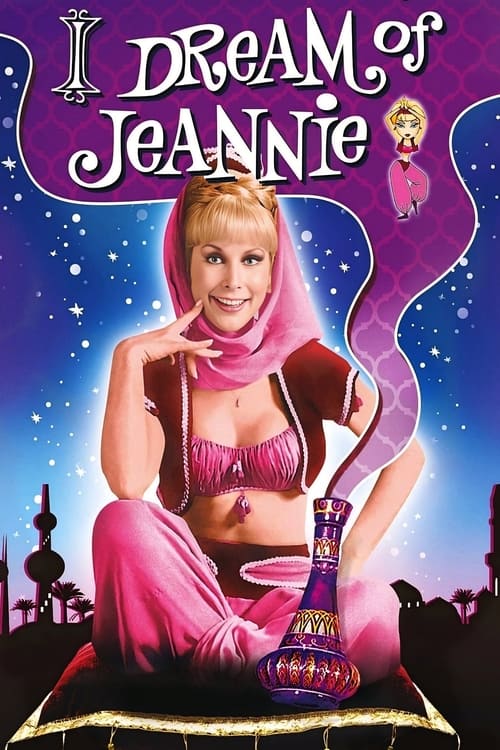
While on a mission, American astronaut Captain Tony Nelson is forced to make an emergency landing that will forever change his life. On a deserted South Pacific island, Captain Nelson happens upon a bottle containing a beautiful two-thousand-year-old female genie named Jeannie. Rescuing her from the bottle nets Tony the requisite three wishes, and then some, when Jeannie pledges total devotion to her new "master".
I Dream of Jeannie

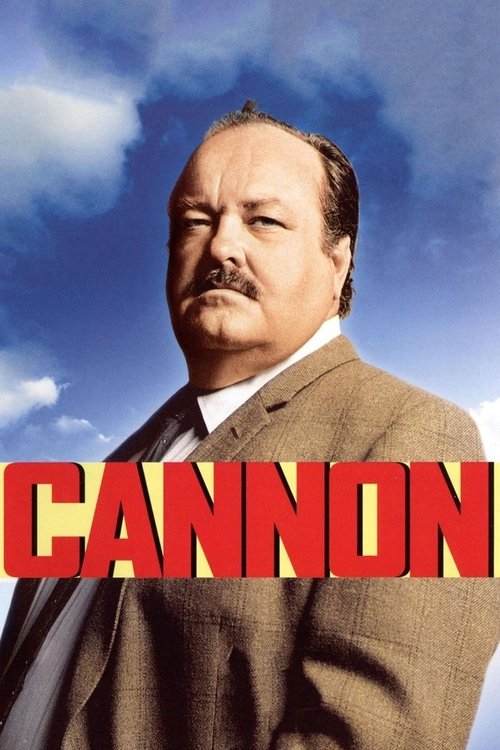
Cannon is a CBS detective television series produced by Quinn Martin which aired from March 26, 1971 to March 3, 1976. The primary protagonist is the title character, private detective Frank Cannon, played by William Conrad. He also appeared on two episodes of Barnaby Jones. Cannon is the first Quinn Martin-produced series to be aired on a network other than ABC. A "revival" television film, The Return of Frank Cannon, was aired on November 1, 1980. In total, there were 124 episodes.
Cannon

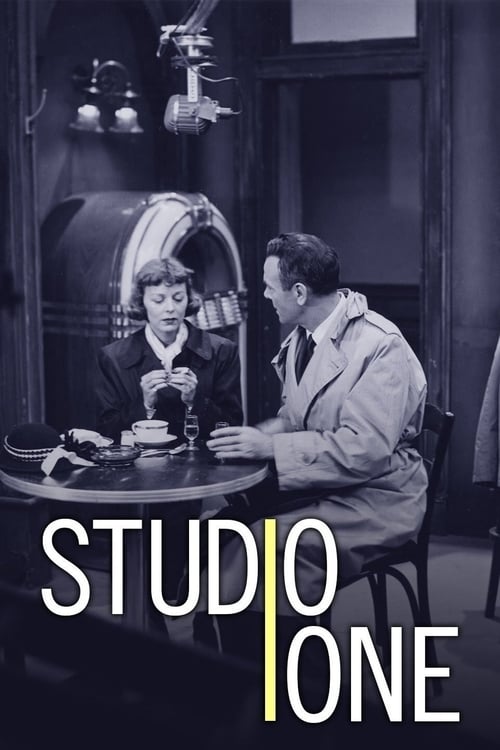
An American radio–television anthology series, created in 1947 by Canadian director Fletcher Markle, who came to CBS from the CBC. Studio One, presented by Westinghouse, was one of the first of the anthology TV programs. The episodes were often abridged remakes of movies from years gone by and many future well-known television and movie actors appeared in the productions.
Studio One

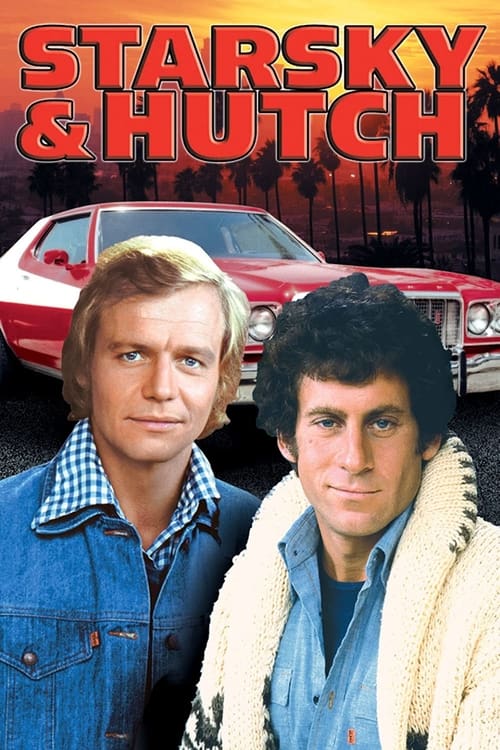
Streetwise Detective David Starsky partners up with a more intellectual partner, Kenneth 'Hutch' Hutchinson, to protect citizens and patrol the streets of Bay City.
Starsky & Hutch

Barnaby Jones is a television detective series starring Buddy Ebsen and Lee Meriwether as father- and daughter-in-law who run a private detective firm in Los Angeles. The show ran on CBS from January 28, 1973 to April 3, 1980, beginning as a midseason replacement. William Conrad guest starred as Frank Cannon of Cannon on the first episode of Barnaby Jones, "Requiem for a Son" and the two series had a two-part crossover episode in 1975, "The Deadly Conspiracy".
Barnaby Jones

Matinee Theater is an American anthology series that aired on NBC during the Golden Age of Television, from 1955 to 1958. The series, which ran daily in the afternoon, was frequently live. It was produced by Albert McCleery, Darrell Ross, George Cahan and Frank Price with executive producer George Lowther. McCleery had previously produced the live series Cameo Theatre which introduced to television the concept of theater-in-the-round, TV plays staged with minimal sets. Jim Buckley of the Pewter Plough Playhouse recalled: When Al McCleery got back to the States, he originated a most ambitious theatrical TV series for NBC called Matinee Theater: to televise five different stage plays per week live, airing around noon in order to promote color TV to the American housewife as she labored over her ironing. Al was the producer. He hired five directors and five art directors. Richard Bennett, one of our first early presidents of the Pewter Plough Corporation, was one of the directors and I was one of the art directors and, as soon as we were through televising one play, we had lunch and then met to plan next week’s show. That was over 50 years ago, and I’m trying to think; I believe the TV art director is his own set decorator —yes, of course! It had to be, since one of McCleery’s chief claims to favor with the producers was his elimination of the setting per se and simply decorating the scene with a minimum of props. It took a bit of ingenuity.