Directing
Robert Llewellyn examines the enduring appeal of submarine movies, finding a beached Cold War Russian nuclear sub on the Medway and WWII German U-boat pens on the French coast.
Jeremy Musson -- architectural historian and journalist with Country Life -- visits Britain's grandest houses. In each episode he visits a historic private house and combines observations on architecture with insights into the lives of the owners.
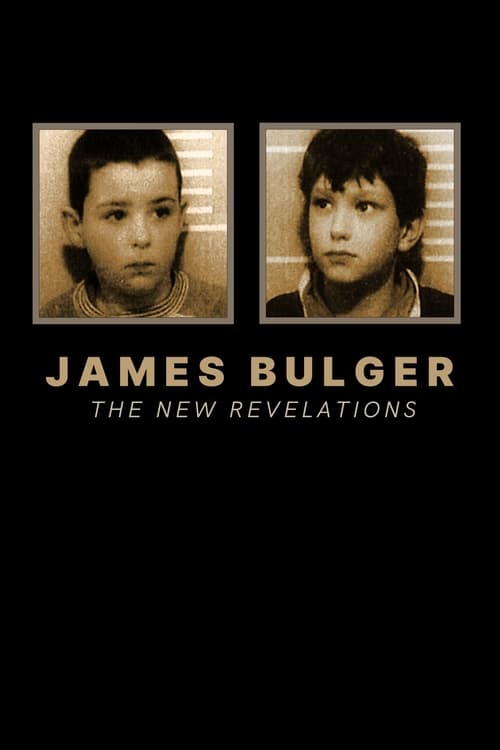
25 years after the verdict in the Jamie Bulger murder trial, we reveal what the jury, public and press never heard, and what his two killers, Thompson and Venables, said during their time in custody from arrest to release.
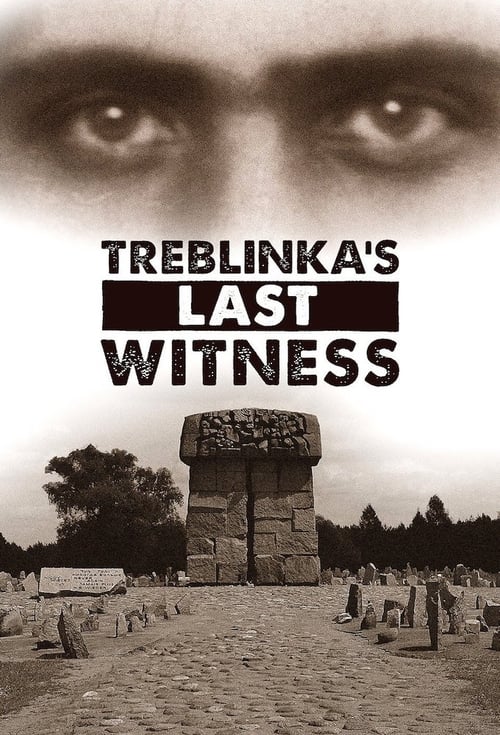
Samuel Willenberg and Kalman Taigman, the last two survivors of the Nazi extermination camp Treblinka, recount the horrors they experienced during the war and talk about their lives after their escape in a prisoner uprising in 1943. Willenberg would go on to become a hero of the 1944 Warsaw uprising while Taigman would be called as a witness during the infamous trial of Adolf Eichmann.
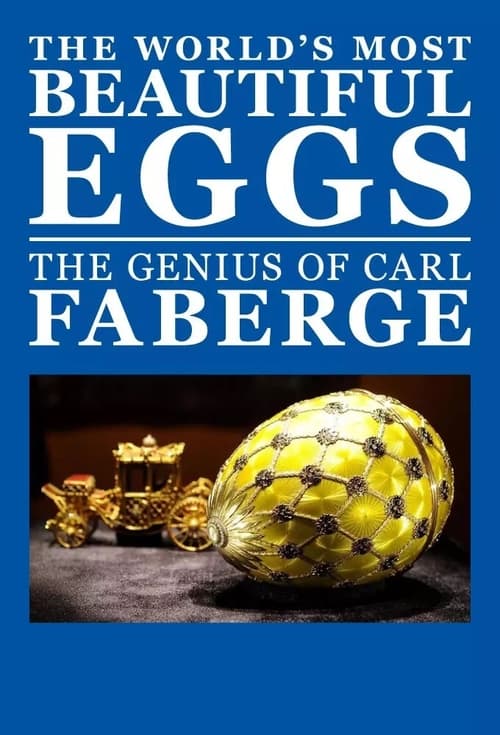
Stephen Smith explores the extraordinary life and work of the virtuoso jeweller Carl Faberge. He talks to HRH Prince Michael of Kent about Faberge items in the Royal Collection and to Russian billionaire Viktor Vekselberg, who spent $100 million acquiring nine exquisite Faberge eggs. The bejewelled trinkets Faberge made for the last tsars of Russia in the twilight of their rule have become some of the most sought-after treasures in the world, sometimes worth millions. Smith follows in Faberge's footsteps, from the legendary Green Vaults in Dresden to the palaces of the tsars and the corridors of the Kremlin museum, as he discovers how this fin de siecle genius transformed his father's modest business into the world's most famous supplier of luxury items.
An alternative history of the 20th century avant-garde featuring the dramatic lives and works of eight artists who most made the art colony of St Ives in Cornwall, from Kit Wood and Alfred Wallis to Barbara Hepworth and Ben Nicholson.
The contrast between the majestic statues of Easter Island and the desolation of their surroundings is stark. For decades Easter Island, or Rapa Nui as the islanders call it, has been seen as a warning from history for the planet as a whole - willfully expend natural resources and the collapse of civilization is inevitable.
A documentary about portrayals of winter in art
The Haywain by John Constable is such a comfortingly familiar image of rural Britain that it is difficult to believe it was ever regarded as a revolutionary painting, but in this film, made in conjunction with a landmark exhibition at the V&A, Alastair Sooke discovers that Constable was painting in a way that was completely new and groundbreaking at the time. Through experimentation and innovation, he managed to make a sublime art from humble things and, though he struggled in his own country during his lifetime, his genius was surprisingly widely admired in France.
Michael Grade traces the raucous history of the music hall in a revelatory journey that takes him from venues such as Wilton's Music Hall in London to Glasgow's once-famous Britannia.
Documentary looking at how the British landscape has been depicted, from Flemish beginnings in the court of Charles I to the digital thumbstrokes of David Hockney's iPad.
Bartolomeo Scappi (c. 1500-1577) was arguably the most famous chef of the Italian Renaissance. As head chef for popes and cardinals throughout the middle decades of the sixteenth century, he prepared unashamedly decadent banquets for the most powerful men on earth. At the culmination of his prolific career he compiled the largest cookery treatise of the period to instruct an apprentice on the full craft of fine cuisine, its methods, ingredients, and recipes. Chef Antonio Carluccio goes to his beloved Italy with a Renaissance cookbook for a guide. He follows the trail of its author to discover more about a man who had an extraordinary career cooking for the cardinals, emperors and popes of the sixteenth century. Antonio resurrects 500 year old recipes, cooking eel in Venice, porcini mushrooms in Lombardy, and stuffing a suckling pig in Rome. He ends his journey with a banquet fit for a pope. Lush scenery and mouth-watering ingredients create a visually stunning feast.
Historian William Dalrymple travels to Hyderabad in India to explore the remarkable 18th-century love affair between a British diplomat and the Muslim princess he married. Tensions ran high when an Englishman fell for a Mughal ruler's daughter.