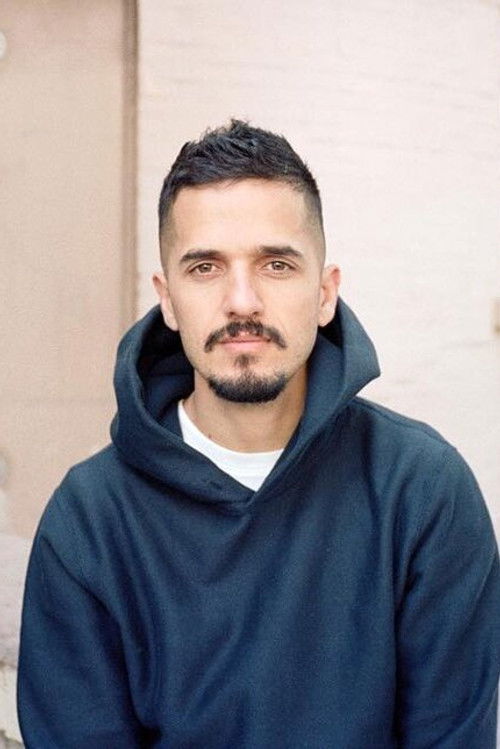
Mohammad Gorjestani
Directing
Biography
Mohammad Gorjestani (born February 8, 1984) is an Iranian-American writer, director, and producer. He is best known for Exit 12, Sister Hearts and Refuge.
Known For
A short profile doc on street artist MissMe—a sort of Banksy-esque underground figure with a feminist bent. While the short portrait documentary field is certainly overcrowded, director Mohammad Gorjestani’s film is beautifully shot and quickly paced. It’s got a certain energy that can’t be denied (much like artwork driving the film). Plus, the central character is an inspiring symbol of artistic authenticity and self-liberation. A former advertising executive, MissMe ditched her high-profile corporate day job to become a counter-voice to the objectification of women in the mainstream advertising world. Girl power, indeed.
Missme: The Artful Vandal
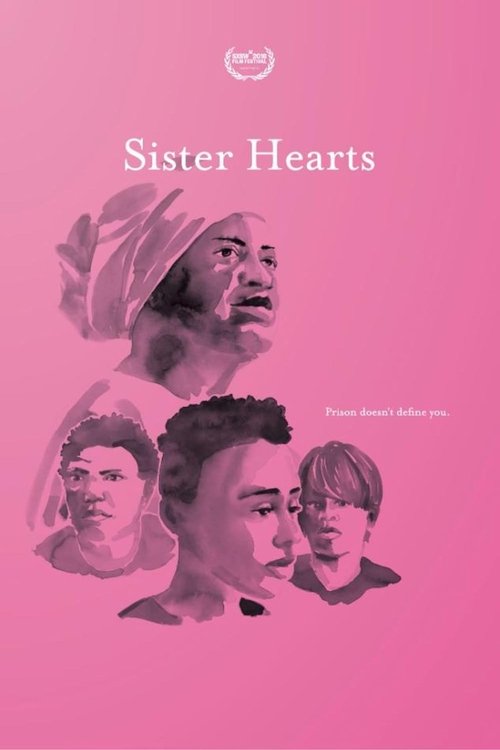
Maryam Henderson-Uloho spent thirteen years in prison in Louisiana, seven in solitary confinement. After her release she struggled to find housing or employment. She began selling secondhand goods out of a suitcase on a street corner in New Orleans. In just three years, she grew her business to a brick-and-mortar thrift store—one that also provides housing and employment for other formerly-incarcerated women. She calls those women—and her store—Sister Hearts.
Sister Hearts
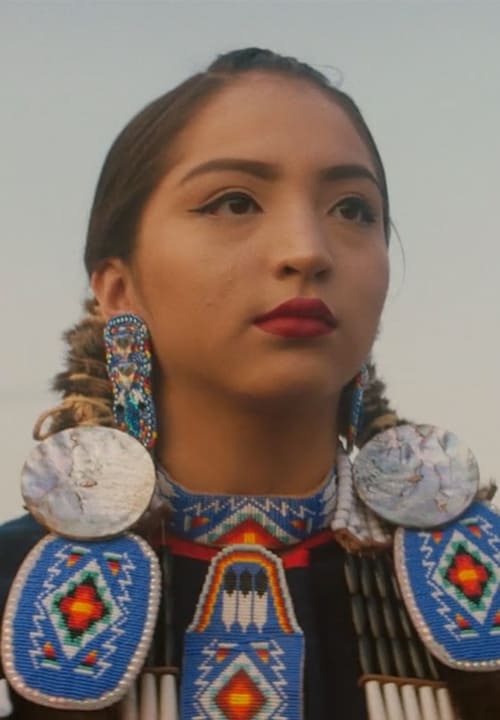
Genevieve Iron Lightning is a young Lakota dancer on the Cheyenne River Reservation, one of the poorest communities in the US. Unemployment, addiction, alcoholism, and suicide are all challenges for Lakota on the reservation.
Lakota in America
Five vignettes across America revealing the resilience of the immigrant fabric of our country amidst the Trump administration's current and proposed policies.
America, As In Us.
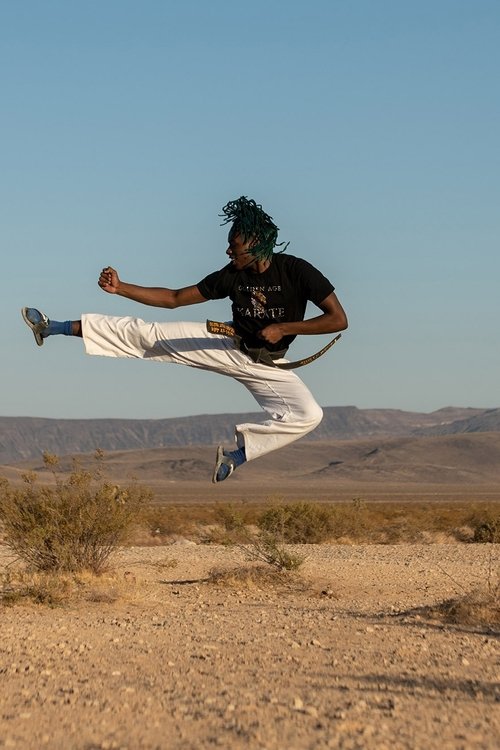
Teen karate pro Jeff Wall teaches senior citizens self-defense at a local nursing home, giving them the tools to feel in control, connected and cared for.
Golden Age Karate
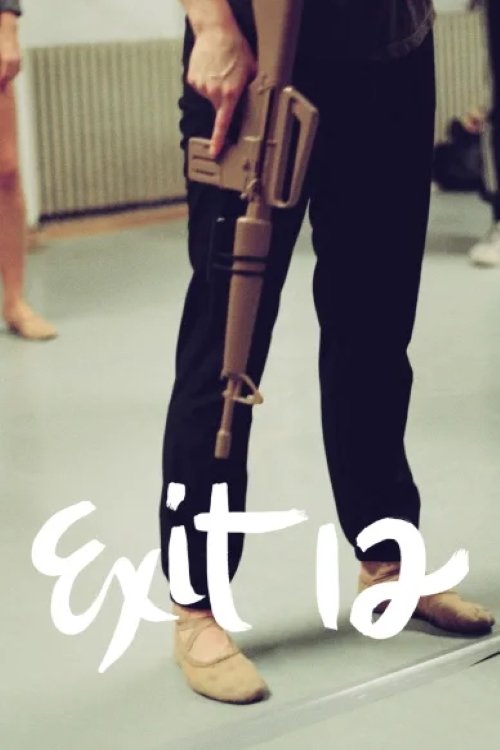
After two tours in Fallujah in the Iraq War, US Marine Roman Baca came home a different person. His experience ravaged him with depression, anxiety, and anger issues. With the encouragement of his wife, Lisa, Roman decided to return to ballet as way to cope. He found that dance helped him “reprogram” his mind and body. Now, as the founder and artistic director of the Exit12 Dance Company in New York City, Roman with other veterans and military families, uses dance to tell stories about the effects of war. Through movement and creative expression, they work to not only reprogram and reclaim themselves, but also change the perceptions and stereotypes of the Veteran community.
Exit 12

As the Taliban claimed power in 2021 and banned women and girls from participating in sports, the members of the Afghanistan Youth Women's National Football Team needed to escape their own country or risk being captured. What happened next is an extraordinary story of survival, sisterhood and the human right to privacy. Presented by WhatsApp.
We Are Ayenda
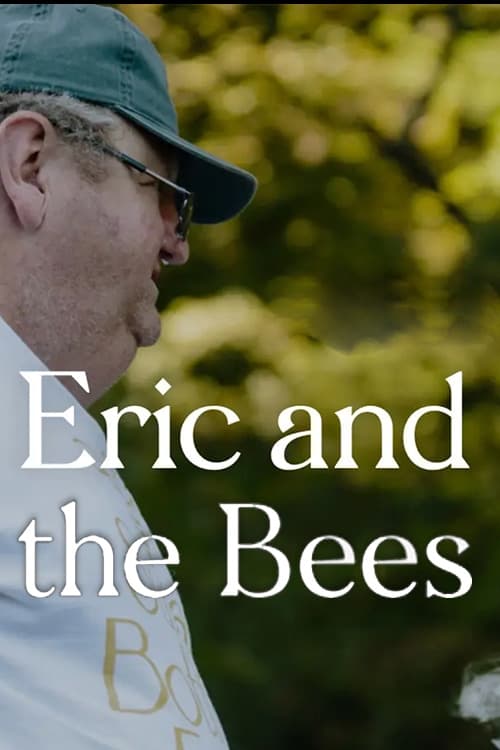
Beekeeping is a lifesaving form of therapy for Eric Grandon, a U.S. Army veteran who suffers from PTSD after 20 years in combat. For the past several years, Eric has invited other trauma survivors to his farm so they could experience the healing powers of beekeeping.
Eric and the Bees
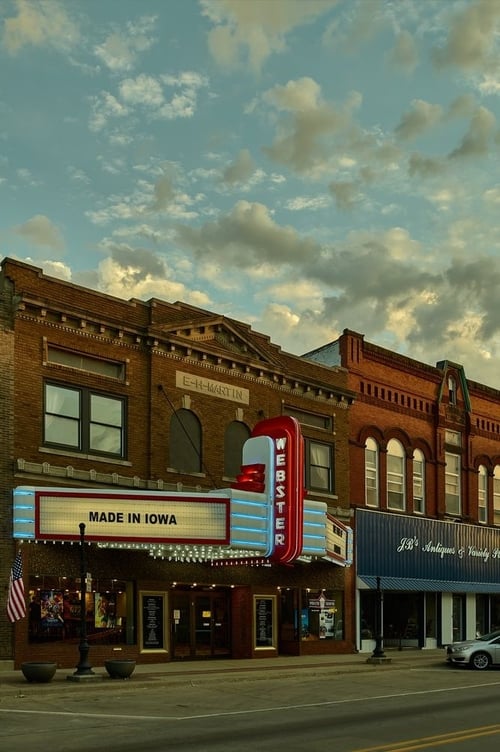
In 2011, Webster City, Iowa, experienced a massive economic shift after the town's large appliance manufacturing plant shut down. This left many jobless and impacted local business, including the closing of the town's beloved, historic movie theater. But the community refused to let their town die-and "Made in Iowa" tells the story of how small business helped Webster City save itself.
Made in Iowa
Set in 2020, a brewing cyberwar between the US and Iran puts Sonia, a young Iranian refugee, at risk of deportation. Her only escape may come at a greater price than she's willing to pay.
Refuge
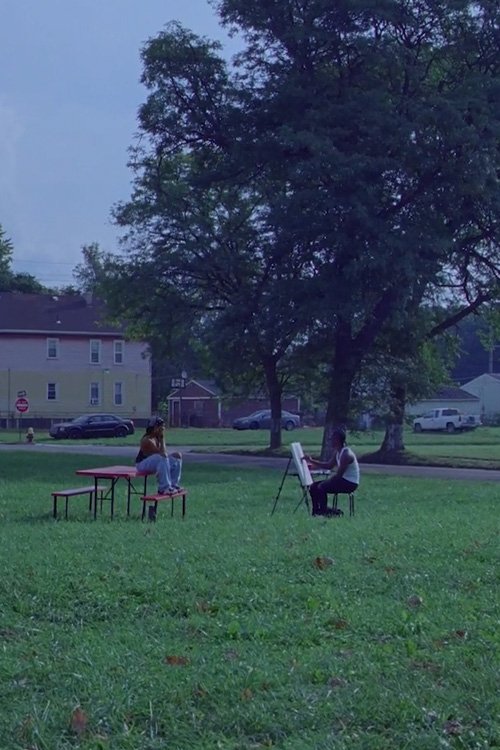
Recreational cannabis use has been legal in Michigan since 2018 — but consumers know the activity is still stigmatized.
Somewhere Higher
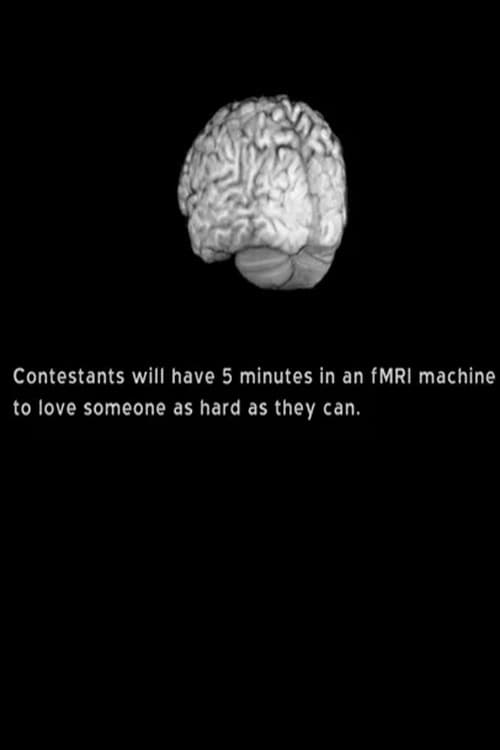
The Stanford MRI Lab hosts the world's first ever 'Love Competition,' in which seven contestants have five minutes to neurochemically love some 'as hard as they can.'