Camera
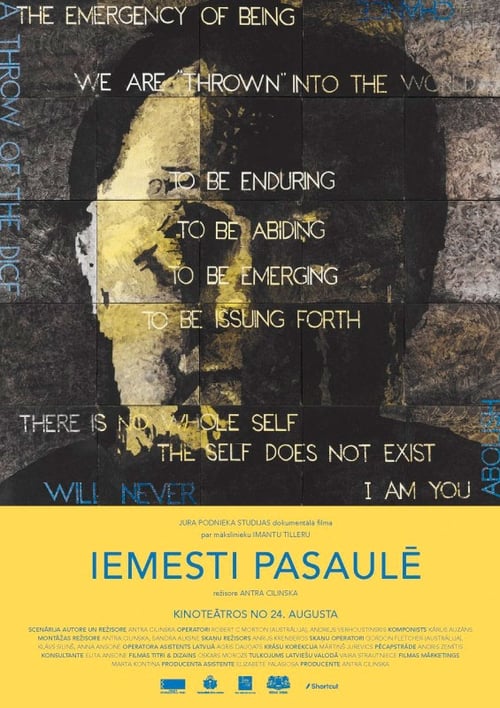
Latvian Imants Tillers is one of the most important Australian artists of his generation, creator of installations, sculptures, paintings and graphic arts. His work is a kind of a world book – events connect and cultural references intertwine in a mutually interactive system, nurturing his own search for identity.
While the two great powers of Europe were fighting during WWII, the strong family of the legendary Prometheus of Latgale, Andrīvs Jurdžs, was brutally shattered. Fleeing from the Communists, a few of the younger generation managed to escape to the West. The older generation remained in Latvia, but Stalin’s repression deported many to Siberia as “enemies of the state”. The family is scattered over the world, and the post-war genera-tion have never met. While in America, Peter accidentally discovers the documentary film “Perpetual Calendar”, and instantly recognizes his Latvian relatives. Brother and sister, Peter and Helena, follow their parents’ footsteps back to Latgale (Eastern Latvia) to learn more of their legendary ancestor and to finally meet relatives. The family’s search leads to Tomsk, Siberia..
Latgale region of Latvia, 30 km from the border with Russia. Despite the Stalinist repressions, taking away property and lifes of innocent people, two families already in the 4-th generation have stayed in their own land and work on it day in and day out, making almost everything they need with their own hands. Making cheese and butter, brewing beer, shearing sheep, weaving ropes from linen, making split baskets – these and other traditional crafts are part of their everyda life. Just as the Latgalian language, which is broadly used in this region, although it is not included in the school programm and can‘t be used as an official language in state and local government institutions.
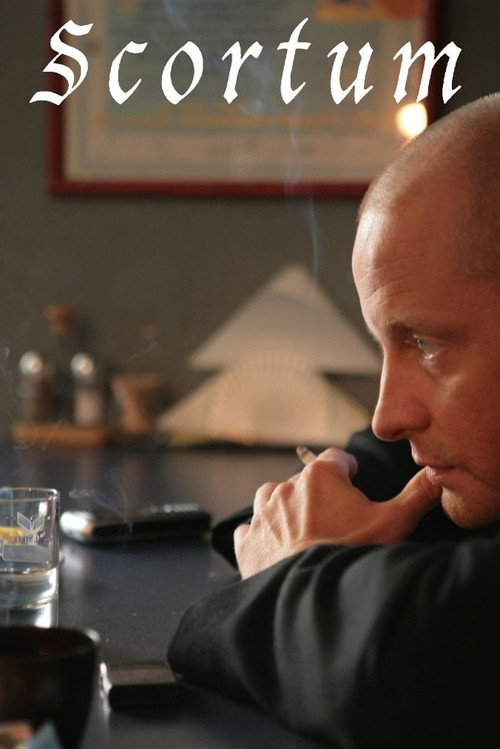
The relationships between two people are never easy. Especially when complicated by their professions. We are used to think that profession or occupation puts a stamp or a mask on peoples' personality. He is a pastor, she is a prostitute. Everything's clear. But underneath he is a man, she is a woman. Simple and difficult in the same time. Short film "Scortum" tells the story of the mazy relationships between sin and happiness which can never be solved.
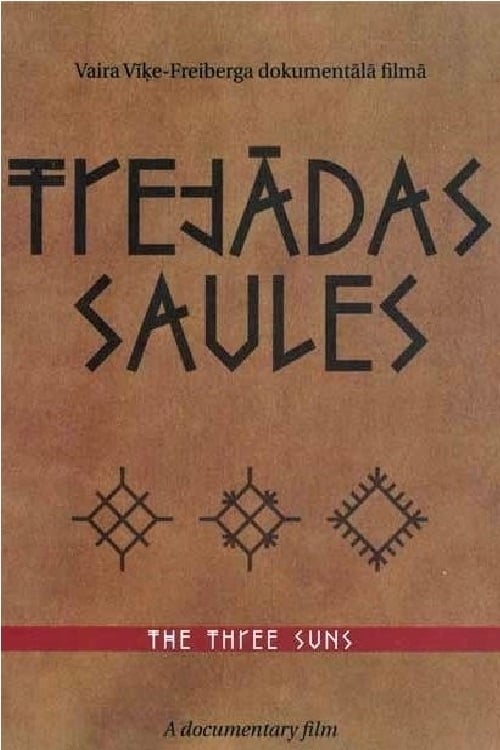
From a refugee of the WWII to president – that's the story of Vaira Vike-Freiberga. Losing her motherland and coming back to it. Latvian, refugee, emigrant, wife, mother, professor, scientist, president.
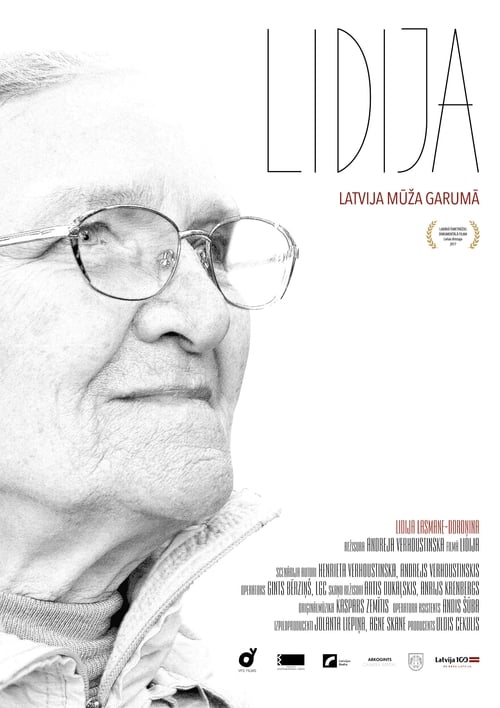
A person’s face and eyes preserve experience better than any document or recorded memoir. Particularly if a person has experienced as much as the well-known dissident Lidija Lasmane-Doroņina. Actually, she does not even think of herself as a dissident. She received her three terms in prisons and labour camps – fourteen years in all – as punishment not for underground struggle but for daring to remain true to her principles, convictions and faith. The ideals Lidija obtained as a child – the idyllic image of Latvia as an independent country, strong family values and faith in God as a moral measuring stick for any action. Her eyes are bright even today, at the age of 91, and they look at this world full of life.
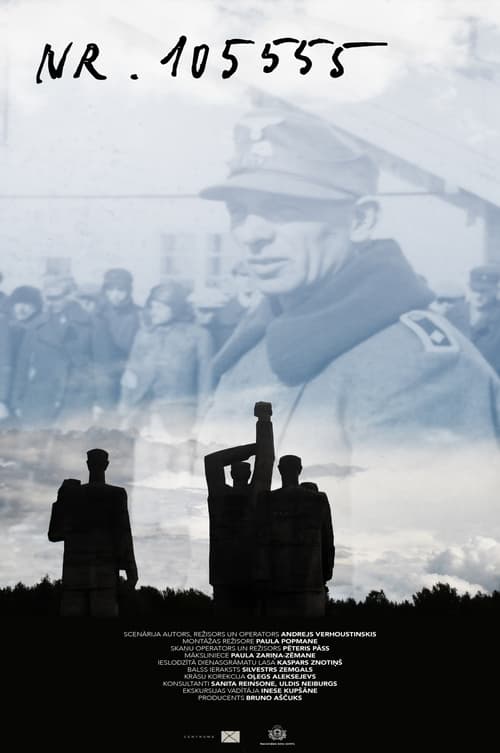
The film is based on the diary of Arkus Gunārs Reninger about his experiences in Salaspils concentration camp in 1944, which are visually partially covered by archive materials and prisoners’ drawings, but mostly the viewer will see the specific location today. A documentary observation of a memorial nowadays, where children and adults come in groups and watch individually, with interest or get bored, emotionally react or indifferently distance themselves, sunk into phones, disconnected from the outside world… Film will tell about our time no less than Reninger’s notes about what happened in this place almost 80 years ago.
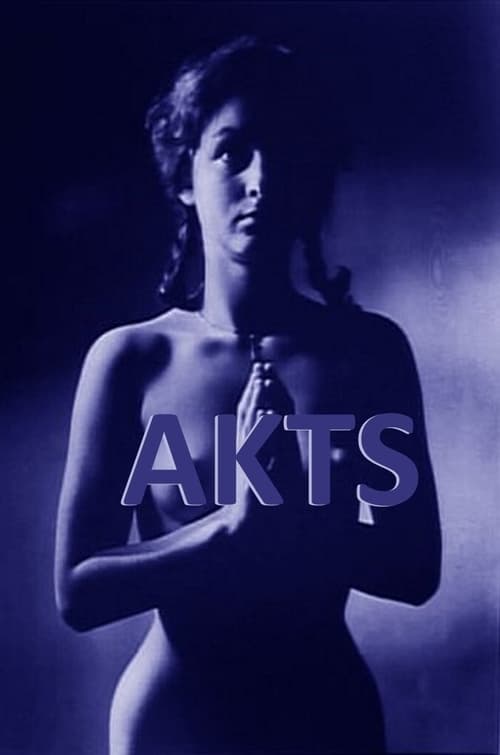
Some people collect family albums. Sarmīte Sīle, an accomplished arts scholar, takes a nude photo of herself every ten years. Behind this unique series of nude photos that span a lifetime, is her story.
The full-length documentary is a story about painter Biruta Delle, who is of the so-called “Uncensored” generation in Latvian art. It is a story of loneliness and nonconformism, and great talent that dramatically eats up everything else in a her life... but Biruta Delle continues to paint, becoming increasingly isolated from society.
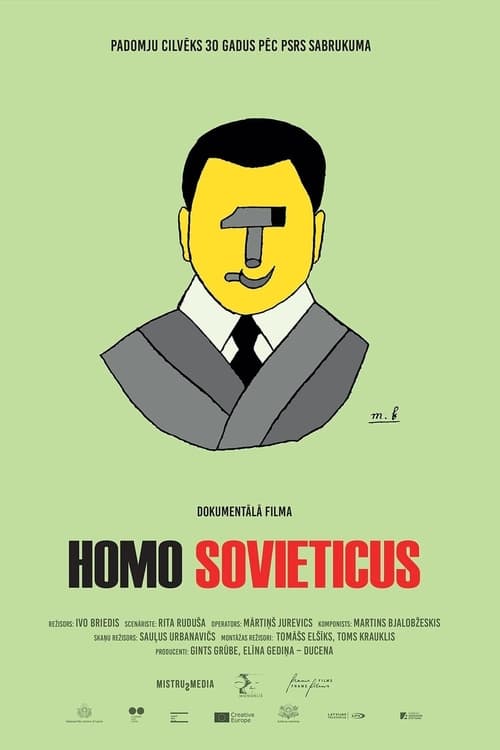
Almost 30 years after the collapse of the Soviet Union we can observe the return of rhetoric of a strong person of the totalitarian era. Could this be facilitated by the remains of totalitarian subservience in our heads and minds? The Director of the film Ivo Briedis and journalist Rita Ruduša, both born in the USSR, are going on a journey to explore the phenomenon of “Homo Sovieticus” and to discover whether a human being of the totalitarian mindset has specific geographical boundaries.
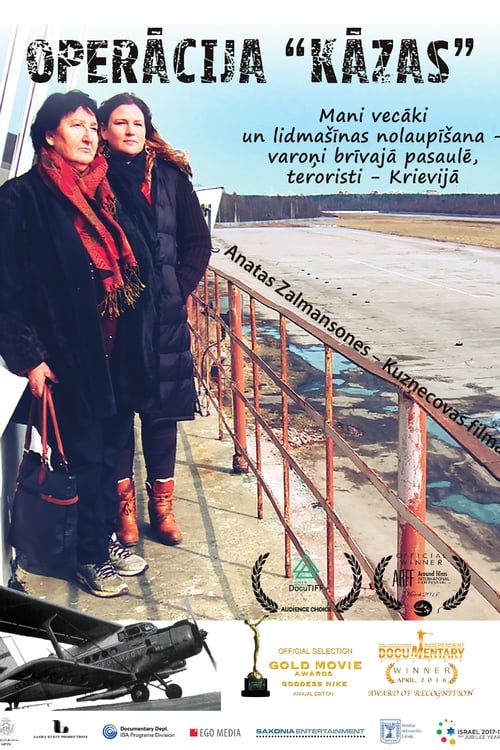
Leningrad, 1970. A group of young Jewish dissidents plot to hijack an empty plane and escape the USSR. Caught by the KGB a few steps from boarding, they were sentenced to years in the gulag and two were sentenced to death; they never got on a plane. 45 years later, filmmaker Anat Zalmanson-Kuznetsov reveals the compelling story of her parents, leaders of the group, "heroes" in the West but "terrorists" in Russia, even today.
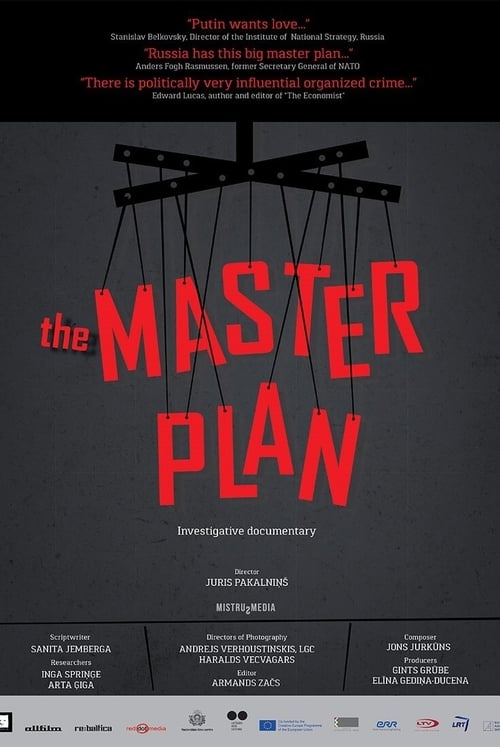
This investigative documentary explores the methods through which Russia influences the domestic policy of the Baltic States – by dividing the local community, promoting nostalgia for the Soviet Union and dismissing the recovered independence of the Baltic States.
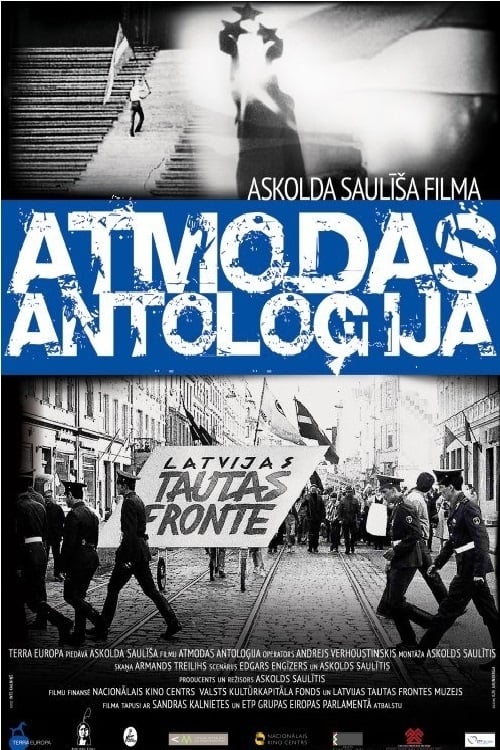
The film, dedicated to the 25th Anniversary of the Popular Front of Latvia, shows the most important turning points in the history of the Latvian National Awakening and Singing Revolution, as well as the rebirth of Latvian national symbols and values. In The Path to Baltic Freedom the authors focus on lesser known pages of history – the influence of perestroika on the early national movements of the 1980s, the role and participation of the Secret Service and the Communist Party in the newly-forming mass movements and their wish to guide or at least control them. The history of the Popular Front is shown not only until their victory in the first free elections in the history of the USSR that resulted in the restoration of independence for the Baltic states; the film also includes the decline of the organization after it had reached the most crucial of its goals.
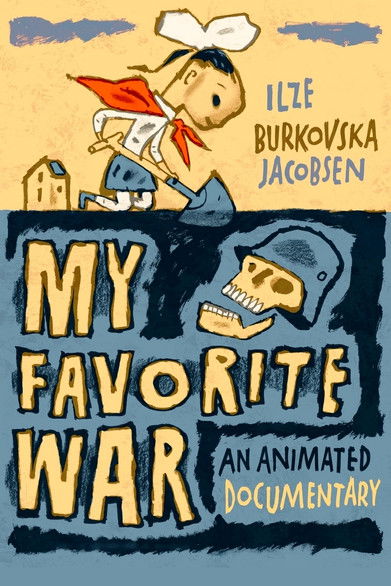
Ilze Burkovska, a little girl who is obsessed with stories of World War II and will be a filmmaker in a distant future, lives in Latvia under the totalitarian boot of the Soviets and the ominous shadow of the many menaces and horrors of the Cold War.
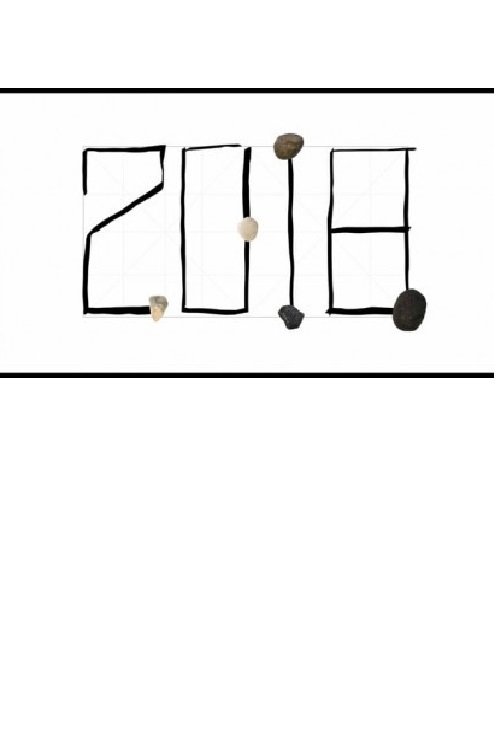
During Latvia’s centennial year, 15 filmmakers created each his own film portrait of a person living in Latvia on the background of centenary events. Documentary 2018 combines these stories into a unique poetic vision based on analogy with the documentary 235 000 000, a classic of the Riga school of poetic documentary cinema. This film is an attempt to make sure whether the codes of the poetic cinema are still relevant and accessible today.
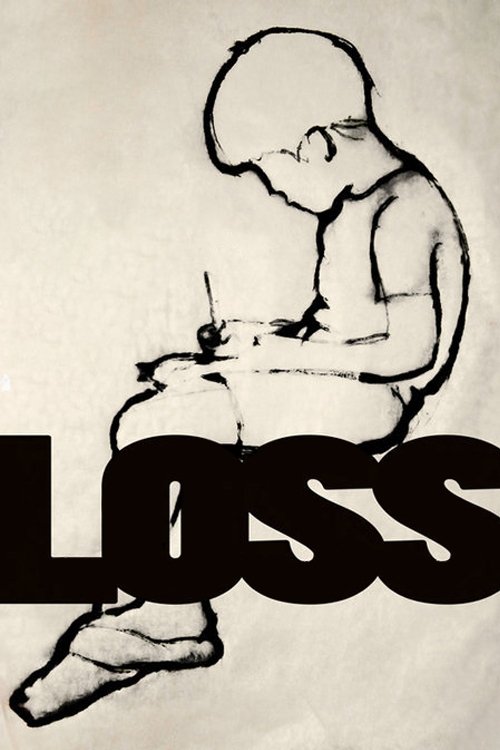
A mentally ill young woman Valda convinces herself that a boy growing up in an orphanage is her child. Following the footsteps of a thousands Lithuanians, she immigrates to Ireland to earn money to save him. "Loss" portrays the beauty and tragedy of the human heart.
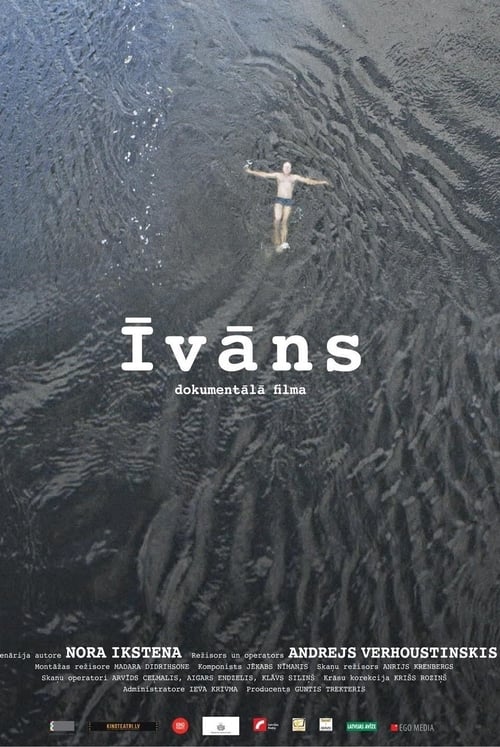
The documentary about Dainis Īvāns, leader of the National Awakening movement between late 1980s and early 1990s, a human symbol of the recent history of Latvia who embodies all hope, idealism, disappointment, choices, compromises, wins and losses. Eventually, he finds strength within himself to return to his roots, rather than let grindstones of history crush him, to be more than just an accidental figure in the big plan of destiny.
This is the story of Reinis Runci, author of three collections of poetry, who, despite being confined to bed for 21 years and, on rare occasions, to a wheelchair, lives a creatively intense life. His daily life is not made any easier by environmental accessibility limitations. He communicates with his friends and the world via his computer, which is his window to the "big world." However, Reinis has dreams... He dreams of publishing his poems in English, creating his own interactive website, and flying in a hot air balloon.
A story about the backstage of travelling Latvian puppet theatre "Maska". The group consists of three actors and a tiny bus. They travel around the county performing at clubs in the countryside, schools, kindergartens...
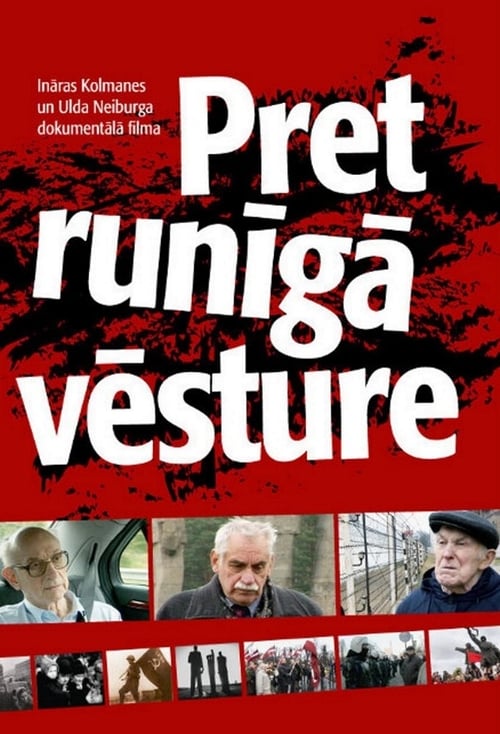
In commemorating WWII events in Latvia each year, several “controversial dates” arise. These are remembrance dates that are viewed differently by Latvians, Russians and Jews. The film searches for answers through three main characters, each a representative of their nationality, and categorical in their opposing way of thinking. Why is a date that is celebrated and honoured by one side, also a symbol of deep pain and injustice for another? Why are there, to this day, in a country as small as Latvia, three or more completely differing historical interpretations?