Dennis Sawyer
Editing
Biography
Over the course of his 30-year-long career at the NFB (1955–1987), Dennis Sawyer produced a large body of work, not only as a director (12 titles) and producer (90 titles) but also as an editor (150 titles), sound technician (4 titles) and cast member (1 title). He started out as a sound technician and film editor in 1955, and his first credit as a director came in 1970. He produced his last film in 1987. His impressive and versatile career saw Sawyer working on a range of films that dealt with a variety of topics, from the Canada Vignettes series and the Fogo Island project to films about Latin America or Africa. Sawyer also directed the timeless depictions of the first four editions of the Arctic Winter Games (from 1970 to 1976), which featured many sports typically included in Olympic competitions but with a specific focus on Indigenous sports.
Known For
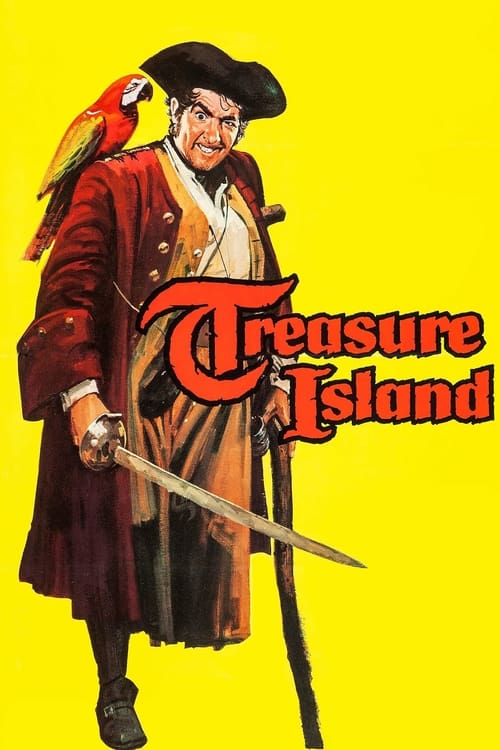
Enchanted by the idea of locating treasure buried by Captain Flint, Squire Trelawney, Dr. Livesey and Jim Hawkins charter a sailing voyage to a Caribbean island. Unfortunately, a large number of Flint's old pirate crew are aboard the ship, including Long John Silver.
Treasure Island
A discussion on the methods of fishing, marketing, organization and welfare in Norway, with reference to the situation on Fogo Island.
Thoughts on Fogo and Norway
By using film as a means of communication, the people of Fogo Island, Newfoundland, voice some of their daily concerns and thoughts about the future. Some of the problems discussed are the fishermen's unions, the fish plant, able-bodied men on welfare, the problems of education, and the issue of the consolidation of schools.
Some Problems of Fogo
A young indigenous man contracts tuberculosis and is sent to the Charles Camsell Indian Hospital in Edmonton. He struggles with the aftereffects of the illness but tries to move forward and get a job.
The Longer Trail
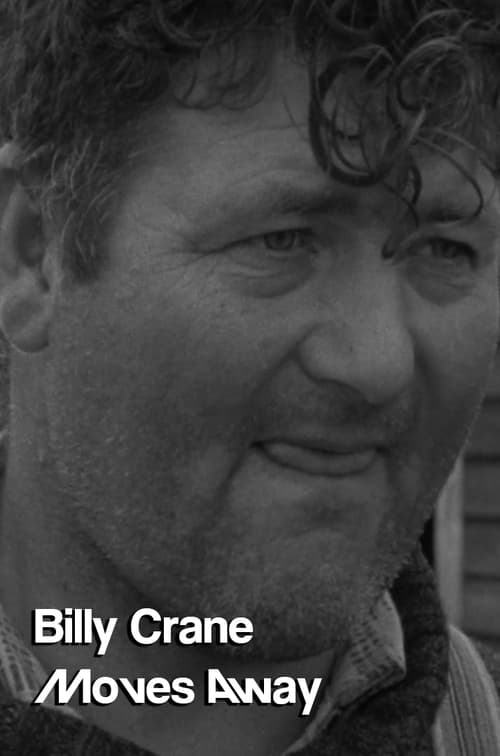
This short documentary features Newfoundland fisherman Billy Crane, who speaks frankly on the state of the inshore fishery and how the lack of government support has contributed to the industry’s downfall. He is being forced to leave home to seek employment in Toronto. This film was made with the Challenge for Change program.
Billy Crane Moves Away
This film is a reconstruction of Robert Baldwin’s involvement in the Upper Canada Rebellion of 1837. Though bound to the cause of constitutional reform by principle, Baldwin’s heart was with the rebels and in the midst of armed revolt, he withdrew to fight a lonely battle with himself.
Robert Baldwin: A Matter Of Principle
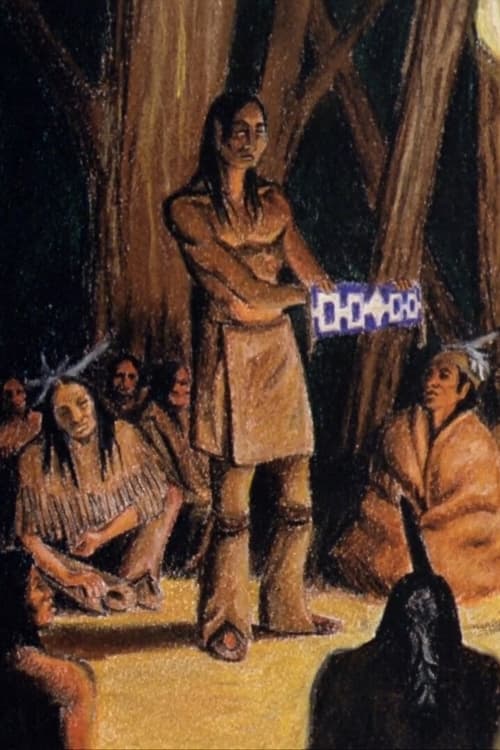
This short film was created by a group of Indigenous filmmakers at the NFB in 1972 and is essentially a song by Willie Dunn sung by Bob Charlie and illustrated by John Fadden: "Who were the ones who bid you welcome and took you by the hand, inviting you here by our campfires, as brothers we might stand?" The song expresses bitter memories of the past, of trust repaid by treachery, and of friendship debased by exploitation upon the arrival of European colonists.
Who Were the Ones?
Nuclear power plants are not exactly sold on the same scale as wheat, but that they can be manufactured as an exportable commodity is well illustrated in this film. For those familiar with nuclear power generation, and even for the lay audience, this is a lucid exposition of how a nuclear power plant is put together. The film shows the machining and assembly of principal components, and the "on power" operation of the Canadian plant at Pickering, Ontario. Produced by the NFB for Atomic Energy of Canada Limited.
On the Critical Path
An outstanding factor in the efficiency of the CANDU reactor employed in Canadian nuclear power stations is that its construction allows for refuelling while the plant remains in operation, with no necessity for periodic shut-downs. Filmed at the Pickering, Ontario, station, this film clearly illustrates the processes and the advantages of this Canadian feature. Cutaway models and animated drawings are used in the demonstration.
On Power Refuelling
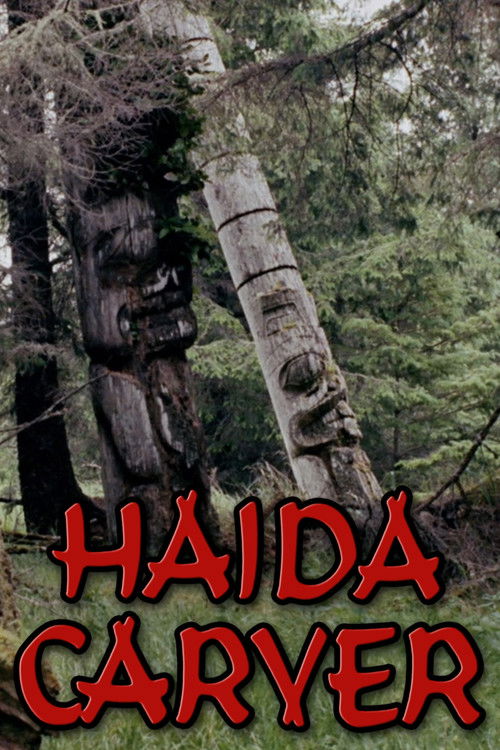
On Canada's Pacific coast this film finds a young Haida artist, Robert Davidson, shaping miniature totems from argillite, a jet-like stone. The film follows the artist to the island where he finds the stone, and then shows how he carves it in the manner of his grandfather, who taught him the craft.
Haida Carver
This film introduces the Fogo Island/Newfoundland Project series which is an experiment in how film can be a catalyst for social change by serving as a direct means of communication. It gives some basic facts about Fogo Island, Newfoundland, and explains why it was chosen for the film project.
Introduction to Fogo Island
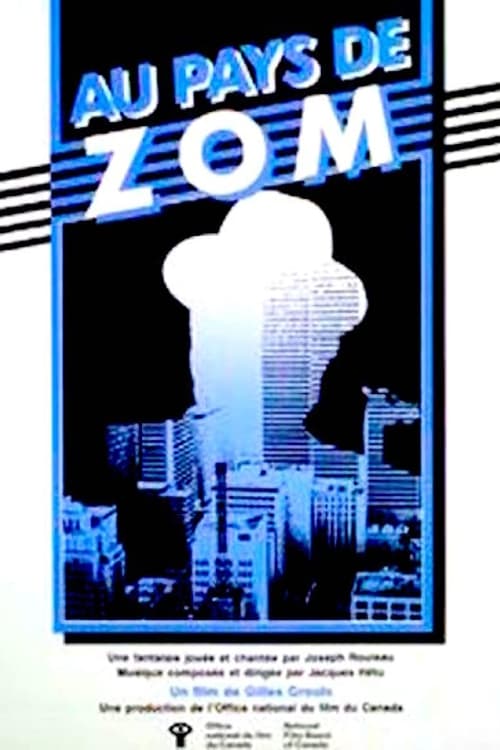
A film-opera divided into nine segments, Au pays de Zom tells a day in the life of Mister Zom, a capitalist infatuated with his own person, whose conformism is only matched by his artistic velleity. A thematic sequel to his movie filmed with Mexican peasants, here Groulx asks, by making a business man sing, a second question on happiness: this time about the ones for whom happiness is linked with the possession of overabundance. He delivers, by developing the theatrical dimension with great emphasis, a social pamphlet with a strong satirical charge that he himself qualified as a "neo-surrealist fantasy".
Au pays de Zom
This film shows the exacting procedures used during the 1970 replacement of the calandria in the NRX nuclear reactor at Chalk River. Produced by the NFB for Atomic Energy of Canada Ltd.
Reconstruction of the NRX Reactor 1970
Through the use of film as a means of communication, the people of Fogo Island, Newfoundland, voice some of their daily concerns. This film looks at the success of the longliner and the problems encountered in obtaining and running it.
Dan Roberts on Fishing
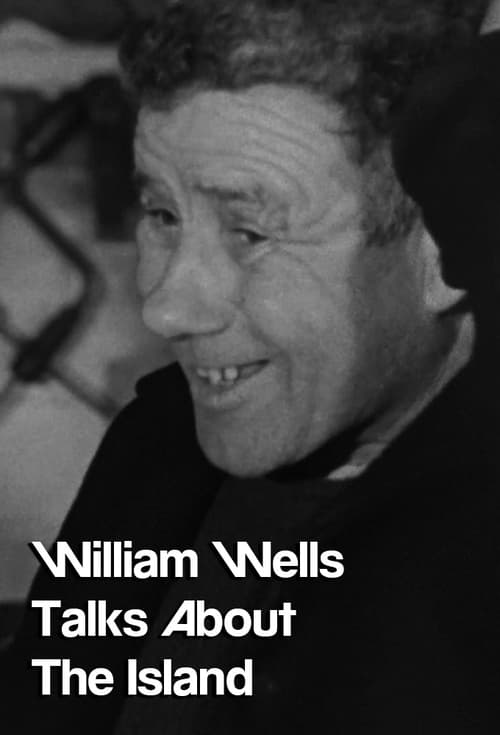
William Wells defends the viability of Fogo Island and expresses his apprehension about the exodus of young people.
William Wells Talks About The Island
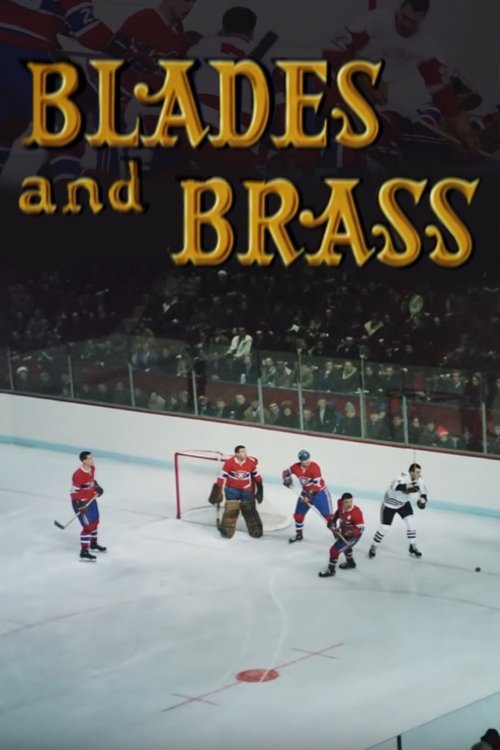
This short documentary showcases the best of the 1967 National Hockey League season, set to music in the Tijuana Brass style. Filmed with an eye to grace and style of movement, the film suggests the bullring as much as the hockey arena.
Blades and Brass
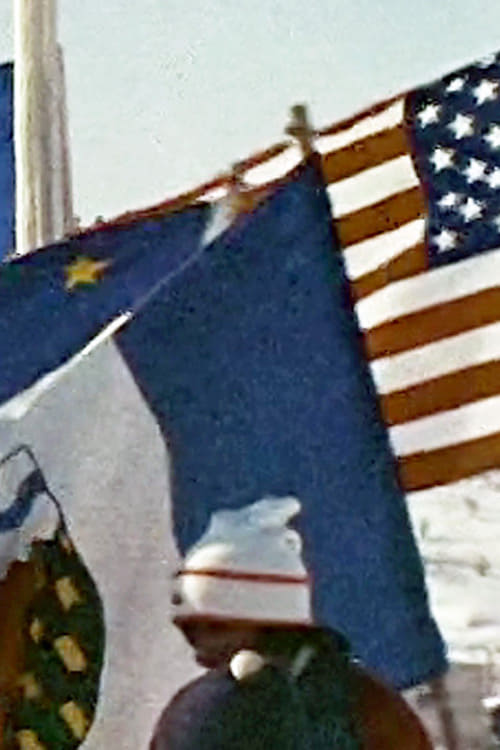
The Games included many sports seen in Olympic competition, plus others--for example, pirautaqturniq, the Inuit skill of hitting an object with a ten meter-long sled dog whip. This film captures the all-out participation in the week-long events hosted by Whitehorse, capital of the Yukon, with competitors from all over the Arctic including Alaska, and with observers from the Soviet Union.
The Second Arctic Winter Games
A new system devised by Canadians whereby the dryout process in fuel bundles for a nuclear reactor can be completely checked, thereby preventing uneconomical burnup. Produced by the NFB for Atomic Energy of Canada.
U 111 Dryout Experiment
By using film as a means of communication, the people of Fogo Island, Newfoundland, voice some of their daily concerns. In this film, Islander Chris Cobb sings his own songs and recites his poems about the old days and the recent changes on Fogo.
The Songs of Chris Cobb
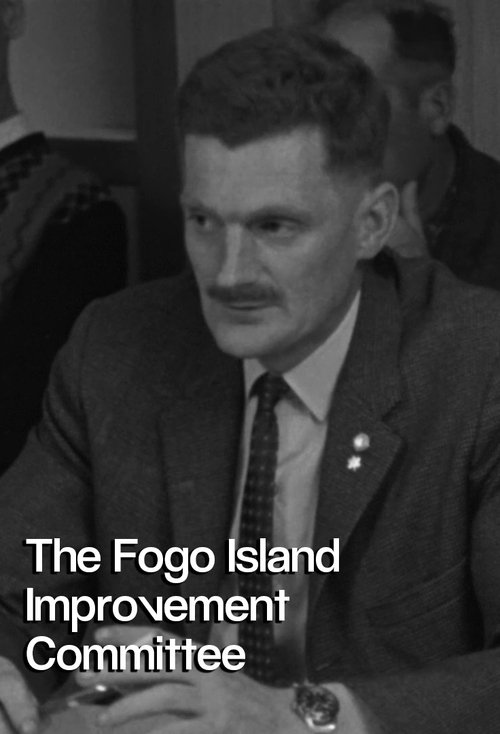
The Fogo Island Improvement Committee discusses the building of a speaking platform for the anticipated visit of the Newfoundland premier.