Acting
No description available.
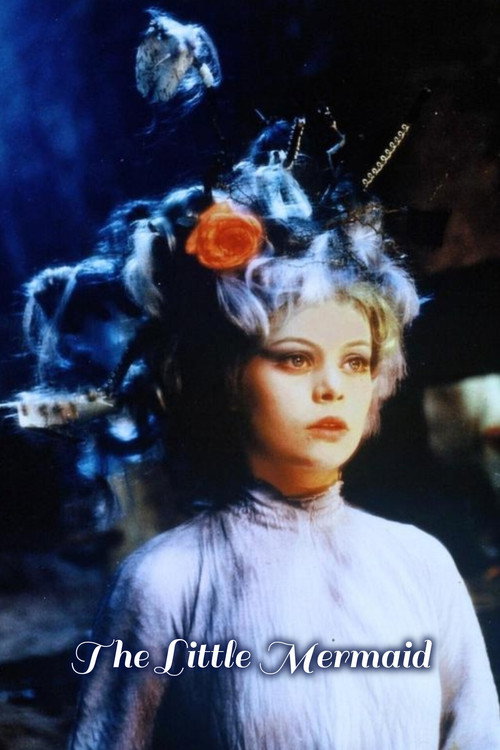
The little mermaid rescues a prince from drowning and falls in love with him. To be with him, she makes a deal with the evil sorceress: her beautiful voice against a life on land.
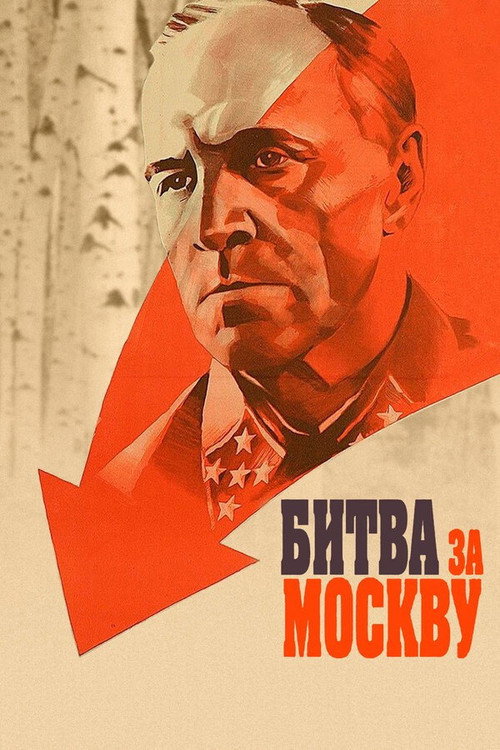
The Battle of Moscow is a 1985 Soviet multi-part war narrative, presenting a dramatized account of the 1941 Battle of Moscow and the events preceding it. The battle was the first major defeat of German Wehrmacht in the Second World War.
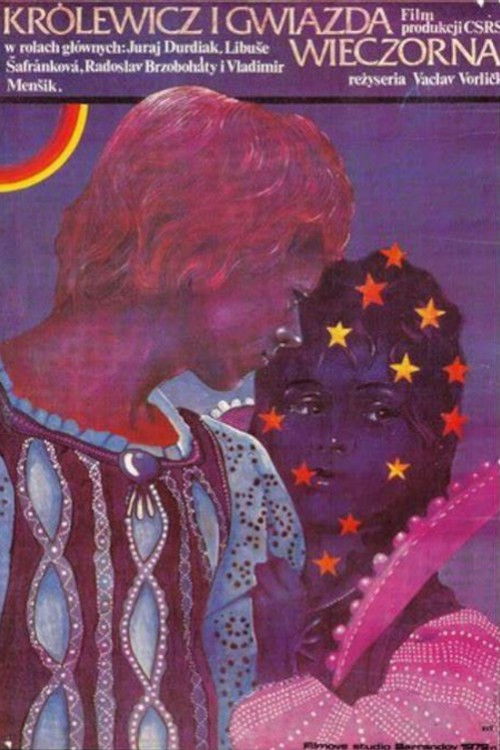
A wonderful fairytale about looking for love, defeating evil and learning some valuable moral lessons on the way. The story begins with the young Prince Velen, who is left in charge of the castle and his three sisters. During the night he has a visitation and before he knows it, all his sisters are married off and gone away, and himself falls in love with beautiful Večernice. Now he is faced with the King's wraths and charged with a quest. The journey, however, hides obstacles and danger; not only treacherous merchants and robbers, but also a evil wizard Mrakomor...
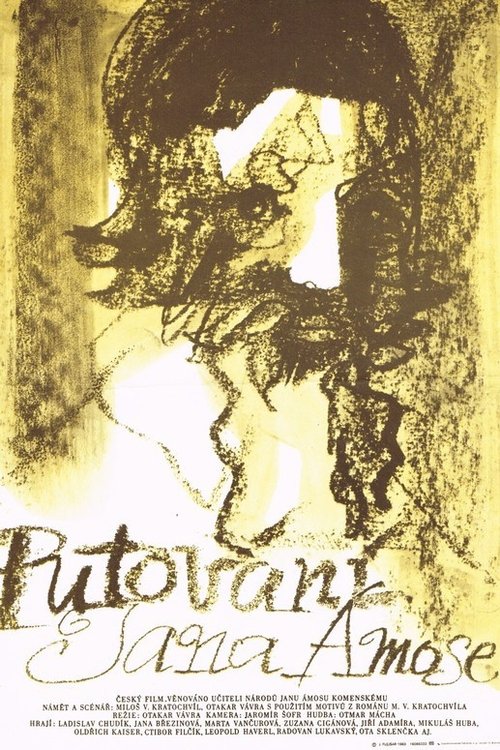
The distressing fate of the Czech great Jan Amos Komenský, forced to leave his homeland after the White Mountain disaster. It depicts his encounters with various European personalities of the 17th century - the Queen of Sweden, artists and scientists. It emphasises the hero's nobility, but also his inner resilience, which allowed him to overcome many personal and professional tragedies. The parable of The Labyrinth of the World and the Paradise of the Heart becomes part of the story. However, Comenius's concept is sculpturally lifeless and, in particular, the religious dimension is "erased" from it. The simplistic biography therefore does not avoid schoolboyish dryness.
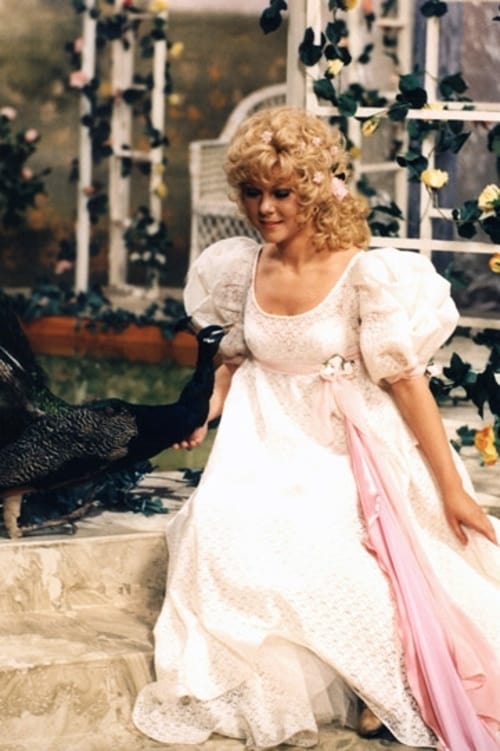
A television adaptation of one of the charming fairy tales by poet František Hrubín. Princess Rose falls in love with a peacock so much that her parents fear for her health and chase the bird out of the royal garden. No one suspects that he is an enchanted young man. When he appears to the princess in a dream as the Peacock King and tells her that they can meet if he crosses the sea and endures the mountains, Rose does not hesitate for a moment. Difficult trials await her, but in the end she stands up to them well and becomes the Peacock King's wife.
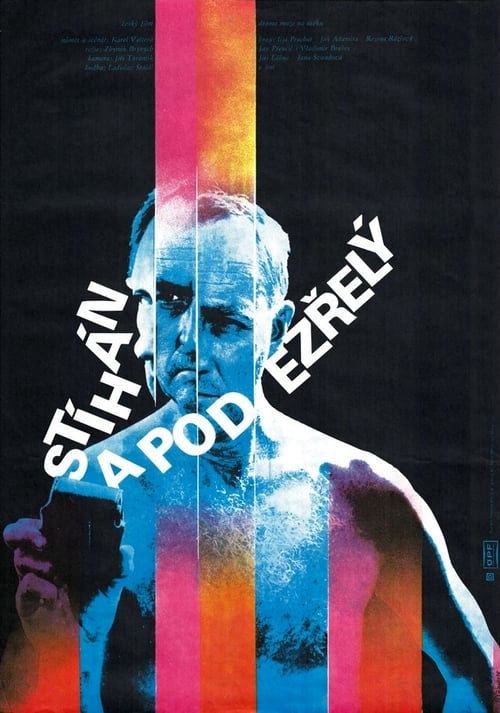
Late at night Eva Trojanová returns home to an agitated husband; three days later, her body is found with bruises on her neck. Her spouse, missing after a business trip, becomes the prime suspect and flees to northern Bohemia. When investigators learn he is innocent, Captain Hart continues pursuing him, not as a criminal but as a desperate man whose plight may endanger himself or draw him into conflict with the law.
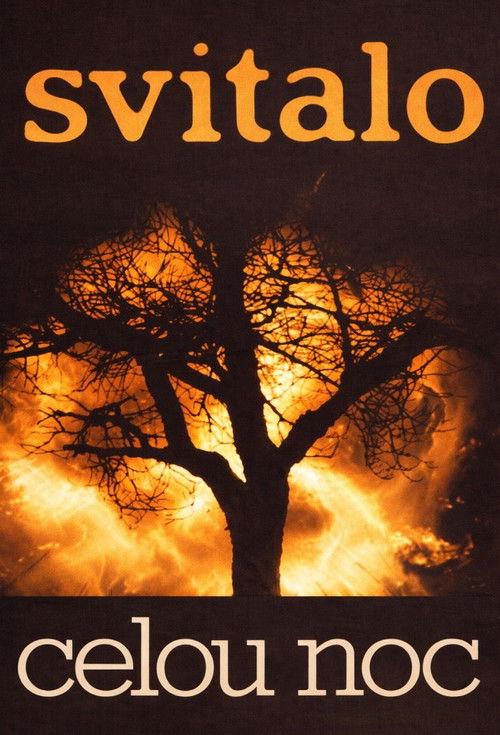
The Czech film Svítalo All Night was made to commemorate the 35th anniversary of the liberation of Czechoslovakia by the Soviet Army and is dedicated to all those who fought and gave their lives in Prague in the May Uprising of 1945. Behind the historical events, the creators see mainly their simple, unassuming participants. Thus, we are presented with a number of apt portraits, whether it is the central hero Dr. Soukup and nurse Daniela on the side of the fighting Czechs, or a captain and a simple private in a Red Army unit coming to the aid of the fighting Prague, or an old, war-weary German major, who only realises the senselessness of the war at the sight of a fanatical, cynical lieutenant for whom Nazi ideology represents the meaning of life.
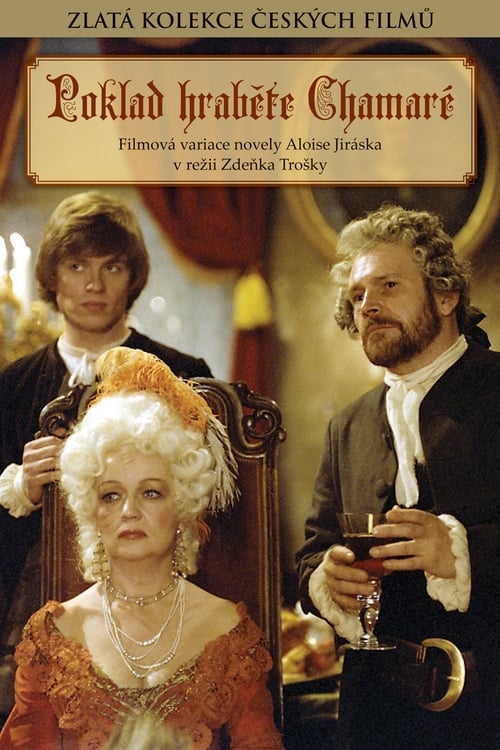
In 1781, Countess Marie Karolina shelters an influential Abbé, a former Jesuit who vehemently opposes progress. Only Dr. Kamenický dares challenge him, restoring the countess’s zest for life. Her husband, obsessed with finding a hidden treasure, neglects the estate and seduces her ward Renáta. Meanwhile, returning exile Václav’s secret reunion with Frantina in cave hideouts is betrayed by jealous suitor Tomáš, who, with the Abbé’s help, unleashes a violent manhunt.
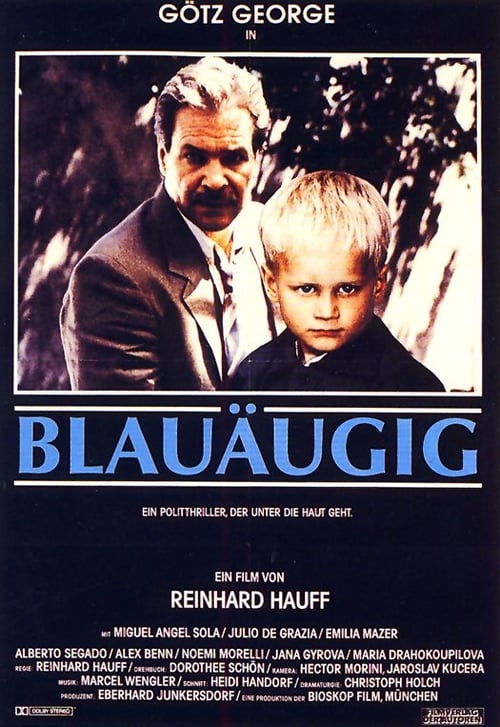
In this suspense story, the main character, Johann Neudorff, immigrated to Argentina from Germany after World War Two, and has become a successful businessman there. He is unconcerned with the nature of the government there, which at the time of this film (1978) is a military dictatorship. His comfortable existence is disrupted when he discovers that his beloved daughter Laura has become the lover of a political activist who is on the military's hit list. When his daughter is kidnapped, Johann attempts to use his government connections to free both her and her lover. However, his son Alfredo undermines his efforts, and Johann himself is incarcerated in a military prison, but not before he discovers that his daughter and her lover are both dead, killed by the regime.
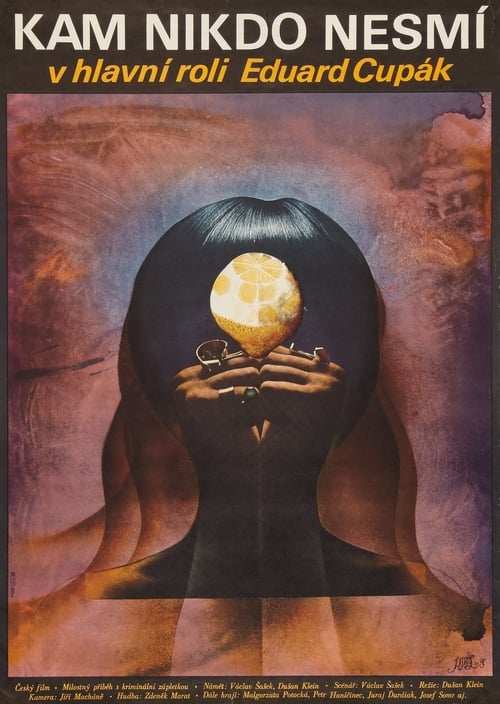
Lucie Rýdlová is found dead at a destroyed car after a night accident. The seat position shows that she cannot have been driving, and the dissection proves that she had died about four hours after the accident. It is for sure that a timely medical assistance could have saved her life. A pretty young tennis player Lucie lived at her grandmother, because her parents had been working abroad. Criminalists found out that the girl was going out with the interpreter Valenta (Eduard Cupák), who was twenty years older than her, divorced and a bit egoistic man.
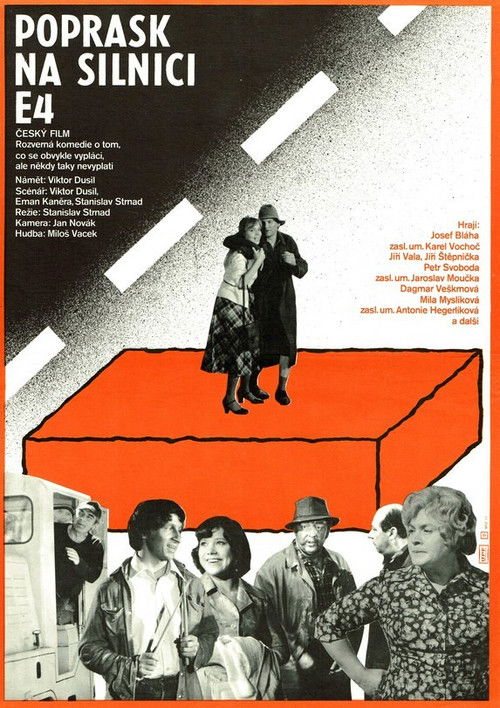
Car transport of the locomotive is difficult, as the cargo is bulky. The three-man crew of the tractor therefore experiences many difficulties on the long journey across Bohemia...