Writing
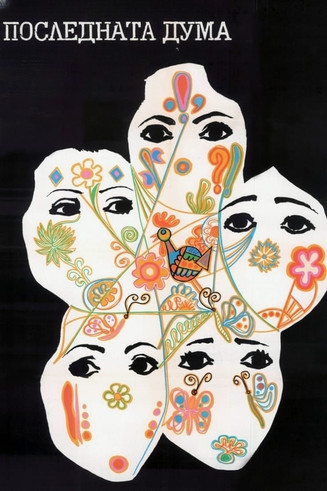
The seven women inmates in Poslednata Duma are imprisoned because they have been associated with partisans opposing the fascist puppet government of the German Nazis. Each of them has the power to save herself if she will betray the others, and each bravely refuses to do so, even though it means they all will die. Despite their grim situation, and the atrocities perpetuated on them as political prisoners, they manage to laugh, and even celebrate a festival.
The hero watches as people honor the monuments of great people. He is obsessed with becoming great. He takes out one eye, like Admiral Nelson. He cut off his ear to look like a Van Gogh. He knocks out the other eye to be blind like Homer. In the end, he sets himself on fire, like Giordano Bruno. But people don't notice him. . .
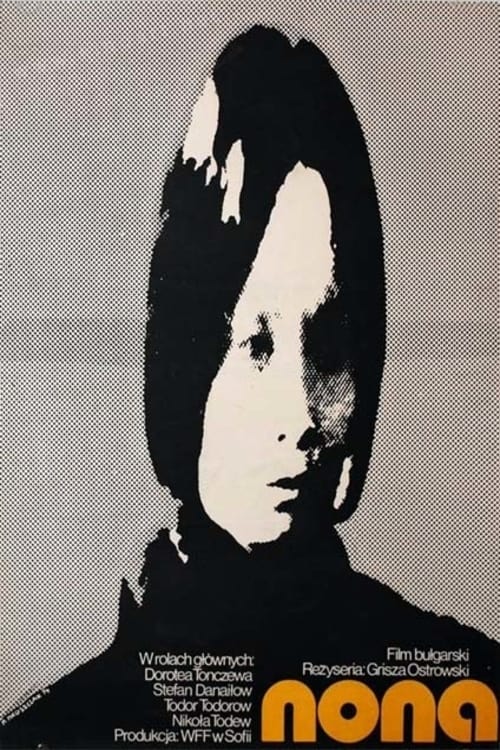
The beginning of the 20th century. The young Nona comes back to her father's farm from Switzerland. She meets colonel Galchev. The officer expresses his love for her. The teacher Yosif who is in love with Nona organizes a revolt of the villagers with no property. Armed villagers rob the farm. Galchev and his soldiers arrive. During the shooting, the colonel is killed. Nona accuses Yosif of Galchev's death. The carriage of Nona's fiancé, who travels from Switzerland to the village, passes by the coffin with Galchev's body. A second after the fiancé enters her house Nona kills herself.
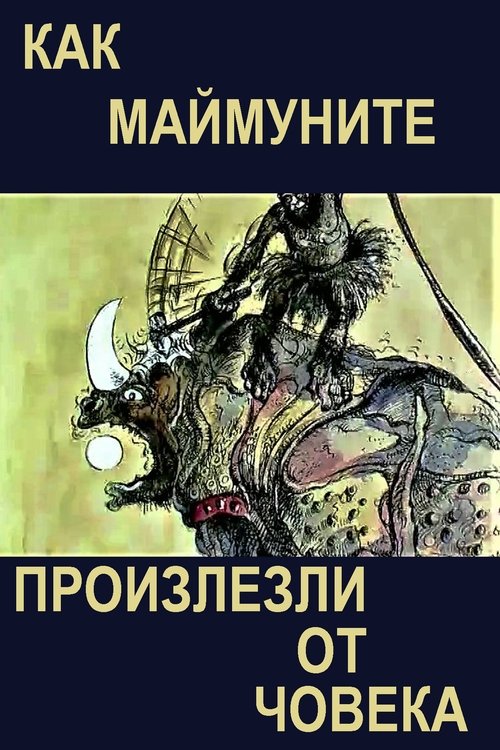
A poor African tribe gradually turned into monkeys. In order to become human again, they had to find the person who would lead them to the spirit, to the dream, to climb to the top of the tree of life.
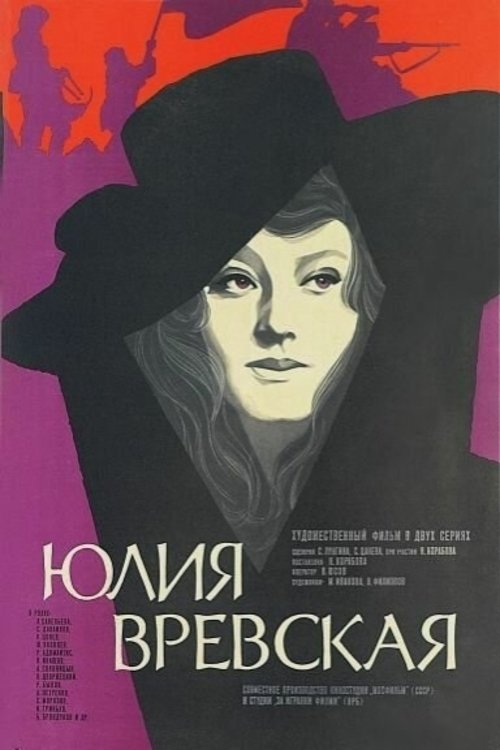
The film is based on a true dramatic story of the fate of a wonderful Russian woman - Countess Yulia Petrovna Vrevskaya, one of the first Petersburg beauties. The events of the movie take place during the Russian-Turkish war for the liberation of the Bulgarian people from the Turkish yoke. An early widowed baroness, having left Petersburg, and having invested all her money in organizing a volunteer sanitary detachment, she becomes a sister of mercy on the front of the Bulgarian war with the Ottoman Empire of 1878.
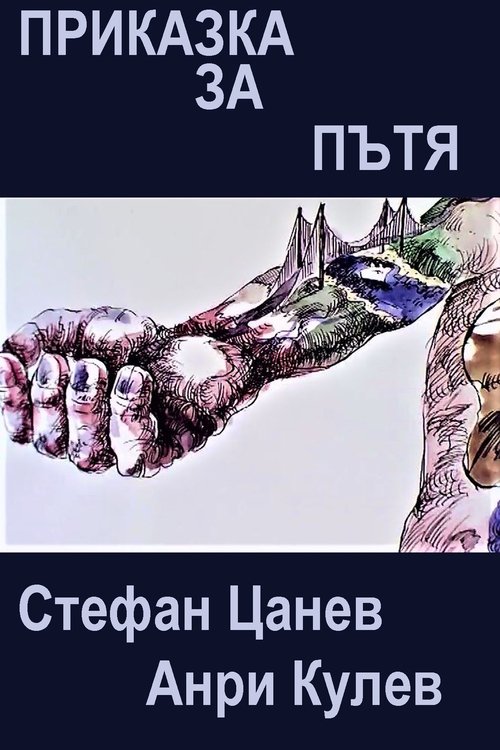
On the country road, he gets tired of being trampled by horses and carts and sets off to see where the world is going. After encounters with intercity roads, the main road, and the highway, it finally reaches the end each time— where the road begins. Then a small path appears, along which the man walks up— Charlie Chaplin's little tramp.
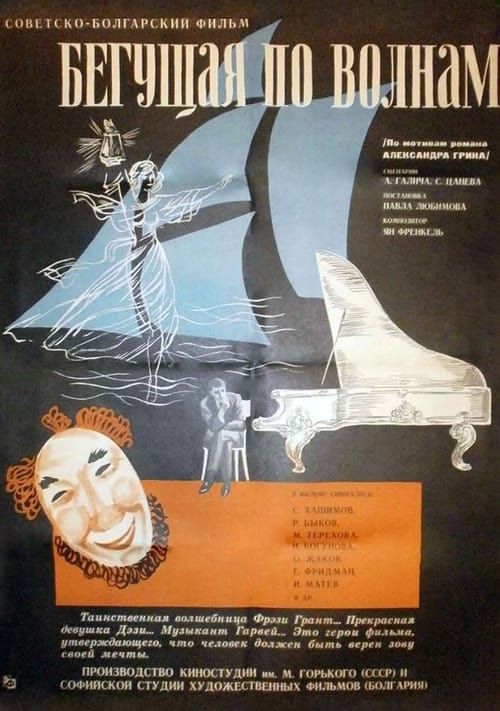
A pianist named Garvey, while traveling on a tour, gets off the train to buy cigarettes, and learns from a salesgirl that the cities imagined by Grin really exist. Forgetting about his tour, he goes to one of these cities, where he meets the captain of “The Waverunner”…
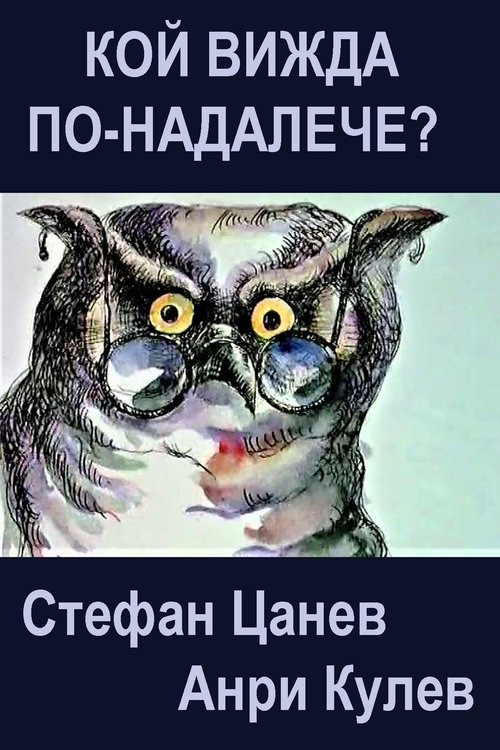
The eagle, the sun, the mole, the owl and the fish argue over who sees farther. Each of them passionately claims that his gaze is the most important and sings the song "Further Away" aloud. While the answer lies elsewhere.
This is a series of cartoons. It is united by the poetic texts of Stefan Tsanev, which are intended not only for children. Their irony is directed against selfishness and grandiosity. It is argued that the human dream has more power than vanity.
On the last night before his execution, Levski invited his former friends and comrades to a secret supper. The commander Panayot Hitov, the head of the Secret Revolutionary Police - Hristo Ivanov-Golemiya, the wife of the chairman of the Bulgarian Revolutionary Central Committee - Natalia Karavelova, and others arrived: Dimitar Obshti, Atanas Popchinov, Vutio Vetov, Father Matei, and the murdered boy. Levski asks questions, and his companions answer and accuse each other. Everyone has their own excuse and their own "truth." Only Levski remains steadfast in his loyalty to the people, until his death.