Acting
Modern comedy.
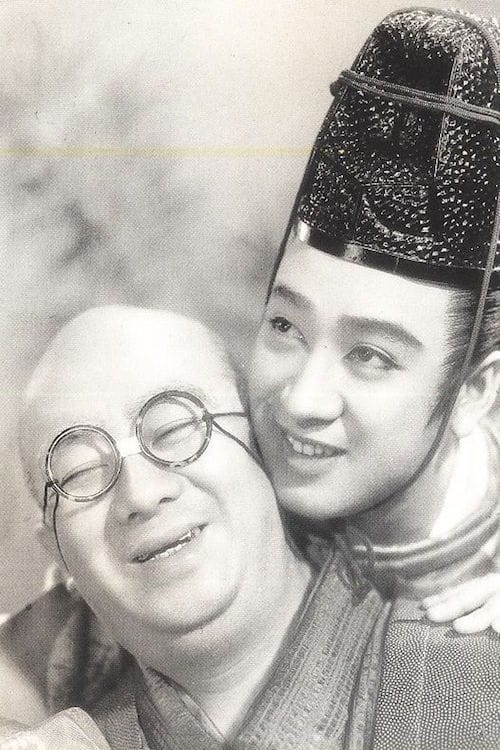
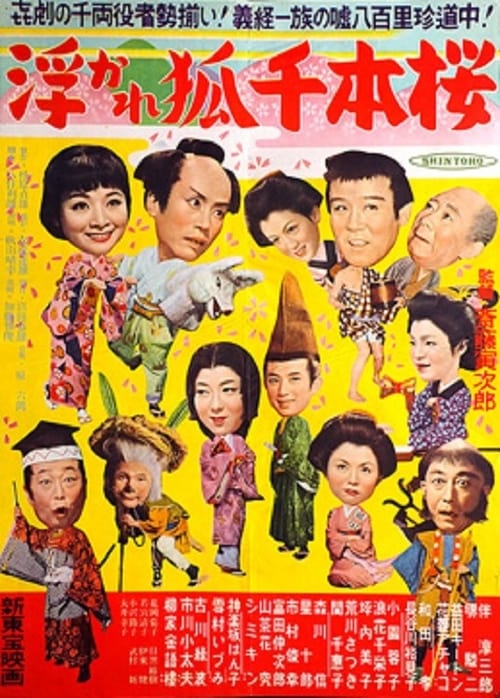
A sentimental tale of the filial love between shogun Iemitsu (matinee idol Hasegawa) and his loyal old retainer Hikoza (comedian Roppa, playing somewhat against type).
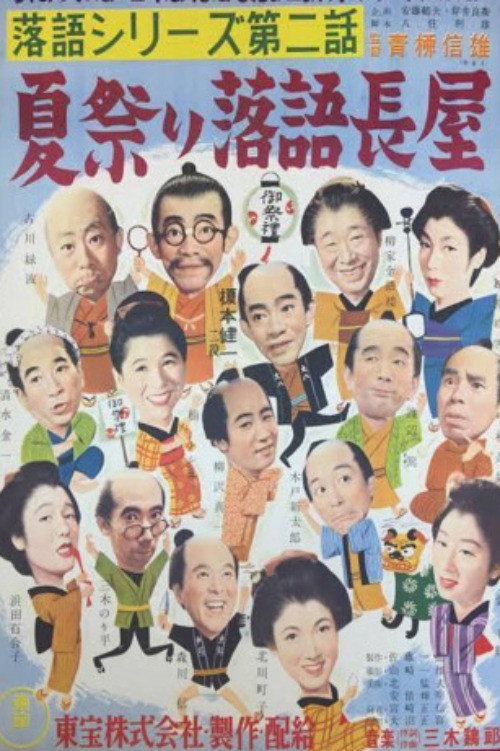
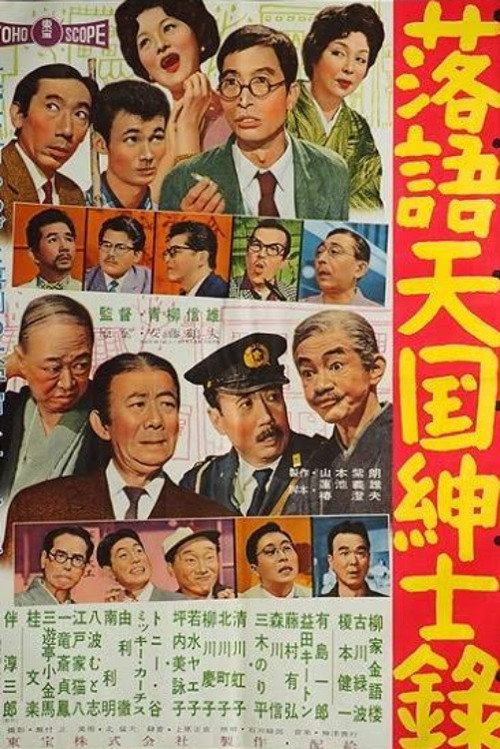
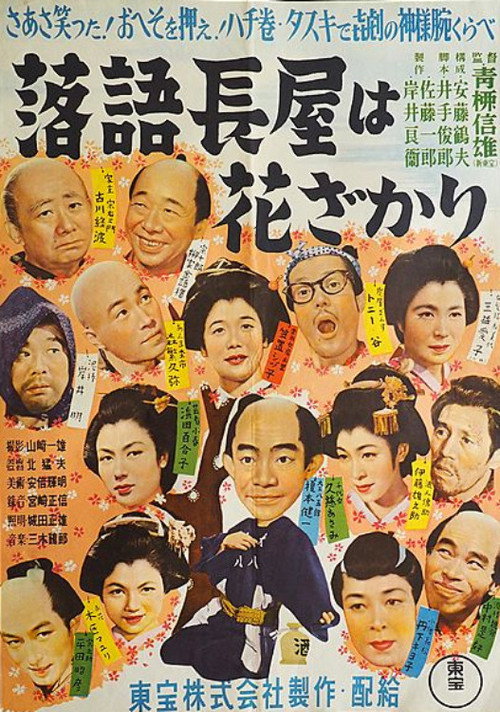
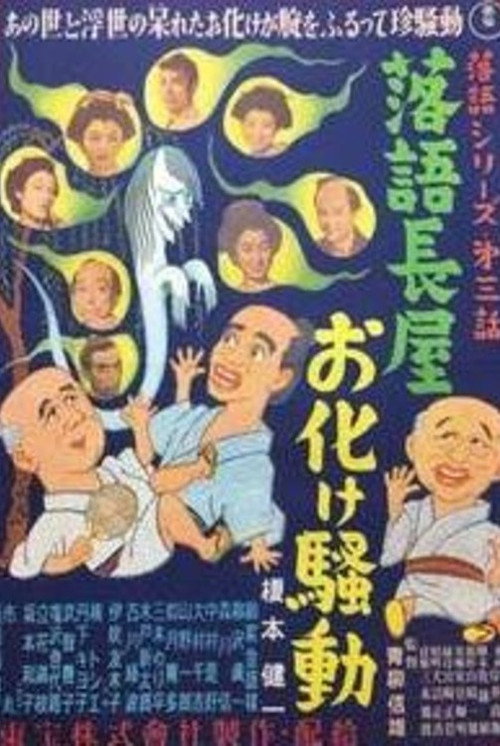
Hachigoro, a carpenter living in the Rakugo Tenement, is an honest and skilled craftsman, but he loves sake more than his three daily meals, and had even been barred from entering the Akasaiya shop where he worked. However, thanks to the intervention of the landlord he was fortunately allowed back in, and Oka, the landlord’s maid who had long harbored feelings for Hachigoro, sent him a celebratory kimono as a gift.
No description available.
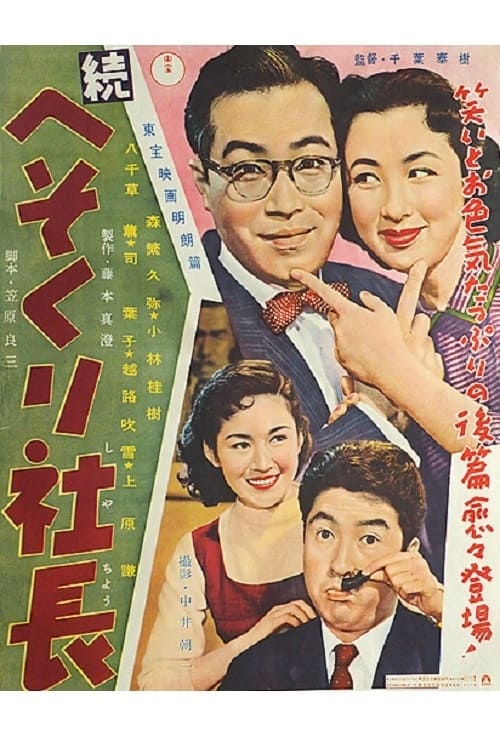
The president learns that the company's biggest stockholder is also a friend of his singing teacher and spies on his movements.
Based on a comic strip by Kaoru Akiyoshi. First in a four part film series.
Japanese comedy film.
Soemon, the master of Gidayū-style madcap performances, has gathered the entire tenement block again tonight and is tormenting everyone with his terrible Gidayū singing.
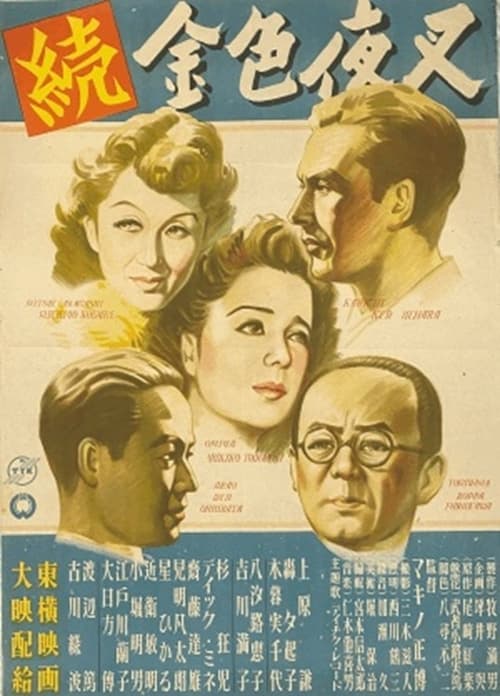
1948 adaptation of Golden Devil, part 2
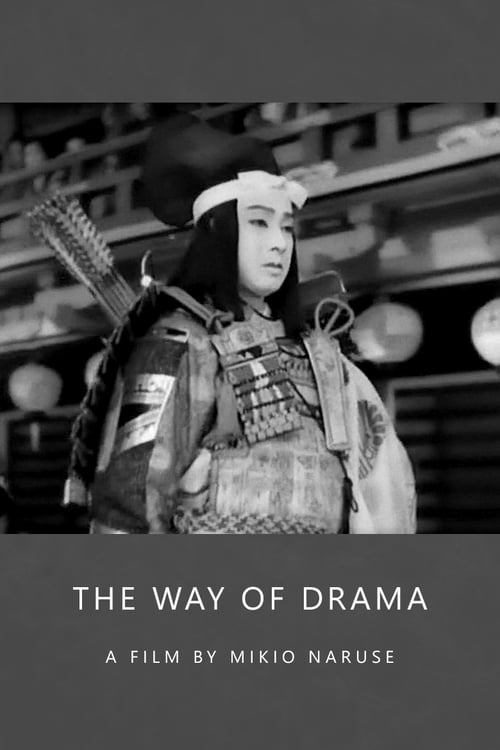
The Way of Drama unfolds in the world of kabuki in Osaka, but also addresses the politics of popular culture and the rivalry between theatrical styles like those used by amateur actors to dramatise contemporary events.
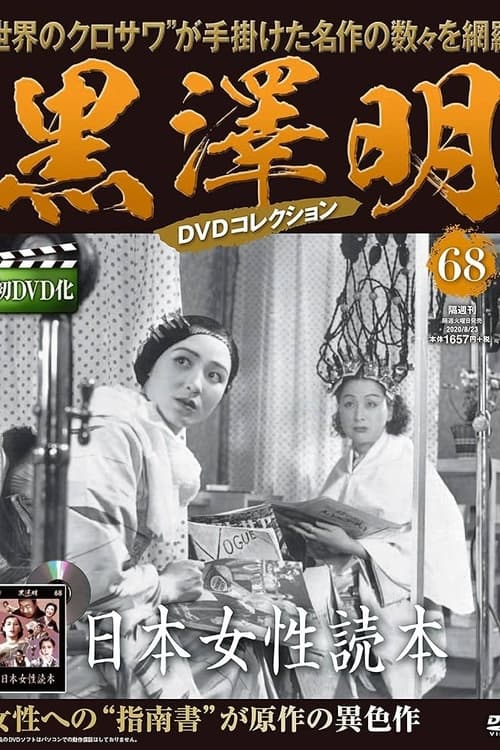
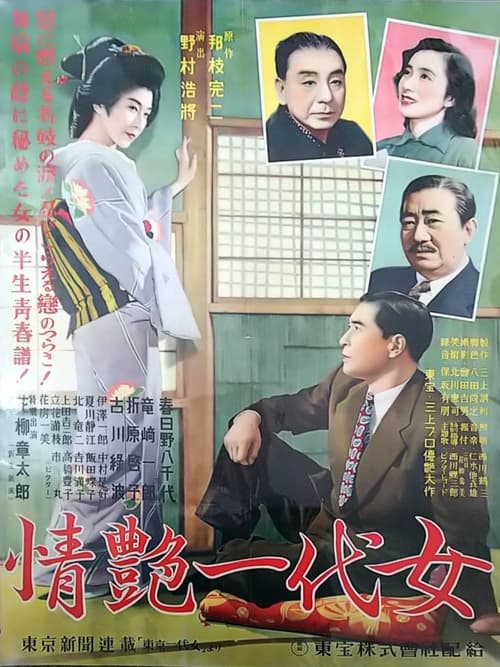
Based on the serialized story "東京一代女" which appeared in Tokyo Shinbun. A geisha known for her dancing begins training with the Onnagata Kikugoro VI as a dancer. She leaves her geisha life to pursue this new path, but falls in love with a naval officer who is the younger brother of Kikugoro and who saves her from a stalker monk. Kikugoro hears of this and becomes enraged. The naval officer dies in the Second Sino-Japanese War, causing the lead to go back home to her mother where she meets, and falls in love with, a poet who resembles her now-deceased fiancé. This poet leaves her in order to force her to dedicate her entire life to dancing, which he sees as her true pursuit.
An early Tōhō salaryman musical.
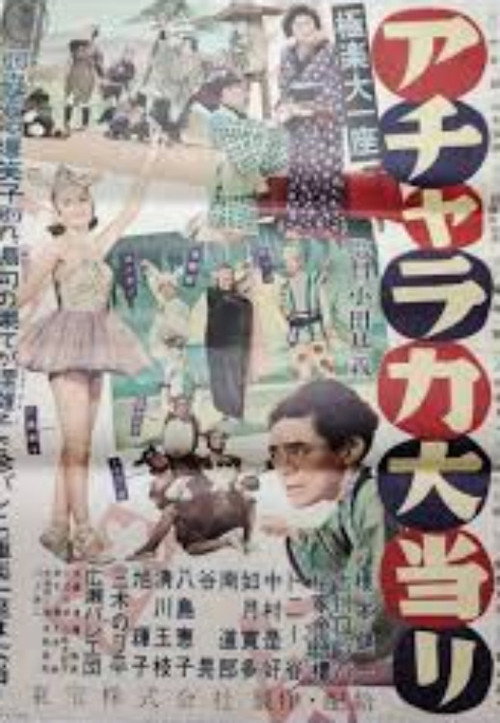
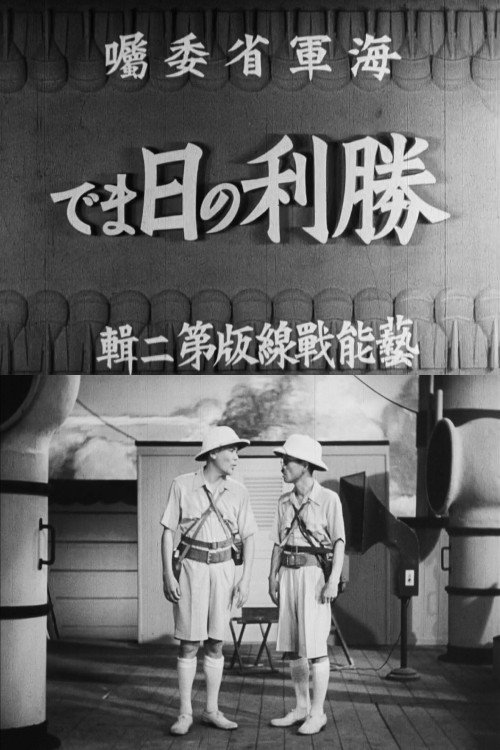
An Invention laboratory is working on the creation of a performance 'bomb' in the shape of a rocket that could be delivered to the front in order to entertain and amuse the national troops. Inside this rocket would be tiny performers. Once launched from the laboratory and landed amidst the Japanese troops the soldiers could enjoy the performers. The laboratory succeeds and the rocket is built. It bears the insignia, 'until the victory days.' The Japanese government began a program of shooting and disseminating propaganda and entertainment movies for its troops during World War II. Only 15 minutes of the film survives.
Set in a bustling 1950s parlor, a beautiful counter clerk falls for a wealthy businessman’s son, only to have their romance derailed by a ruthless loan shark and a mounting family debt. As the parlor faces ruin, the narrative weaves through slapstick antics, musical numbers by Enka legends, and surreal interviews with real-life cultural figures. A chaotic "blueprint" for the Pachinko subgenre, this musical dramedy captures the obsession and desperation of the silver balls.