Camera
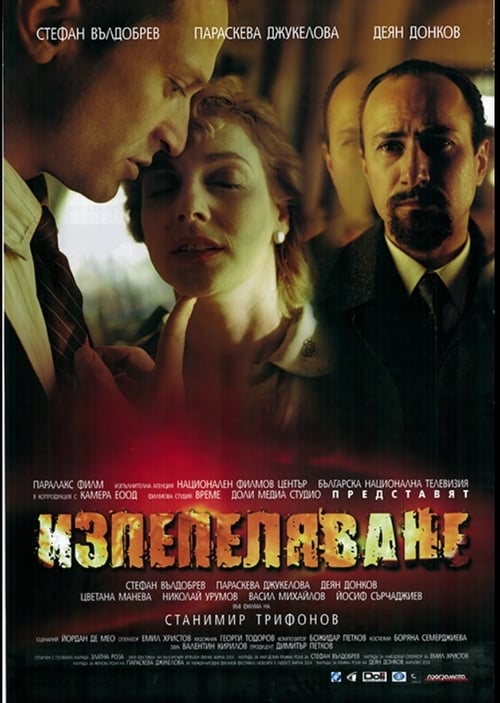
Two trains uncontrollably move towards each other within temporal boundaries of a human life. One of them is taking a genial young man to his unforeseen future; he would marry his beloved; have a son; become a brilliant doctor; do his duty and save the live of enemies of the communist regime; get a 20-years sentence for that. Prison would turn out to be an unbearable nightmare; his wife would eventually give in to the tortures of the authorities and seek divorce; this would mean no one to visit him in prison. 15 years without any news about his child, only a snapshot of his family on which the tree of them are smiling and happy.
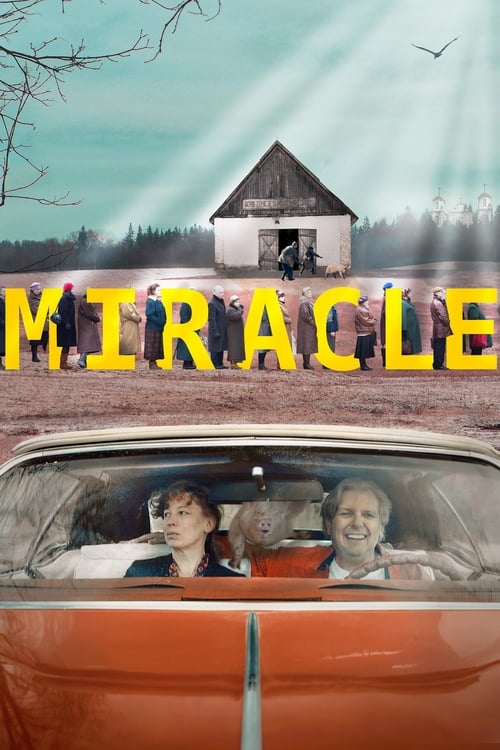
Close to bankruptcy, Irena, the owner of a struggling pig farm in a tiny post-Communist town, finds a surprising benefactor in a handsome American man who appears to be the answer to all her prayers.
Follows the parallel stories of a number of characters who are trying to change their lives via the Internet or are simply having fun online.
A 70-year-old man, former mayor of a village, recalls his life: the difficult post-war years, the forced collectivisation of the land, the migration of the population. He has sacrificed his personal life trying to perform his office conscientiously.
In an authoritarian police state, a charismatic schemer is fired from his job as a secret-police informant, conjures up his own imaginary spy network and builds up an archive that he turns against his former masters.
Bori (17) refuses to be harassed by the boys. Her artistic, but unstable mother does not give her the support she needs. Her caring grandfather enrolls her in a judo school. There, she realizes that before beating others, one must win the battles within oneself.
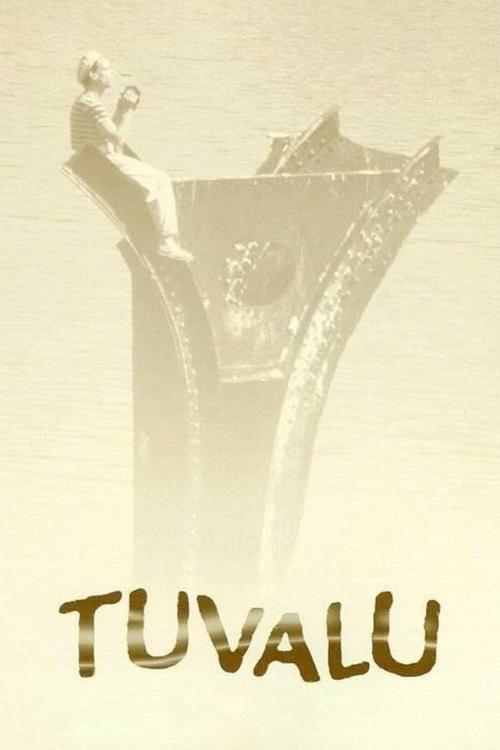
Set in a dilapidated indoor swimming pool (the Central Baths in Sofia), the film details the efforts of Anton, a clueless dreamer who yearns to sail the world, and Martha, the button obsessed cashier, to maintain the illusion for Anton's blind father that business is thriving. Working to sabotage their efforts is Gregor - Anton's brother - an amoral developer who is determined to raze the entire town and construct a sprawling condominium complex. Gregor engineers an accident that seems certain to doom the business and in the process steals away Eva, the beautiful woman of Anton's dreams. Will Gregor's dastardly plan succeed?
The story of Alex, who, with the help of his charismatic grandfather, embarks on a journey in search of his real self.
Moth is freed on parole after spending time in prison on a wrongful conviction of murder. Jailed shortly before the Bulgarian communist coup of 1944, he now finds himself in a new and alien world— the totalitarian Sofia of the 60s. His first night of freedom draws the map of a diabolical city full of decaying neighborhoods, gloomy streets, and a bizarre parade of characters.
For the last 17 years, Bulgarian woodcutters have left their families to go and work in the forests of the far north of the soviet union. They have built villages there and set up a social order. The episodes and interviews in this film show us this isolated and little-kown society and help us to understand the individual problems it creates.
In a dystopian future, a nation of bio-titans has been created and the female sex and procreation have become obsolete. As the Earth turns toxic, the bio-titans are eager to colonise the cosmos on board a colossal spaceship, taking with them only one female body kept barely alive as a reminder of the troubled past. But everything changes when the immortal calligrapher Krypton, tasked with creating an indestructible copy of the entire written heritage of his kin, sees a forbidden book turn into a feisty girl, Gargara.
2003 Bulgarian film
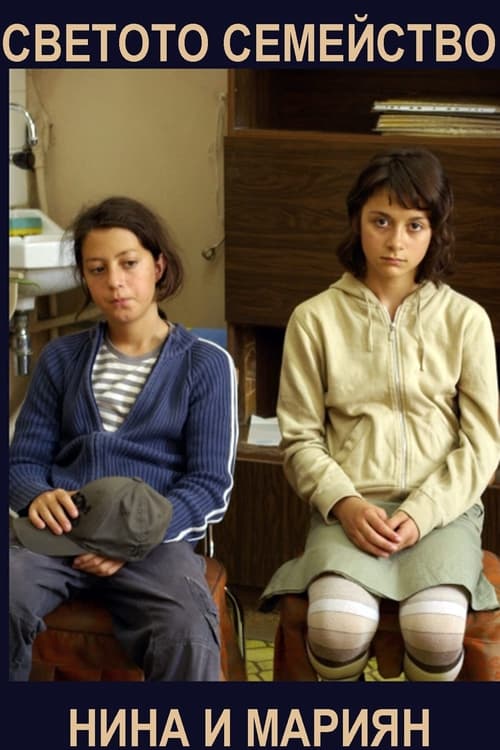
Nina is 12. Her mother, Nazca, who was laid off from the factory, finds work at a remote mountain dairy. Nina cannot continue her studies, but this is the only way to avoid repeating her mother's fate.
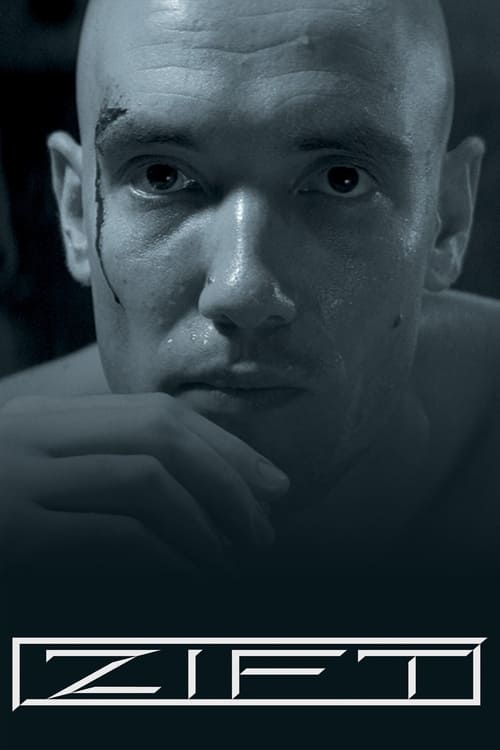
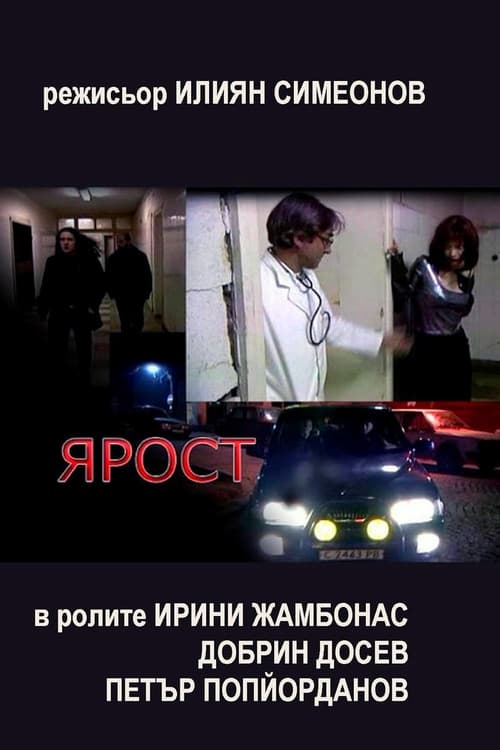
A young man attempts to save a prostitute from a prostitution ring. His fury is two-sided: on one hand, it is caused by the futility of honesty, on the other hand, it is caused by the triumphs of treachery.
Viola tries to gain the respect of her new classmates and experiences her first love.
At the airport, Slavi tells his life's story to a young customs officer. As children, Nelly promises Slavi to marry him. The two teenagers are passionately in love with each other but after some time Nelly falls in love with another guy. Slavi takes up drinking and gets into trouble with the Bulgarian militia (police) because of his family background. This is when he decides to defect to the West. After staying at a refugee camp in Austria and another desperate love, he sets out to the United States. There Slavi makes some new friends who help him buy a truck. He hits the roads of America, where he comes across an Indian who sells him an arrow. The vender tells him this amulet will bring his love back. Eventually, Slavi comes back to Bulgaria, where communism has collapsed. His beloved Nelly lives alone with her daughter. One day Slavi meets her again...
The homeless, underground residents at a post-communist train station and their intimate confessions. A film not about misery, but the lust for life and color even at the depths of human despair.
Three humorous but bitter stories turn into an existential drama in the life of the little people, who must take it all in with dignity and find some sense in the absurdity of it all. The acceptable way to present that is through the means of reality, severity, frankness, concise dialogue and documental simplicity.
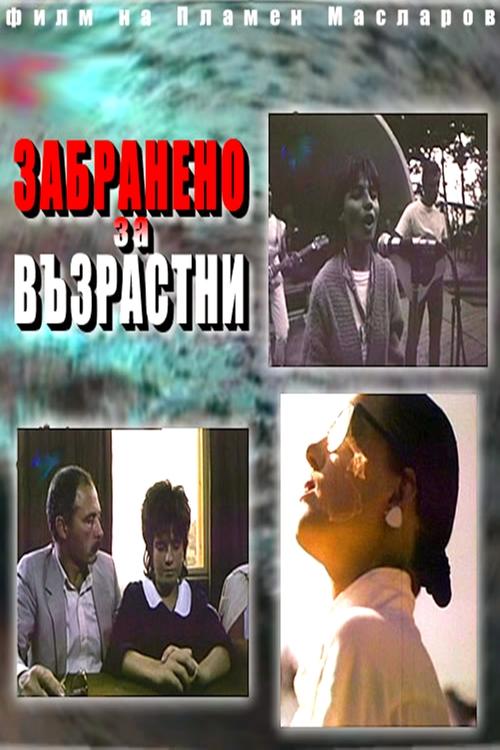
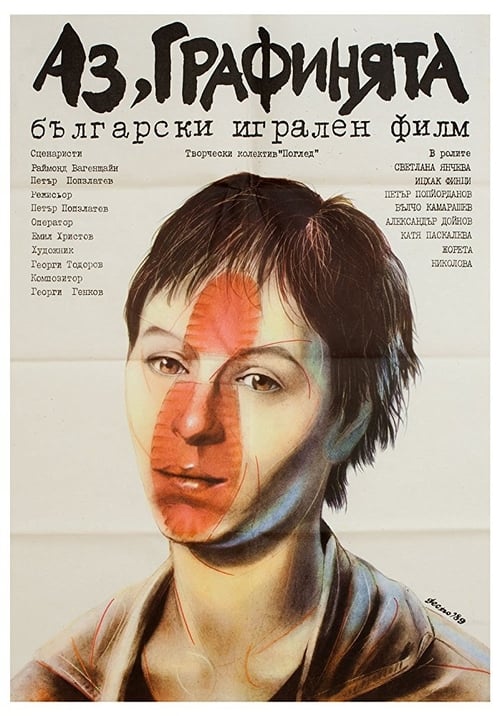
A teenage girl's rebellion through drugs becomes a metaphor for the struggle between individuality and totalitarianism. Amidst the political upheaval of 1968, Sybilla (the "Countess") is sent to a girls' re-education camp when she is caught using drugs. After a failed affair and an abortion, Sybilla's drug use lands her in a mental clinic where she resists efforts to remold her personality. Based on a true story.
The story of Omnipresent is centered around Emil, writer and owner of advertising agency who gradually becomes obsessed with spying on his family, friends and employees via hidden spy cameras. What starts as an innocent hobby ends up as a total disaster, as in the process he abuses his new power and eventually comes to realize that some secrets should be left uncovered.