Camera
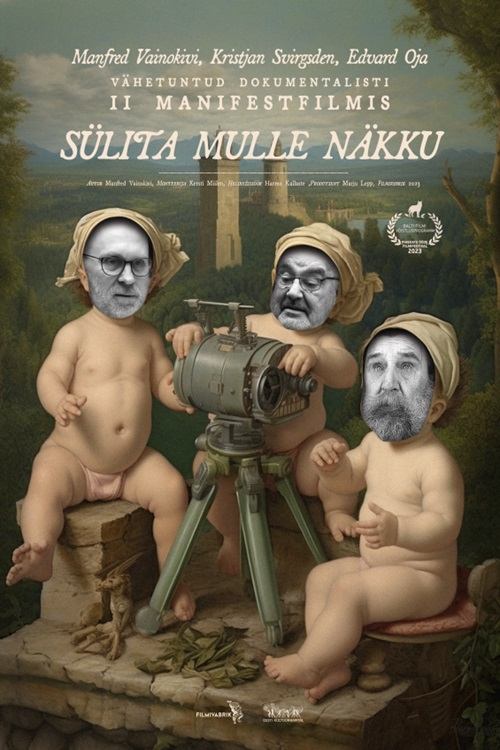
A different history of the Cold War: how Estonians under Soviet tyranny began to feel the breeze of freedom when a group of anonymous dreamers successfully used improbable methods to capture the Finnish television signal, a window into Western popular culture, brave but harmless warriors who helped change the fate of an entire nation.
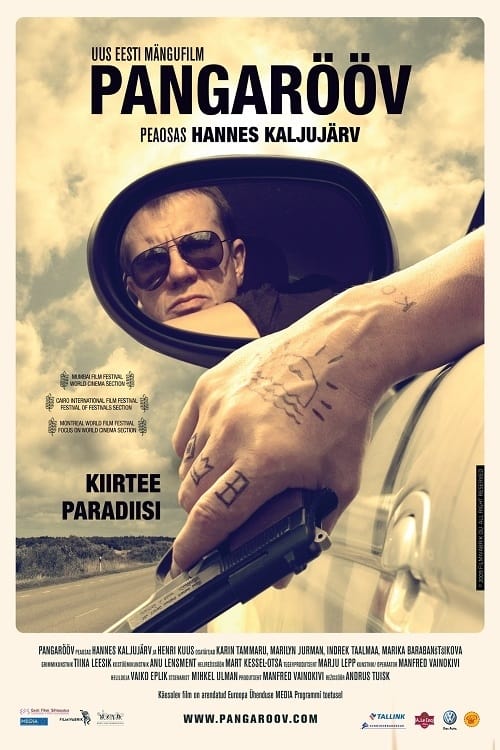
When a former fistfighter Madis leaves the prison, he feels he will get another chance in life. Nothing can go wrong this time. Madis will be accompanied by his nephew who has something completely opposite in his mind. A game begins where both the weak and the strong get more and more opportunities.
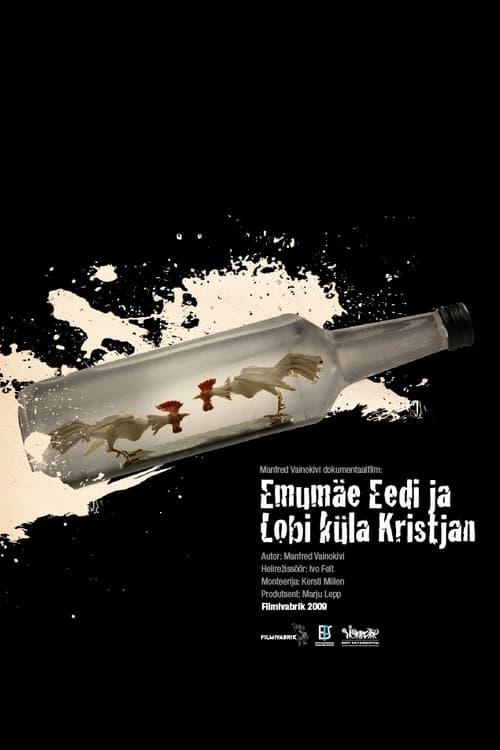
This small, personal, honest experiment on a minimalist budget is edited from 12 years of nostalgic archival footage and ironical pranks. Mostly it is Manfred behind the camera. He follows Kristjan’s encounters and drunken conversations with the self-proclaimed cinema pioneer Eedi. Chess master Eedi can barely walk and can’t hear, but bitterly scorns Kristjan for filmmaking. Unstoppable dreamer, Kristjan continues to imagine a long-postponed film about the painter Jüri Arrak with never-ending hope to leave a mark in Estonian culture.
A portrait of two ageing cinema professionals who find motivation to live through endless quarrelling and challenging each other. An old film director and a camera man know a secret - when out of work you'll have to get fun and turn your own life into a film. And who would be a better partner than old colleague and mate. Their endless nagging is very much Estonian style, once one is up and the other down, and then it will all turn around.
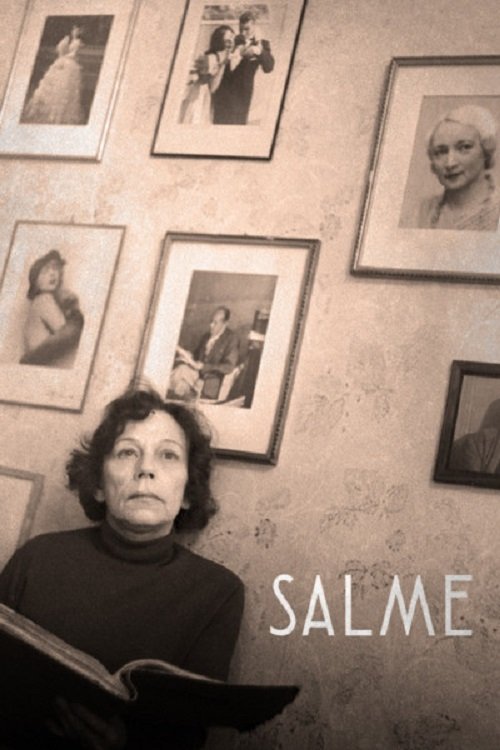
Estonian Drama Theater actor Salme Reek about herself and others.
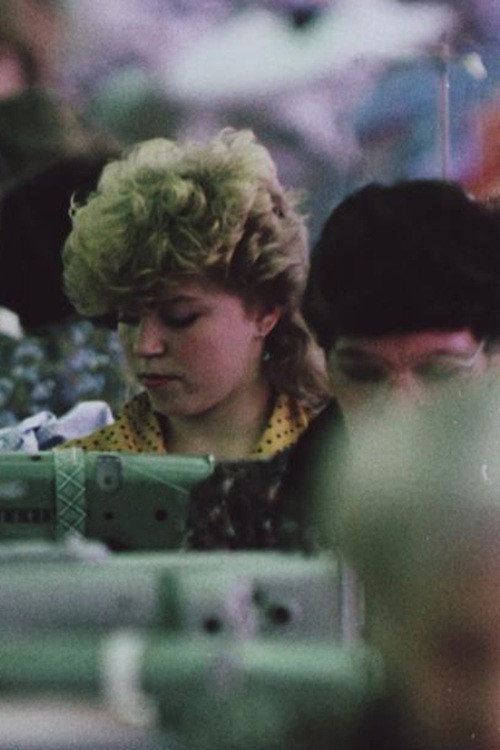
The film introduces the V.Klementi Sewing Factory and tells the story of its youngest employees, 15-16-year-old girls who are still looking for their place in life.
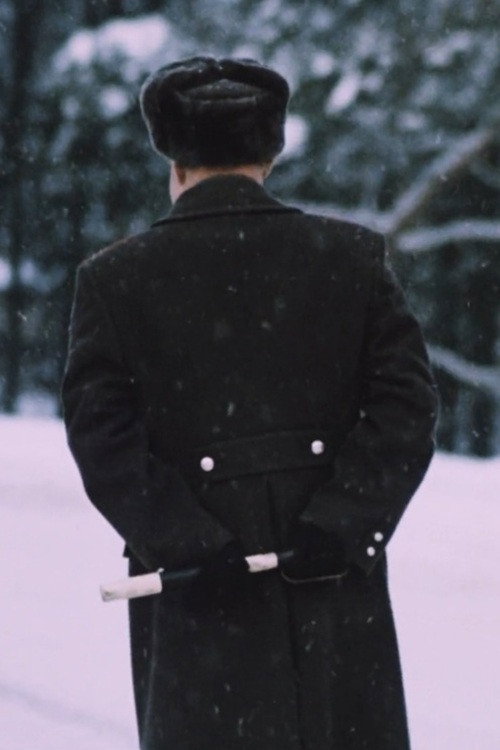
Ants Tosin, a police major with thirty years of experience, has served as the Aegviidu district inspector for the last 15 years. The film shows the everyday police work in a small town, giving a poetic portrait of Ants Tosin.
Captures the severe dust pollution caused by the Kunda cement plant in Estonia between 1995-1997. Broadcast globally in over 100 countries, the film sparked significant local controversy for its bleak and one-sided depiction of the town.
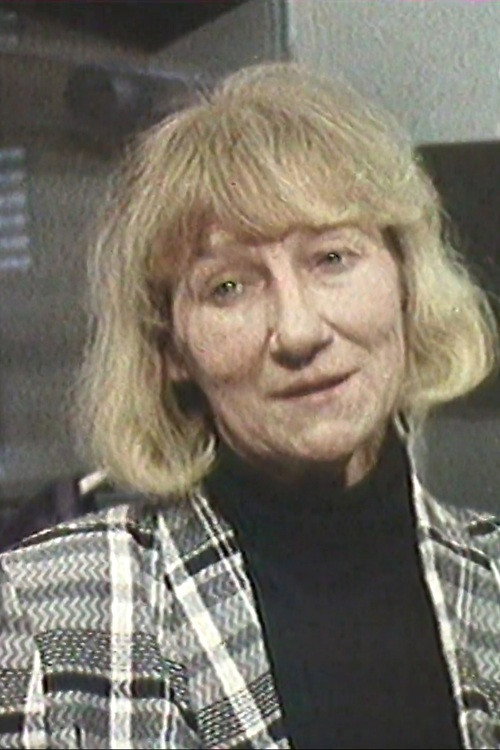
Salme Kõrvemann, editor at the Estonian Telefilm studio, worked in this position for 35 years. She is a living history of Estonian film history. Contains excerpts from the films she edited.
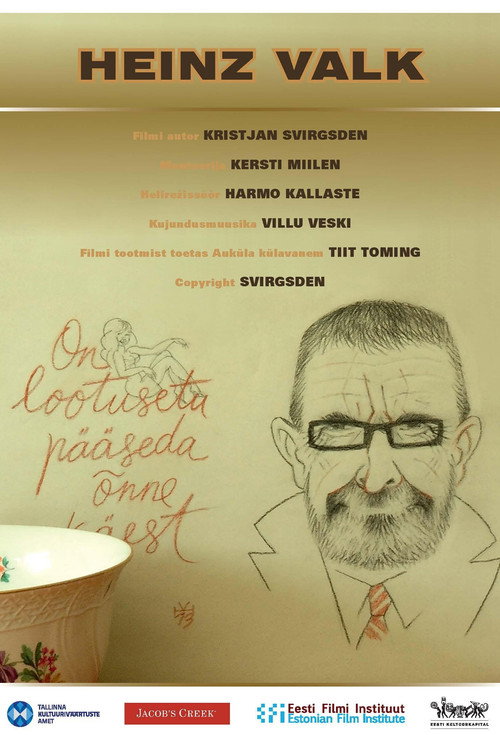
Heinz Valk is the troubadour of the Singing Revolution, an artist and a social activist who has become famous for his sentence: "Some day we will win for no matter what!" Documentary tells the story about Heinz - a founder of People's Front, a witty caricature artist, an independent and idealistic thinker who despises consumer mentality. The historical cliche "Every revolution devours its children" applies to Heinz Valk. This film is a recording of the daily life and thoughts of an elderly man; yet, it gives a general overview about creative people in politics who after retiring won't classify either as true artists or politicians.