David Blaustein
Directing
Known For
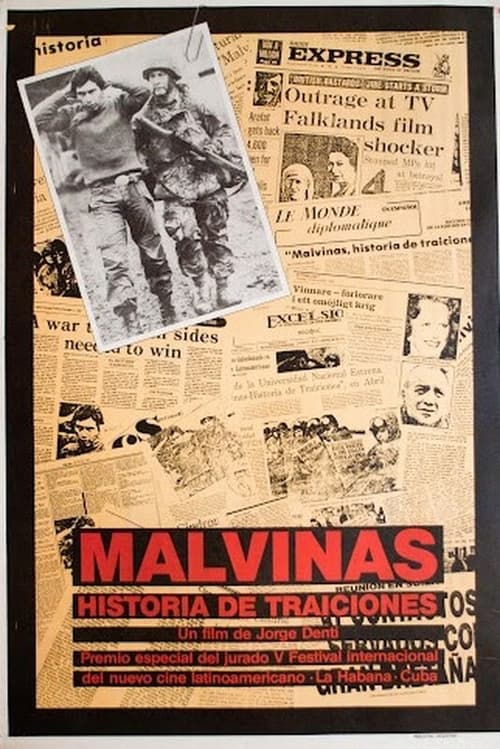
Malvinas, history of betrayals is an Argentine-Mexican co-production documentary film directed by Jorge Denti from a script by Irene Selzer and Alberto Adellach.
Malvinas: Stories of Betrayals

Memory, the passage of time, the mythical, what was and will never return, legacy, passion. The voices of this history and a people beyond. Sport in the river. Swimming through the hours, like a mirror that reflects and multiplies the bonds, the memories, the spaces, the time.
Crol

The Falklands War began on April 2, 1982, with the Argentine landing on the islands ordered by Leopoldo Fortunato Galtieri, and culminated with the cessation of hostilities between Argentina and the United Kingdom of Great Britain on June 14, 1982. Through dynamic editing and the use of archival materials, the documentary considers the war as part of our recent past, but also opens up multiple questions and reflections on contemporary society and the future projection of what such a conflict generates for us Argentines.
Con amigos así
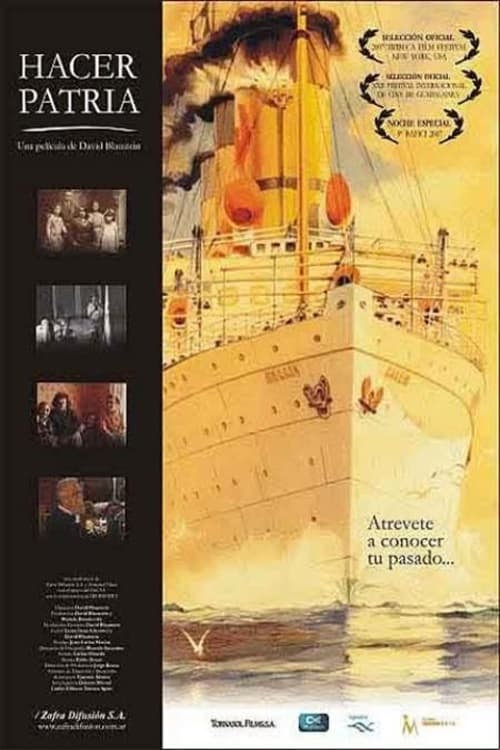
Accompanied by his mother, cousins, aunts and uncles, director David Blaustein retraces the steps of his Jewish ancestors, who fled Europe in the 1920s hoping to find in Argentina the land of their dreams.
Hacer patria

The crew of a 24-hour store live their life while dealing with a drug cartel
24 horas (Algo está por explotar)
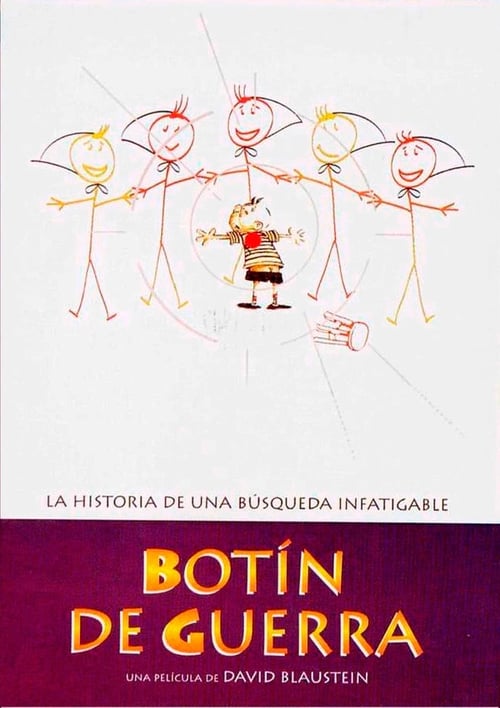
Botín de guerra focuses on the history of the birth and growth of the Abuelas de Plaza de Mayo association, along with the frightening socio-political phenomenon that gave them raison d'être: the systematic appropriation of the children of detainees disappeared by the Argentine dictatorship between the years 1976/1983, which after kidnapping, torturing, and murdering the parents, gave their babies for adoption.
Spoils of War
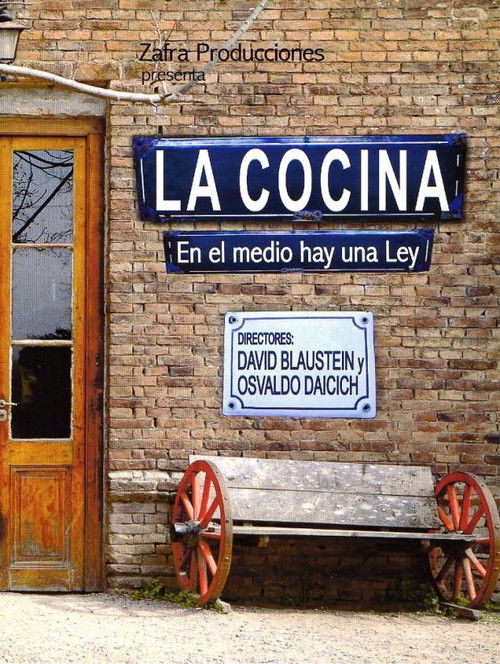
When President Cristina Fernández de Kirchner announced she would send the Audiovisual Communication Services Bill to Congress, filmmakers took to the streets to shoot, believing it to be a historic event. The entire ensuing debate is captured in the film.
La Cocina (En el medio hay una ley)
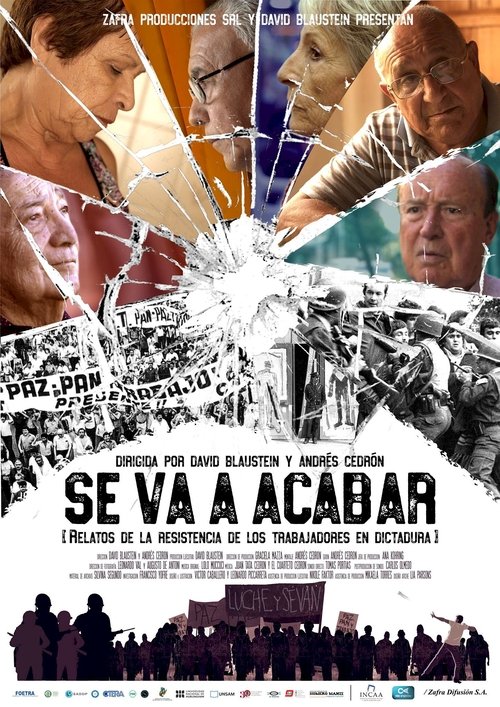
Hundreds of workers risked their lives in union conflicts during the last civilian-military dictatorship. With an unusual narrative creativity that even includes animated reenactments, The End Will Come… gathers their silenced testimonies and gives an account on their vital resistances.
Se va a acabar...
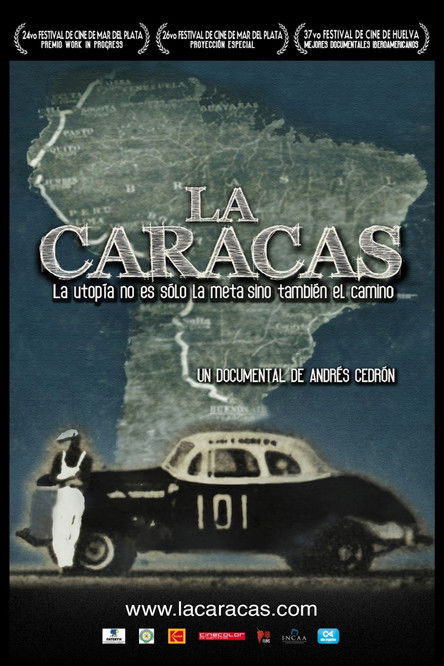
In 1948, more than one hundred Latin American drivers took part in the continent's greatest sporting epic in Touring Car Racing: the South American Grand Prix. They crossed five countries over two months on a 10,000-kilometer route between Buenos Aires and Caracas.
La Caracas
The life of filmmaker Enrique Juárez, reviewed at the same time by family, friends, and fellow activists, is the excuse to address the 1960s and 1970s of the 20th century, when an entire generation awakened not only to the political struggle, but also to the assumption of Latin American cinema.
Fragmentos rebelados
The main characters in the political scene during the seventies in Argentina tell their stories for the very first time.
Cazadores de Utopías

Different voices reflect the complex confrontation between the national government and agricultural producers, which occurred in 2008 following Resolution 125 that imposed export taxes on soybeans.