Acting
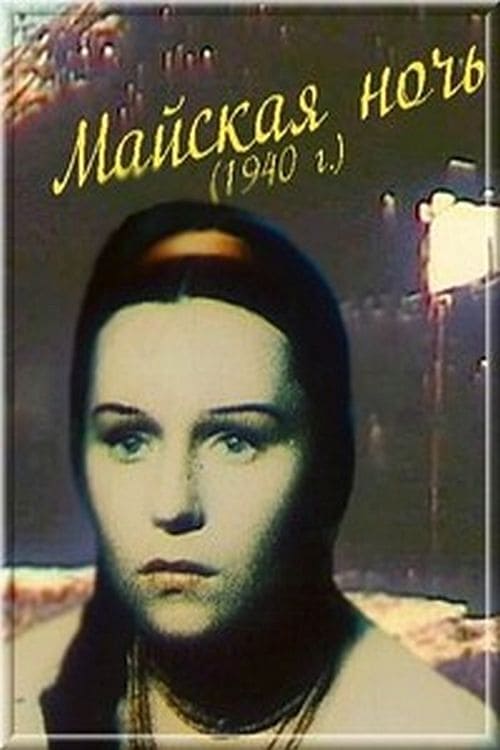
By Nikolai Gogol's "May Night, or the Drowned Maiden". Son of a stubborn mayor can not get his father's agreement to marry an ordinary peasant girl. Unexpectedly he gets the help from an "evil force"
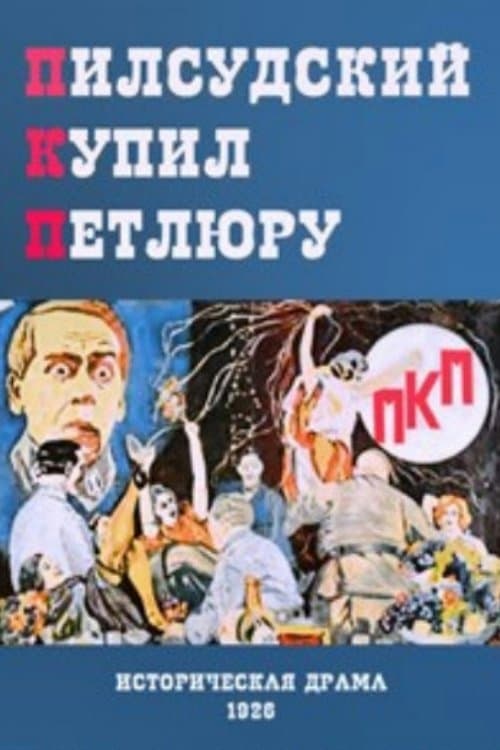
The defeated remnants of vile Ukrainian nationalists, headed by the leader of the Ukrainian liberation movement, Symon Petliura, cannot accept their historical fate and are plotting an insurrection against the Soviet regime in Ukraine. There is nothing Petliura and his cohorts would not do to win back control over Ukraine, including selling it to the highest bidder, in this case, the Polish dictator Jozef Pilsudski. A group of plotters are coordinating an insurrection in Kyiv with an attack from Poland headed by Petliura’s general Yurko Tiutiunnyk. Predictably, the invincible Red Army defeats the nationalist plotters and proves that the Soviet borders are impregnable.
Russian Empire, 19th century. Poor Nykanor leaves his village and becomes a miner in the Donbas. His son Ostap also becomes a miner and works in the mine for thirty years, but after his father's sudden dismissal, he realizes that the state system needs radical changes.
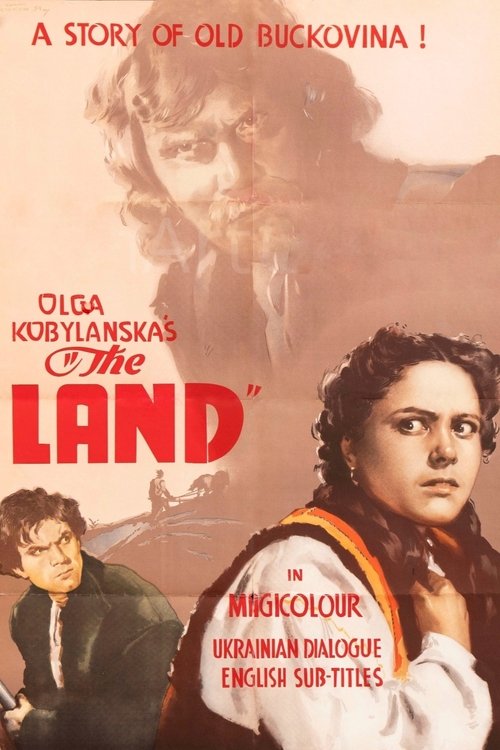
XIX century. The village of Dymka in Bukovina. The wealthy peasant Ivonic and his wife Maria have two sons - Mykhailo and Sava. Mykhailo has fallen in love with Anna, and is afraid to confess to his parents because it is not known how they will react. Sava fell in love with Rahira, who has a bad reputation in the village. She incites Sava's hatred towards his older brother Mykhailo, because he should get a better land.
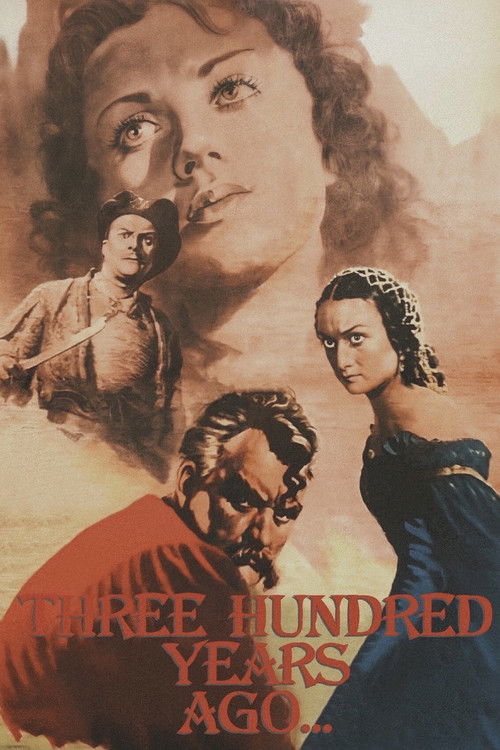
In the middle of the 17th century, Ukrainian peasants and Cossacks rose up to fight against the Polish gentry rule. About the events of the National Liberation War in Ukraine under the leadership of Bohdan Khmelnitsky, who with a firm hand led the insurgent masses to an alliance with Russia.
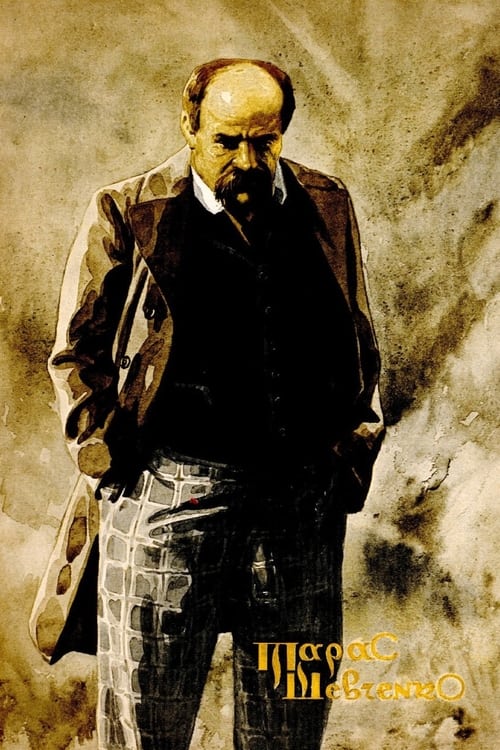
The film adaptation of Taras Shevchenko’s biography of 1925 is the first Ukrainian biopic. At that time, it was one of the most expensive films, as for the first time experts in history, ethnography, and literary studies were involved in pre-production. Consisting of numerous short stories, the film that shows the life of Shevchenko as an adolescent, a soldier, a poet, was successfully demonstrated in Ukraine and abroad and became the most acknowledged cinema project of 1926.
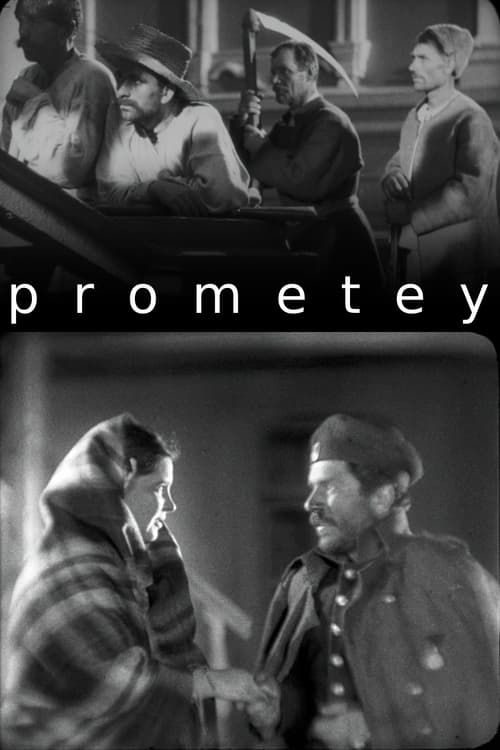
A young man, Ivan, is forcefully mobilised and sent to fight in the Caucasian War as a soldier of the Russian Empire by his landlord, leaving his wife behind. In the Caucasus, Ivas experiences the fierce local resistance to the Russian military, and returns home to launch an uprising against the Russian government.
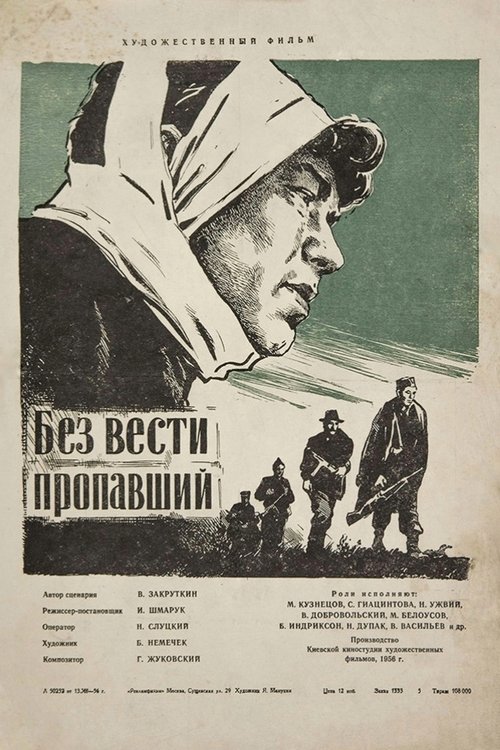
A story about injured Soviet Army officer who joins resistance group in Slovakia during WWII.
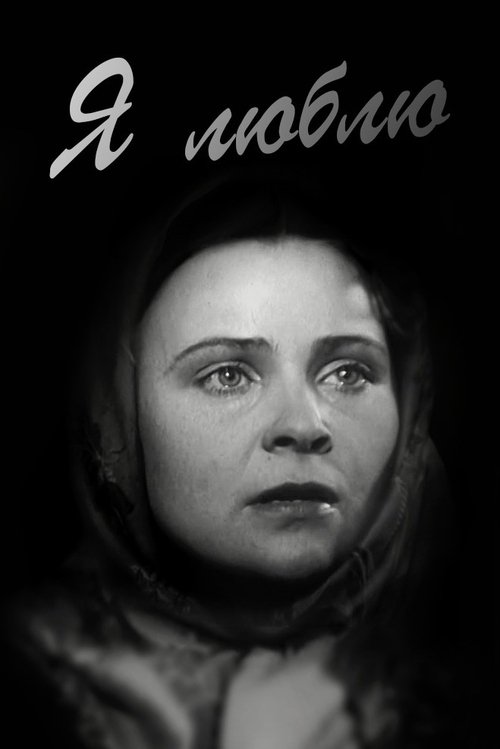
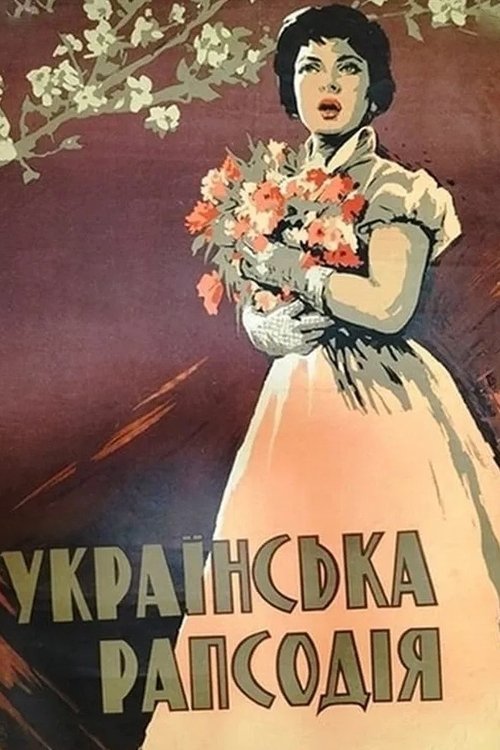
World War II separates lovers Oksana and Anton. The young man is taken prisoner by the Germans, while his beloved abandons her studies at the conservatory to become a frontline nurse. Despite all the hardships, their paths cross again.
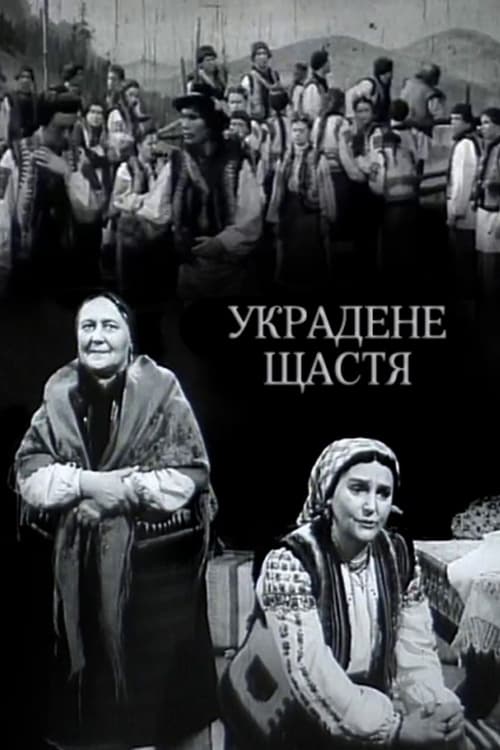
Based on a play by Ivan Franko. Anna married Mykola, but does not love him. She likes young Michael. Against the background of the picturesque Carpathian mountains in the nineteenth century unfolds the eternal drama of love and jealousy.
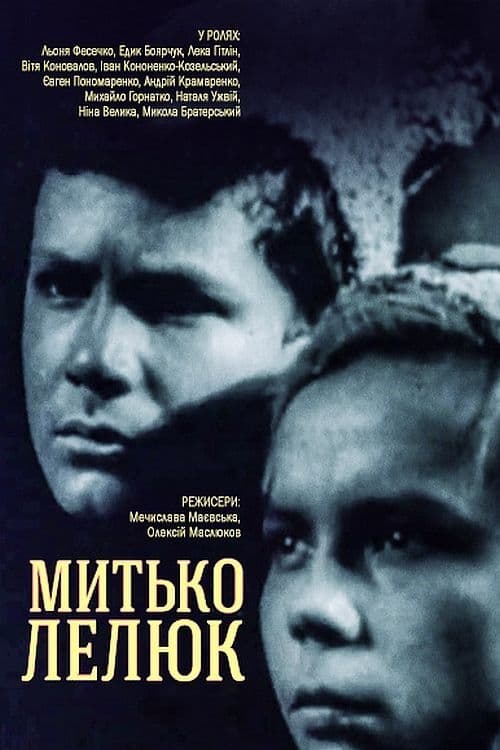
A propaganda film about the participation of children in the partisan movement.
The final part of trilogy about the life of a young factory worker, Maxim. Following the Russian Revolution, Maksim is appointed state commissar in charge of the national bank. With great efforts, he learns the complexies of the banking trade and begins to fight off sabotaging underlings. Dymba, now a violent enemy of the Republic, tries to rob a wine store but is arrested with Maksim's help. Maksim also exposes a conspiracy of a group of tsarist officers who prepare an attempt against Lenin. He then joins the Red Army in its fight against the German occupation.
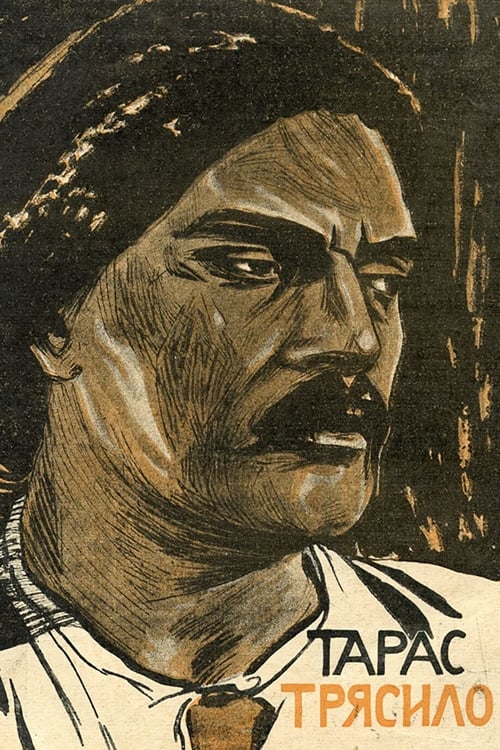
It's the 17th century, when social antagonism is at its peak. The poverty of peasants and poor Cossacks is opposed to the lavish lifestyle of the Ukrainian and Polish noblemen, priests, and Cossack officers. Cossacks fight off Tatars’ attacks, however, they start to realise that the real enemy is much closer. Taras Triasylo raises Cossacks to help the rebellious peasants.
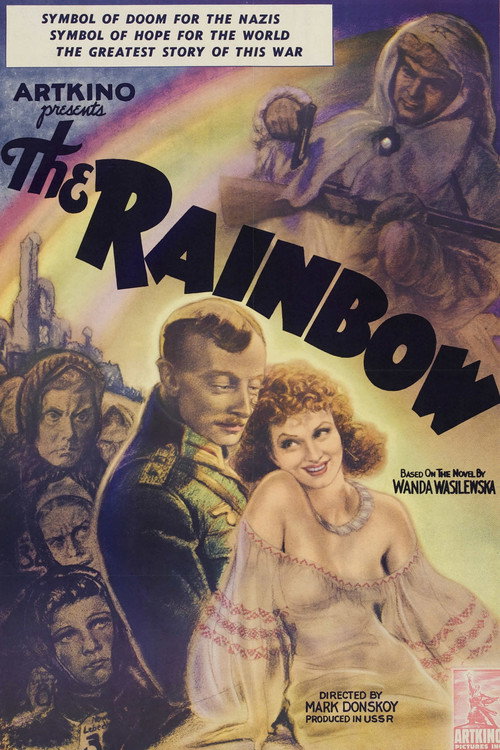
The German conquerors are above nothing, not even the slaughter of small children, to break the spirit of their Soviet captives. Suffering more than most is Olena, a Soviet partisan who returns to the village to bear her child, only to endure the cruelest of arbitrary tortures at the hands of the Nazis.
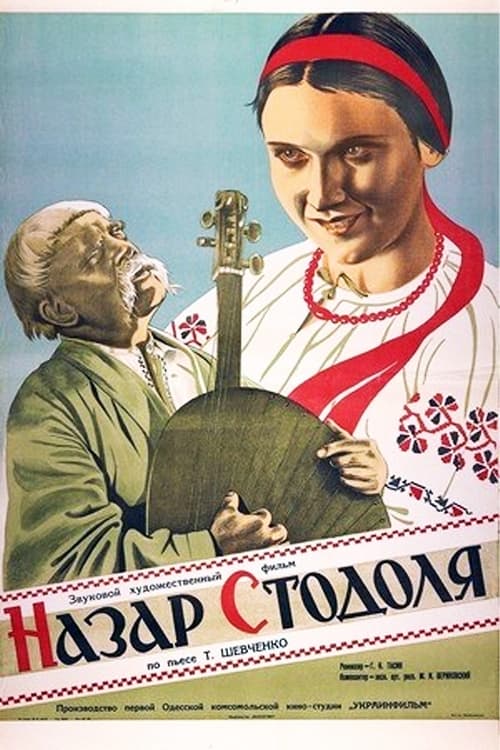
In the first half of the 17th century, the peasant Nazar Stodolya, sentenced to death by the Polish magnate Haletsky, is rescued by his friend Hnat. Later, Nazar and Hnat find themselves in the estate of the Ukrainian centurion Kichaty. The centurion, having invited a priest, persuades the fugitives to sign a paper stating that they have voluntarily been assigned to Kichaty's estate. Hnat does not sign the paper, and Nazar, falling in love with the owner's daughter Halia, easily puts his signature and thus falls into another bondage. Soon, Hnat leads the people's struggle against the oppressors, and Nazar and Halya join the rebels.
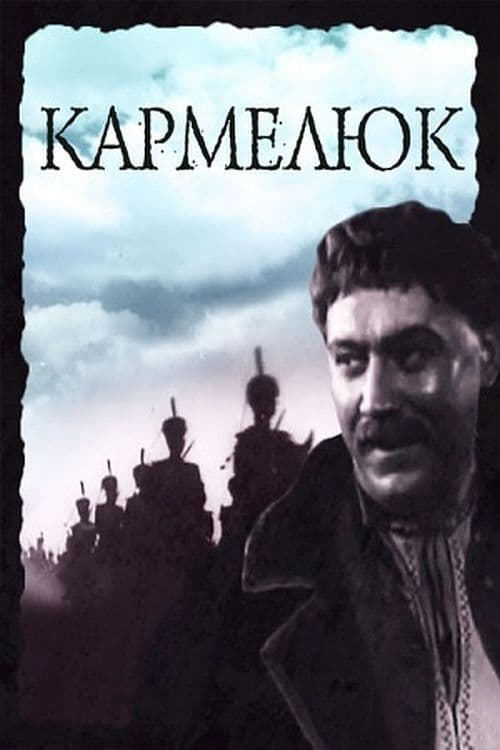
About the struggle of serfs and soldiers of the Right-Bank Ukraine, led by the folk hero Karmelyuk (Ustim Karmalyuk, 1787-1835), against the haidukas of Podillya and the Pan's yoke.
Growing up in a Ukrainian peasant family, knowing all hardships of serf life, young artist and poet Taras Shevchenko in the years of study clearly identifies the meaning of true art, which is to serve the interests of the people. The poems of Shevchenko are imbued with love for the common people. Fiery freedom-loving creativity of Taras Shevchenko is known throughout Russia. Nicholas I exiles the poet to the distant Caspian fort where he is to serve as an ordinary soldier and is banned from writing or drawing. In the poet's difficult days he has the support of Ukrainian soldier Skobelev, Polish revolutionary Sierakowski, captain Kosarev and the commandant of the fortress, Uskov. For the sake of his release Chernyshevsky and Dobrolyubov are hard at work. And so, the sick and aged Shevchenko is finally free. Together with Chernyshevsky and Dobrolyubov, he dreams of a bright future of the motherland, when the Russian and Ukrainian peoples throw off the chains of slavery.
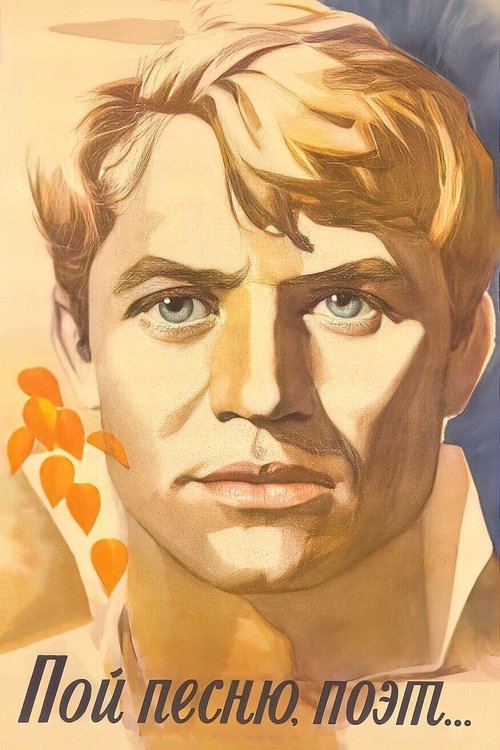
About the life and work of the poet Sergei Yesenin, his connection with his native country, its people and nature. Childhood, love, painful searches for his place in the new, revolutionary Russia — everything found a place in Yesenin's lyrics. Frames illustrating Yesenin's poetry and poems are side by side in the film with episodes of the poet's biography: the film reflects the days of his stay in America, World War I, revolution and village round dances, a daring uncle, a wise mother...
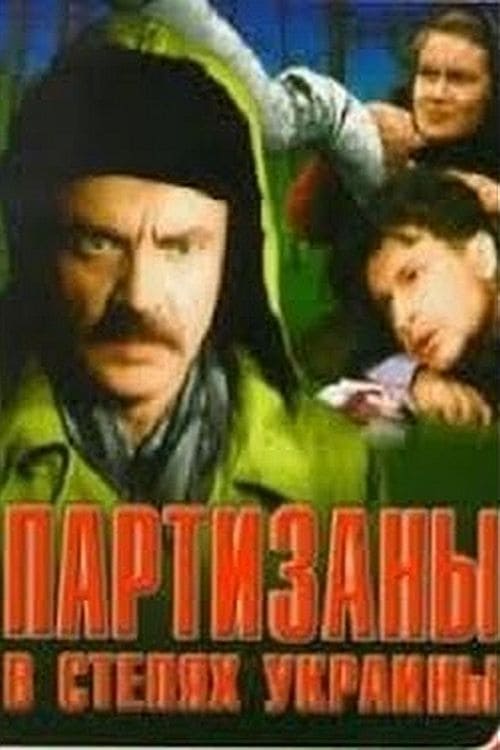
The film tells about the heroic struggle of Ukrainian farmers-partisans with nazi invaders during the Great Patriotic war.
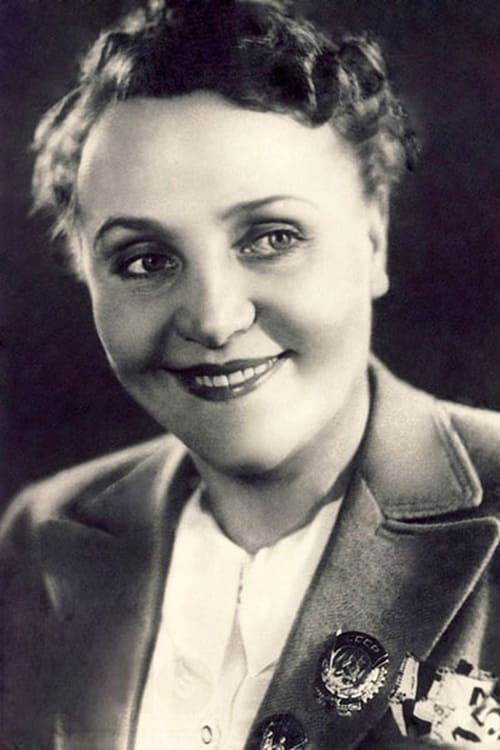
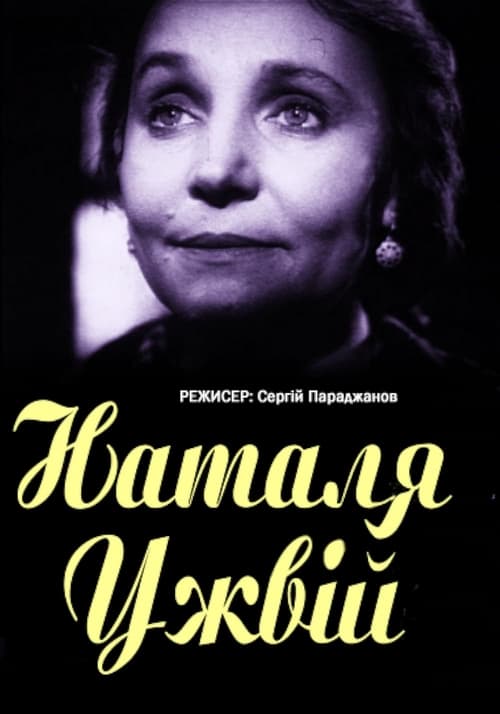
A documentary portrait of prominent Ukrainian stage and screen actress Natalya Ushviy that contains numerous excerpts from her feature films.