Art
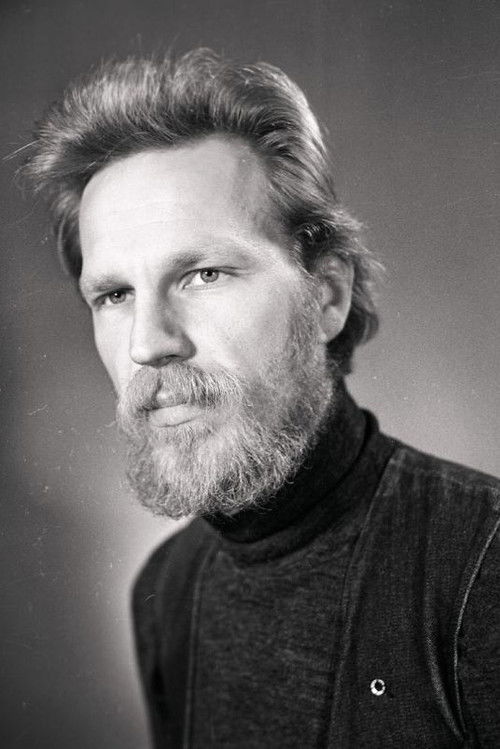
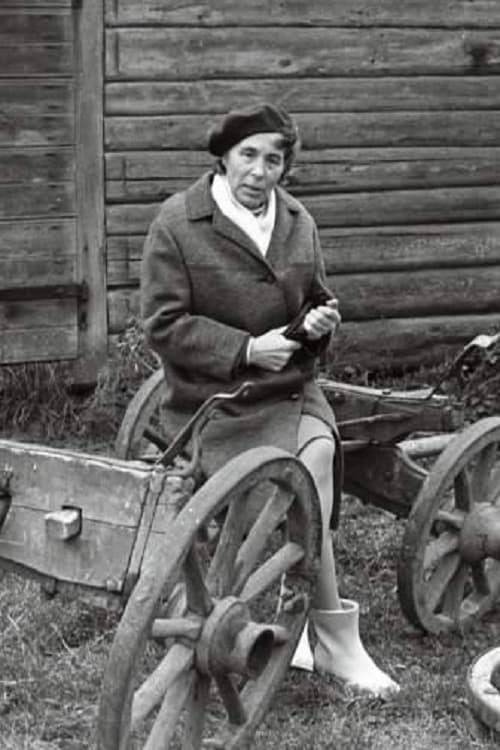
Kalju Kivi (March 23, 1951 – July 19, 2025) was an Estonian film artist, screenwriter and director.
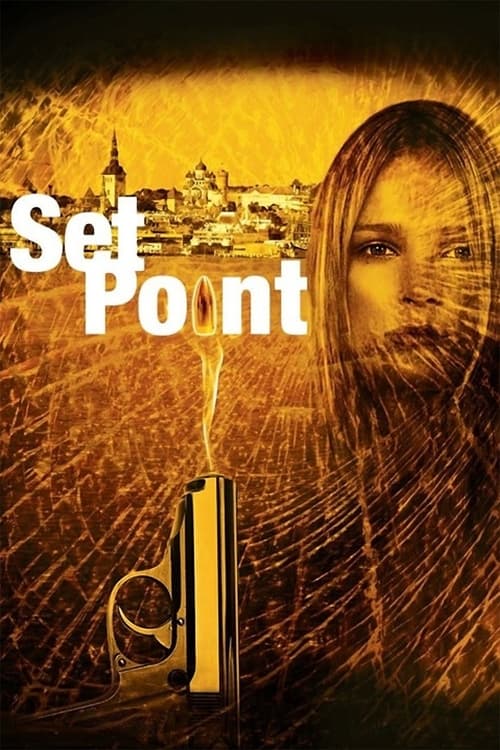
At the height of the Cold War, a troubled soldier forms a forbidden love triangle with a daring fighter pilot and his female comrade amid the dangerous surroundings of a Soviet Air Force Base.
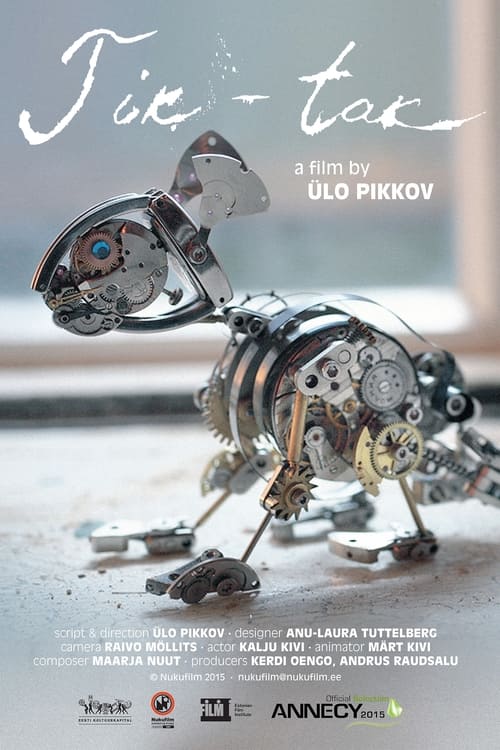
Watchmaker controls the time, but the mouse living in the watchmaker's workshop controls the clocks... This is a film about time and its ephemeral nature.
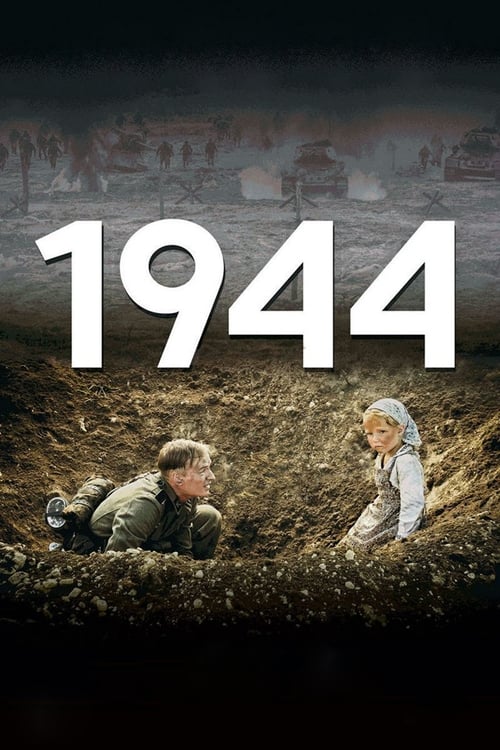
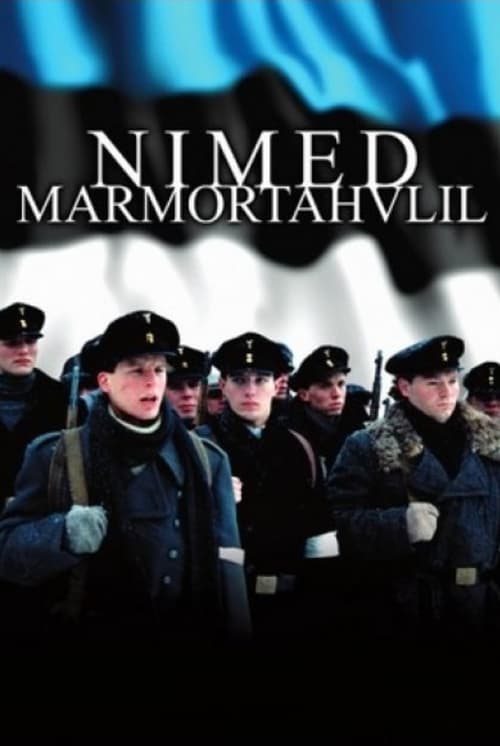
The events of the war in 1944, from the Blue Hills to Sõrve Peninsula. Shown through the eyes of Estonian soldiers who had to pick sides and fight against fellow brothers. Choices have to be made, not only by the soldiers, but also by their loved ones.
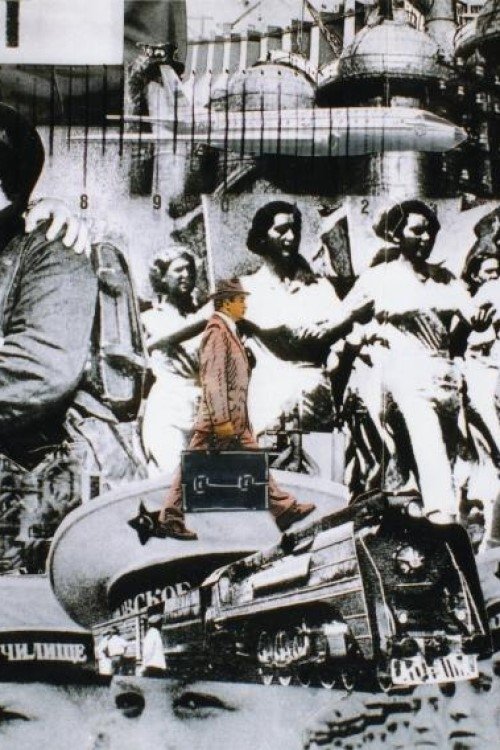
A mosaic photomontage film from the photo album "Across the City" published in the same year, which was made from the images of the legendary Soviet Union's first group of photographers, STODOM. The group, which registered under the wing of Tallinnfilm in 1964, included Tallinnfilm's cameramen Peeter Tooming, Rein Maran and Andrei Dobrovolski at the time, and photographers Tatjana Dobrovolskaja, Kalju Suur and Boris Mäemets. The group played an important role in the development of a new modernist camera language and the discovery of new spaces, especially urban space, for cinematography.
In the metamorphosis of two ordinary pieces of rope there is a clear meaning - all people in the world are inseparably related. It is better to live in friendship.
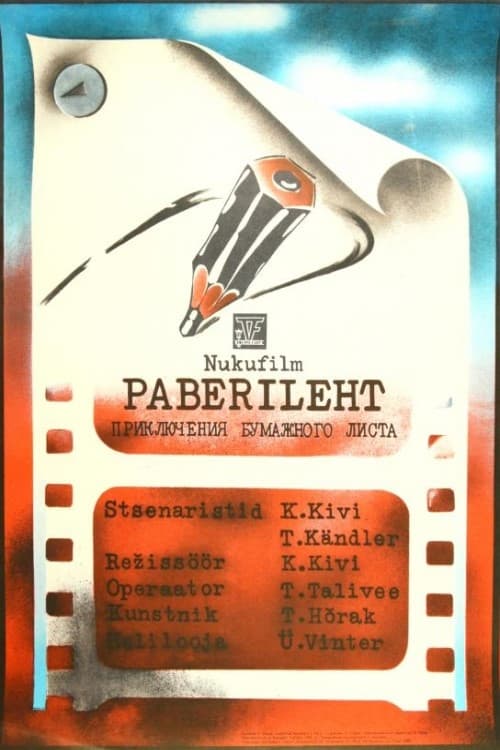
An ordinary sheet of paper adventures through a bureaucratic world and finally finds its calling.
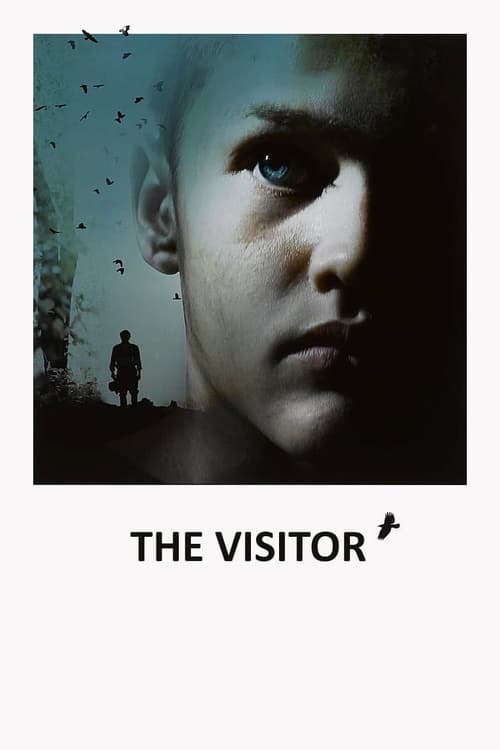
A young boy lives with his mother on a farm surrounded by deep forest in the remote wilds of the Finnish countryside. From time to time, the boy visits his father - a man of great violence - in prison. Locked in the stable is an unruly horse, the boy´s only other companion. Their simple life is disrupted when a stranger appears, with a note from the father and a bullet in his side. Reluctantly, mother and son offer the stranger refuge.
Rosiine Kartau tells about her life, work and activities as the head of the Vasula state farm.
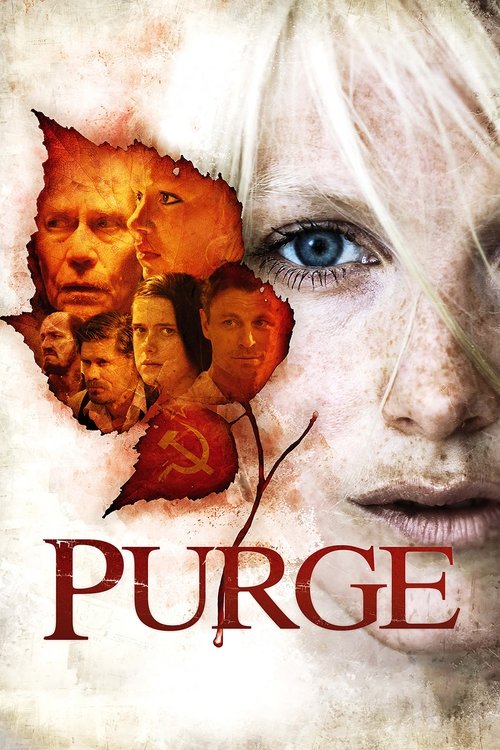
Aliide experienced The Great Terror under Stalin’s regime, and decades after her hometown people were deported to Siberia, she lives alone in an isolated house. One night, she finds a young woman in her yard – Zara has just escaped from the claws of the Russian mafia that held her as a sex slave. Survivors both, Aliide and Zara engage in unearthing each other’s motives and gradually their stories merge into one, revealing the tragedy of a family during the cruelest years in Estonian history.
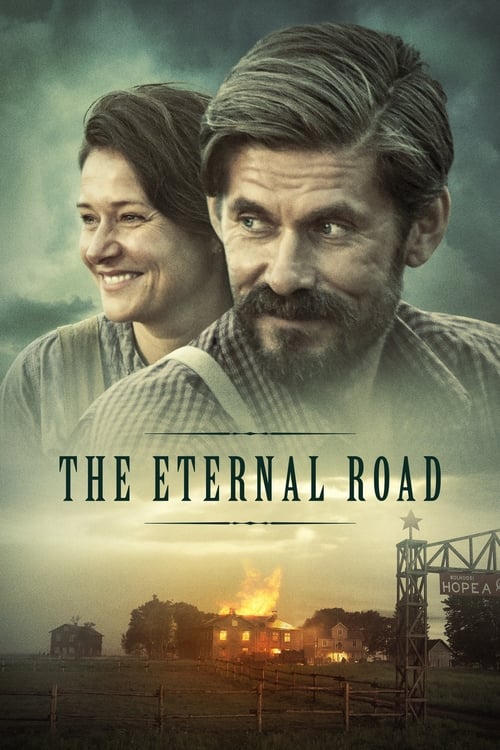
Jussi Ketola, returns to Finland from the great depression struck America only to face growing political unrest. One summer night of 1930, nationalist thugs violently abduct Ketola from his home. Beaten and forced to walk the Eternal Road towards a foreign Soviet Russia, where cruelty seems to know no end, his only dream is to return to his family cost it what it may. Hope dies last.
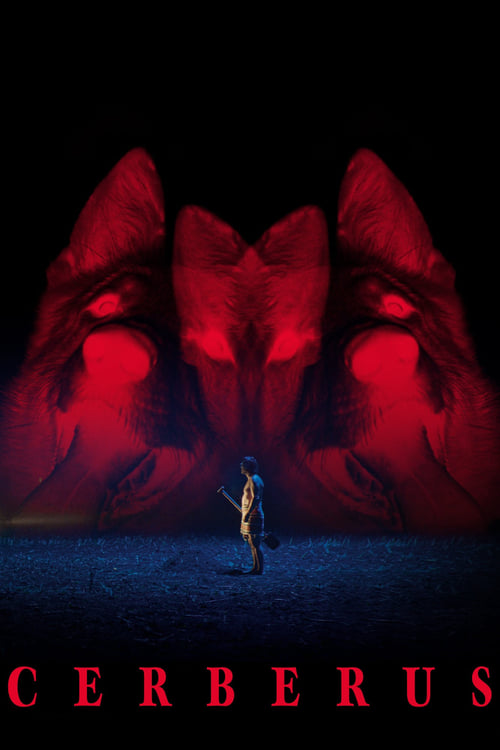
While searching for his missing dog, Meelis stumbles upon a village where a strange crime has taken place. As he struggles to piece together what has happened, suspicions begin to arise. Telling good from evil seems nearly impossible when the truth is hopelessly lost.
A short animation.
On one summer evening, four strangers are brought together by a mysterious murder. A case which at first seems like a regular crime investigation turns out to be something more - a tale of love, alienation and new hope.
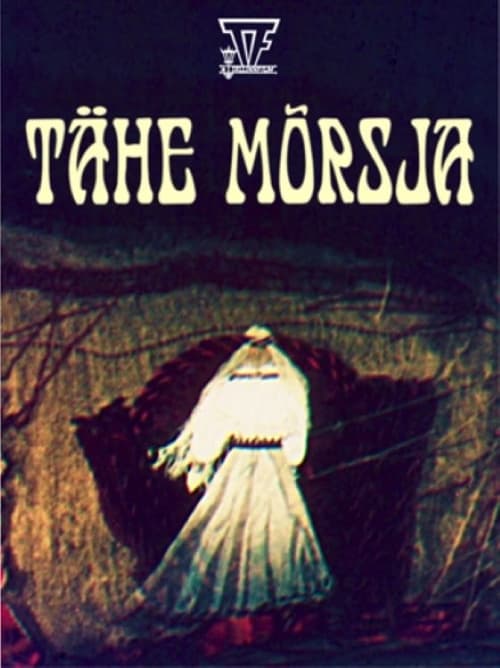
A story based on estonian folk song about the girl Salme, who is choosing between three fiancés – Sun, Moon and Star.
Despite peaceful speeches, the army of the Soviet Russian is attacking Estonia, and the country's government is declaring a mobilization for all. Henn Ahas, the son of a poor family, hesitates to go to war.
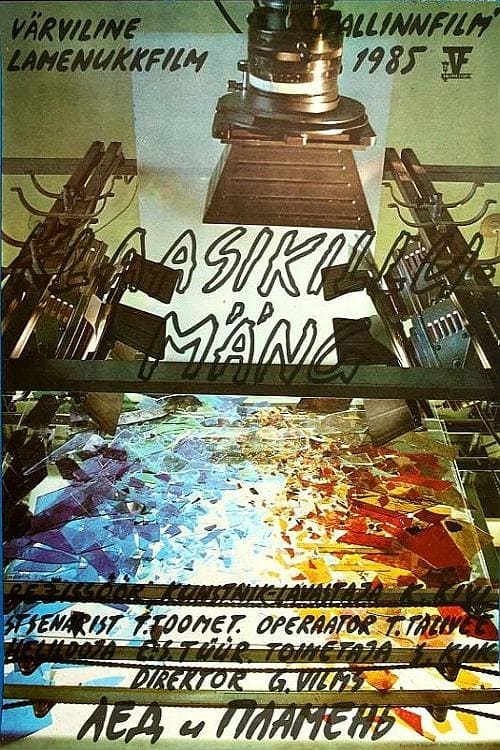
A cut-out animation about ice and fire, the victory of the sun's life-giving warmth over icy nothingness.
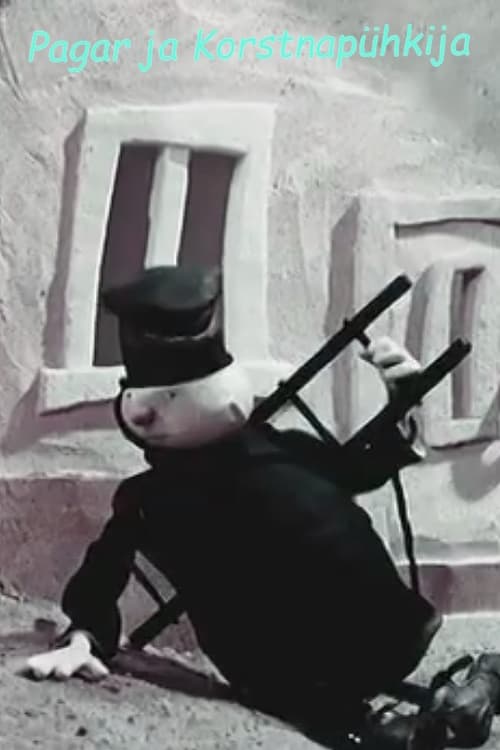
Once upon a time a baker and a chimney sweep decide to change their jobs and it causes a lot of trouble.
The history through a repressed Estonia. An experimental animation about a "Humanoid", a man who becomes "Humanchinoid" because of society's impact. He can manage to survive in the consumer's world, and maybe even in other infinities.
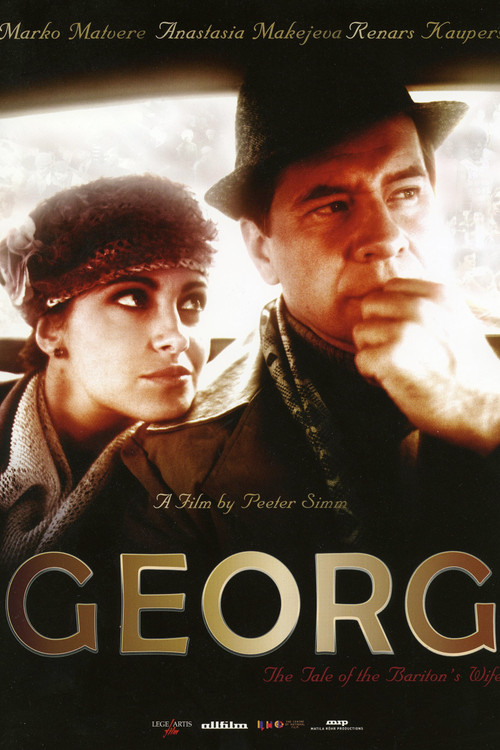
Unforgettable melodies, unique timbre and a memorable, soul-stirring voice. A mystery for women and authority for men, his talent was revered by the highest ranks of the Soviet Union and millions of ordinary people. Georg Ots took the stage when a huge country was recovering from the horrors of war, and his voice returned them faith in a bright future. Few people know what his life was really like.
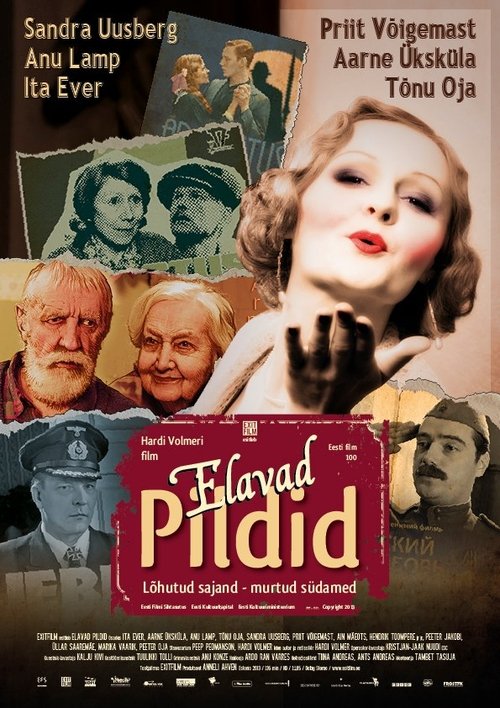
The main character, Helmi, is born into the house of Baron von Strandmann in Old-Town Tallinn, in 1908. The only thing that she knows for sure about her past is that her mother was an Estonian servant girl. Everything else is a discovery during a life that runs the course of a century - a life that has quite a lot of surprises in store for Helmi. In this house she finds happiness and suffering, passion and disappointment. She grows up alongside young Erik and waits for her big love to blossom. But one floor down lives projectionist Julius - a man who is far from indifferent when it comes to Helmi. All of the biggest historical events of the century leave their mark on the house. Its hardwood floors have born soldiers' gruff boots and gentleman's shiny oxfords. Its walls have held the fates of people from far and near, foreigners and locals. Helmi's home becomes a German salon, a revolution museum, and a working class commune. And as freedom comes, real estate crooks start sniffing ...