Production
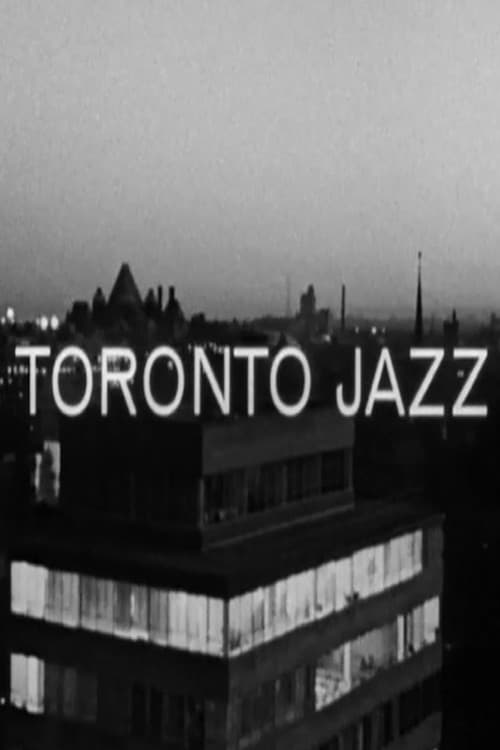
Toronto is regarded as the third largest jazz centre in North America. This film features a cross-section of jazz bands of that city: the Lenny Breau Trio, the Don Thompson Quintet and the Alf Jones Quartet. Their styles show creative self-expression, hard work, and improvisation.
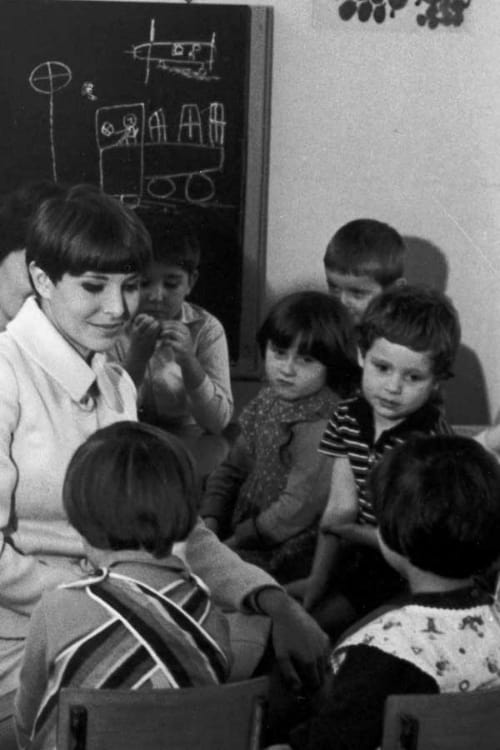
One day in a kindergarten classroom at Van Horne Public School in Montreal. The teacher encourages children to turn their curiosity into questions and organizes group activities and play periods.
This short documentary looks at Azzel, one of the Niger Department of National Education’s first schools for nomads. The film describes the traditional nomadic lifestyle of the Tuareg and the changes brought about by these government-run boarding schools.
Documents a woman's actual pregnancy; the emotions, the affects on her husband and first-born child, the birth itself via Caesarean section, and her struggle to return to work and a social life, while still being a good mother.
No description available.
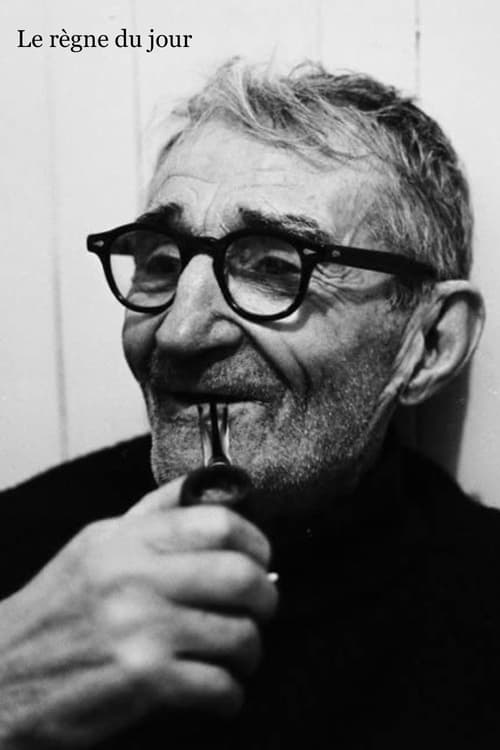
Four years after Pour la suite du monde (1963), director Pierre Perrault asks Alexis Tremblay if he'll agree to travel with his wife Marie to the country of their ancestors, France. In a montage parallel, we follow them in France and listen to them talking to their friends about it.
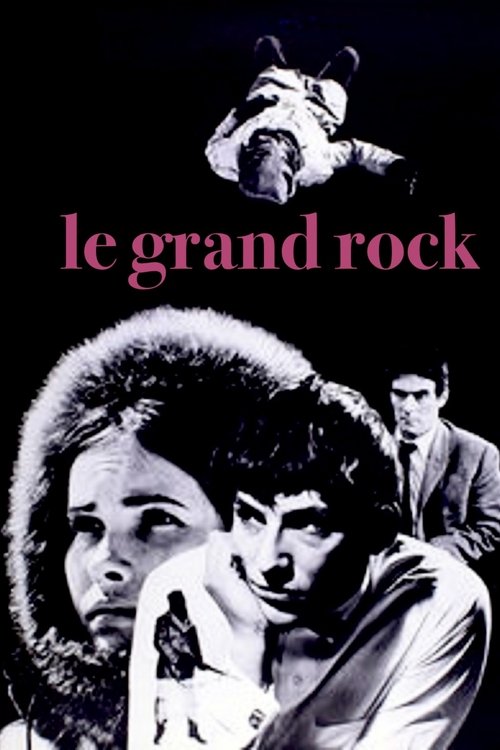
In the countryside of Quebec, a new phenomenon has appeared: violence. How does a handsome, tall, free and peaceful village boy let himself be led down the path of crime?
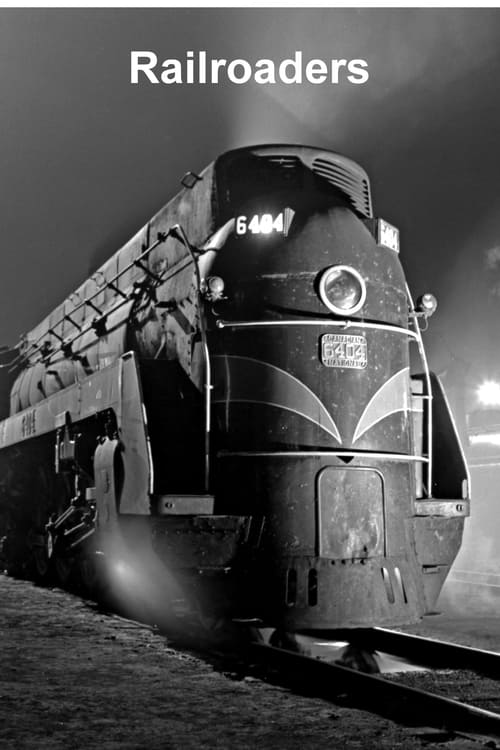
A film about winter railroading in the Canadian Rockies and the men who keep the lines clear. The stretch between Revelstoke and Field, British Columbia, is a snow-choked threat to communications. The film shows the work of section hands, maintenance men, train crews and telegraph operators.
This short documentary offers a portrait of life on a cattle ranch, for both its human and animal inhabitants. Featuring sprightly music by folk singer Pete Seeger and narration by theatre actress Frances Hyland, the film is shot through the seasons on a large Canadian cattle ranch near Kamloops, British Columbia. With hundreds of cows and calves on the ranch, there’s no shortage of work to be done: soil cultivation and crop maintenance are taken care of by seasonal ranch hands while the resident cowboys—“anxious guardians”—brand and breed their bovine charges.
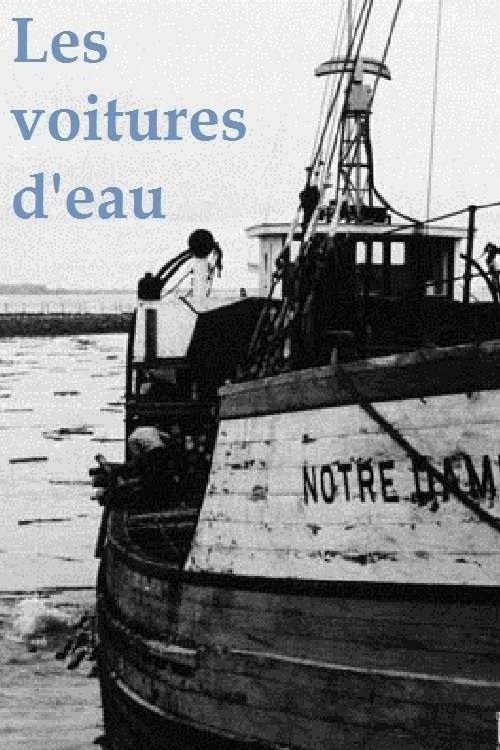
The people of Ile-aux-Coudres talk of their fading tradition of constructing boats to ride the seas.
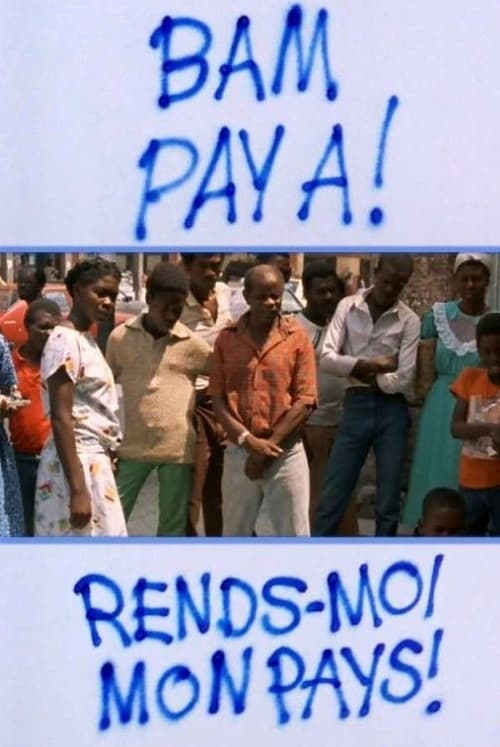
In this feature documentary, a Haitian, exiled in Canada for twenty years, returns to his country after the departure of Jean-Claude Duvalier. Through his encounters with former friends, professors and colleagues, the face of this newfound Haiti gradually takes shape… Shot in Haiti after the fall of the Duvalier regime, this film, beyond a simple observation, shares with us the hopes of the Haitian people as well as their fears and uncertainties regarding this country that has yet to be built.
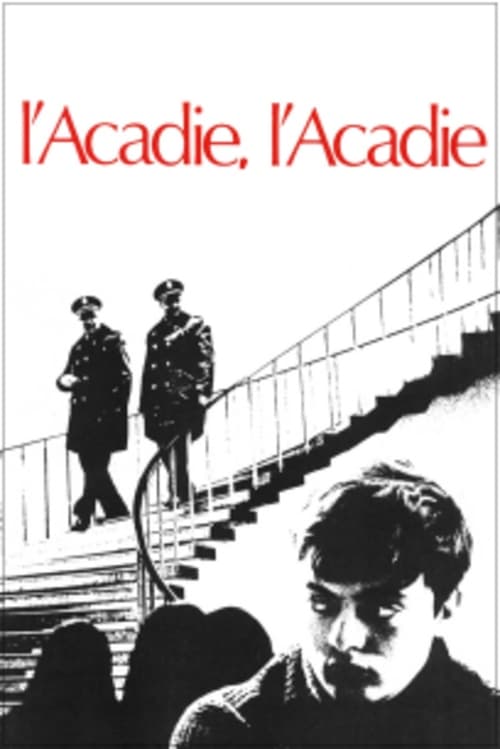
In the late 1960s, with the triumph of bilingualism and biculturalism, New Brunswick's Université de Moncton became the setting for the awakening of Acadian nationalism after centuries of defeatism and resignation. Although 40% of the province's population spoke French, they had been unable to make their voices heard. The movement started with students-sit-ins, demonstrations against Parliament, run-ins with the police - and soon spread to a majority of Acadians. The film captures the behind-the-scenes action and the students' determination to bring about change. An invaluable document of the rebirth of a people.
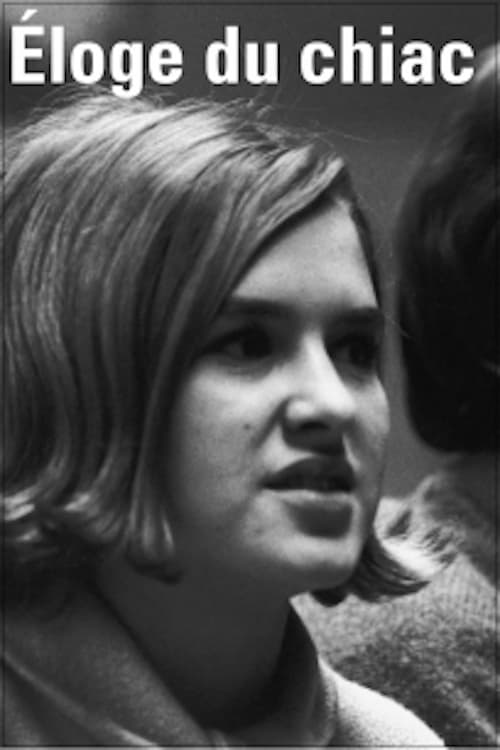
Set in New Brunswick, "Éloge du chiac" takes the form of an open discussion between a young French-language teacher and her students in Moncton. Through their exchanges, Michel Brault examines the challenges of preserving French in a bilingual region where English predominates, and explores the contested status of Chiac, a local French dialect shaped by centuries of linguistic contact.
This short film portrays the story of singer Paul Anka, who rose from obscurity to become the idol of millions of adolescent fans around the world. Taking a candid look at both sides of the footlights, this film examines the marketing machine behind a generation of pop singers. Interviews with Anka and his manager reveal their perspective on the industry.
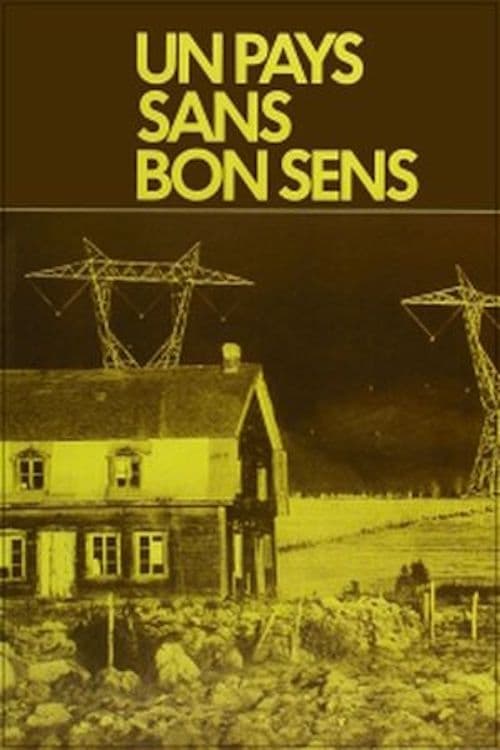
Structured as a cinematic essay, "Un pays sans bon sens!" explores the emotional and political foundations of belonging to a nation. Moving between Quebec, France, and Western Canada, Pierre Perrault interrogates questions of cultural maturity, autonomy, and territory at a moment when French Canadians were reexamining their collective identity.
An experimental drama following three main characters who embody different attitudes about consumerism. A window onto Quebec in the late 1960s, this protest film explores these characters' daily lives, their trials and aspirations. Regarded as an innovative and militant work, buoyed by hard-hitting film language that includes subtitles and intertitles, quotations, offscreen voices and songs and references to advertising.
From the lower St. Lawrence, a picture of whale hunting that looks more like a round-up, with a corral, whale-boys and all. In 1534, when he stopped at the island he named l'Île-aux-Coudres, Jacques Cartier saw how the Indians captured the little white beluga whales by setting a fence of saplings into off-shore mud. In the film, the islanders show that the old method still works, thanks to the trusting 'sea-pigs,' the same old tide, and a little magic.
A short film from Guy L. Coté
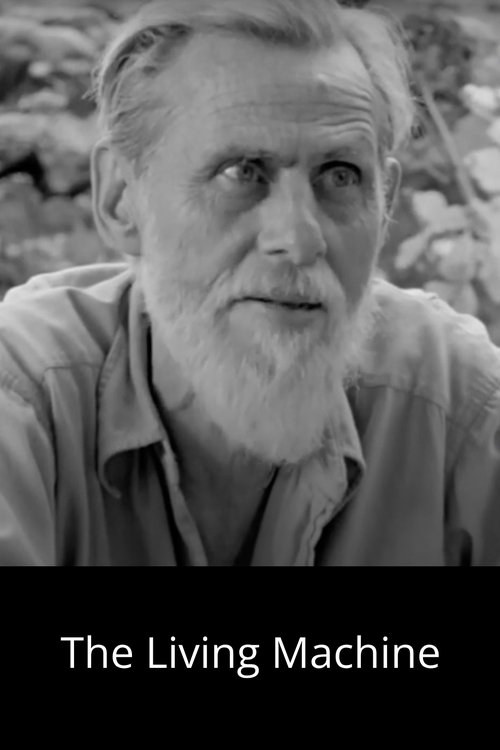
In two half-hour parts, The Living Machine explores the progress made in electronics technology and looks forward to an exciting world-to-be. Produced in 1962, the first part demonstrates the capacities of a computer's "artificial intelligence," far exceeding that of any one human brain. The second part shows experiments in electronically duplicating some sensory perceptions.