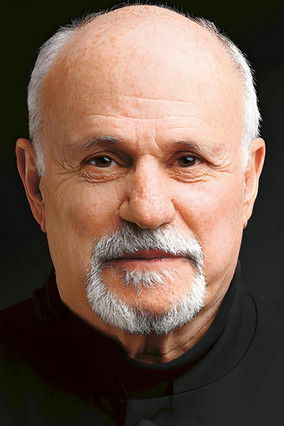
David Zinman
Acting
Biography
David Zinman (born July 9, 1936, in Bronx, New York) is a retired American conductor and violinist. Zinman was born in 1936 in New York City. After violin studies at Oberlin Conservatory, Zinman studied theory and composition at the University of Minnesota, earning his M.A. in 1963. He took up conducting at Tanglewood and from 1958 to 1962 worked in Maine with Pierre Monteux; he served as Monteux's assistant from 1961 to 1964. Zinman held the post of second conductor of the Netherlands Chamber Orchestra from 1965 to 1977 and was principal conductor of the Rotterdam Philharmonic Orchestra from 1979 to 1982. Zinman served as music director of the Rochester Philharmonic Orchestra from 1974 to 1985, during the last two years of which tenure he also was principal guest conductor of the Baltimore Symphony Orchestra. He became music director in Baltimore in 1985. There he made several recordings for Telarc, Argo, and Sony. He also toured widely and began to implement ideas from the historically-informed-performance movement in interpretations of the Beethoven symphonies. Upon relinquishing that Baltimore post in 1998, Zinman was named the orchestra's conductor laureate. But he renounced this title three years later in protest at what he saw as the orchestra's increasingly conservative programming. In 1998 Zinman worked as music director of the Ojai Music Festival alongside pianist Mitsuko Uchida. That same year he was appointed music director of the Aspen Music Festival and School, where he founded and directed its American Academy of Conducting until his sudden resignation in April 2010. Zinman became music director of the Tonhalle-Orchester Zürich in 1995. His innovative programming with that orchestra included a series of late-night concerts, "Tonhalle Late", which combined classical music and a nightclub setting. His recordings of the complete Beethoven symphonies for Arte Nova were based on the Jonathan Del Mar critical edition and was acclaimed by critics. He subsequently recorded Beethoven's overtures and concertos with the Tonhalle. He conducted the Tonhalle Orchestra in its first-ever appearance at The Proms in 2003. He concluded his Tonhalle music directorship on July 21, 2014, with a concert at The Proms. Zinman conducted the soundtrack of the 1993 film of the New York City Ballet production of Tchaikovsky's Nutcracker. In 2009 he led the Tonhalle-Orchester Zürich in the filmscore 180°: If Your World Is Suddenly Upside-Down, composed by the sibling trio Diego Baldenweg with Nora Baldenweg and Lionel Baldenweg; this won the Suisa prize for "Best Original Score" at the Locarno Film Festival in 2010. In 2006, he received the Theodore Thomas Award presented by the Conductors' Guild. Zinman's 1992 recording of Henryk Górecki’s Symphony no.3 with Dawn Upshaw and the London Sinfonietta was an international bestseller. Zinman and his second wife, Mary, an Australian violist, live in New Jersey. Zinman has two sons and a daughter. Source: Article "David Zinman" from Wikipedia in English, licensed under CC-BY-SA.
Known For
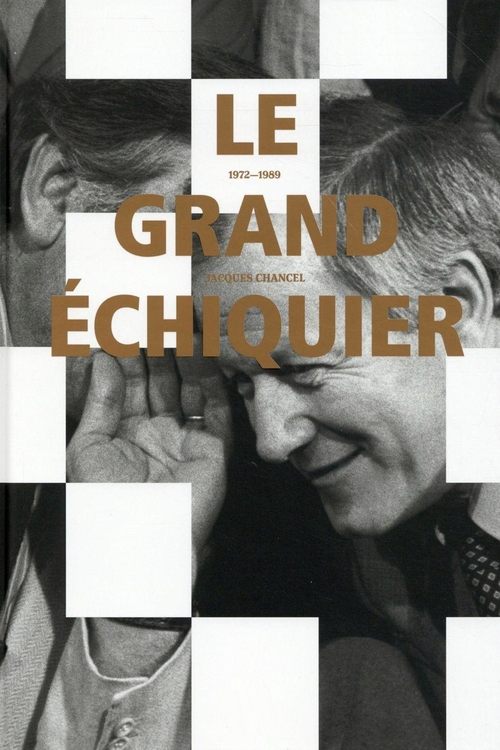
Le Grand Échiquier is a French variety television program created and presented by Jacques Chancel. It aired at 8:30 pm on the first channel of the ORTF from January 12, 1972 to July 12, 1972, then on the second color channel of the ORTF from September 1972 to December 1974, and finally on Antenne 2 from January 1975 to December 21, 1989. The program returned to France 2 on December 20, 2018 and is hosted by Anne-Sophie Lapix.
Le Grand Échiquier
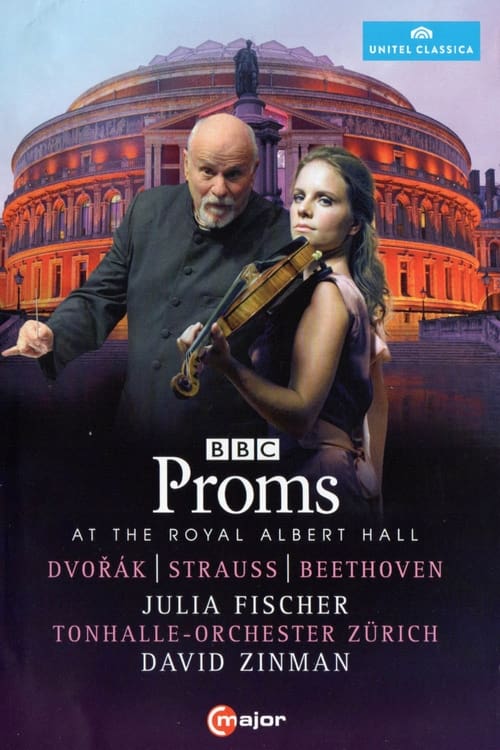
From the pastoral landscapes of Beethoven's Symphony No. 6 to the vibrant folk scenes of Strauss' sound-poem Till Eulenspiegels lustige Streiche and Dvoak's Violin Concerto, this Prom takes a vivid journey across Central Europe. At the BBC Proms 2014, the world's largest classical music festival, David Zinman appeared in his final concert as chief conductor of Zurich's Tonhalle Orchestra, stepping down after almost 20 years.
BBC Proms: Julia Fischer - Live at the Royal Albert Hall
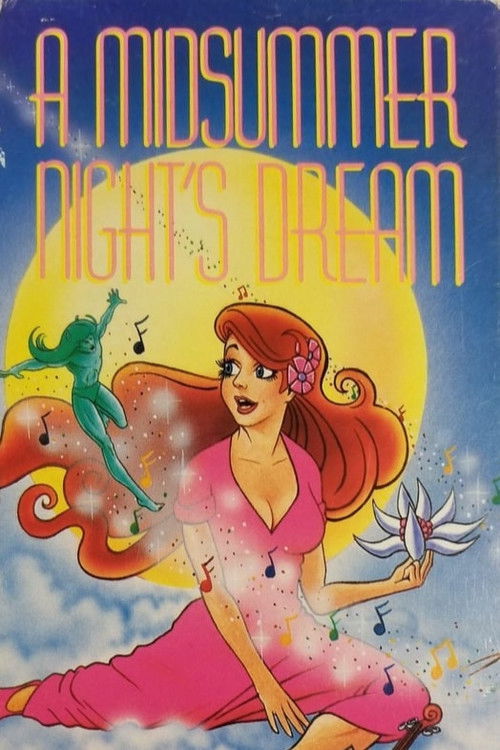
Originally produced for Dutch TV this vision of four different film makers begins with the fluid strains of Mendelssohn's classical masterpiece. Suddenly the concert hall is transformed into a fabulous forest where a light-hearted fairy escaped the clutches of her lord, and with the help of the devilish Puck, tumbles head over heels into a magical and bizarre love adventure. At the end the famous wedding march blossoms on to the screen with the magic of the animator's brush.
A Midsummer Night's Dream

W.A. Mozart: Piano Concerto No.6, K.238 in B flat major, Piano Concerto No.19, K.459 in F major, Piano Concerto No.20, K.466 in D minor