Directing
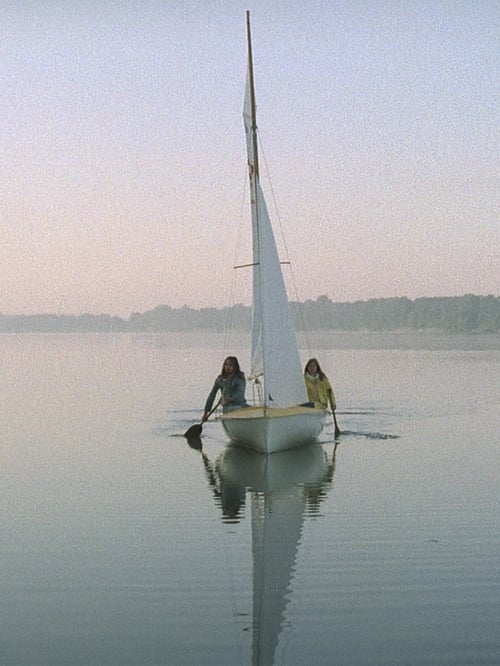
17-year-old Ramona comes from a home in Berlin to a small village and introduces herself as the baker's daughter. Neither of them knew anything about each other. Laconic images of the dreariness of the East German provinces show the excessive demands on the long-married baker and the mutual speechlessness of daughter and father.
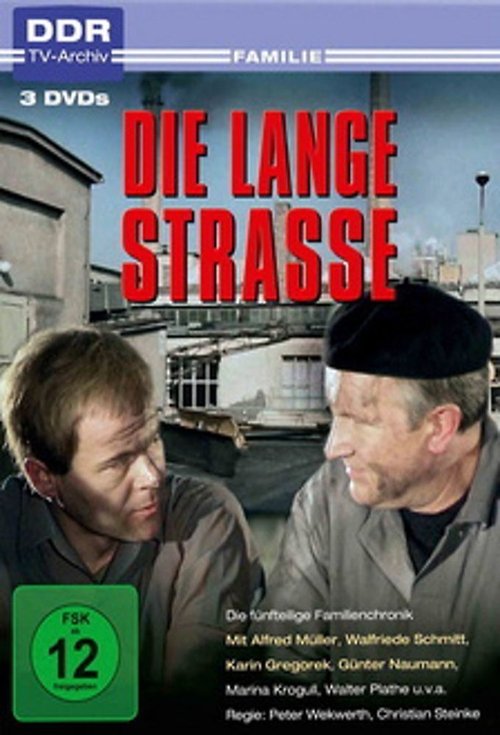
1949. Grafenberg in Brandenburg shortly before the foundation of the GDR. Here lives Michel Hollmann and works in roadmaking. His purpose in life are his wife Lotte and the two children Gerda and Heinz, for whom he is reconstructing a summerhouse into a “nest”. In Grafenberg, his siblings are living as well: His brother Karl, the mayor, and sister-in-law Edith, who works in a textile factory, with their son Jürgen. Edeltraut, his sister, has married the lamp fabricant Berthold Bennert and leads a well-off life. They as well have a son: Harald. Part of the family are further sister Hanna and brother-in-law Hermann, who is a fisherman on one of the local lakes and conducts a tenacious private war against old Stegewald and his presumptive prince-electoral rights. They are living their lives with their large and small conflicts, with different intentions, and yet remain connected always.
~ 3.9 km Swim ~ 180 km Bike ~ 42.2 km Run ~ The impossible journey to complete the first ever long-distance triathlon in Antarctica, The Iceman. To prove that limitations are perceptions.
The film revolves around two characters: a high school student who is intelligent, beautiful, and fulfills all the expectations placed on her by her school, her parents, and society—and a young unskilled worker, a loser, whom she is supposed to take care of and reform. Such sponsorships were commonplace in the GDR and form the basis for a multi-layered, ironic, and profoundly told encounter that deals with conformity and rebellion, social background, and outsiders.
Hannes Schönemann reconstructs the story of his love affair with the Danish communist Julia Szaba a decade after her suicide.
idfa: The filmmakers are interested in the daily lives of psychiatric patients in the Dobbertin Clinic in Germany. This institution is housed in an old monastery, beautifully situated near a lake in Mecklenburg. The filmmaker follows a number of patients in their daily activities and asks them about their ideas and longings.
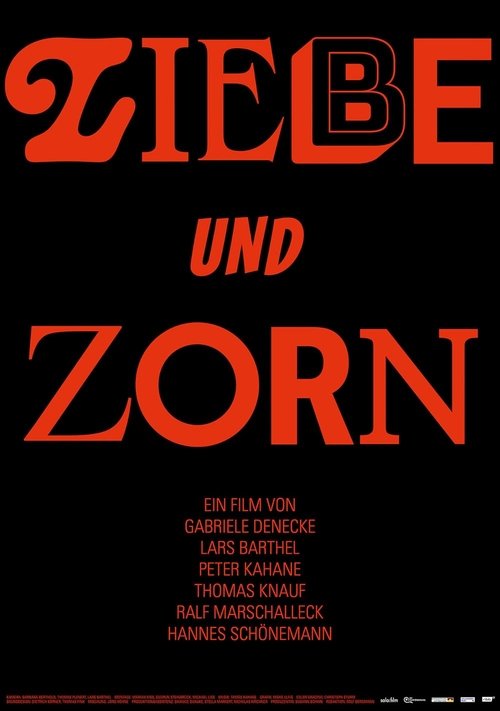
Six directors, one film: in episodes, they recall their experiences at the end of the GDR and the fate of a family under National Socialism. They talk about making films despite censorship, about the search for opportunities. They tell of losses, of leaving, of staying and of love in exile. A film about the longing for home and the endurance of friendships.
A documentary portrait of the everyday life of teenagers in Mecklenburg.
No description available.
Seven directors remember their childhood and youth; to the 50s and 60s in the GDR. They appear to be curious, vulnerable children and teenagers who also want to be cool (even though the word doesn't exist for them yet). They live in well-adjusted or resistant families. Some only in half because their father left for the West. Depending on their family background, they want or should help build the new, better Germany.