Camera
Since the 1940s, dreams of modern architecture have taken shape in California and are still influential today. Their innovative power consisted in making the landscape an integral part of the buildings. The predominantly European architects thus set global standards. The documentary series tells the story of four of the legendary houses between Palm Springs and San Francisco in impressive pictures. The series uses fascinating aerial photographs and postcard motifs to stimulate interest in architecture among a wide audience. How did this architecture come about, why is it called modern and is it still style-defining today? The answer to that cannot be pinned down to just one house. Four different houses from four decades are presented in an entertaining and informative way, representing different stylistic directions
17-year-old Ramona comes from a home in Berlin to a small village and introduces herself as the baker's daughter. Neither of them knew anything about each other. Laconic images of the dreariness of the East German provinces show the excessive demands on the long-married baker and the mutual speechlessness of daughter and father.
Helga Reidemeisters poetic documentary gives various residents of East and West Berlin a chance to have their say. They discuss their different ways of life and the nature of their divided city. All interviews are refreshingly sincere when they consider the future of the city, and none of them are even remotely pro-American.
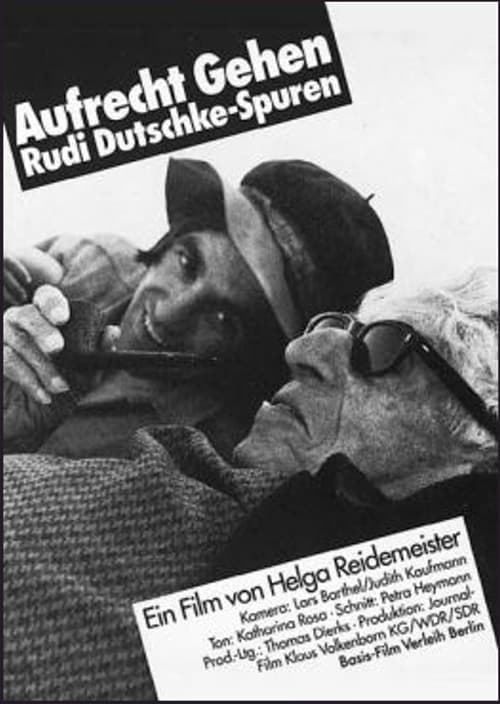
Portrait of the spokesman of the student movement and extra-parliamentary opposition Rudi Dutschke, who died on December 24, 1979 from the late effects of an assassination attempt. The film is not limited to the mere biography of the extra-parliamentary politician, but also depicts the political environment as well as the late effects of the student movement. In retrospect, it condenses into a picture of a highly politicized society that had not yet begun its retreat into the private sphere.
This film undertakes a journey into the amazing parallel universe of East Berlin’s fashion designers and experts in the art of survival. For, in the midst of the constraints of life in the GDR, there existed a fantasy world where it was possible to dance to another tune, be individual and even provocative. The most important characteristic of this bohemian scene was one’s per- sonal style. But this certainly wasn’t something that could be bought off the peg in the GDR. In this parallel universe it was up to you to create your own individual image – with your own hands. This film tells the story of the desires, the passion and the dreams that were tried and tested, lived and performed in the shadow of the Berlin Wall.
In 1980, Wolfgang E. Struck, artistic director of the Berlin Friedrichstadt-Palast, wistfully considers the imminent demolition of his house due to structural deficiencies. Employees rhapsodise about working at this historical stage, where international stars like Louis Armstrong and Juliette Gréco performed. Nearby, construction of the new Friedrichstadt-Palast is starting.
Documentary about poet Sascha Anderson.
Hannes Schönemann reconstructs the story of his love affair with the Danish communist Julia Szaba a decade after her suicide.
In the Kabul Museum, archaeologists piece together fragments of millennia-old works of art. This endeavor seems surreal amid the destruction. The cinematically fascinating landscape is mined. How can one survive without legs? The Kabul Orthopedic Center, the focus of the film, is a place of hopes and dreams. "One leg is not enough," says its dedicated director, "you have to create prospects for life."
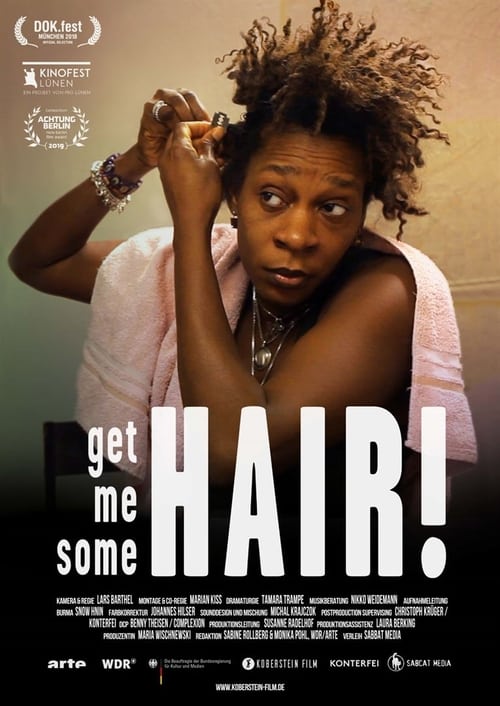
Lars Barthel asks his Jamaican wife Antoinette why she often wears hair extensions. This personal curiosity leads Lars and his film to some complex and politically-charged questions. What is the relationship between hair and racism? And where do the hair extensions actually come from?
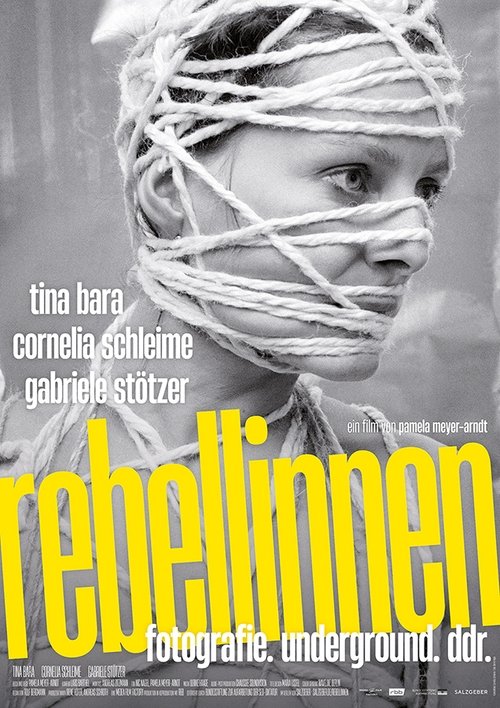
The rough, unkempt facades in Prenzlauer Berg – as if the skin had been peeled off the houses, says photographer Tina Bara. Having grown up in a prefabricated building, the young woman was drawn to East Berlin. She quickly got in conflict with the state, just like the artists Cornelia Schleime and Gabriele Stötzer, whom director Pamela Meyer-Arndt questions in her film about memories, traumas and creative genesis.
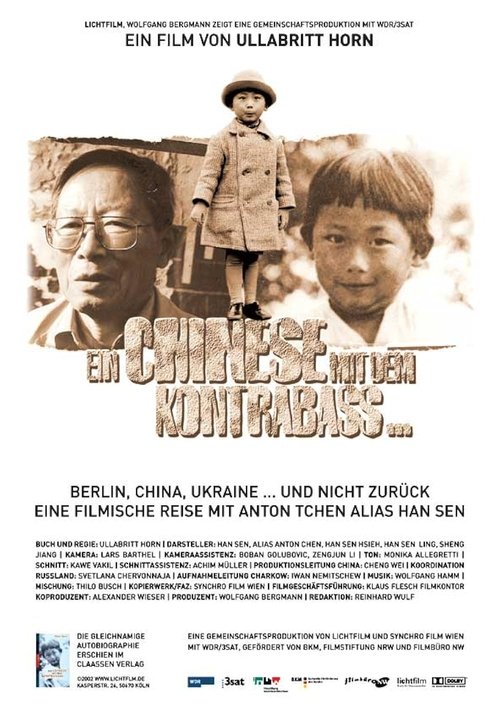
He was born as Anton Chen in Berlin in 1925. When the Nazis came to power in 1933, he first emigrated to Switzerland, then to China and finally to the Siberian part of the Soviet Union. At 75, Anton resides as Han Sen in Kharkiv/Ukraine. When asked about his identity, his answer comes fast and clear: "Berliner!" From his special perspective, Han Sen offers a highly personal perspective on the history of the 20th century and what it means to be a wanderer between wildly different worlds.
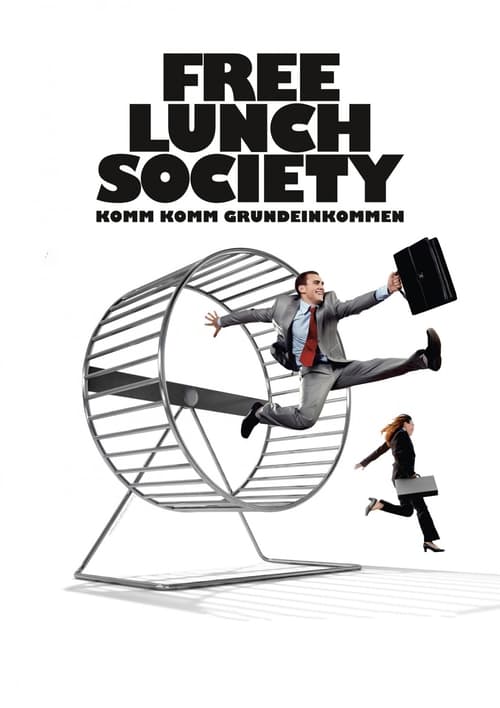
What would you do if your basic income was taken care of month after month? Would you stop working? Follow your passions? Take more risks? The four-figure sum that all four members of the Wardwell family receive each year from the Alaskan government’s crude oil profits goes towards a college fund for their children, something they would otherwise be unable to afford. Filmmaker Christian Tod, himself a fervent supporter of the idea, explores the model of an unconditional basic income and takes a look at trial systems already underway in the US, Canada and Namibia. Wandering the history of this utopia reminiscent of science fiction he eventually ends up in Switzerland, where the new system was voted on in 2016. In this multifaceted and highly entertaining documentary, Tod broaches life’s existential questions and fuels the debate on one of the most prevalent economic topics of our generation.
Six directors, one film: in episodes, they recall their experiences at the end of the GDR and the fate of a family under National Socialism. They talk about making films despite censorship, about the search for opportunities. They tell of losses, of leaving, of staying and of love in exile. A film about the longing for home and the endurance of friendships.
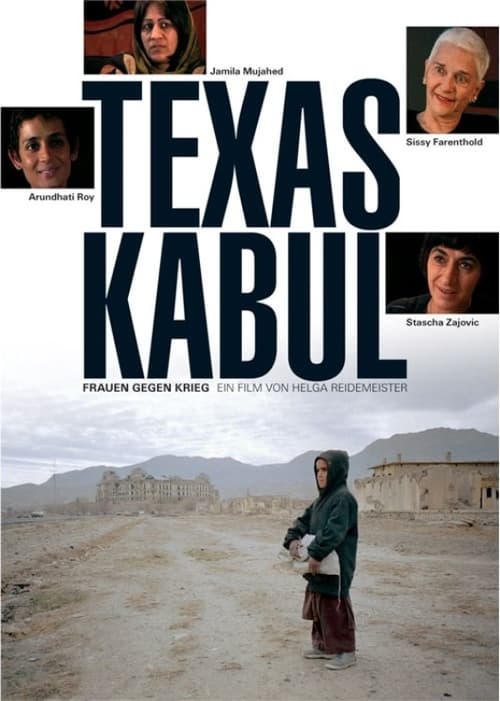
Helga Reidemeister portrays four women from Afghanistan-Jamila Mujahed, India-Arundhati Roy, Serbia-Stasa Zajovic and the USA-Sissy Farenthold, who demonstrate their opposition to nationalism and war.
No description available.
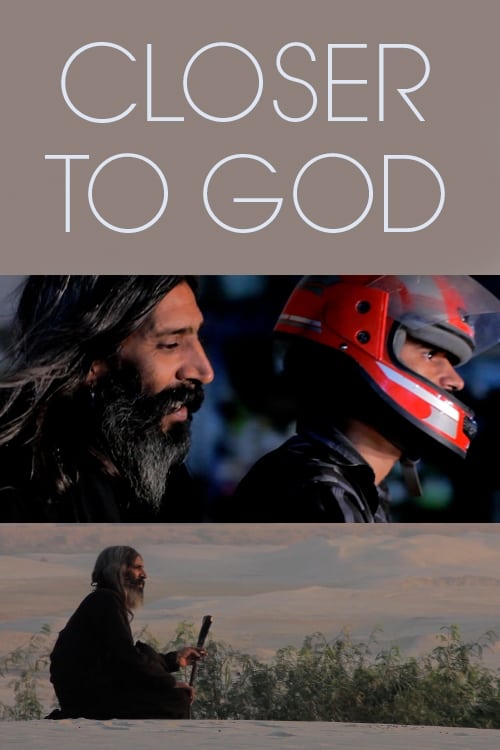
People have different ideas on how to get closer to God. The makers of this fascinating Swiss documentary follow two Pakistani men. One is a dervish or mystic, undertaking a life-long pilgrimage with heavy metal rings on his legs. He walks through the desert until his feet are raw, praying at every shrine he comes across along the way. The other is the custodian of a centuries-old musical tradition, for whom the idea of God lies in self-knowledge, insight and harmony with the environment – a harmony that he strives to achieve through life-long study and passing on his knowledge to new generations. In Pakistan, it is impossible for them to act together as the risk of attacks means any large meetings are prohibited. The film follows the men as they visit impressive holy sites, as well as in their everyday conversations, and provides a beautiful, sideways look at Pakistani society.
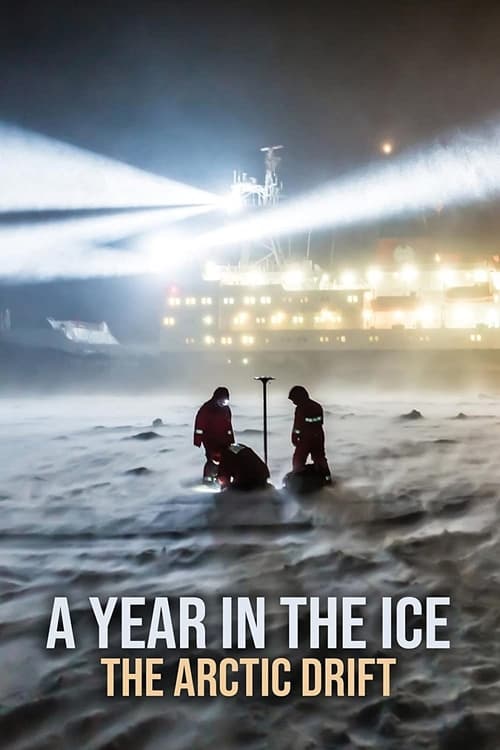
An intrepid team of 300 scientists spend a year in harsh conditions deep in the Arctic, on a pioneering expedition to secure vital answers to help us deal with climate change.
Documentary film.
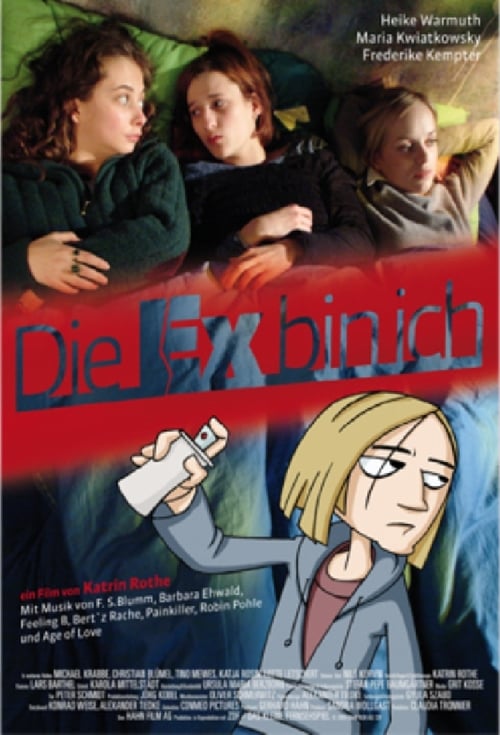
Berlin, an old building around the time of reunification. Squatter Bert is dead, suicide. His three ex-girlfriends Brit, Sandra and Anne search together for the reason. In the process, they become painfully aware of their different life plans.