FEEL IT.STREAM
John Whitney Sr.

John Whitney Sr.

Directing

Biography

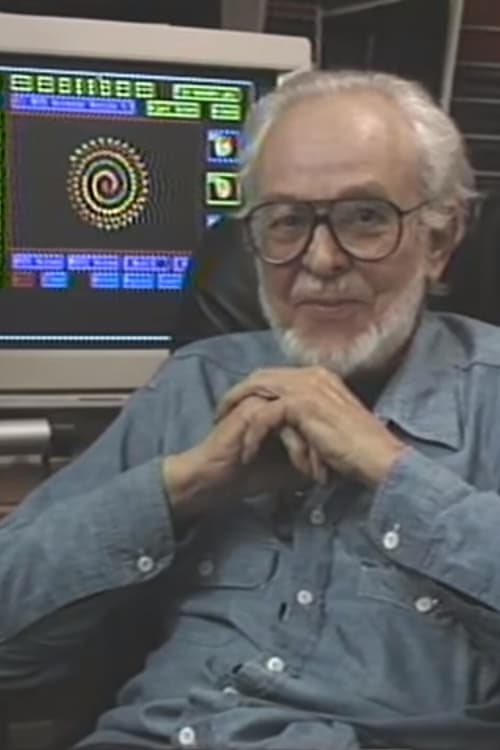
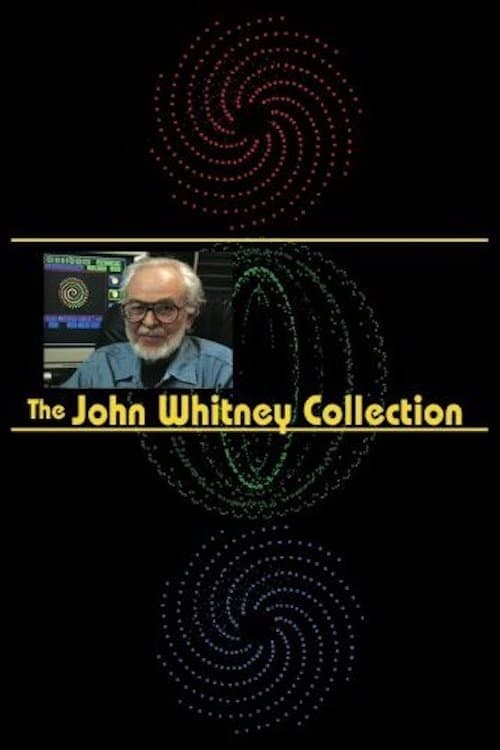
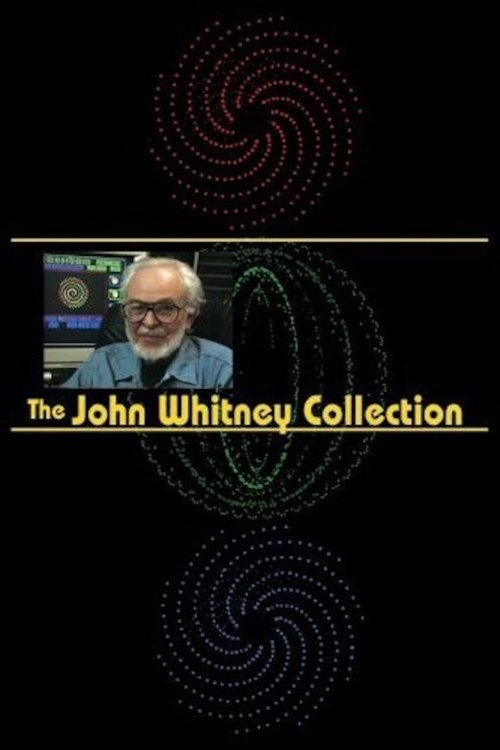
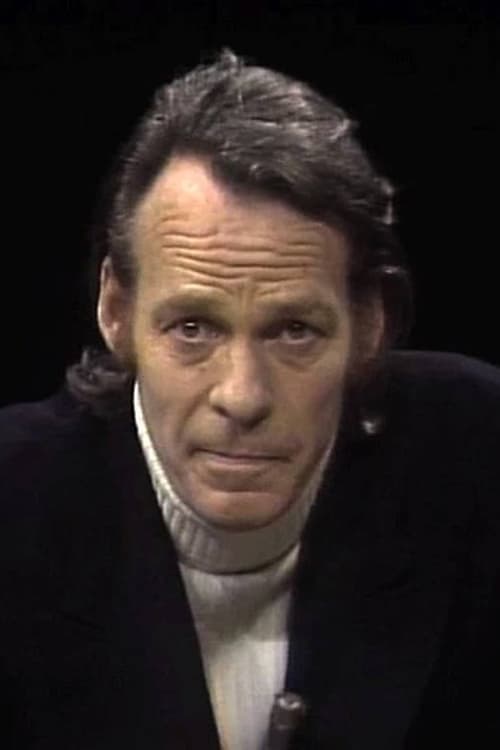
John Whitney, Sr. (April 8, 1917—September 22, 1995) was an American animator, composer and inventor, widely considered to be one of the 'fathers' of computer animation.
Known For

Screening Room
N/A

Independent filmmakers are given a chance to show and discuss their work on a commercial (ABC-TV) affiliate station.

Screening Room

1972
Abstract Cinema
9.0

Several well-known and pioneering abstract filmmakers discuss the history of non-objective cinema, the works of those that came before them and their own experiments in the field of visionary filmmaking.

Abstract Cinema

1993
Home Movies 1971-81
N/A

Home movies shot on Super 8mm by W+B Hein over 10 years.

Home Movies 1971-81

1985
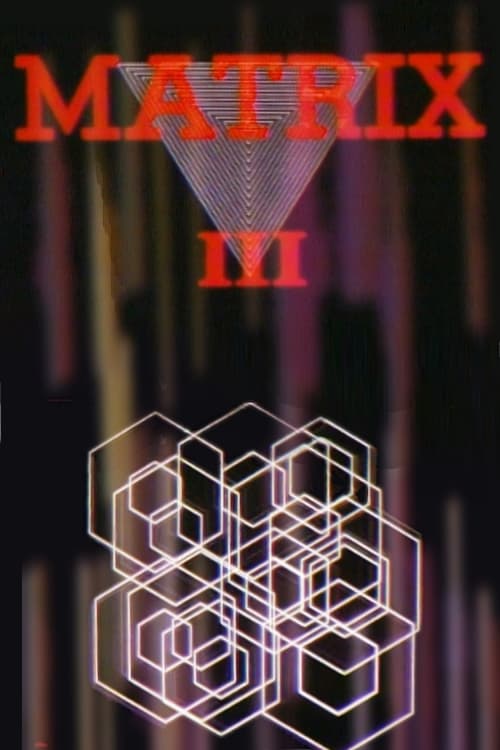
Matrix III
7.0

An abstract computer-generated animation set to music by Terry Riley.

Matrix III

1972
Arabesque
7.6

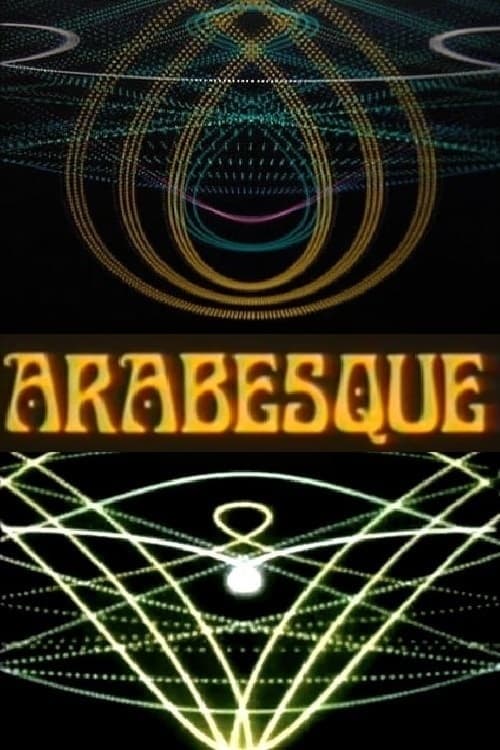
John Whitney's pioneering work of computer animation, Arabesque, from 1975. This flowing, abstract short film is a wonder to behold, a work of art. Like many other computer graphics pioneers, this film suggests roots in psychedelics and spiritual quests as much as engineering and mathematics. Preserved by the Academy Film Archive in 2007.

Arabesque

1975
Matrix
7.3

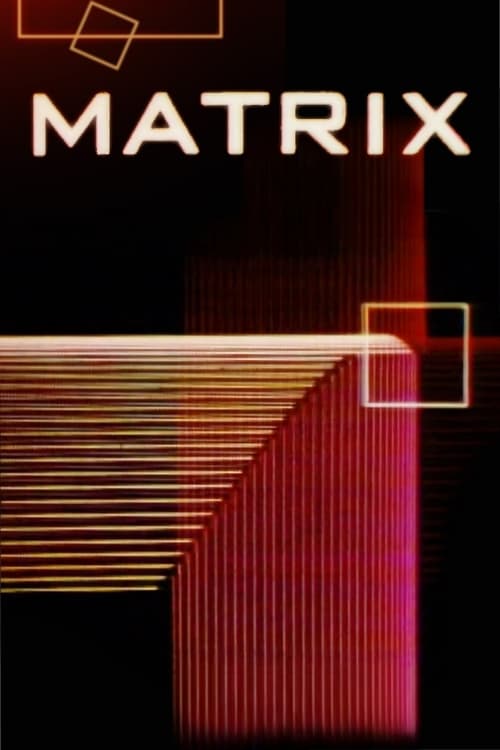
A piece of abstract cinema by John Whitney. A series squares follow a 3-dimensional track, each one with a slight delay after the other.

Matrix

1971
No image
N/A

John Whitney, Sr. one of the early pioneers in films made by computer-driven cameras explains and demonstrates his work. Shot on location at Whitney's home in California, includes excerpts from his films "Matrix 3", "Catalog", "Permutations" and "Lapis." 1975. Making abstract motion in time, and impinging directly on the viewer's emotions as music does -- these were among Whitney's early goals. "Music organizes time in a special way, creates tension in us, then satisfies, gratifies. We can do the same for patterns-- something is going to happen, make it happen in a way you don't expect. Film permutations can be parallel to tones in harmonic sequence; dominant chord resolves into tonic chord." To do this, says Whitney, "we need new tools, and to learn how to control them. They're unlike musical instruments which we have been practicing on for 300 years. We have to start from scratch. " - Stephan Chodorov, Writer.

The Film Art of John Whitney, Sr.

Permutations
6.0

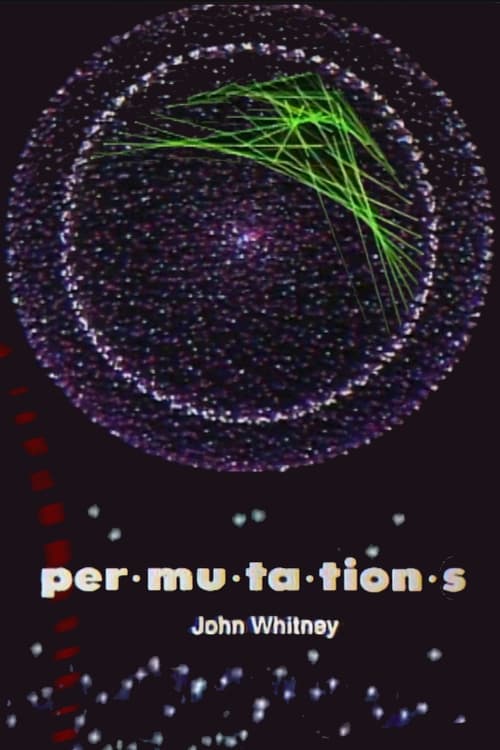
An experimental short film by John Whitney Sr. which combines animated shapes and colors; Computer graphics as dynamic, swirling art. Preserved by the Academy Film Archive in 2014.

Permutations

1968
No image
4.5

Two short fragments resulting from experiments in controlling the mechanical development of the instrument. Preserved by the Academy Film Archive in 2005.

Five Film Exercises: Film 2-3

1944
Osaka 1-2-3
N/A

No description available.

Osaka 1-2-3

1970
Catalog
6.5

Collection of Computer Graphic effects.

Catalog

1961
Five Film Exercises: Film 5
N/A

Opens with a short canonical statement of a theme upon which the entire film is constructed. The canon is repeated in contrasting variations by means of color. A second section poses the same image in deep film space. The image unfolds itself repeatedly, leaving the receding image to continue on smaller and smaller. Preserved by the Academy Film Archive in 2005.

Five Film Exercises: Film 5

1944
Five Film Exercises: Film 1
5.1

Begins with a three beat announcement drawn out in time which thereafter serves as a figure to divide the four sections. Each return of this figure is more condensed, and finally used in reverse to conclude the film. Preserved by the Academy Film Archive in 2004.

Five Film Exercises: Film 1

1943
No image
N/A

John H. Whitney Sr. explains the graphic art potential of the computer and the methods and philosophy involved in his computer filmmaking. Preserved by the Academy Film Archive in 2012.

Experiments in Motion Graphics

1968
A Personal Search For the Complementarity of Music and Visual Art
N/A

A Personal Search For the Complementarity of Music and Visual Art (1992) uses the concept of complementarity to make sense of the confusion that existed between fine art and technology in the late 20th century.

A Personal Search For the Complementarity of Music and Visual Art

1992
No image
N/A

A UPA/CBS cartoon film by Ernest Pintoff and John Whitney, music by Shorty Rogers.

Blues Pattern

1956
Five Film Exercises: Film 4
4.6

The entire film is divided into four consecutive chosen approaches—the fourth section devoted to a reiteration and extension of the original material. Preserved by the Academy Film Archive in 1999.

Five Film Exercises: Film 4

1944
No image
N/A

First film by the Whitney brothers.

24 Variations on a Theme

1940
Moon Drum
N/A

Moon Drum offers an impressionistic evocation of the mood, color and feel of native American art created by computer graphics.

Moon Drum

1991
Celery Stalks at Midnight
5.2

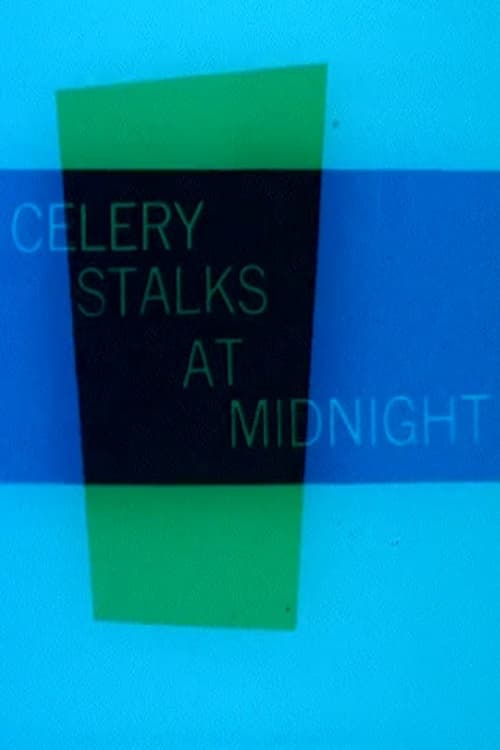
Early 'visual music' film by John Whitney. Preserved by the Academy Film Archive in 1999.

Celery Stalks at Midnight

1951