Matsuo Ohno
Sound
Biography
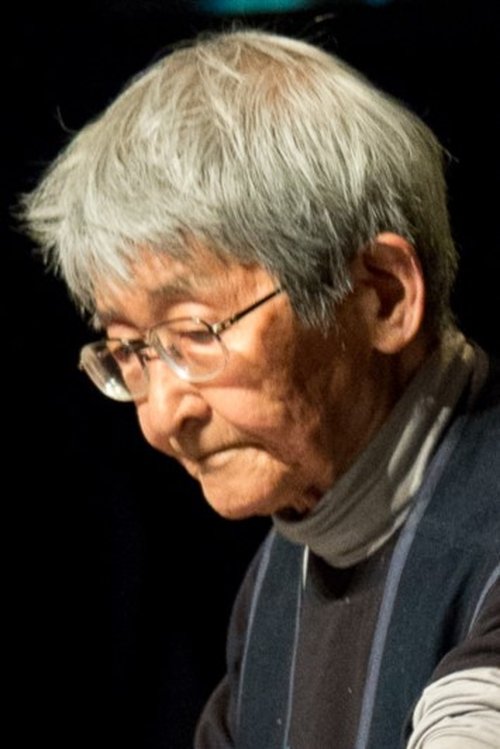
Matsuo Ohno was a Japanese Sound Designer and a pioneer of electronic music. He is famous for his sound design for the 1963 animated television series Astro Boy. In the early 1970s, he served as director of a tour documentary following his former assistant Takehisa Kosugi on the road with his septet, Taj Mahal Travelers.
Known For
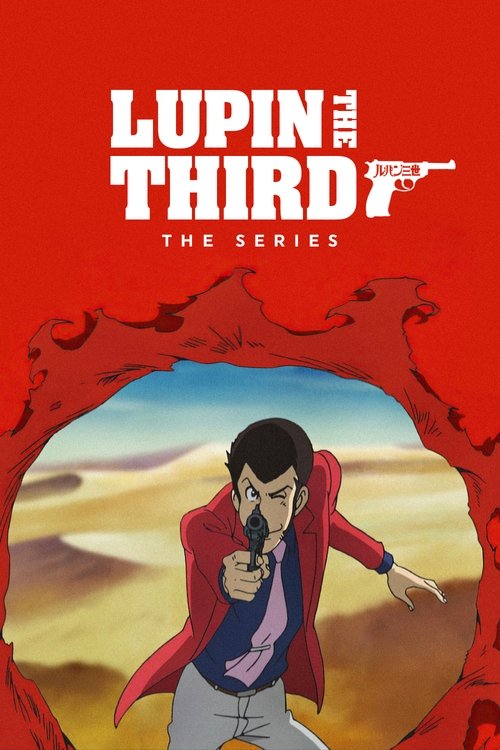
Follow the exciting adventures of Arsene Lupin III, the grandson of the world's greatest thief, Arsene Lupin. Together with Daisuke Jigen, Goemon Ishikawa and his love interest Fujiko Mine, he carries out the greatest robberies of all time, all the while evading the control of Inspector Koichi Zenigata.
Lupin the 3rd

This anthology of animated shorts from around the world celebrates the mythos of Star Wars through unique cultural lenses.
Star Wars: Visions

In the year 2000, Dr. Boyton creates a super-robot in his deceased son's image. He calls the robot Astro Boy. Astro Boy can swim oceans, leap over mountains, even fly into space on his own power. However, Astro Boy can't replace his son. Dr. Boyton becomes dissatisfied with the boy robot and disowns him. Astro Boy is befriended by Dr. Packadermus J. Elefun of the Institute of Science, who guides him through his adventures. Endowed with super strength, rocket-powered flight, a selfless heart and a kind demeanor, Astro Boy fights a never-ending crusade against the forces of evil!
Astro Boy

The year is 1988, and in the midst of recovering from a near-miss with a large comet, Earth finds that there are much worse matters at hand: the sudden arrival of a strange army of aliens and their fleet of unstoppable warships.
The War in Space
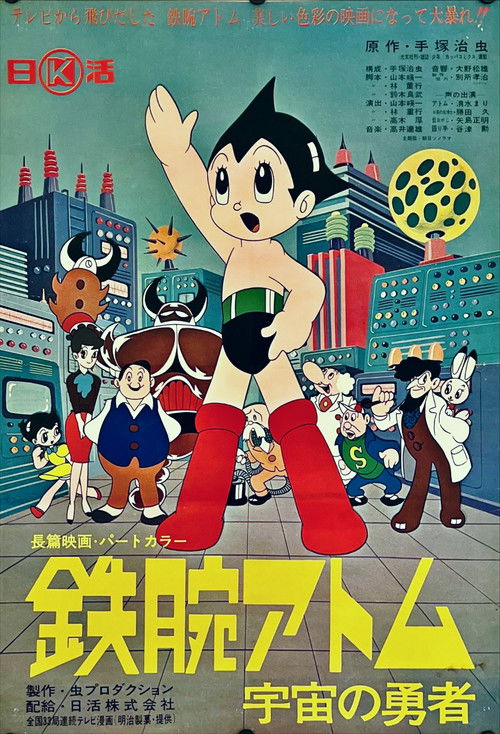
Compilation of Episodes 1,2 46, 56 and 71 from the 1963 Astro Boy series that were reproduced in color for this theater version.
Astro Boy: The Brave In Space
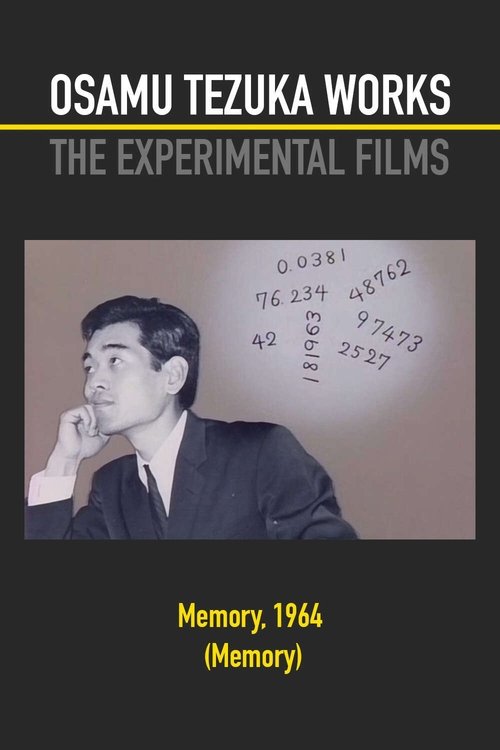
This is a short, privately produced animated film. While elucidating the mystery and fuzziness as well as merits and demerits of memory in idealizing reality, the story develops into a tale of destruction of human beings, turning the existence of the earth into a memory of the universe. The production, only 5 minutes long, greatly helps expand the viewer's imagination, embodying the enchantment of animation.
Memory
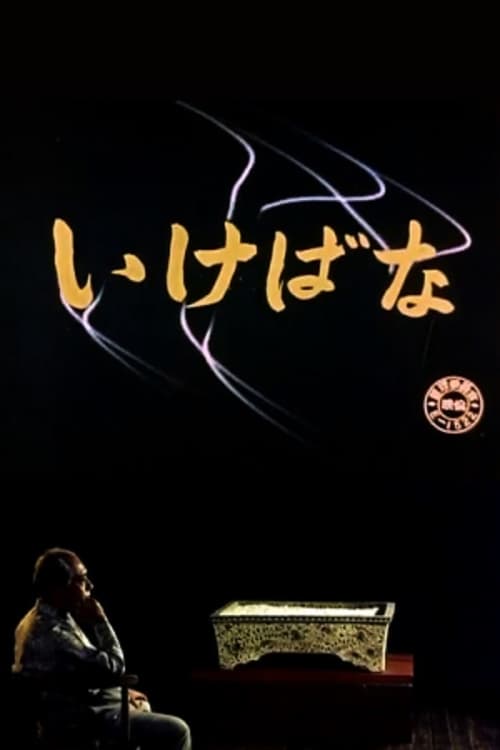
The history and art of ikebana, a centuries old Japanese art of flower arrangement and a look inside the Sogetsu School of Ikebana, where the director's father Sofu Teshigahara worked as the grand master of the school.
Ikebana

ĀTMAN is a visual tour-de-force based on the idea of the subject at the centre of the circle created by camera positions (480 such positions). Shooting frame-by-frame the filmmaker set up an increasingly rapid circular motion. ĀTMAN is an early Buddhist deity often connected with destruction; the Japanese aspect is stressed by the devil mask of Hangan, from the Noh, and by using both Noh music and the general principle of acceleration often associated with Noh drama.
Atman
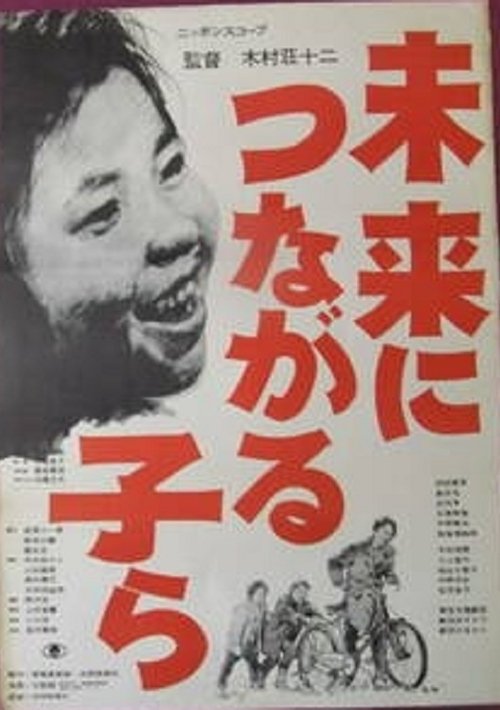
1962 Japanese movie
Mirai ni tsunagaru ko ra
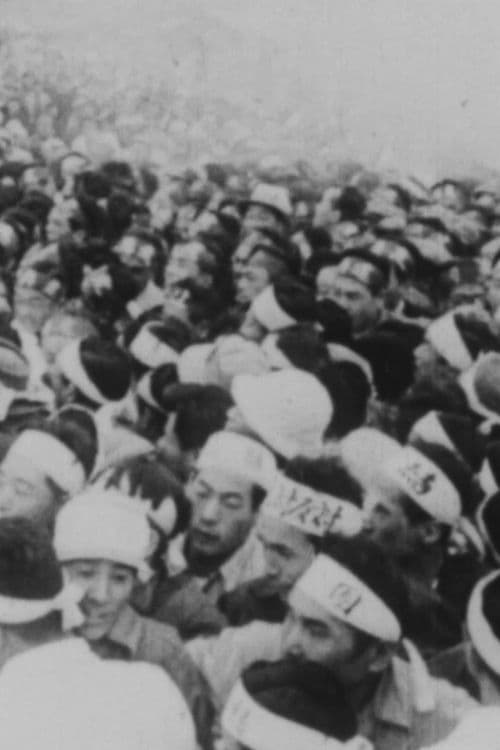
An early experimental film by Toshio Matsumoto. Produced as part of the student riots in Japan at the start of the 1960s, Matsumoto uses collage, archival footage, and impassioned narration to create an expressive, visceral criticism of the US-Japan Security Treaty.
Security Treaty

On October 12, 1956, 53 surveyors and 1,300 armed police rushed the gathered union and Zen Gaku Ren (the All Japan Federation of Self-Governing Students Associations) members who then formed a scrum to protect themselves. 278 people from both sides were injured. On the 13th, at the protest’s peak, 5,000 workers and Zen Gaku Ren members had been mobilized when the police attacked the demonstrators’ picket lines. 844 protesters and 80 police were injured. Public opinion erupted against the the violence of the armed police and the government’s lack of a policy, and on the 14th, the radio suddenly announced that the government would stop its survey. Sunagawa overflowed with joy and excitement, and a victory demo was held. On the 15th, a National People’s Rally was held to celebrate the victory of Sunagawa’s fight against the base, and protesters who had sustained grave injuries came from the hospital to address the meeting.
Record of Bloodshed: Sunagawa
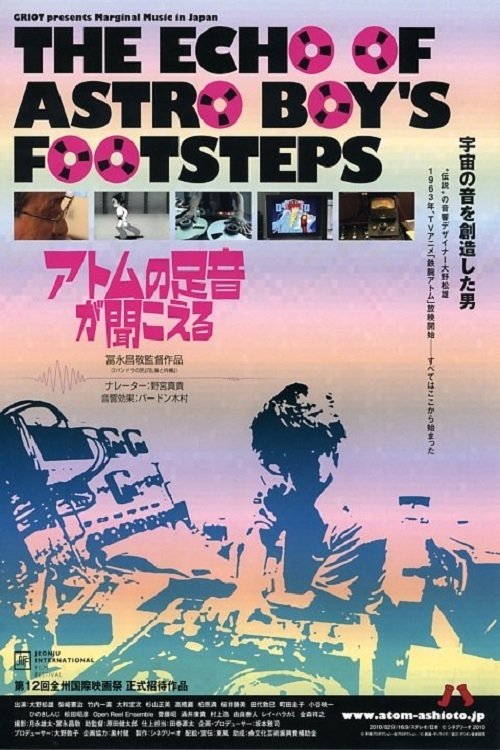
The man who created the sounds of the future, legendary sound designer Matuo Ohno, most famous for his work on the 1963 animated TV show Astro Boy.
The Echo of Astro Boy's Footsteps
Short animated film by Manabe Hiroshi
Chase
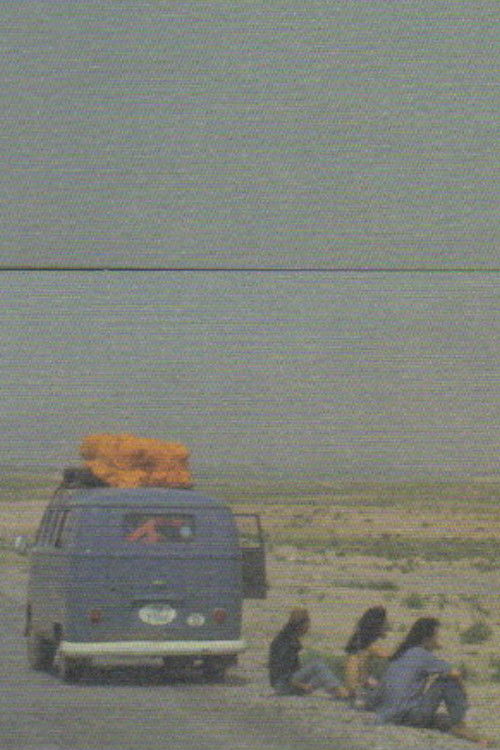
"Part travelogue, part performance, 100% head-spinning" - Worlds of Cinema Electronic music pioneer Matsuo Ohno's art-film/documentary chronicling the Japanese experimental music ensemble's 1971-1972 worldwide expedition. Led by Fluxus member Takehisa Kosugi, the Taj Maj Mahal Travellers elevate university crowds and concert halls, follow tortoises through the Iranian desert, jam with Don Cherry and his Organic Music Society in a geodesic dome in Stockholm, explore Grecian ruins, improvise on Afghan steppes, serenade the waves at Cape Manazuru Beach, Japan and make the pilgrimage to their ivory-white namesake -- making music anywhere and with anything along the way.
The Taj Mahal Travelers: About the Journey
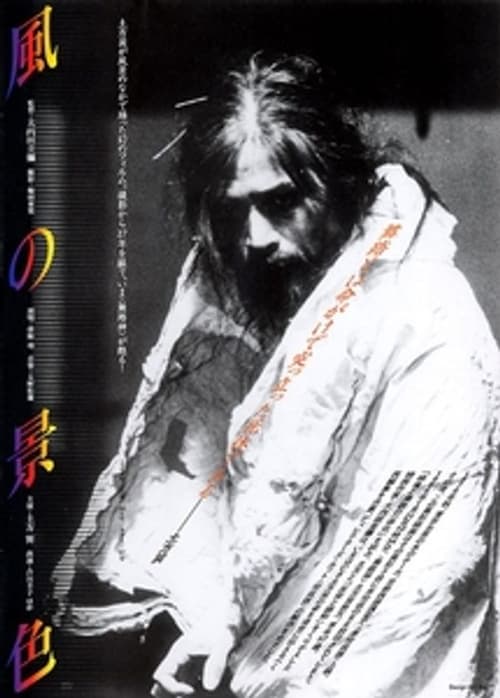
A cultural film documenting Butoh dancer Tatsumi Hijikata as he is taken out of his stage space and dances in the streets. 16mm.
Kaze no keshiki
No description available.
Work Equals Weight Times Distance
Fluxus artist and composer Takehisa Kosugi assembled a crew of young musicians and hit the road in a VW bus from Rotterdam to the Taj Mahal, playing a series of shows along the way in which the band used traditional instruments run through a series of electronic effects to create long sheets of drone both pulsing and timeless. Filmed by Takehisa Kosugi's mentor Matsu Ohno (perhaps best known in the States for his sound effects/score work on the television series Astro-Boy), the film moves at the same pace as the music itself, a pastoral road movie following a band far more likely to play temples than clubs.
On Tour

A "remix version" of Modern with a soundtrack by Matsuo Oono, which turns the satisfying orderliness of Modern into a cold, disturbing landscape.