Claire Doyon
Directing
Known For
French filmmaker Claire Doyon makes her feature-length writing and directing debut with the drama Les Lionceaux, which translates to "Little Lions," but is given the English language title Sleep Tight. Lisa Lacroix and Marie Felix play two seemingly feral teenage sisters who inhabit a deserted island with their estranged parents. Soon a guy washes up on shore and changes things. Sleep Tight was shown at the 2003 Cannes Film Festival.
Sleep Tight
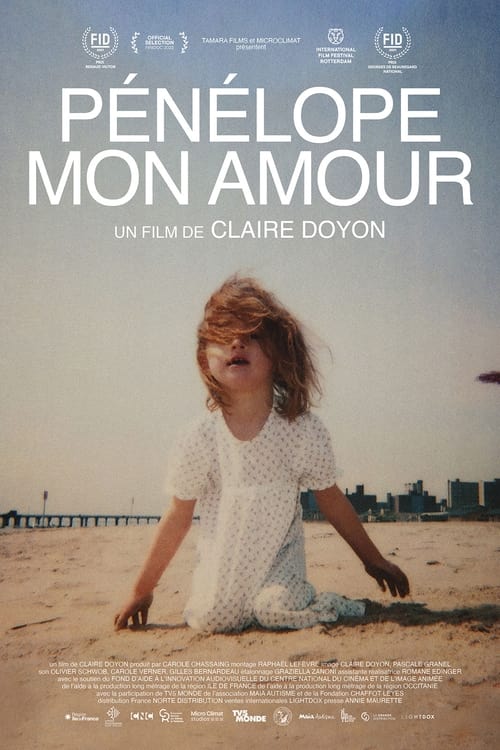
The story of a young woman who will never fit in but whom the cinema, because it is able to appreciate her extraordinary existence, helps her to find her own special place in the world.
Penelope My Love
At the start of the new millennium, mysterious things are going on in Paris. People are disappearing, just like that, without explanation. They vanish into thin air and are never seen again.
Fantômes
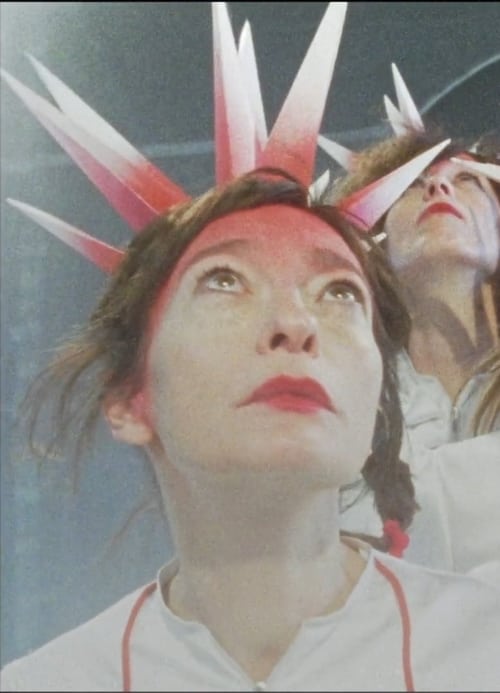
Louis II de Barrière has been petrified in the ice since the dawn of time. We find him in a forest, luckily he is alive ! Three witch sisters try to defrost it and unravel its musical mystery. We are propelled with them in a colorful and surreal fairy tale.
Which Is Witch ?
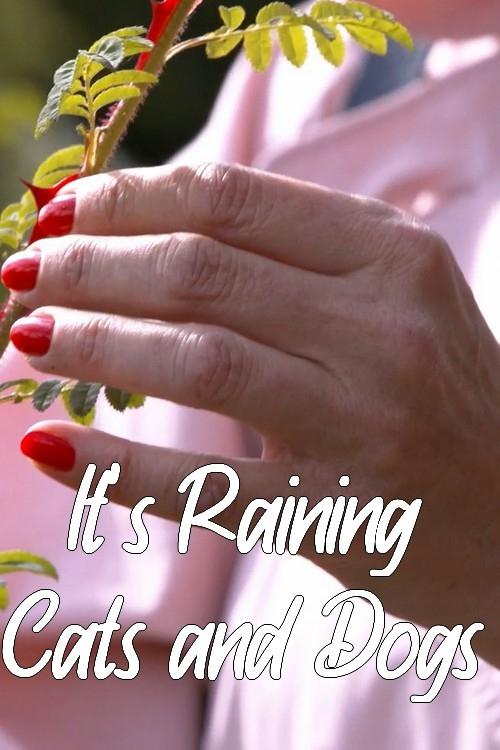
Claire Doyon met Isabelle Caroline at the 'plan autism' in Paris in 2017. They immediately became friends. In this film, Claire Doyon stages Isabelle in a rose garden and questions her about her autism, her relationship to pain, her hypersensoriality, her love of roses. Claire is looking for answers to try to better understand her daughter, Isabelle lends herself to the game and confides.
It's Raining Cats and Dogs
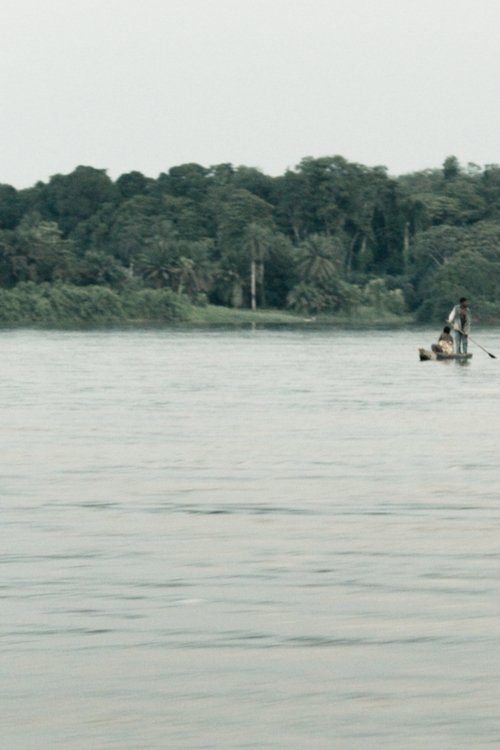
Krishna once again takes female form. Going with the current, she shares her memories with us as the spirits of the river keep a watchful eye.
Chrishna Ombwiri
No description available.
Les allées sombres
A portrait of the filmmaker's autistic daughter, Penelope.
Pénélope
Short Film
Son of a Gun
No description available.
Rouge gorge
The filmmaker expresses her disagreement with the way her daughter Penelope, who suffers from autism, is cared for. In the image, Penelope herself, her free movements, the landscapes of her daily life.
Suspension
In a voice-over, Claire Doyon is reading a text by Silvia Federici. The text elaborates on the role of psychology in the preservation of the patriarchal system and of capitalism; it analyses the methods used by psychologists to promote adaptation to social structures rather than their dismantling. The arguments are illustrated on screen, first by shots of assembly lines and menial tasks being performed. But very soon, the shots overpower the words: images of freed bodies, of a young woman. This is Penelope, the director’s daughter, on the autism spectrum, who provides a visual escape from the implacable realities that fill our ears.