Jürgen Ellinghaus
Directing
Known For
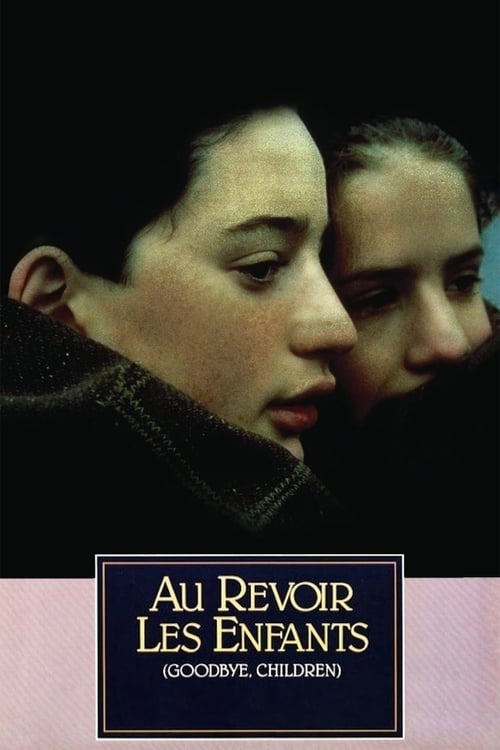
Au revoir les enfants tells a heartbreaking story of friendship and devastating loss concerning two boys living in Nazi-occupied France. At a provincial Catholic boarding school, the precocious youths enjoy true camaraderie—until a secret is revealed. Based on events from writer-director Malle’s own childhood, the film is a subtle, precisely observed tale of courage, cowardice, and tragic awakening.
Au Revoir les Enfants
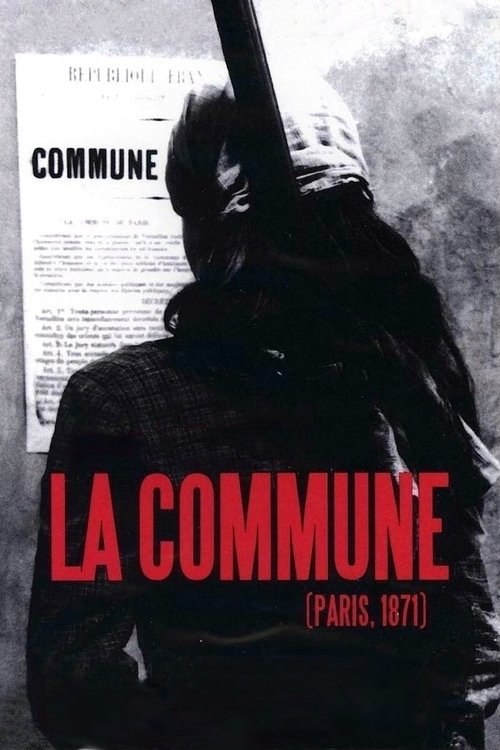
In this war drama blurring the lines between documentary and fiction, the working class and the bourgeoisie of 19th century Paris are interviewed and covered on television, before and during a tragic workers' class revolt.
La Commune (Paris, 1871)
We are in the year 1871. A journalist for Versailles Television broadcasts a soothing and official view of events while a Commune television is set up to provide the perspectives of the Paris rebels. On a stage-like set, more than 200 actors interpret characters of the Commune, especially the Popincourt neighborhood in the XIth arrondissement. They voice their thoughts and feelings concerning the social and political reforms.
La Commune (Paris, 1871)
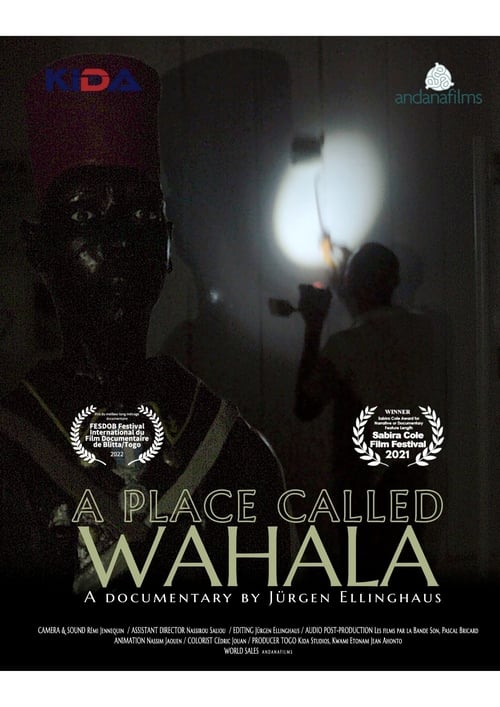
Every year the War Cemetery Memorial of Wahala in the former German colony of Togo (West Africa) hosts the 11th November Remembrance Day Ceremony in memory of the African colonial soldiers who died here in August 1914. But Wahala's history and its name point to another painful past. In 1903 the German colonial administration set up a "correctional settlement" by the Chra river where people considered to be an obstacle to colonial order were obliged to live. Wahala: a place where the voice of the ancients resonates with present day pictures.
A Place Called Wahala
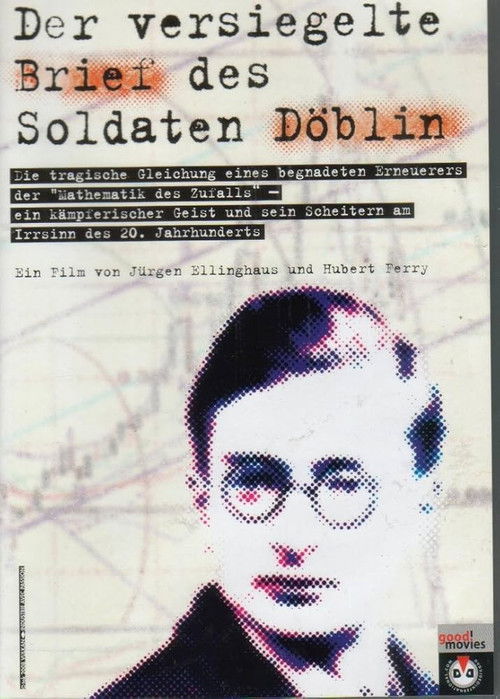
Wolfgang Döblin, son of the famous writer Alfred Döblin and a talented mathematical genius, obtained French citizenship while in exile and was mobilized as a soldier during the Franco-German War in 1939. Despite the extreme conditions at the front, he worked on his theories of random motion, particularly "memoryless random processes." At only 25 years of age, he took his own life to avoid capture by the Wehrmacht, but left behind significant works in probability theory that underscore his influence on modern mathematics.
La lettre scellée du soldat Doblin
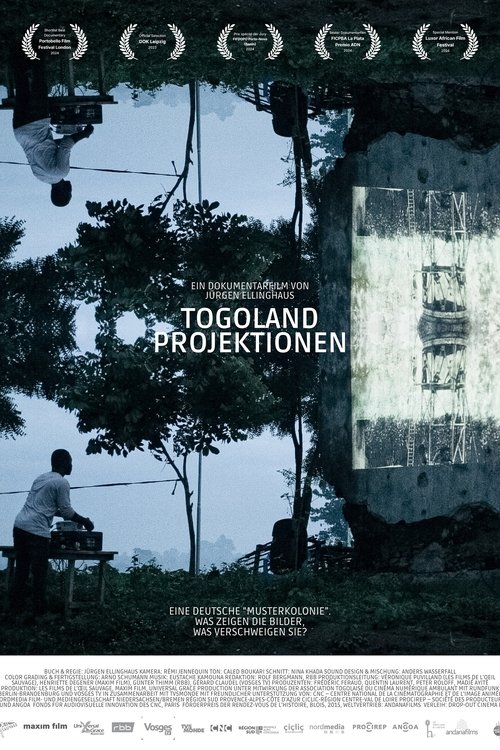
Following in the footsteps of the Hamburg film director Hans Schomburgk who travelled through the German colony of Togo from Lomé to the north with his companion and actress Meg Gehrts in 1913, Jürgen Ellinghaus screens the footage shot then at its locations in modern-day Togo. Schomburgk’s affirmative images show slave labour, humiliation and the arrogance of the colonial power. The material is contrasted by Gehrts’ romanticising diary entries and other colonial reports which often testify to a horrifying coldness.
Togoland Projections
From 1884 to 1914, a small belt of land between the British Gold Coast Colony and French-governed Dahomey was part of the German overseas empire in Africa. "Togoland", the later Togo and the eastern part of today's Ghana, experienced the first German capitulation in the early days of WWI. European rule left its marks on people's minds, even more than a century after the forced pull-out of one of the major European players in the competitive "great colonial game" and more than half a century after the African Independences. Lomé - Adibo - Yendi - Kamina - Wahala: present-day glimpses of a journey into the past.