Miloslav Vydra
Writing
Known For
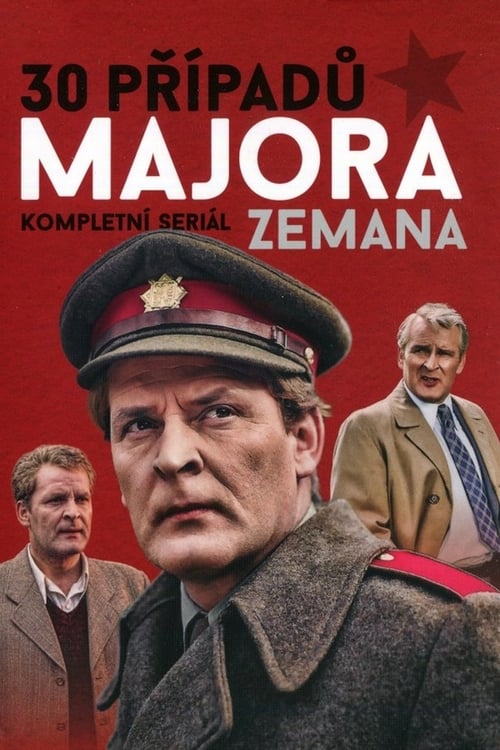
Thirty Cases of Major Zeman is a Czechoslovak action-drama television show intended as a political propaganda to support the official attitude of the communist party. The series were filmed in the 1970s. Each episode encompasses one year, and investigations are stylized to that year. Most are inspired by real cases. The series follows the life of police investigator Jan Zeman during his career from 1945 to 1975.
Thirty Cases of Major Zema
No description available.
Rembrandt van Rijn
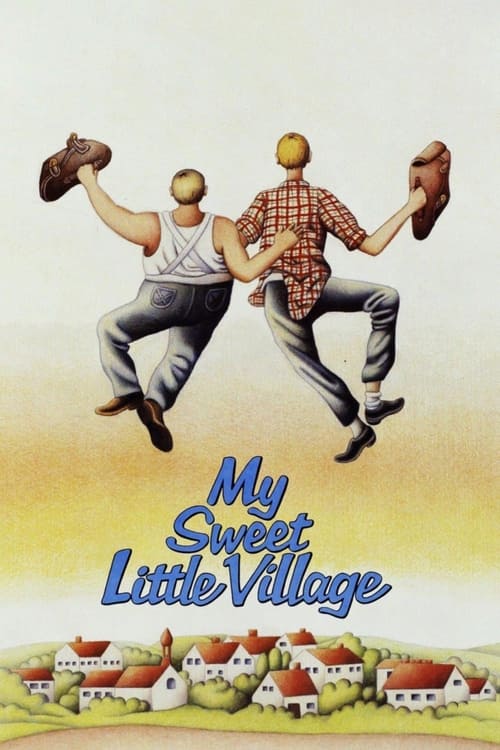
The movie's main storyline follows the life of Otík, a young man, in a tight-knit village community. The sweet-tempered Otík works as an assistant truck driver with Mr. Pávek, his older colleague and practical-minded neighbor. Pávek's family takes care of Otík, whose parents are dead. However, the two coworkers become at odds over Otík's inability to perform even the simplest tasks. Pávek demands that Otík be transferred to assist another driver, who happens to be a choleric and suspicious man named Turek (Turk in Czech). Rather than work with Turek, Otík decides to accept an offer of employment in Prague, but finds he does not fit in to the city life. After discovering that the transfer of Otík to Prague was a trick by a crooked politician to get a deal on Otík's large inherited house, Pávek agrees to give Otík a second chance and retrieves him from the city to resume their work together.
My Sweet Little Village
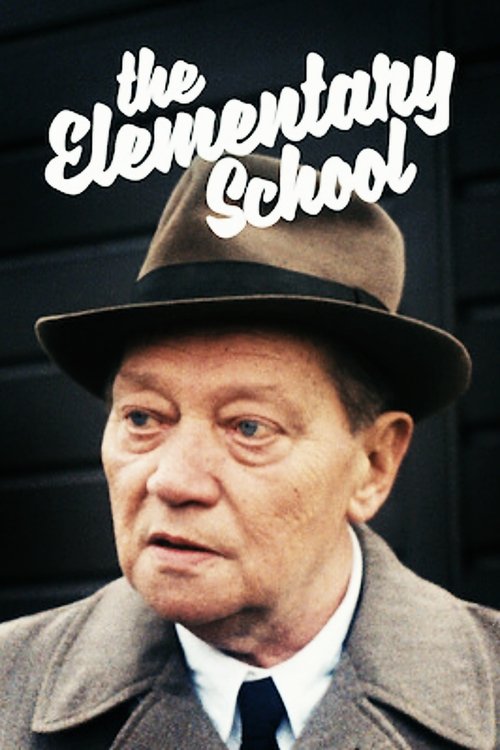
The time is 1945-46. 10 year old Eda and his friend Tonda live in a small village outside Prague. In school, their class is so wild and indisciplined that their teacher quits and is replaced by the militant Igor Hnidzo. He is very strict – but also very fair. His weakness though, is his interest in young women.
The Elementary School
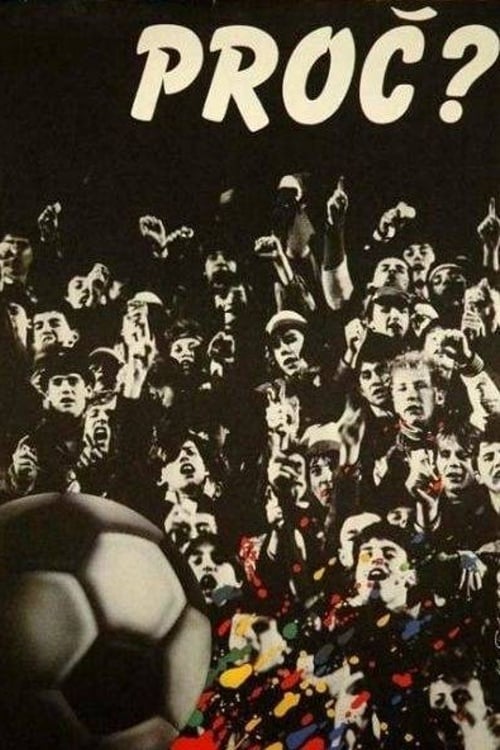
Why? (Czech: Proč?) is a 1987 Czechoslovak drama film directed by Karel Smyczek. It was screened in the Un Certain Regard section at the 1988 Cannes Film Festival. The film deals with the hooliganism in Czechoslovakia, particularly with the fans of football club Sparta from Prague, whose supporters were the pioneers of the football fan riots in Czechoslovakia, starting with hooligan actions already in the 1960s, like breaking the trains in which they travelled when they went on Sparta's away games. The film deals with one of such episodes
Why?
No description available.
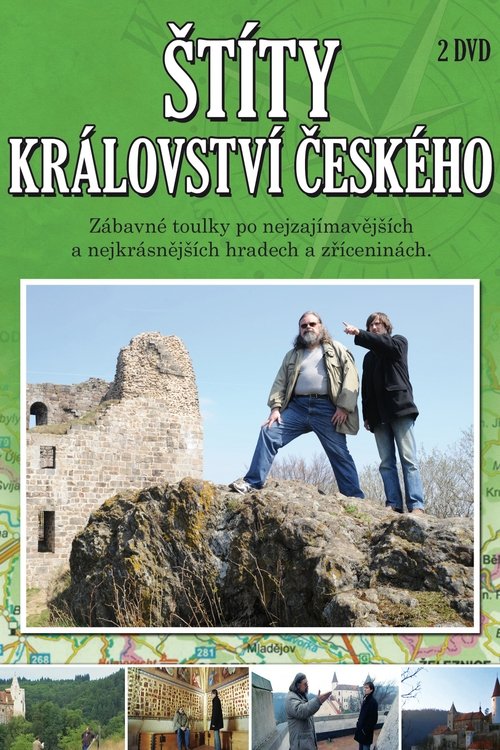
Štíty království českého
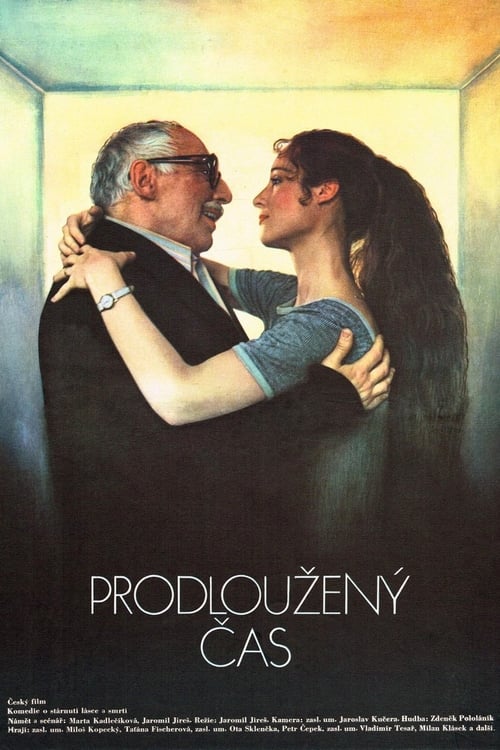
The dramatic story of Karel Svozil, an aging professor of art history, tells of love and old age, illness, death and the worries of everyday life with a humorous touch. A diagnosis of a cancerous tumour unexpectedly interferes with the life of the wise and sophisticated man and his love affair with the much younger Alena, leading him to contemplate suicide. However, the gloomy thoughts are soon replaced by feverish activity, with which Professor Svozil tries to make the most of his remaining time. He finishes his book, marries his mistress, and openly speaks out against his superior. However, an accident radically changes the whole situation.
Extended Time
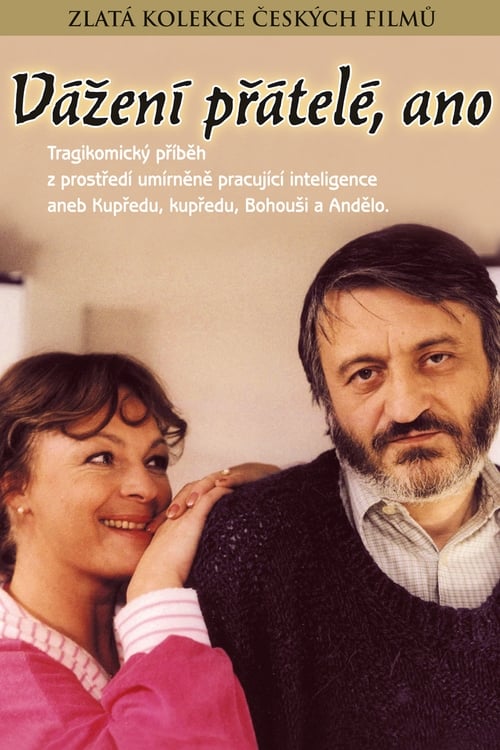
During the change of functions in the Fortuna medical ceramics company, Bohouš Fisher, an independent clerk, became deputy director of the company against his will. As a result, he is forced to make even greater compromises than before. He takes part in unnecessary meetings for which he has to raise money from company funds because of his position, or he jocularly solves a "work" accident of two employees who were engaged in love games instead of work. It's not much better in his private life. He would like to do some meaningful work, like building a stove.
Vážení přátelé, ano
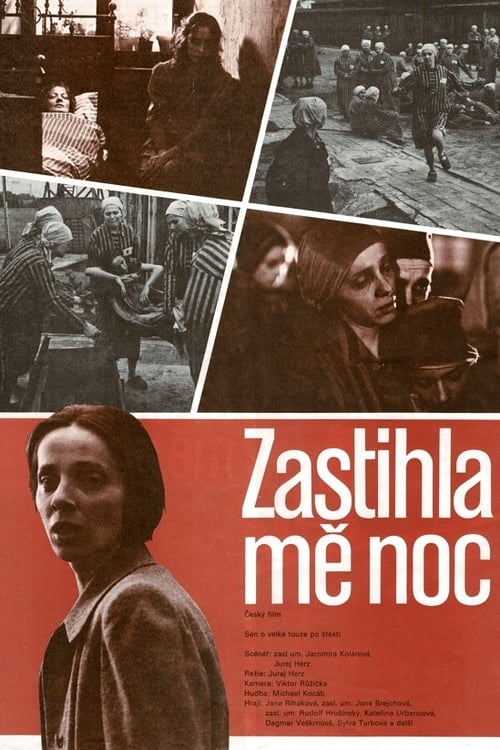
A communist journalist from Prague is sent to Ravensbruck concentration camp.
Caught by Night
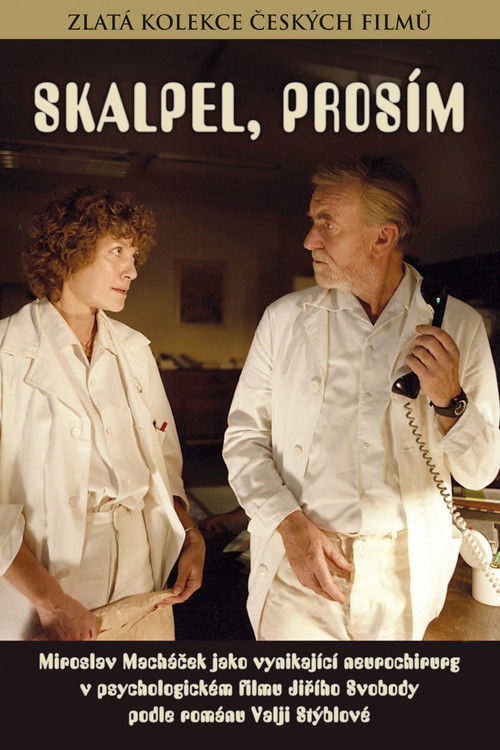
A psychological drama exploring the notion of the doctor as a moral authority, who within the framework of their everyday work must face questions of life and death. The film is adapted from a novel by Valja Stýblová, in which the author draws upon her personal experiences as a former neurosurgeon. The protagonist of this drama is an ageing professor, based at a Prague neurological clinic, who is haunted by issues concerning his own principles and values, and also by the case of a young patient, Víťa, afflicted with an inoperable tumour.
Scalpel, Please
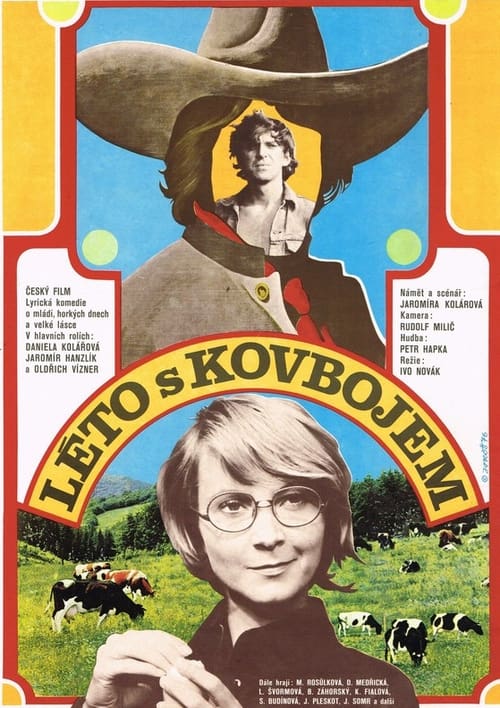
The main characters are a young psychologist Doubravka and a village youth, Honza Macháček. He is a tractor driver who temporarily lost his driver's license in a crazy bet, so he now herds a cooperative herd of cows, she is at the cottage with her boy Boba, who is not very successful in studying medicine and is currently preparing for his remedial exams. Honza's immediacy, optimism and approach to life and work contrast sharply with the selfish, weak-willed and unbalanced Boba, and Doubravka increasingly realizes that her feelings for Boba have disappeared and that she actually loves Honza. The question is how her somewhat conservative family will view such a game.
Summer with a Cowboy
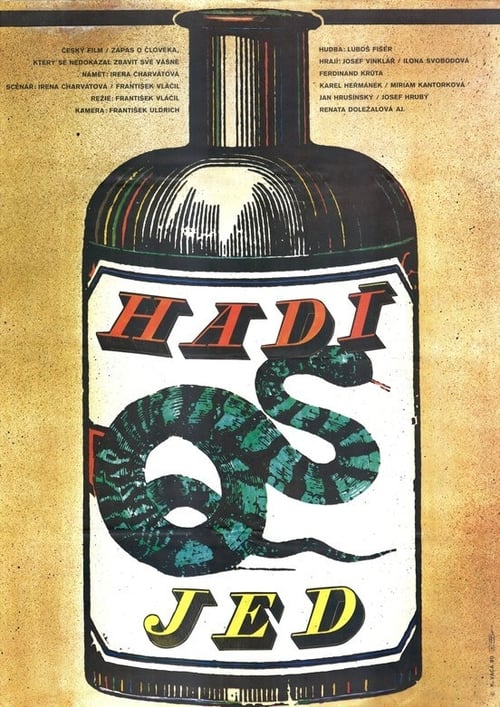
Her mother dead, 18-year-old Vladka travels to a remote village in the dead of winter to find the father she has never met. The happiness of their initial meeting gives way to the daughter’s disappointment and concern over the hardworking man’s alcoholism.
Serpent's Poison
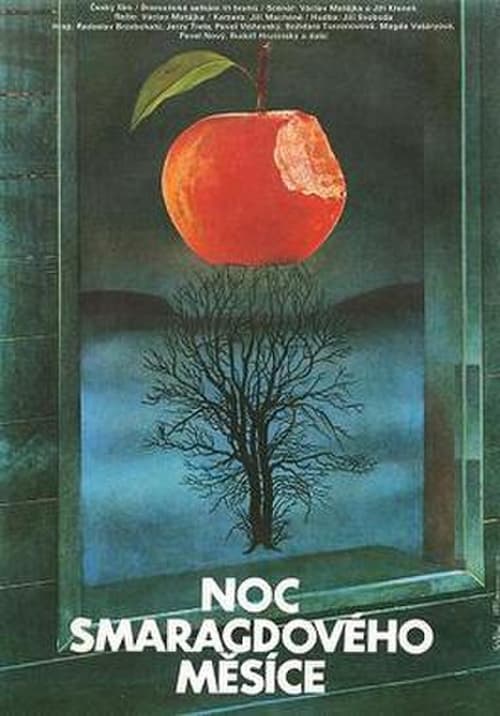
This downbeat, grim drama about three brothers who are reunited at their mother's funeral is actually visually as dark as its story, making it difficult at times to clearly distinguish a scene. These brothers are not particularly exceptional as people go, but at least they have branched out into separate vocations in their lives. One brother is a doctor, another is a criminal, and the third is a bus driver. Like others in Europe, they suffered through World War II, yet no matter what their backgrounds and experiences, their interpersonal relationships are not exactly gripping drama.
Noc smaragdového měsíce

After their young daughter dies suddenly from a viral infection, Marie and Petr struggle to cope with the silence and emptiness left in their apartment. The couple drifts apart as Marie sinks into deep isolation while Petr attempts to distract himself through work and social interactions. Eventually, they decide to try for another child in an effort to move forward and rebuild their fractured relationship.
Day for My Love
A young man from a poor proletarian family successfully graduates from university, meets a girl who grew up in an orphanage - and surprises his surroundings, greedy relatives and a friend from a rich bourgeois family, by refusing any benefits. He regularly visits his parents to help them build their house, trying to act honestly at all times.
Poslední vlak
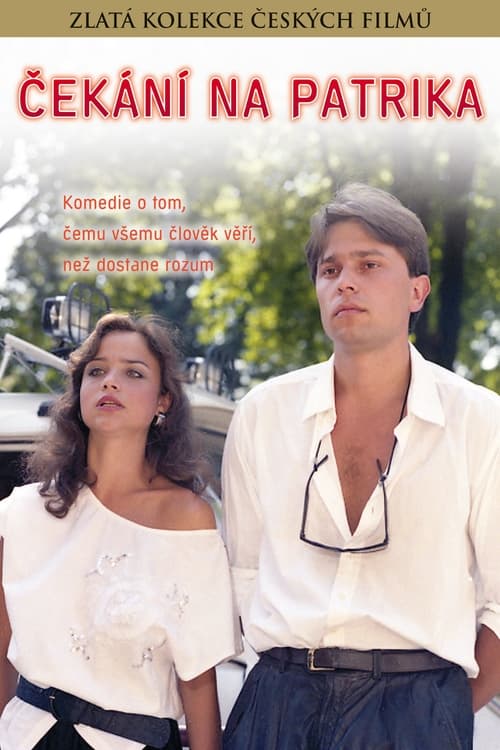
Helenka, a textile industrial student, invents an ideal man who is the envy of all her friends. The dreamy and delusional Helenka resists her complexes with an imaginary lover, her more realistic friend Zuzka would also prefer the dreamy Patrik, but in the end she will probably be happy with the less ideal Honza, and the self-confident vulgar nymphomaniac Sylva flies from one lover to another like a butterfly, finally as she was the only one waiting for her dream Patrick.
Waiting For Patrick
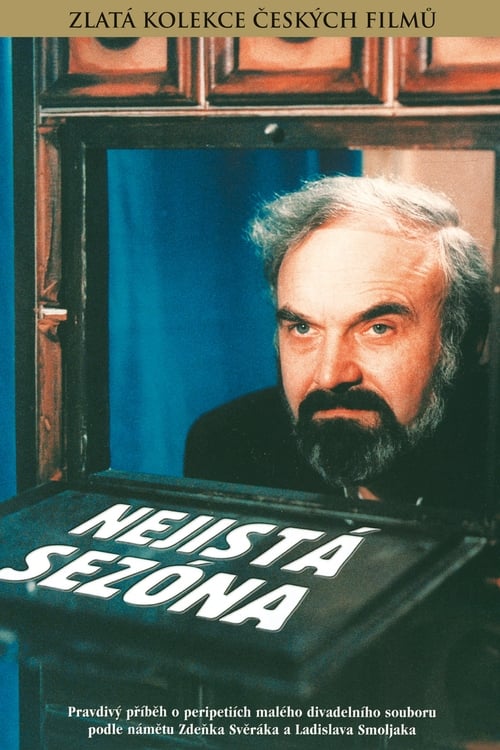
The small group of actors have to face many problems while preparing a new performance.
An Uncertain Season
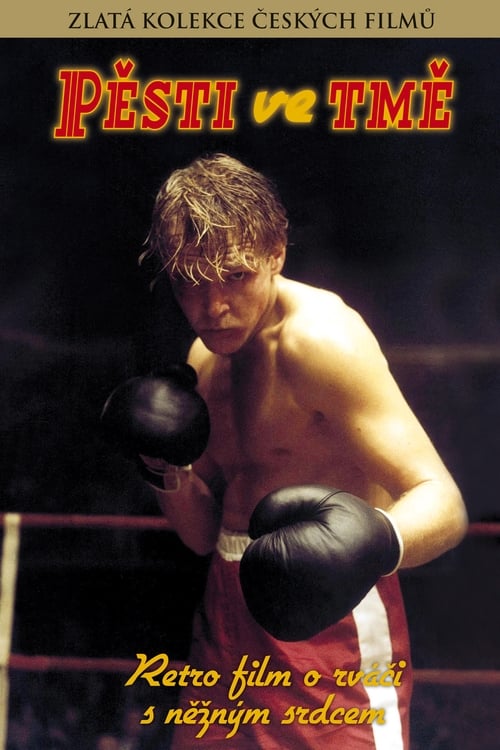
The year is 1936, the nervous atmosphere of the Nazi threat penetrates into the sport. Upgrade boxe Vilda Jakub will compete with German Kurt Schaller. The Nazis decisions are used in order to win his master even the dirtiest means. Vilda inspect their game and focus on the preparation of environmental events. The story culminates in the victory of one of the two lovers, between which Vilda tense moments in the decision.
Pěsti ve tmě
A directors autobiography about his debut during the rise of socialism.
Narozeniny režiséra Z. K.
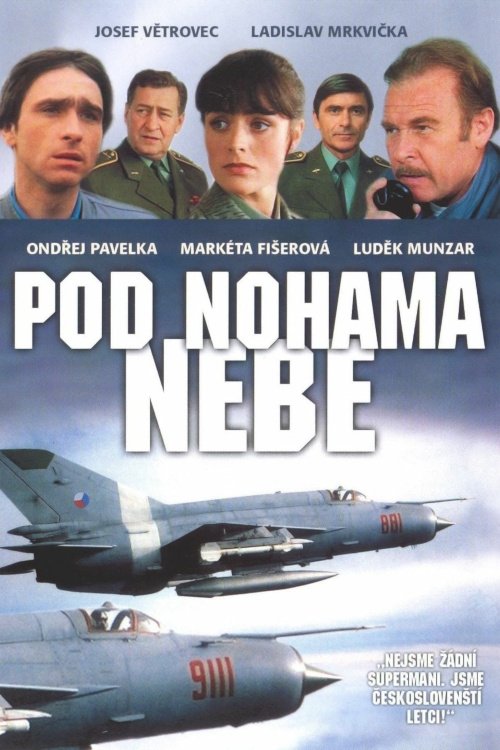
Olda Raška, a novice pilot, is going through an emotional crisis that will greatly affect his professional abilities. Only thanks to the understanding of his superiors will he realise his shortcomings and overcome the crisis. While he begins his life's journey, the experienced pilot Lieutenant Colonel Lošťák has to quit flying for health reasons. The film is very skillfully crafted and attractive for its time, mainly due to the unique aerial shots and behind-the-scenes sequences from the airport.