Acting
A spectacular comedy with a star-studded cast that depicts unusual trials and unexpected verdicts regarding the five deadly sins: the crime of beauty, the crime of a terrifying wife, the crime of taking the wrong course, the crime of seducing, and the crime of killing with laughter.
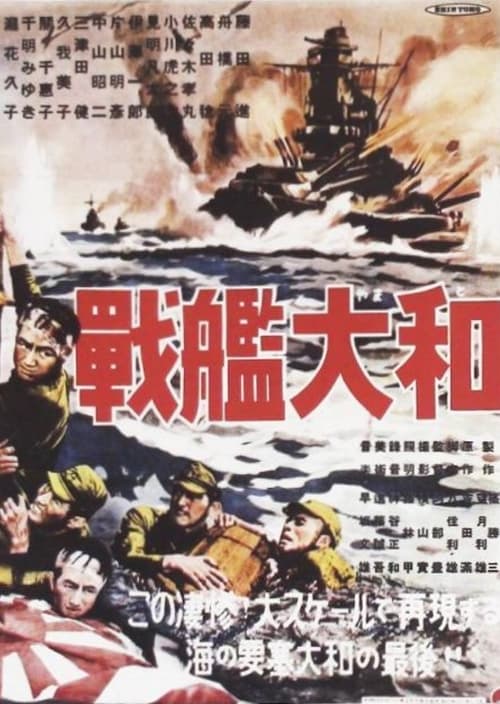
The film is about the Yamato's suicide mission to Okinawa in March 1945 to defend the homeland threatened by U.S. bombers. Adapted from Mitsuru Yoshida's 1952 book "Requiem for the Battleship Yamato".
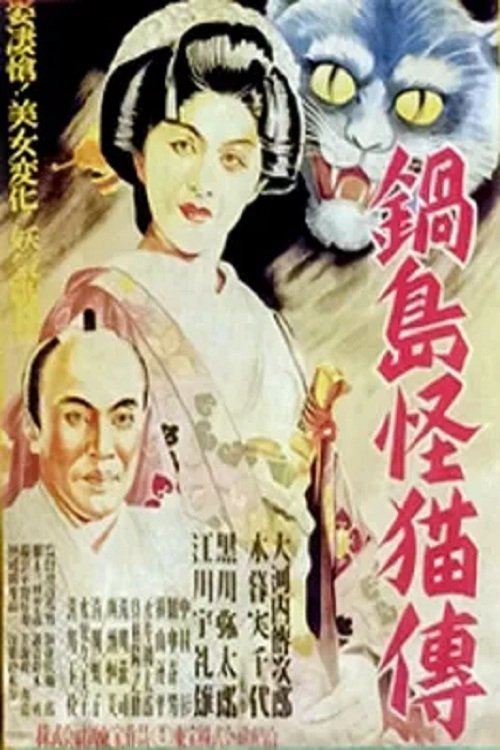
Tanuma Kandayuu is a high class samurai of the house of Nabeshima. He finds a lavish board of Go (a Chinese Board game) at Kinbei's store. He recommend Kinbei to offer it to his lord. Kinbei hesitates at first, since he knows the board has a mysterious legend surrounding it; it's believed that for every game played on the board, one death is required.
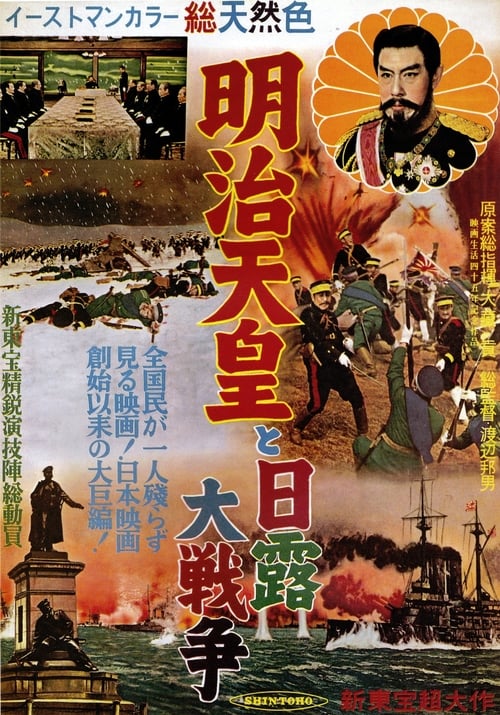
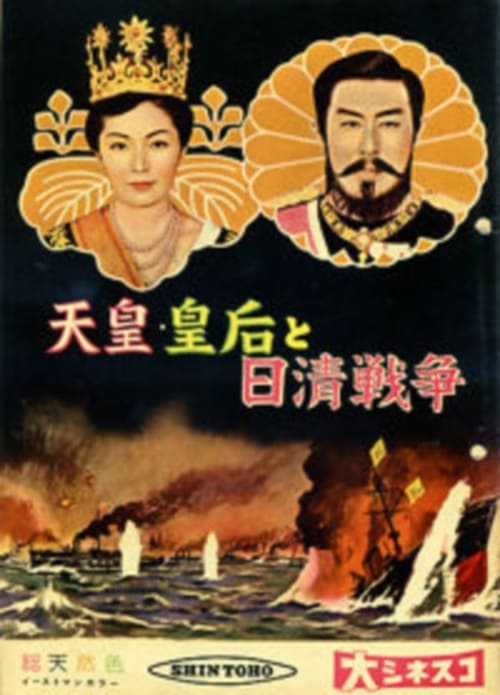
Meiji Tenno portrays the buildup to the Russo-Japan War. In addition to showing the political events that led to war, it also shows the era from the story of a farm family in rural Japan that sends their son off to war. As such, it could be considered an anti-war movie, showing how, while war is devised by governments, the people do not really understand what war is, and its combatants often do not know what they are fighting for.
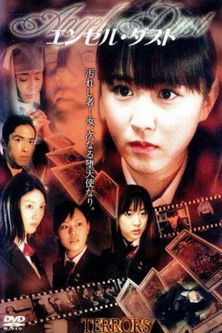
Adaptation of the game "Terrors 2" for the WonderSwan Color.
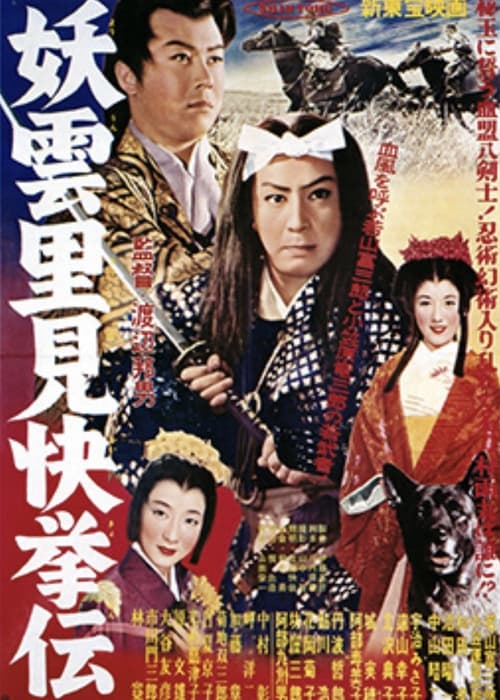
In the first year of Chōroku, Satomi Yoshimi, lord of Takita Castle in Awa, faces defeat by neighboring lord Anzai Kagesuren. As the castle nears collapse, Anzai demands a seed from Yoshimi’s lineage, specifically from his wife, Fushihime. Outraged but facing annihilation, Yoshimi gives Fushihime a string of eight ancestral beads and urges her to escape to loyal retainer Inuda Kobungo. Instead, she goes alone to Anzai, followed by her dog, Hachibo. In a twist, Hachibo attacks and kills Anzai, allowing Fushihime to escape. She later reveals that the beads protected her and predicts that eight warriors bearing these beads will someday defend the Satomi family before passing away. Yoshimi finds one of the beads in Inuzuka Nobuno’s armor and convinces her to serve him. Meanwhile, Baka Daiki, plotting to overthrow Satomi, imprisons Inukawa Shosuke, who tries to intervene, under the watch of vassal Aminen Saomojiro.
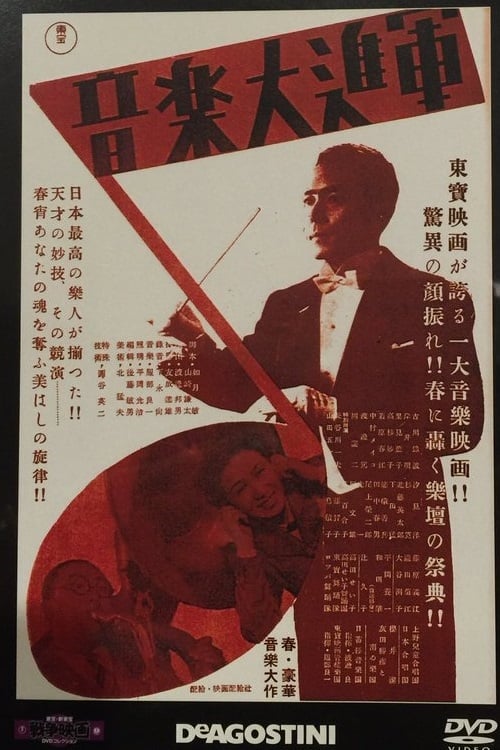
A 1943 film.
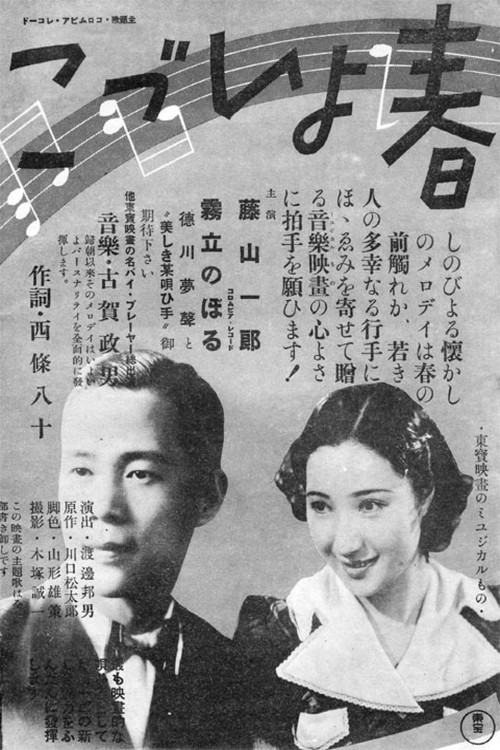
Kotaro Shimoyama, once a government official, loses his job and separates from his wife, Sachie. He now resides with his daughter, Haruko. By chance, he apprehends a criminal and reconnects with his former colleague, Sakamoto, leading him to become a security guard at a film studio. Haruko, secretly a singer, rises to stardom within the same studio. Unbeknownst to each other, they both work there. As the studio faces turmoil, their hidden identities are unveiled...
Dr Sogawa is considering making his son, Taro, take over the family business, but Taro is completely absorbed in music. Nevertheless, he makes him enrol in a medical school. Taro's songs are recorded by the popular singer Shintaro.
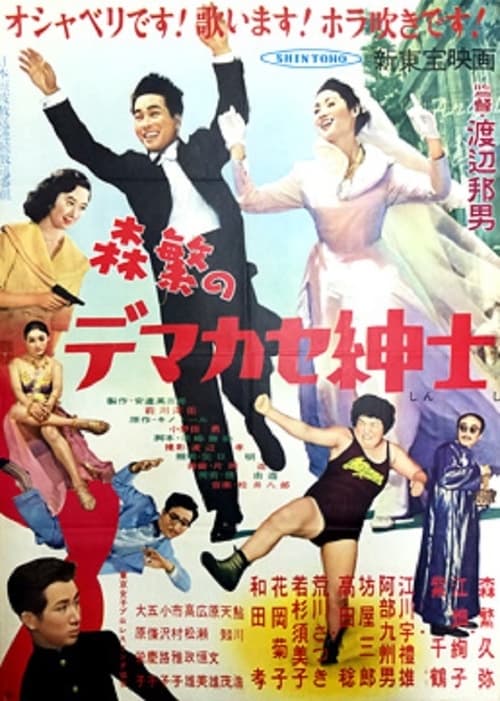
Scammer Horikawa Shinbei hopes to make a quick buck using Namie, a stripper under his control.
Song of the White Orchid was a co-production of Toho and Mantetsu, the railway that served the colonial region of Manchuria, and the first film in the Kazuo Hasegawa/Shirley Yamaguchi (Ri Koran) “Continental Trilogy.” Handsome Hasegawa (representing Japan) runs up against an impertinent Yamaguchi (representing the continent); not surprisingly, in the course of the film the woman comes around and realizes the benevolent intentions of the Japanese. In Song of the White Orchid Yamaguchi leaves Hasegawa, who plays an expatriate working for the railway, because of a misunderstanding. She joins a communist guerilla group plotting to blow up the Manchurian railway. Learning of the subterfuge that led to the misunderstanding, she renews her faith in Hasegawa—and by extension Japan—and tries to undermine the plot.
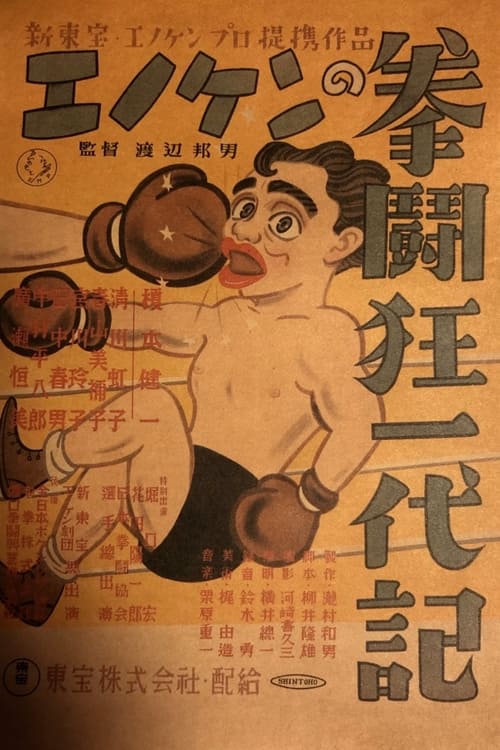
Near the end of the Taisho era (1912-1926), Enokichi, a popular figure in the world of boxing entangled in the Yakuza business.
No description available.
Buntaro, the president of a food trading company got tired of the day-to-day routine of life. The new secretary, Nobuko, suggested her "shacho-san" (the president) run away from the job. Nobuko took Buntaro to her home and introduced him to her own family as friend, "Sachio-san"...
1952 Japanese film directed by Kunio Watanabe.