Acting
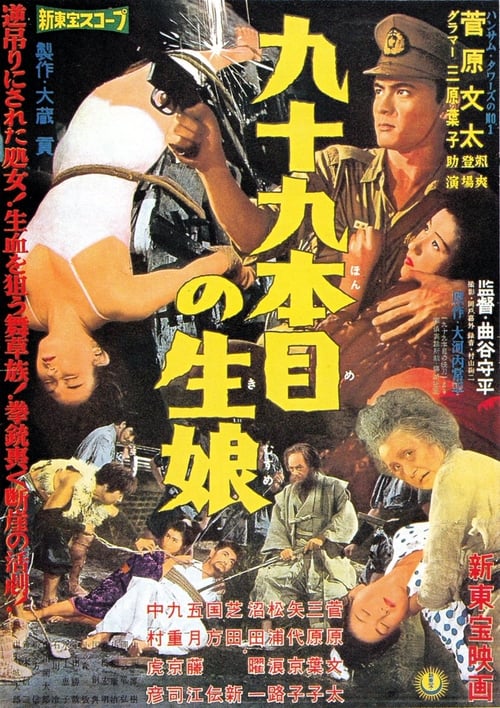
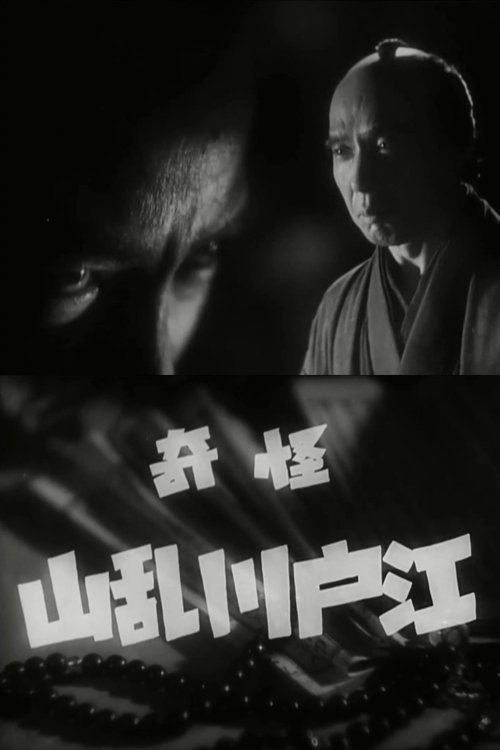
In the northern province, two waitresses Mieko and Hanako from Tokyo, are missing somewhere near the River Kitakami. At night, the villagers of Shirayama gather round a blazing fire, and utter incantations while an old headman tempers a sword...
A samurai rescues a mischievous tanuki from hunters and sets it free. When the samurai's wastrel son hatches a plot to kill his father for his fortune, the magical tanuki is determined to protect its rescuer.
One of Japan's most enduring stories is the true-life yakuza boss Jirocho of Shimizu and his gang as they took over the Tokaido Highroad and went on to everlasting fame. Many of the gang members have become household names although their backgrounds and how they came to join the group are mostly lost in the mists of a time gone by. This is the tale of Masa, who arrived in Shimizu Port hungry and down on his luck. His adventures contain some light-hearted moments as he meets up with the other gang members and goes on to join the group and become one of their best swordsmen. A truly exciting tale starring the ever-popular Okawa Hashizo along with all-time great Okochi Denjiro.
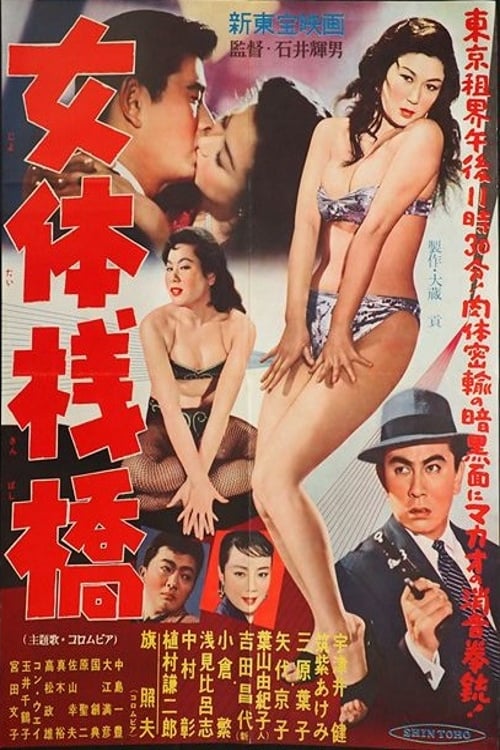
1959 film directed by Teruo Ishii for Shintoho.
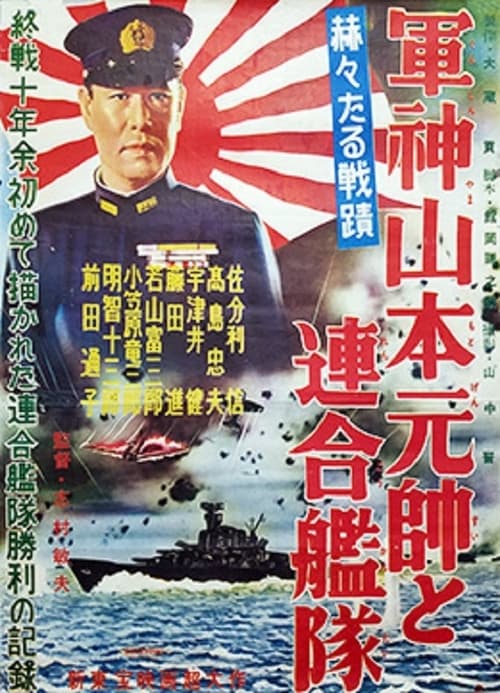
Admiral Isoroku Yamamoto leads the Combined Fleet of the Imperial Japanese Navy to defeat the American Fleet.
No description available.
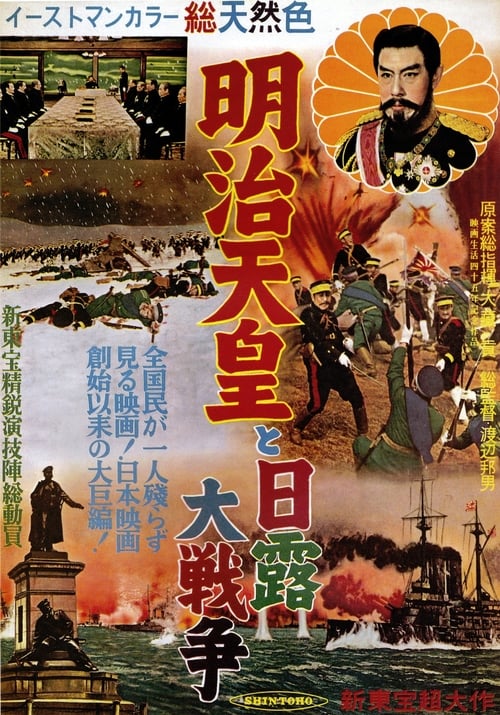
Meiji Tenno portrays the buildup to the Russo-Japan War. In addition to showing the political events that led to war, it also shows the era from the story of a farm family in rural Japan that sends their son off to war. As such, it could be considered an anti-war movie, showing how, while war is devised by governments, the people do not really understand what war is, and its combatants often do not know what they are fighting for.
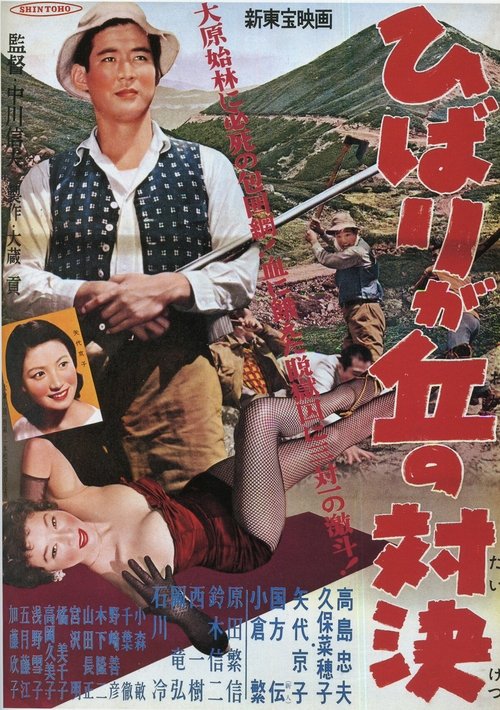
Kyôko Yashiro's film debut for Shintoho.
Director Teruo Ishii's crime action follows the investigative adventures of an undercover cop working with a prostitution ring. It's done in an unique documentary style.
Nobuo Nakagawa's Shintoho period drama adapted by Kikuo Kitagawa from the original story by Kazutora Fujishima, which borrowed the structure of Dumas's "The Three Musketeers".
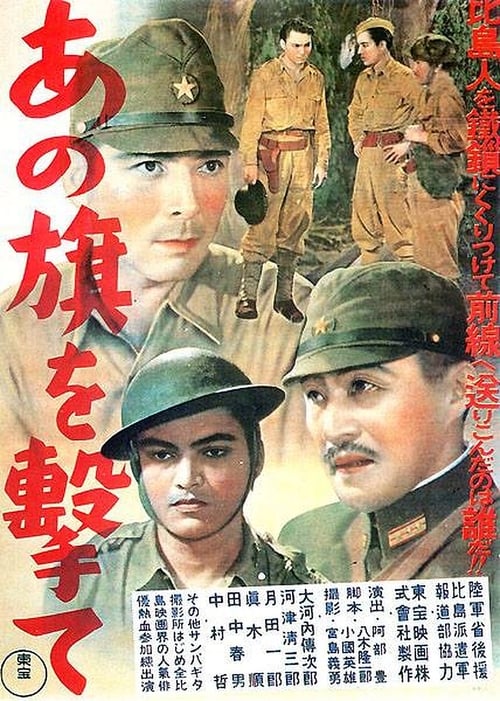
This film was made by the Japanese occupation authorities in the Philippines as a propaganda film to show the Philippine people the "benefits" of the Japanese invasion and takeover of their country.
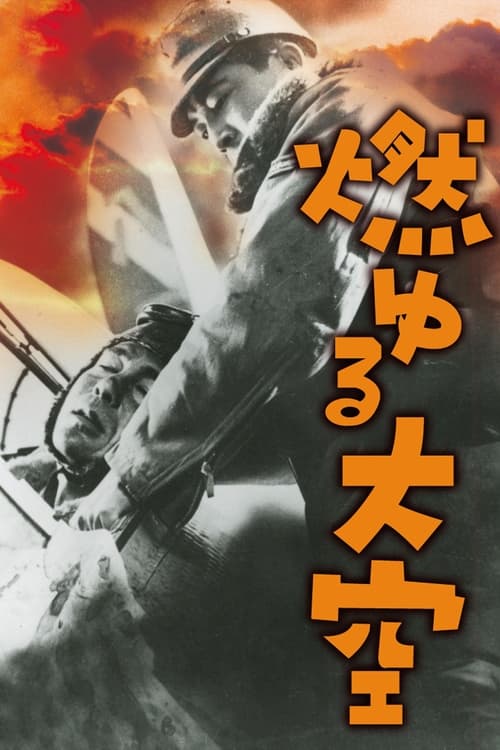
The film was produced during Second Sino-Japanese War, before the Pearl Harbor Attack in 1941. The film mainly concerns the training of newly-recruited pilots and their daily life, then their subsequent fighting experiences in China. Army supported the production, providing all the authentic airplanes, training and actual actions. They even provided the older biplanes disguised as Chinese fighter planes. Obinata plays the trainer-turned-combat-leader, who is passionate and cool at the same time. All his boys love him, of course. The film is not as intense, full of sugar-coated camaraderie, until young pilots are killed in action one by one. Last twenty minutes are fairly grim, as the message of self-sacrifice is heard loud and clear.
A once-dead man is resurrected by a mysterious old man's spiritual magic to take revenge on those who killed him. An unusual and bizarre historical drama with a vaguely Western atmosphere. Starring the sword-fighting star Kozaburo Ramon, directed by Kenji Shimomura.
A humorous salaryman comedy about the president of a beer company who is said to be President Rai. The third work after the Kingoro's Soldier and the "Kingoro's Officer". The original work is Kuni Sasaki, the adaptation is Yasunori Kawauchi of "The Officer of the Golden Tower".
Japanese film.