Acting
Robert Milton Ernest Rauschenberg was an American artist.
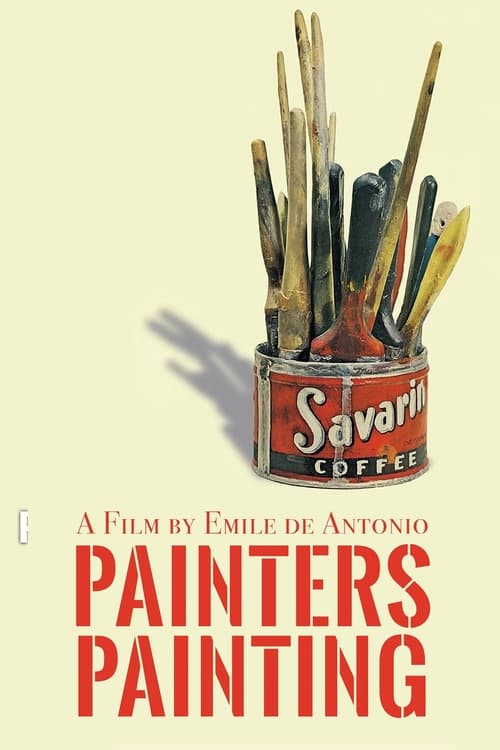
Painters Painting: The New York Art Scene 1940-1970 is a 1972 documentary directed by Emile de Antonio. It covers American art movements from abstract expressionism to pop art through conversations with artists in their studios. Artists appearing in the film include Willem de Kooning, Jasper Johns, Andy Warhol, Robert Rauschenberg, Helen Frankenthaler, Frank Stella, Barnett Newman, Hans Hofmann, Jules Olitski, Philip Pavia, Larry Poons, Robert Motherwell, and Kenneth Noland.
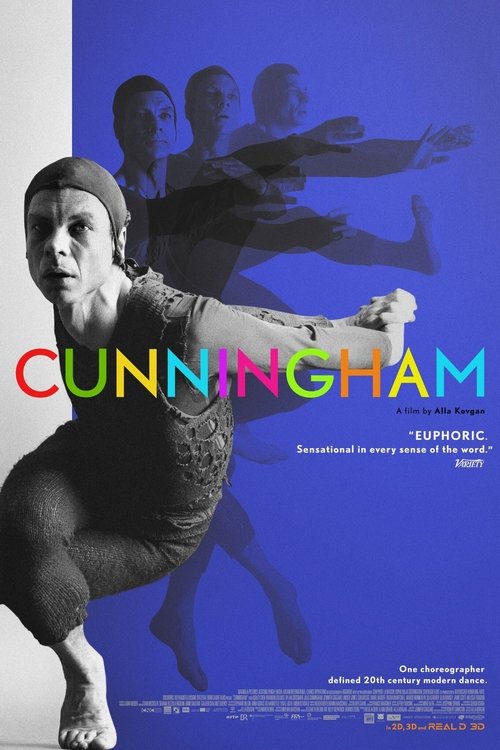
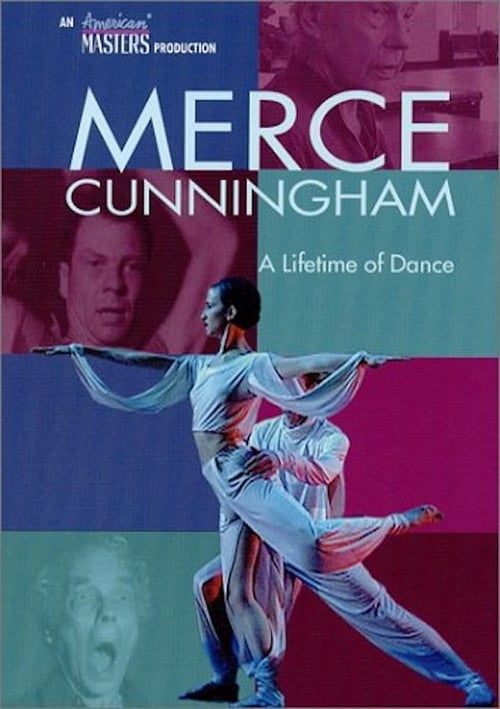
The iconic Merce Cunningham and the last generation of his dance company is profiled in Alla Kovgan's 3D documentary, through recreations of his landmark works and archival footage of Cunningham, John Cage, Robert Rauschenberg, and more.
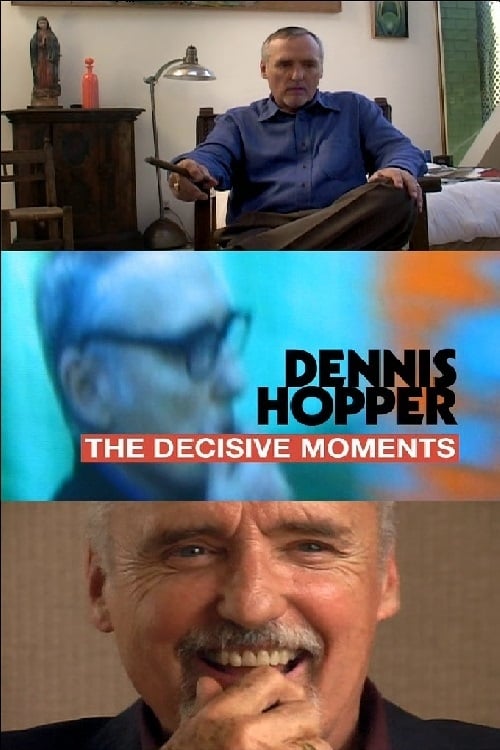
The inevitable fat cigar between his fingers, the American actor, director and fine artist Dennis Hopper (1936) self-mockingly looks back on his chequered life and career, at the request of Dutch director, photographer and fine artist Thom Hoffman. The latter sifted through the turbulent life story of Hopper, who is primarily known from the cult film Easy Rider (1969). Hopper went through as many high as low points. In conveniently arranged chapters, Hoffman shows the decisive moments in Hopper's life and asks colleagues like Wim Wenders, David Lynch, Sean Penn and Julian Schnabel to comment on them. The documentary is richly illustrated with film excerpts, photos, newspaper articles and anecdotes. The main reason for this film was the retrospective of Dennis Hopper's art work in the Amsterdam Stedelijk Museum in 2001.
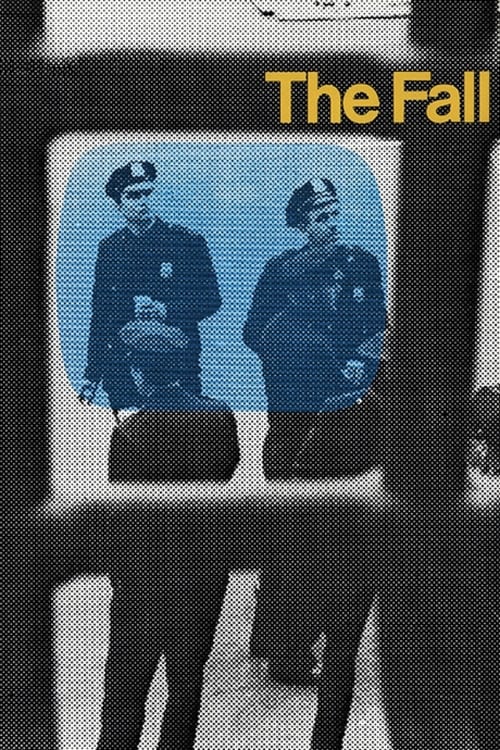
"The Fall" depicts certain scenes in New York City between October 1967 and March 1968, shot by the independent filmmaker, Peter Whitehead. It is a very personal documentary, and Whitehead appears in a large number of scenes, and we hear his lengthy ruminations on the state of the United States and the war in Vietnam.
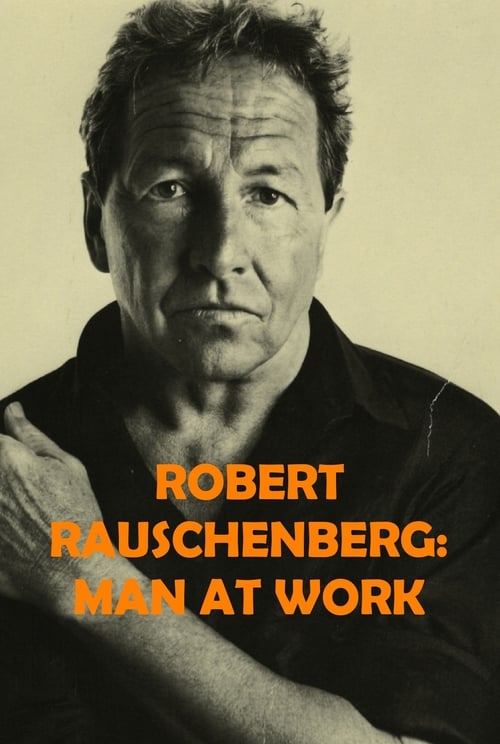
Documentary about the American artist Robert Rauschenberg, who was a pioneer of Pop Art.
From the 1950s until his death in 2008, Robert Rauschenberg's groundbreaking mixed-media pieces mesmerized the art world. This 1998 documentary takes viewers inside Rauschenberg's Florida studio to explore his remarkable life and work. The film examines Rauschenberg's use of unique materials and includes a behind-the-scenes look at The 1/4 Mile or 2 Furlong Piece, a massive autobiographical undertaking that Rauschenberg began work on in 1981.
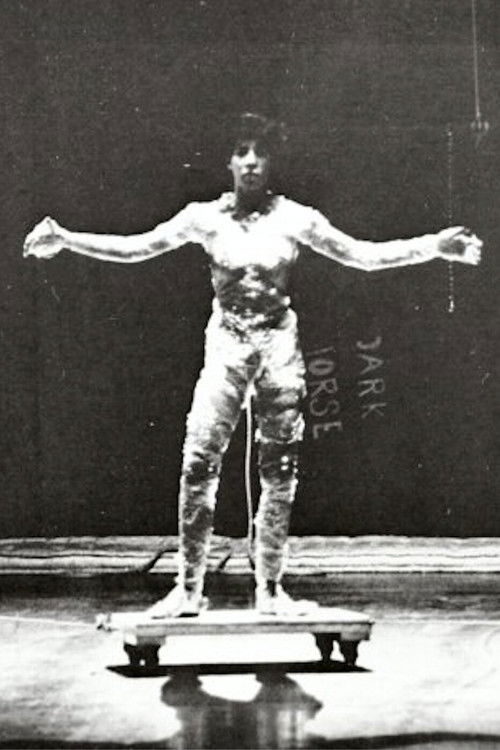
For Deborah Hay’s SOLO, Larry Heilos designed the control systems for eight radio-controlled carts that moved around the Armory floor, which were then covered with wooden boxes to make platforms for dancers to stand or lie on. At the rear of the space, eight formally dressed performers operated the radio-control system to move the platforms into and around the space. Composer Jim Tenney acted as the “conductor” of the “orchestra”. Sixteen dancers entered the brightly lit space either walking or riding on a cart. They then walked in solo, duet, or trio formations or rode on the moving platforms, following Hay’s specific rules and choreography. The sound for the performance was David Tudor’s realization of Toshi Ichiyanagi’s work FUNAKAKUSHI. [Overview courtesy of Anthology Film Archives]
Metropolitan Museum of Art curator Henry Geldzahler reflects on the 1960s pop art scene in New York.
For Lucinda Child’s VEHICLE, Peter Hirsch designed a 70 kHz Doppler sonar system. Childs swung three red fireman’s buckets around inside the ultrasonic sound beams created by transmitters hung on scaffolding. As Childs swung the buckets, the reflected signals mixed with the original 70 kHz signal, and the resulting beat frequency fell in the audible range. These sounds were transmitted to the twelve speakers around the Armory. [Overview courtesy of Anthology Film Archives]
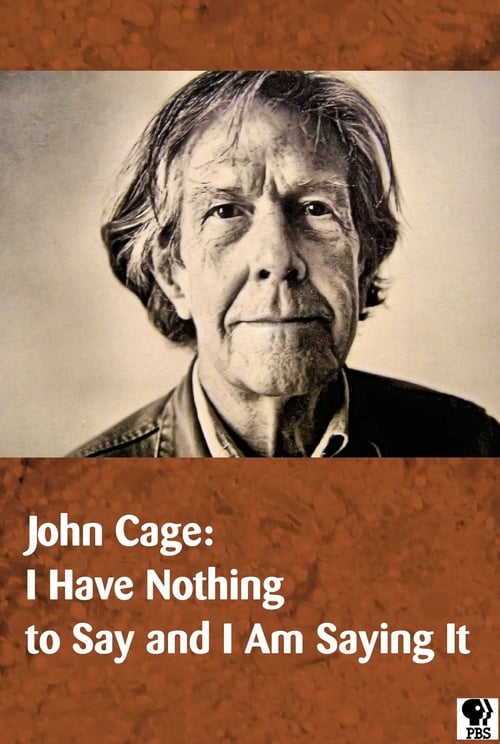
This 56-minute documentary on America's most controversial and unique composer manages to cover a great many aspects of Cage's work and thought. His love for mushrooms, his Zen beliefs and use of the I Ching, and basic bio details are all explained intelligently and dynamically. Black Mountain, Buckminster Fuller, Rauschenberg, Duchamp are mentioned. Yoko Ono, John Rockwell, Laurie Anderson, Richard Kostelanetz make appearances. Fascinating performance sequences include Margaret Leng-Tan performing on prepared piano, Merce Cunningham and company, and performances of Credo In Us, Water Music, and Third Construction. Demystifies the man who made music from silence, from all sounds, from life.
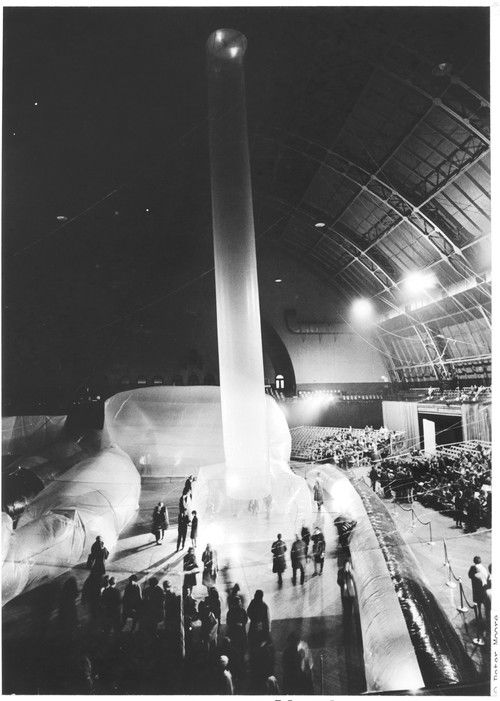
In Steve Paxton’s PHYSICAL THINGS, a polyethylene air-inflated structure occupied most of the Armory floor, with a tower rising to the peak of the Armory roof. The audience walked through the structure, encountering slide projections, sounds, and performers. Emerging from the structure, they used small receivers to hear different sounds broadcast from wire loops suspended in a net overhead, thus composing their own sound experience.
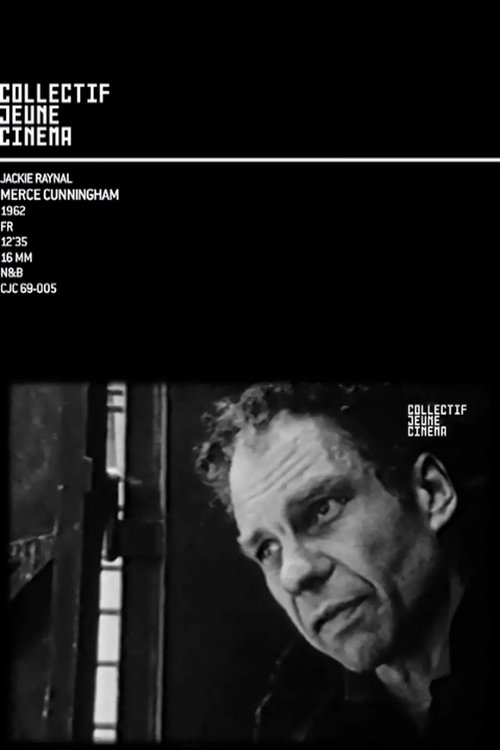
A history of the work of Merce Cunningham.
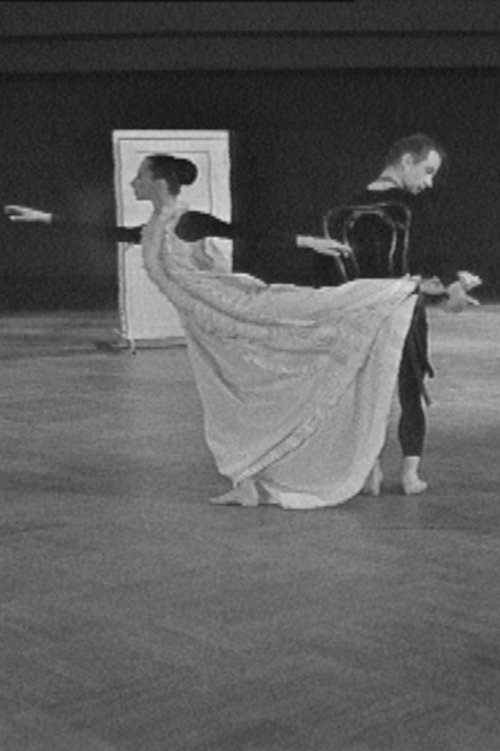
Performed like a series of vaudeville scenes that overlap, Antic Meet consists of ten playful and comedic numbers. The curtains opened with Cunningham moving among the other dancers as a clown-like figure "who falls in love with a society whose rules he doesn't know," and concludes much in the same way, as he attempts to keep up with the dancers, each with their own movements, as they dance diagonally across the stage. Cage provided the musical accompaniment, using a version of Concert for Piano and Orchestra, and Rauschenberg designed the costumes, which included fur coats and parachute dresses over black leotards.
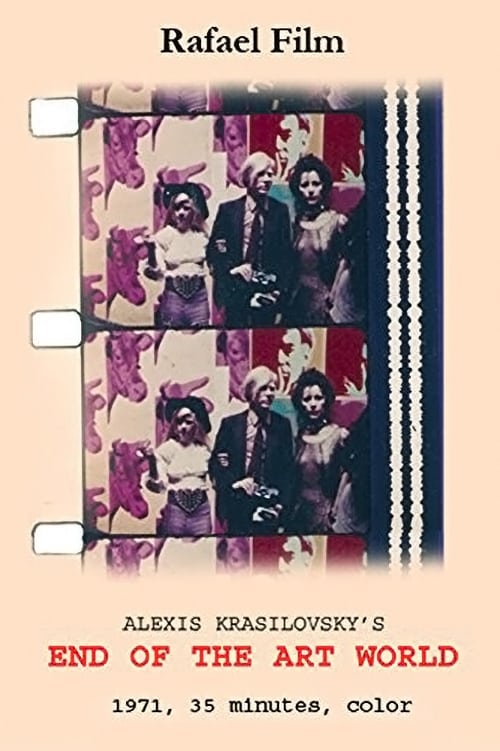
This is the debut documentary made by Alexis Krasilovsky, author of "Women Behind The Camera" (Praeger, 1997). Shot on 16mm in 1971, the film covers much of the New York avant-garde of the time.
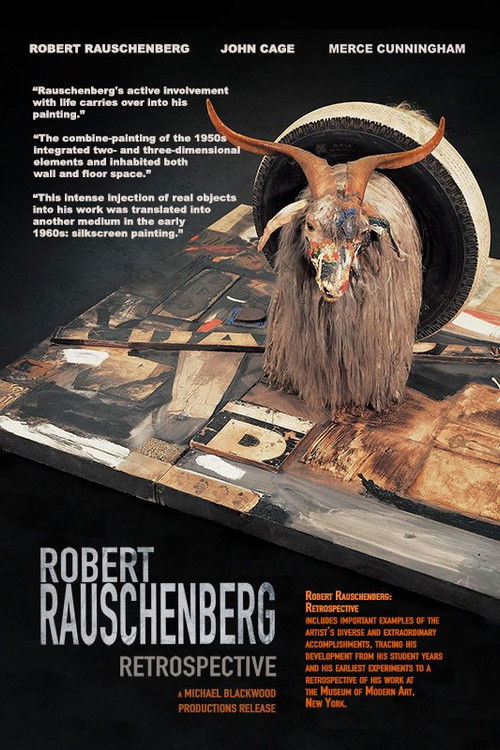
This film includes important examples of the Robert Rauschenberg's diverse and extraordinary accomplishments, tracing his development from his student years and his earliest experiments to a retrospective of his work at the Museum of Modern Art in New York. It features Rauschenberg, John Cage and Merce Cunningham, and was released in 1979.
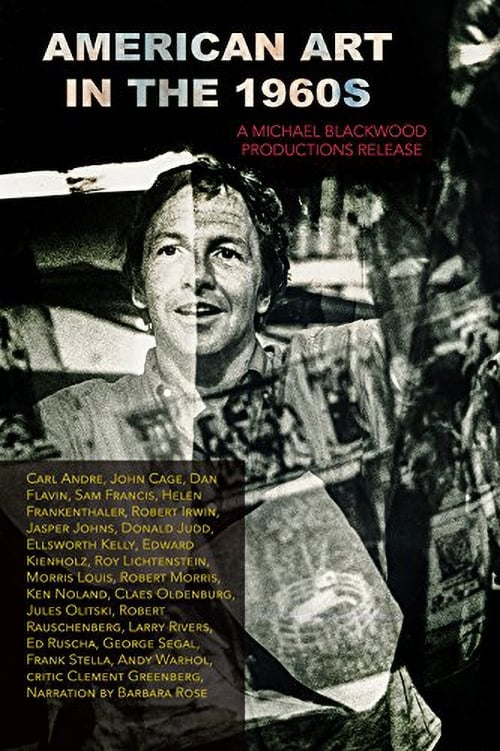
During this critical decade in American life, artists built on the styles of the 1950s. An explosion of artistic energy produced Pop Art, Minimalism, color-field painting, and hard-edged abstraction. Sculptors and painters on both coasts explored new methods and new subject matter. American Art in the Sixties examines the key figures of that decade including Rauschenberg and Johns, two crucial transitional figures between Abstract Expressionism and the sensibilities of the new decade. The art of that time mirrors the optimism and the affluence, and the technology and the vulgarity of those boom years.
This film documents the major directions in modern American art during the first seven years of the 1960s. The keynote is that the artist has expanded his realm from the two-dimentional picture frame, climaxed by the artists of the 40s and early 50s, merged color with sculpture, and sought out modern media to express himself. This has produced the characteristic wide spectrum of interest, ideas, and products in contemporary art.
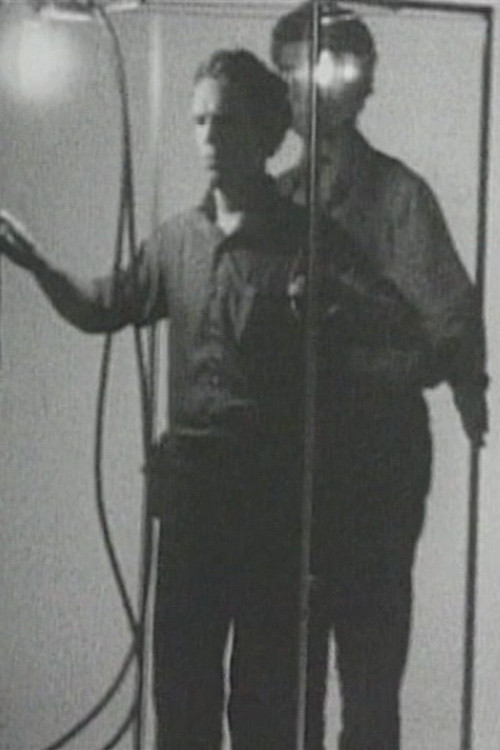
1966 experimental short work by Robert Rauschenberg
The choreographer Merce Cunningham working with the musician John Cage and the painter Robert Rauschenberg.