Writing
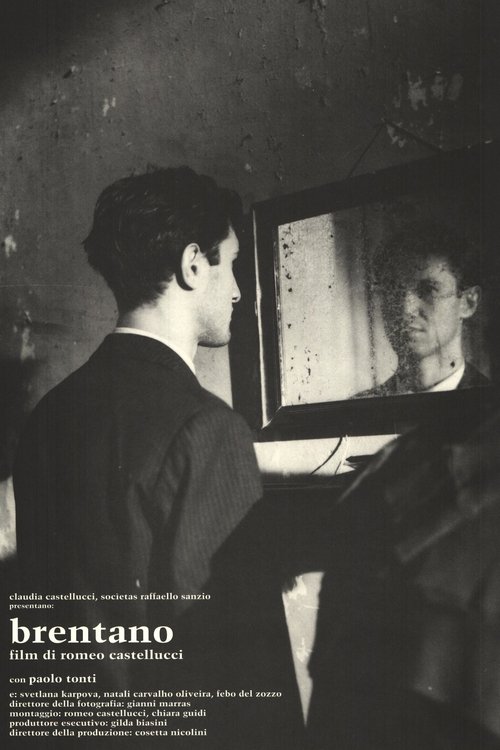
Essay film about forests, inspired by a short piece of Robert Walser.
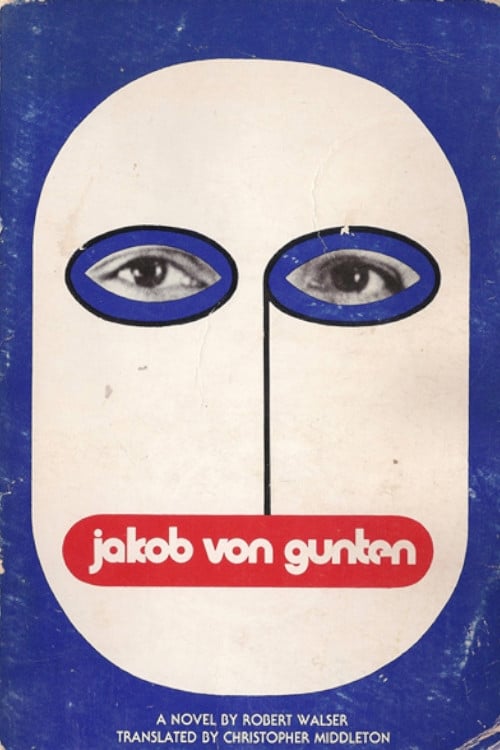
Jakob arrives at the Institute Benjamenta (run by brother and sister Johannes and Lisa Benjamenta) to learn to become a servant. With seven other men, he studies under Lisa: absurd lessons of movement, drawing circles, and servility. He asks for a better room. No other students arrive and none leave for employment. Johannes is unhappy, imperious, and detached from the school's operation. Lisa is beautiful, at first tightly controlled, then on the verge of breakdown. There's a whiff of incest. Jakob is drawn to Lisa, and perhaps she to him. As winter sets in, she becomes catatonic. Things get worse; Johannes notes that all this has happened since Jakob came. Is there any cause and effect?
No description available.
Adaptation of Robert Walser's novel about a young man who enters an oppressive servant school.
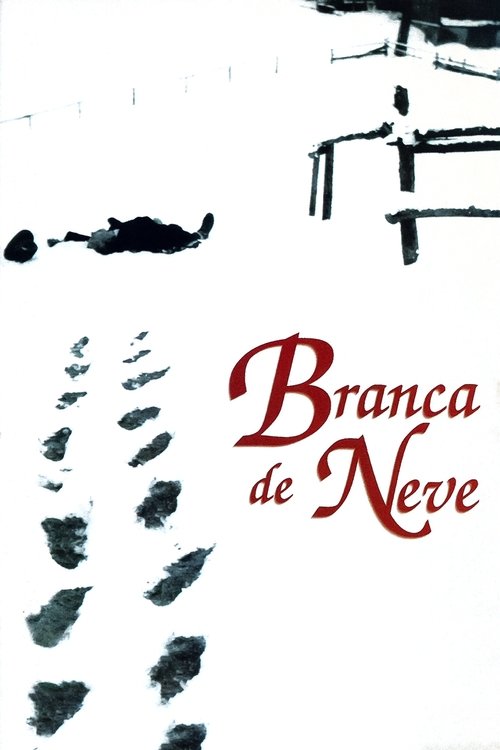
Monteiro moved far away from the visual opulence defined by his earlier films with his inspired adaptation of radical Swiss writer Robert Walser’s anti-fairy tale. Carefully restricting the image track, Monteiro maintains an almost totally black screen in order to focus instead on the voices of Snow White, the Prince, the Queen and the Hunter, engaged in an extended debate about love, free will and the events leading up to the fateful attempt on the maiden’s life. Despite its visual austerity, Snow White is haunted by the arresting images with which it begins – infamous black-and-white photographs of Walser lying dead in the snow after his heart attack outside a Swiss asylum at the age of seventy-eight, a strange realization of the “death of the author” so central to postmodern literary criticism.
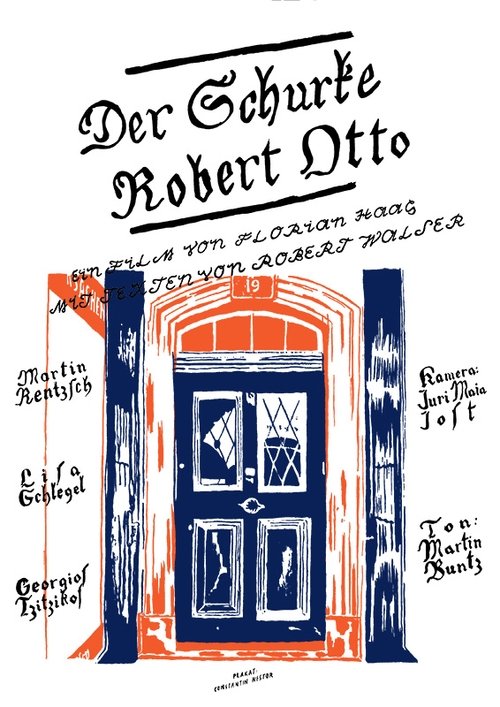
Recorded readings of Swiss writer Robert Walser's late texts and micrographs join with documentary tableaux of his long array of residences, leaving behind a disembodied image.
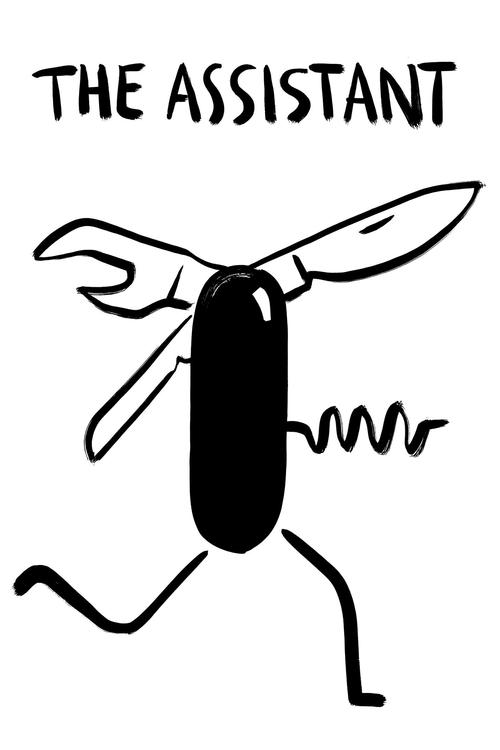
Unemployed Joseph Marti is hired as an assistant to Mr. Tobler, an inventor. However, it turns out that the inventions are useless and Marti becomes a Man for everything while he plunges into the everyday routines of Mr. and Mrs. Tobler.
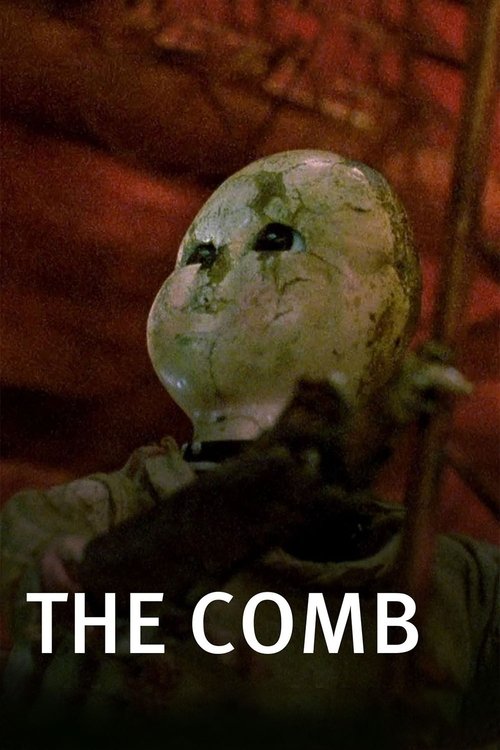
A porcelain doll’s explorations of a dreamer’s imagination.
A flickering dance of intriguing imagery brings to light the possibilities of ordinary movements from the everyday which appear, evolve and freeze before your eyes. Made entirely from archive photographs and footage from the earliest days of moving image, All This Can Happen (2012) follows the footsteps of the protagonist from the short story 'The Walk' by Robert Walser. Juxtapositions, different speeds and split frame techniques convey the walker's state of mind as he encounters a world of hilarity, despair and ceaseless variety.