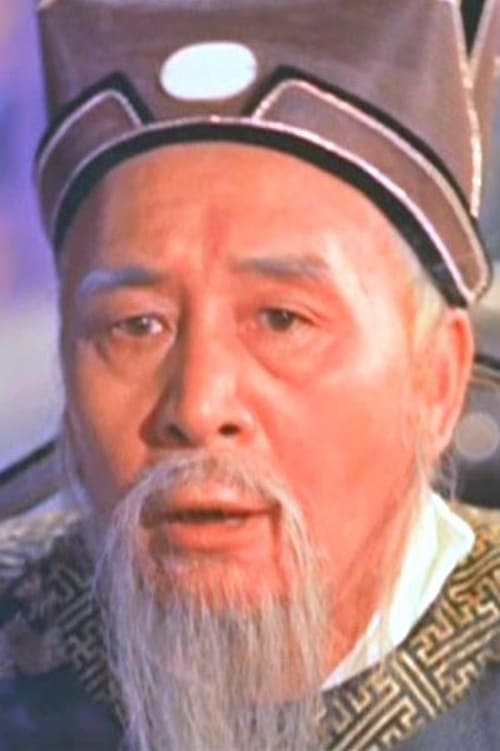
Wang Yuan-Long
Acting
Known For
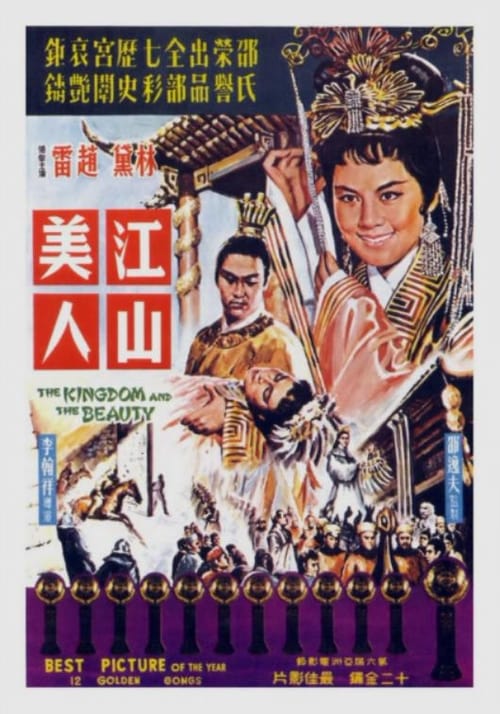
This is a musical about a young emperor who is lured via stories told to a place called Kiang-Nan by his royal tutor. The empress mother has the tutor go to Kiang-Nan to bring him back.
The Kingdom and the Beauty
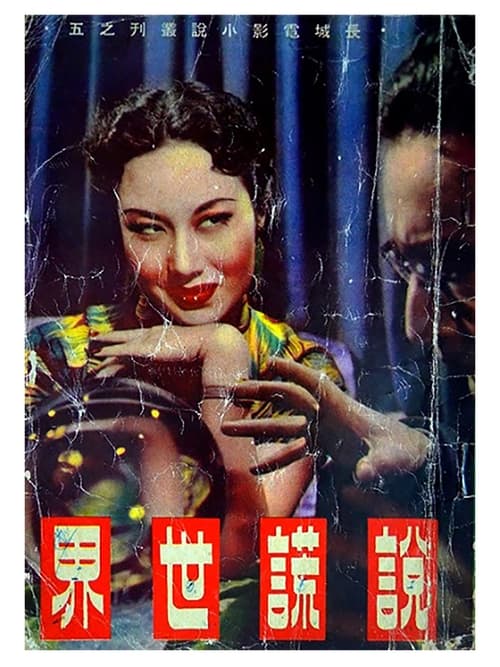
As China falls into hyperinflation following the end of the war, people fought tooth and nail to get their hands on the only reliable currencies in the world: gold and American dollars. This is a story that shows how seven bars and two thousand US dollars bring together an interesting mix of characters: an opportunistic manager, a materialistic courtesan, a con artist posing as a commissioner of the Treasury, a white-collar worker who will do anything for a promotion, a man who specialises in conning women, a father who marries off his daughter for money and a sorcerer who fakes his magic. In this dog-eat-dog world, the only truth is that everyone is lying for his own gain. Playing the courtesan who longs to be part of high society, Li Lihua steals the film with a feisty performance opposite the amusing Yan Jun, whose con artist character has a tendency to flirt with lyrics from Peking operas.
Awful Truth
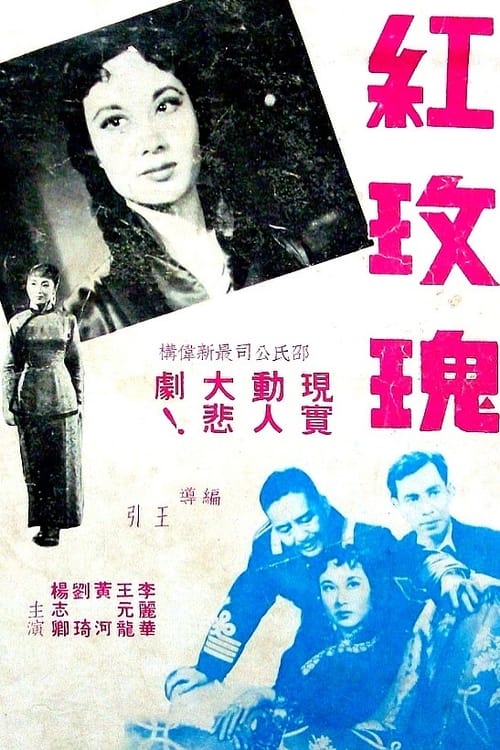
This was a HK musical produced by Nanyang Film Company and distributed by Shaw & Sons.
Red Roses
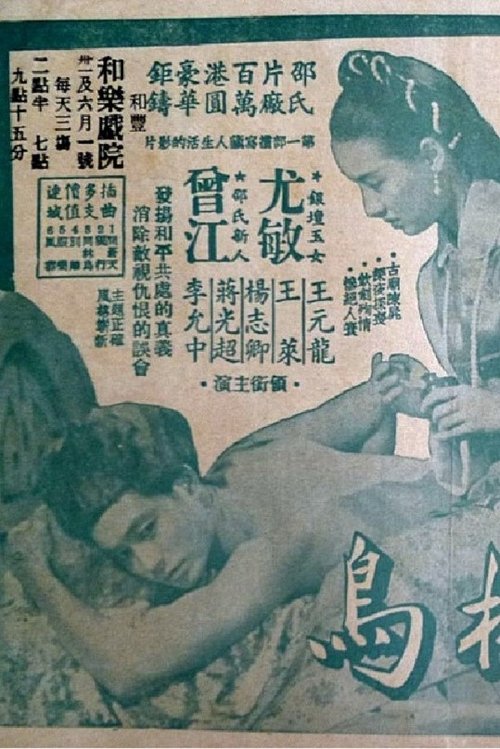
The Feud 同 林 鳥 (1955) aka Tragedy of Vendetta is a Mandarin-language Hong Kong film of the drama genre, written by Wong Chik-Boh and directed by Doe Ching. It was filmed in Hong Kong at Shaw Brothers Studio. It is inspired by the story of Romeo and Juliet by William Shakespeare and starred Lucilla Yu Ming, Kenneth Tsang, Wang Lai, Yang Chi-Ching and Kam Ling.
Tragedy of Vendetta

The film focused on a conflict between Empress Dowager Cixi, her son Guangxi (the nominal emperor) and his wife, Zhen Fei.
Sorrows of the Forbidden City
No known plot
The Thirteen Grand Tutors
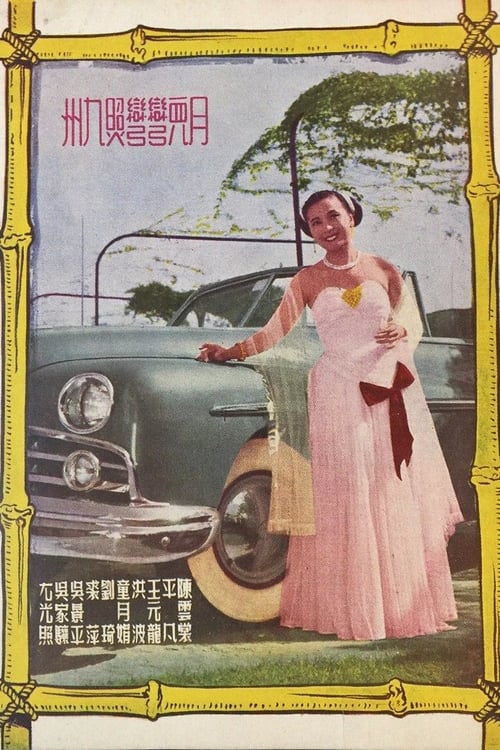
An early Musical by the Hsin Hwa Motion Picture Company.
The Moon-Blanch'd Land
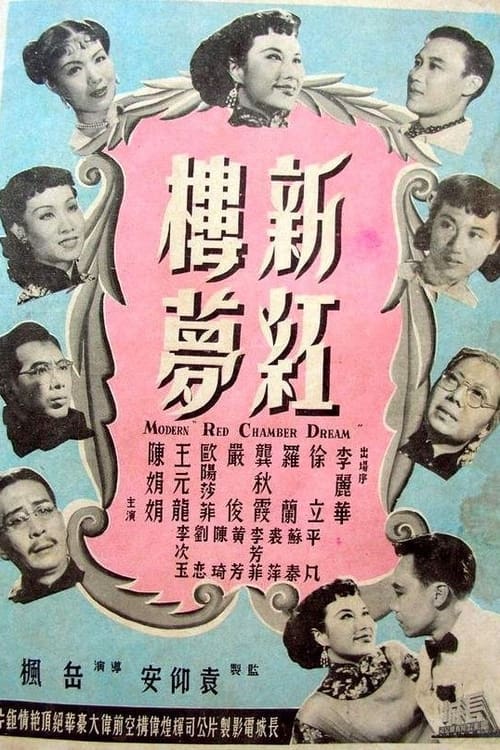
Dream of the Red Chamber, one of the big four of classic Chinese novels, has been adapted for film and television dozens of times over the past decades. Yet this sui generis Great Wall production daringly transposes the setting to modern-day 1950s. The contemporised story revolves nonetheless around the love triangle between Jia Baoyu and his two cousins. Both girls love him but his heart belongs to only one. The ending, however, is remarkably changed to separation of the lovers as a result of war—the war that was surely still haunting the minds of the filmmakers at the time when the film was made. Not only did Great Wall pour money into building extravagant sets just so to recreate down to the smallest detail the grandeur of the legendary Jia mansion, but the film also boasted of its lavish costume designs for the diverse female cast. (From Hong Kong Film Archive)
Modern ‘Red Chamber Dream’
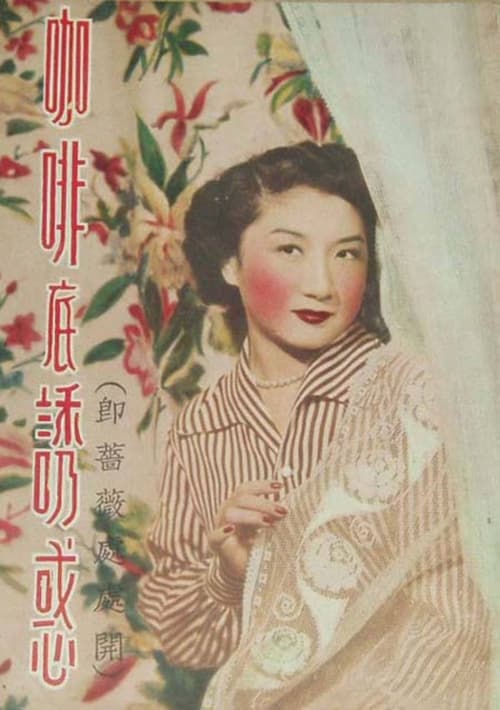
It is the story of the novelist Luo Ping (played by Wong Ho) who meets and falls in love with Liu Rose (played by Chou Man-Hua) in the coffee room. She was abandoned by Hakama son Liu Qijie and lives under threat from the evil force Zhang Shengde (played by Wang Yuan-Long).
Good Faith
Sweet Song For You (勾魂艷曲) aka Song of Romance is a 1952 Hong Kong musical romance film directed by Yin Wang. The film was produced by Runde Shaw for Shaw and Sons and is based on the screenplay by Tan Liu.
Song of Romance
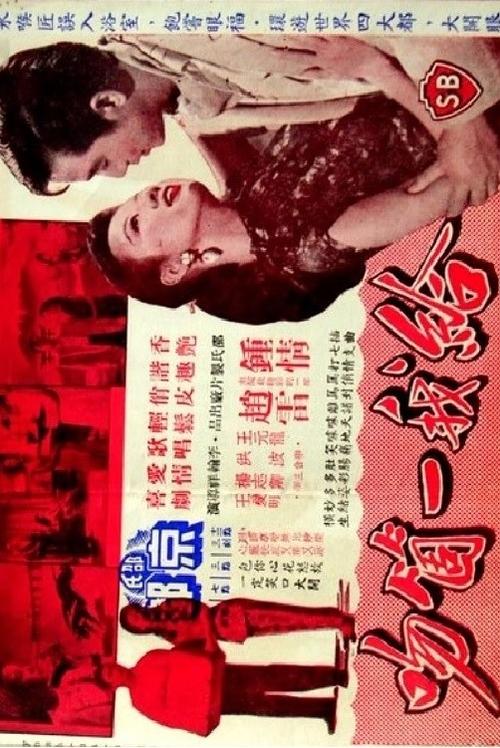
A Shaw and Sons production
A Kiss for Me
This is a 1952 Hong Kong drama film directed by Bu Wancang, Kuang-Chi Tu, Wang Yin and Shankun Zhang. It stars Chou Man-Hua and Li Li-Hua.
Sweet Memories
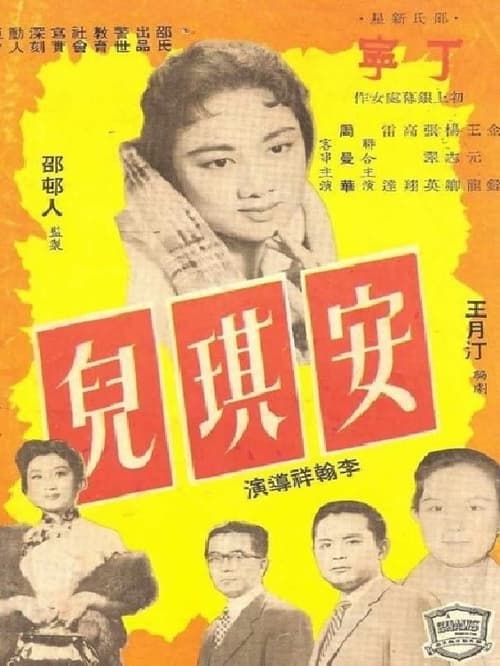
Angel is a pretty young girl who debates in a furious manner at a Women's Day Meeting against the unequal law of the Ching Dynasty which permits Chinese males to have concubines. This leads to a series of complications that affects those close to her including her younger sister.
The Angel
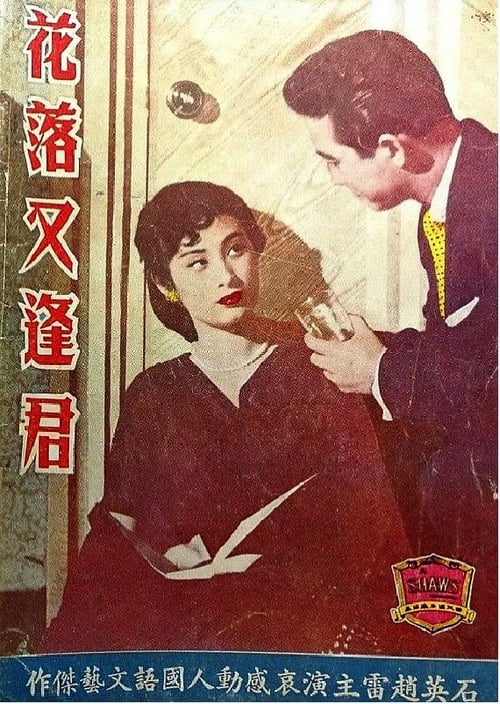
This is a drama about parents disapproving a young couple's relationship and the unfortunate consequences that it has.
Meet Me After Spring
No description available.
雙雄奪美
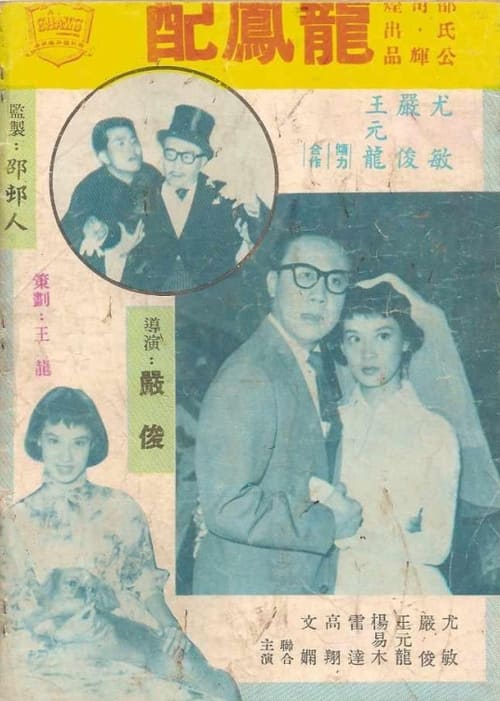
A Shaw and Sons production.
A Marriage for Love
A Shaw and Sons production.
You Are My Soul
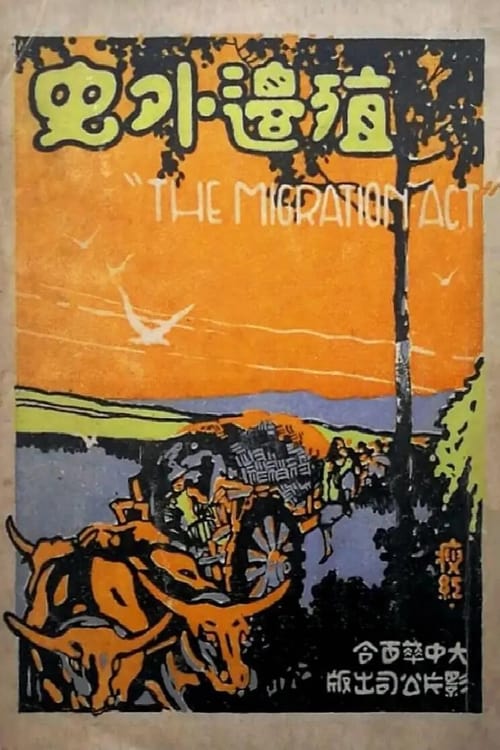
This partially-extant silent film focuses on the lives of people in rural China during the early twentieth century. Wang Guisheng (played by Wang Yuanlong) is an orphan who grew up at his uncle's, working as a farmhand. Since childhood, he has been close with his female cousin, Li Ah Zhen (played by Li Minghui), and they expect to marry. But when her mother dies of illness and overwork, Ah Zhen's father re-marries, and the evil stepmother connives to marry Ah Zhen off to the stepmother's nephew. Then a government representative comes to the village recruiting peasants to establish a new settlement on the borderlands, she persuades the despondent Guisheng to sign up. Guisheng leaves his love behind, only to find hardship on the frontier. Ah Zhen, who has fallen ill, is set upon by her groom on her wedding night...BUT the next morning his stabbed corpse is found in the bridal chamber and a body in a bridal gown is found down a well. WHAT HAS HAPPENED?!?!?!?!!
The Migration Act
Horror movie.
Flying Corpse on a Foggy Night
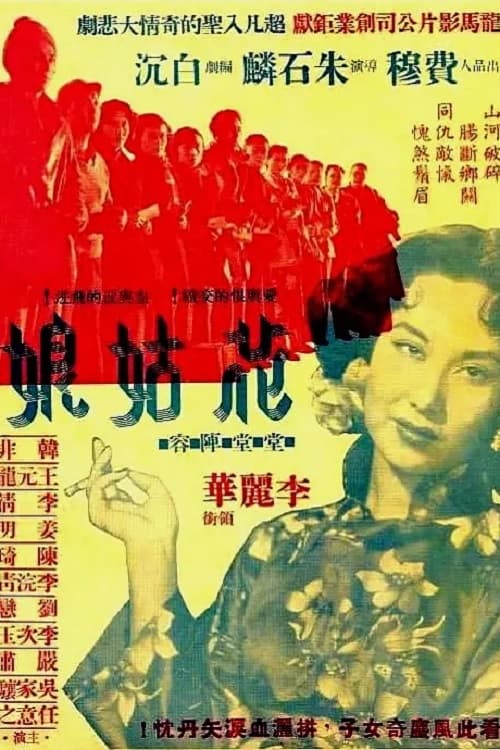
A Chinese drama