Ginny Stikeman
Editing
Known For

Ten women in Canada talk about being lesbian in the 1940s, 1950s, and 1960s: discovering the pulp fiction of the day about women in love, their own first affairs, the pain of breaking up, frequenting gay bars, facing police raids, men's responses, and the etiquette of butch and femme roles. Interspersed among the interviews and archival footage are four dramatized chapters from a pulp novel, "Forbidden Love".
Forbidden Love: The Unashamed Stories of Lesbian Lives
Filmed on location in Saskatchewan from the Qu'Appelle Valley to Hudson Bay, the documentary traces the filmmaker's quest for her Native foremothers in spite of the reluctance to speak about Native roots on the part of her relatives. The film articulates Métis women's experience with racism in both current and historical context, and examines the forces that pushed them into the shadows.
Women in the Shadows
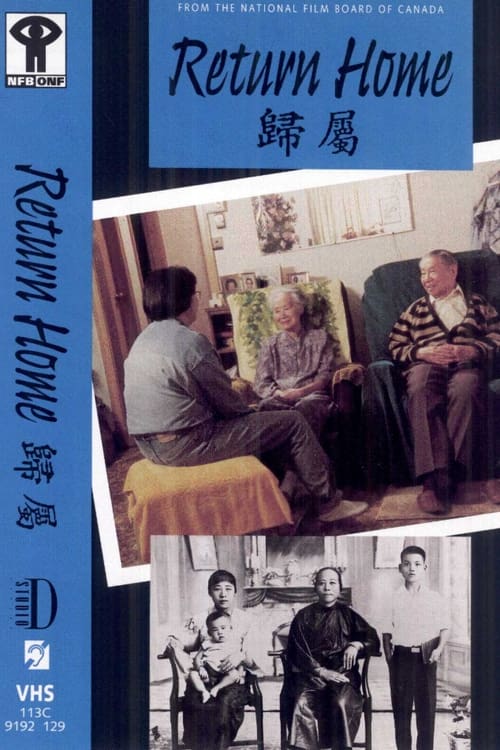
After the near death of her grandfather, Chinese Canadian filmmaker Michelle Wong embarks on a personal journey back home to her small town of St. Paul, Alberta to speak to her grandparents about their journey from China to Canada.
Return Home
A baseball crazed 12 year old gets, and loses, a prized cap. A father struggles for dignity in his son's eyes. Based on Morley Callaghan's short story "A Cap for Steve."
The Cap

The nation, the country, where do we belong in it? In this film through conversation and poetry two poets meet for the telling and the listening. Adrienne Rich is a distinguished American feminist poet, and author of numerous books of prose, poetry, essays and speeches. Dionne Brand is a Trinidadian-Canadian femininst poet, writer and filmmaker. Incisive and inquisitive, the two women meet to discuss the world as they each see it. Claiming any subject, they talk about events as they see them, analytic, contemplative, honest and open ended. Topics include political issues, feminism, racism and lesbianism, among others. The viewer is invited into the exchange by the familiar images of two women talking intimately around a kitchen table, in corridors, or casually outdoors in the United States, Tobago and Canada. Shot in black and white and in colour, the conversation takes us over the territories of their poetry.
Listening for Something... Adrienne Rich and Dionne Brand in Conversation
Temiscaming, Québec is the story of a town's struggle to survive after its main source of employment, the CIP mill, closed down. Part I tells what steps the workers, townspeople and ex-CIP managers took to reopen a mill co-owned and co-managed by the workers; Part II explains the new corporate ownership of the mill, how it works, and its growing pains.
Temiscaming, Québec
One of a series of short, open-ended dramas designed to stimulate discussion of values and ethics in relation to modern medical technology. This film considers the chronic patient's right to quality care, and the acutely ill patient's right to a hospital bed. Jean is suffering from multiple sclerosis and is almost completely paralyzed. It seems that the only ones who care about her are the nurses. With the arrival of a patient in need of an operation, it becomes apparent that chronic patients have little priority.
Discussions in Bioethics: A Chronic Problem
The investigation of a suspected tax fraud, based on actual case files of the Department of National Revenue.
The Sloane Affair:
Canada is facing a housing crisis, and cooperative housing might be a part of the solution.
Co-op Housing: The Best Move We Ever Made
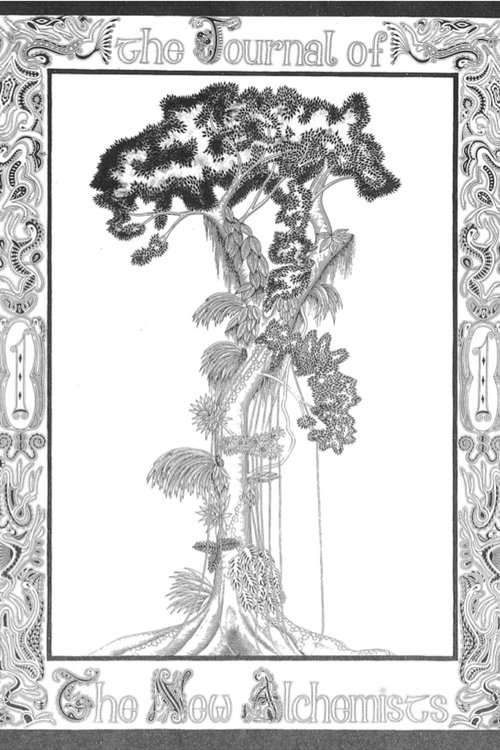
This short documentary profiles a community engaged in developing sustainable living methods, including food production and small-scale solar and wind technology, on a farm in Massachusetts in the 1970s. Well before sustainability was a mainstream concern, these prescient innovators attempted to create a vision of a greener, kinder world. "Think small," say the New Alchemists. "Look what thinking big has done."
The New Alchemists

This feature documentary follows a number of women with disabilities as they affirm their right to seek, develop and sustain intimate relationships with the partners of their choice. In this moving one-hour film, four disabled women from across Canada share their personal experiences, with particular emphasis on sexuality, self-esteem, stereotyping, and parenting.
Toward Intimacy
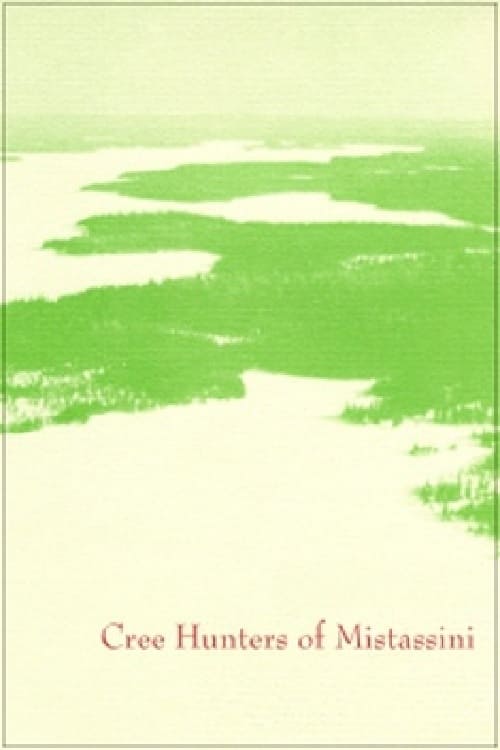
An NFB crew filmed a group of three families, Cree hunters from Mistassini. Since times predating agriculture, this First Nations people have gone to the bush of the James Bay and Ungava Bay area to hunt. We see the building of the winter camp, the hunting and the rhythms of Cree family life.
Cree Hunters of Mistassini
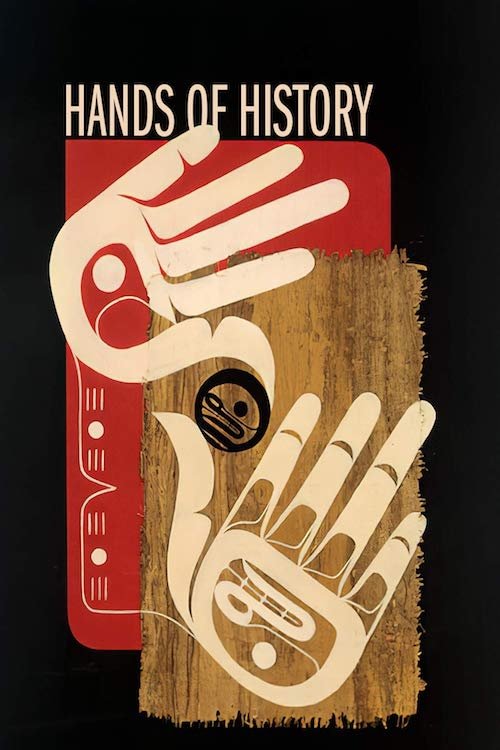
This documentary follows four female First Nations artists—Doreen Jensen, Rena Point Bolton, Jane Ash Poitras and Joane Cardinal-Schubert are First Nations artists who seek to find a continuum from traditional to contemporary forms of expression. These exceptional artists reveal their philosophies as artists, their techniques and creative styles, and the exaltation they feel when they create. A moving testimony to the role that Indigenous women artists have played in maintaining the voice of their culture.
Hands of History

Gurdeep is a thirteen-year-old Canadian Sikh whose family runs a dairy farm near Chilliwack, British Columbia. They have retained their language and religion. Attendance at the Sikh temple, playing soccer with his schoolmates, and working on the farm are all part of Gurdeep's well-integrated life, but sometimes he feels a little different from the other children because he wears a turban. This film is part of the Children of Canada series.
Gurdeep Singh Bains
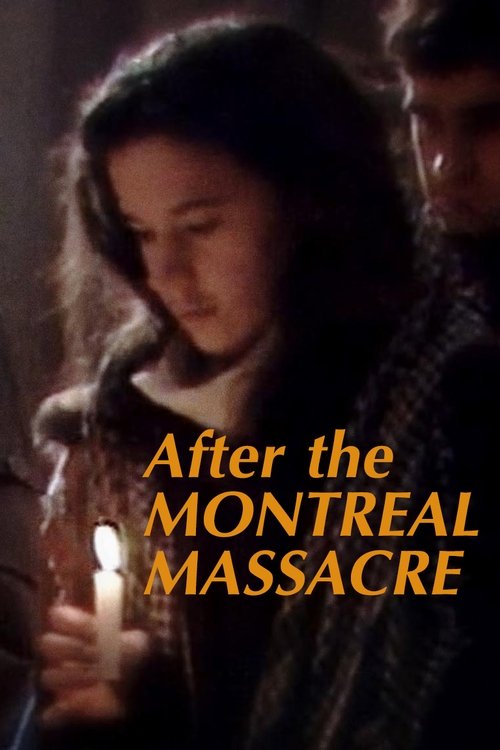
December 6, 1989. Sylvie Gagnon was attending her last day of classes at the University of Montreal's École Polytechnique, when Marc Lépine entered the building. Separating the women from the men, he opened fire on the women students, yelling 'You're all a bunch of feminists.' Sylvie survived, while fourteen other women were murdered. This video makes the connection between the massacre and male violence against women, setting the stage for an exploration of misogyny and sexism.
After the Montreal Massacre
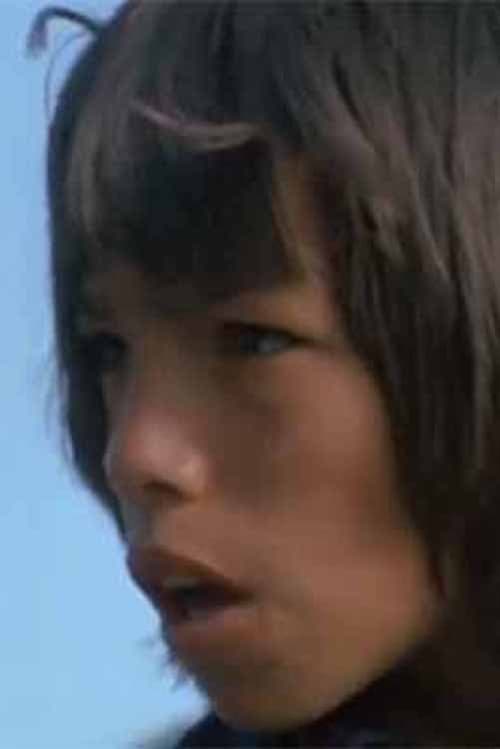
In the mountainous country near Lillooet, British Columbia, eleven-year-old Kevin Alec of the Fountain Indian Reserve learns to make fishnets with his grandfather, and skin and tan hides with his aunt. He goes fishing with his grandmother and horseback riding with his brother. Life is full of wonderful things to do and to learn. Will Kevin eventually abandon his traditional way of life or will it be a source of continuing enrichment? This film is part of the Children of Canada series.
Kevin Alec
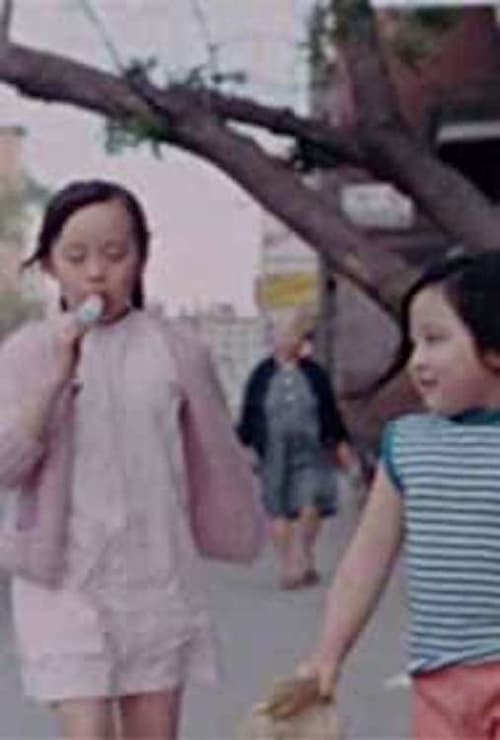
Young Chinese-Canadian Susan Yee gives a tour of Montreal.
My Name Is Susan Yee
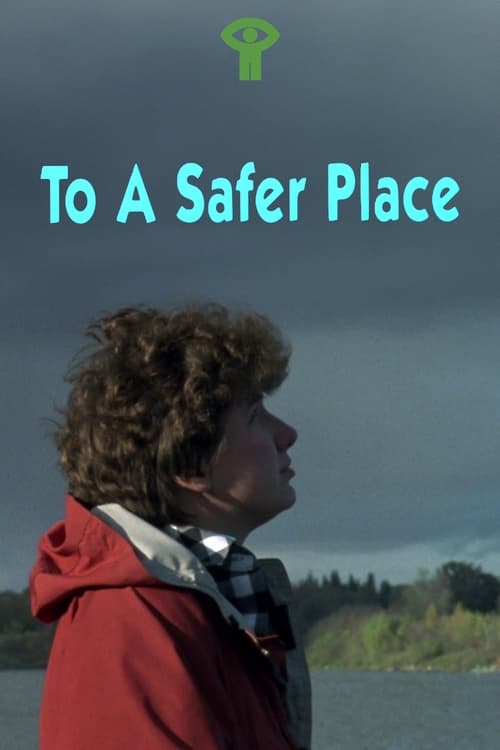
Sexually abused by her father from infancy to early adolescence, Shirley Turcotte is now in her thirties and has succeeded in building a rich and full life. To further reconcile her past and present, she is returning to the people and places of her childhood. Her mother, brothers and sister, all of whom were also caught up in the cycle of family violence, openly share their thoughts. Their frank disclosures will encourage survivors of incest to break through the silence and betrayal to recover and develop a sense of self-worth and dignity.
To a Safer Place

The history of nuns mirrors the history of all women -- in what we are taught about the past, women are almost invisible. Although today's one million nuns outnumber priests two to one, they must struggle to be heard by the all-male Roman Catholic hierarchy from which they are excluded. Behind the Veil: Nuns is the first film ever to record from a global perspective the turbulent history and remarkable achievements of women in religion, from pre-Christian Celtic communities to the radical sisters of the 1980s. Contemporary nuns of strength, dignity and commitment speak of their lives and of their predecessors.
Behind the Veil: Nuns
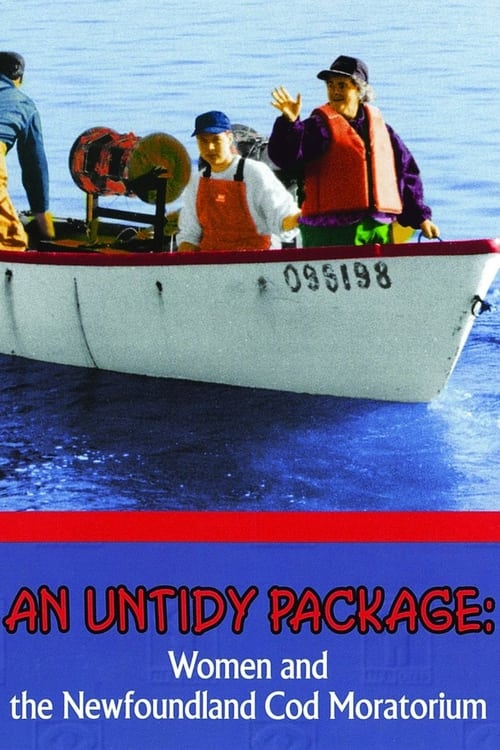
An Untidy Package sets out to dispel the popular misconception that Newfoundland women weren’t major players in the cod fishery before the moratorium, and that the federal compensation they received was only added to their husband’s claims to increase their family’s allowance. We learn at the outset that one third of the 35,000 workers displaced were women. Using the viewpoint of some of these women, this video examines the cod crisis and its social implications for families.