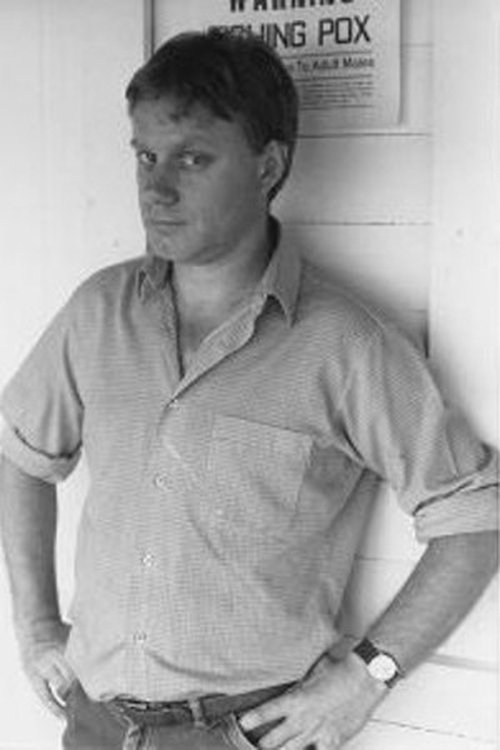
Rick Hancox
Directing
Biography
Hancox, Richard, "Rick," filmmaker, film teacher, musician (born in Toronto, January 1, 1946). Hancox grew up in Ontario, Saskatchewan and Prince Edward Island. All three locations have informed his poetic and finely crafted experimental documentaries, which fuse personal landscapes with issues of time, memory and history. Hancox was introduced to film at the University of Prince Edward Island by American documentary filmmaker George Semsel. He went on to do graduate work in film and photography at New York University and at Ohio University, where he earned an MFA in film in 1973. During that period his short films won five major awards in the Canadian Student Film Festival. After working briefly in New York as an independent filmmaker, Hancox went on to teach film at Sheridan College in Oakville, Ont (1973-85). There he influenced a generation of Canadian independent filmmakers including the documentarians Holly Dale and Janis Cole and experimental filmmakers such as Richard Kerr, Philip Hoffman, Michael Hoolboom and others, who, along with Hancox, have been recognized as belonging to a movement in Canadian experimental film that is referred to as the "escarpment school" - named after the geological feature, the Niagara Escarpment. Hancox left Sheridan to teach in the Communication Studies Department of Concordia University in Montréal. Hancox often blends the poetic with the cinematic as in the trilogy of "poetry films" Waterworx (1982), Landfall (1983) and Beach Events (1985). He is also known for autobiographical documentaries best illustrated by Home for Christmas (1978). Moose Jaw (1992), which was recognized in Take One magazine as one of the ten best films ever made in Canada, marks a new direction for Hancox. Like all his best work, Moose Jaw charges the term "landscape" with extra meaning. His work demonstrates, through the cinematic image, how personal memory is mediated by social and historical contexts.
Known For
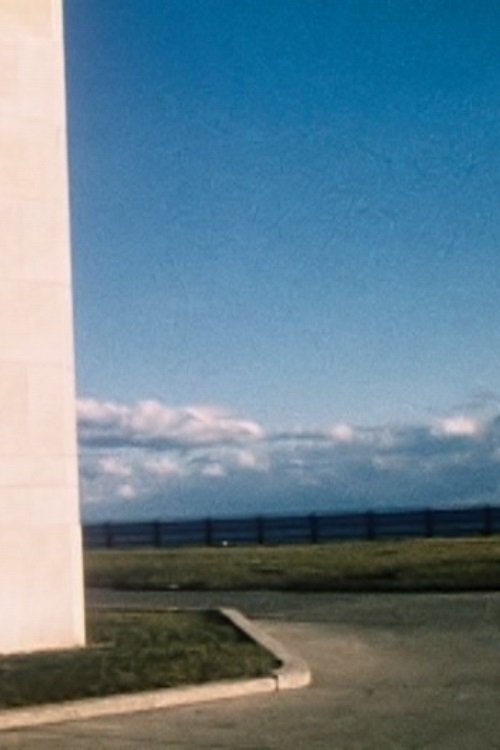
The waterworks in the beaches area of Toronto is the source of an image, perhaps eidetic, from my early childhood. It always had an enigmatic quality, and even after returning years later to shoot this film. I was still not satisfied that it was merely a filtration plant - its architecture functioned more metaphorically. Wallace Steven's ironic and equally enigmatic poem 'A Clear Day and No Memories' was brought into the film later to address these issues, and to provide an interruptive graphic function for the same reasons the style of editing is interruptive, that is, to both underscore the alluring nature of the image, and to force an intellectual distancing. Just as the supposedly clear air is used as the protagonist in Steven's poem, the Precisionist clarity of the imagery is foreground in Waterworx, while the soundtrack develops the air's subtext.
Waterworx (A Clear Day and No Memories)
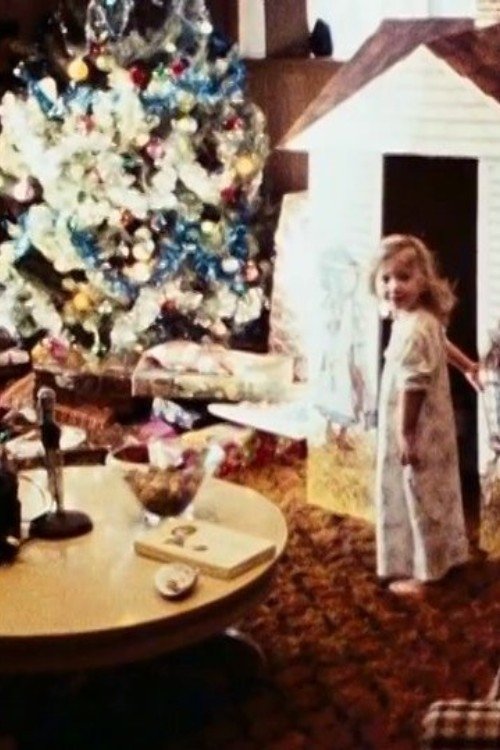
"Here is the quintessential Hancox 'personal documentary,' a film in which both the production and role of traditional documentary and autobiographical filmmaking are thrown into question. Using his camera to record a visit out east by train to spend Christmas with the family, Hancox .... used his familiarization with the annual ritual as a form of a script... Although we see the journey through the subjective judgment of Hancox’s eyes, it is his intent to transfer the material from original event to camera, to editing, and finally to the audience, so that the personal content of the film... becomes universal.” Michael Wade, Ontario Film Studies, Cinema Parallel “It is the honesty of portrayal which is staggering, for instead of an idyllic image which many filmmakers present of themselves, Hancox presents (and thus, sees) himself without cinematic make-up... with ‘wild sync’ sound (reminiscent of an early film), and with the use of only available natural light.” Richard Stanford
Home for Christmas
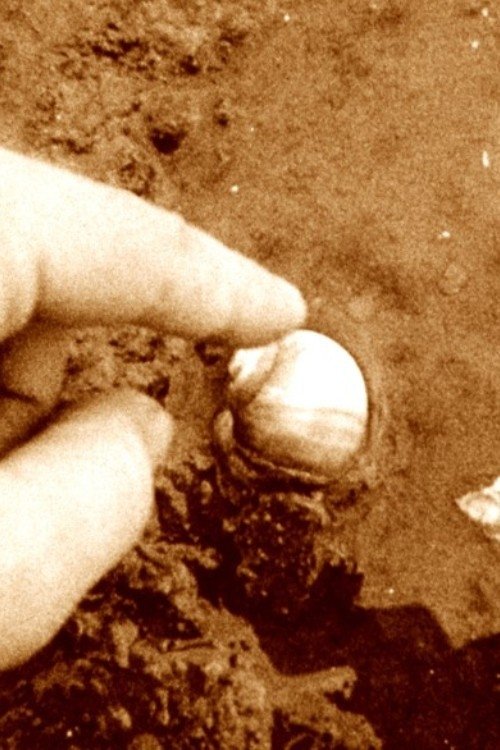
This film completes a trilogy of landscape/poetry films, which include “Waterworx” (1982) and “Landfall” (1983), and was shot near the family home on the Northumberland Strait in Prince Edward Island. In writing the text for “Beach Events,” I wanted to challenge the cinema's dominant present tense by imitating primitive “event” poetry, referring superficially to action present on the screen, but gradually slipping out of synchronization with its referent. This practice, together with reading a kind of sub-conscious, internal monologue (also based on the film's events, but only those past and future), helps the viewer transcend the spectacle of the present, and be aware of a larger temporal universe. In this film it informs a dialectic of internal and external nature, temporal presence and absence, the conscious and sub-conscious. (RH)
Beach Events
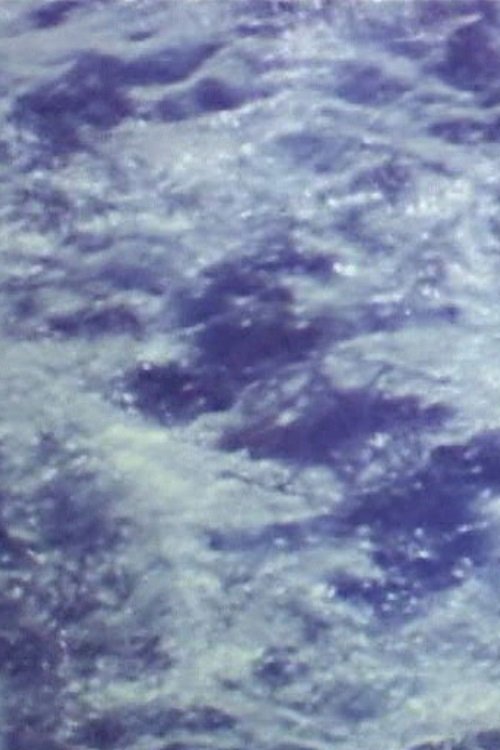
Landfall was shot in Prince Edward Island, near the family home on the Northumberland Strait. The original footage, shot in 1974, was a kind of interactive, camera “dance” with the environment. Poetry became important when the footage was later superimposed onto its own mirror-image, to help direct the viewer away from the luring yet limited world of image-identification. “I Thought There Were Limits,” by Quebec poet D.G. Jones, w as used to encourage the viewer to reject Newtonian notions of space and time, and to conceptualize the film’s interplay between absence, desire, and presence. Eventually, the limitation of text as spoken signifier is exposed through dynamic visual techniques reminiscent of concrete poetry. (RH)
Landfall
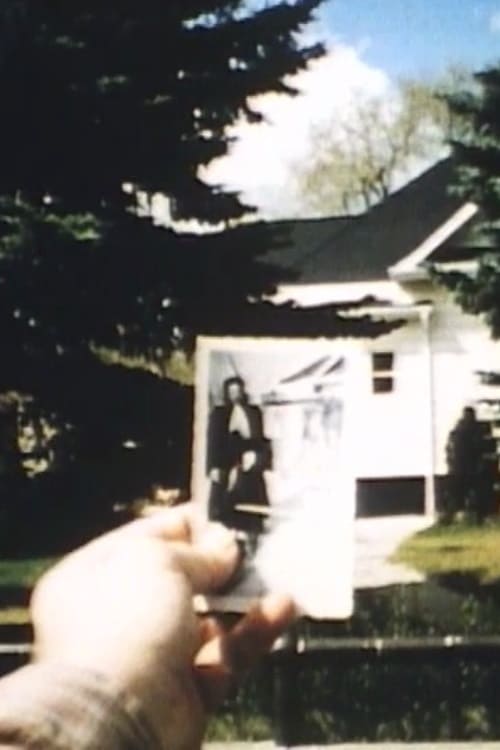
A wryly humorous excavation of history and personal memory, Moose Jaw is a reflexive view of the filmmaker’s childhood town in the Canadian west, as a mythic symbol of nation-building and the ‘manifest destiny’ of North America. With its revitalization motto, ‘There’s a Future in Our past,” this post-colonial crash site ingests the filmmaker in its museumizing process as a once thriving rail head on the margins of (British) Empire.
Moose Jaw: There’s a Future in Our Past

A drug encounter between a P.E.I. farmer and a hippie from "Upper Canada" who thinks he's Christ.
Tall Dark Stranger

An autobiographical film ballad about dodging dog dung in New York City.
I, A Dog
Impressions of a marriage on the lakeshore, the lapping of water, and the mediation of a movie camera.
September 15
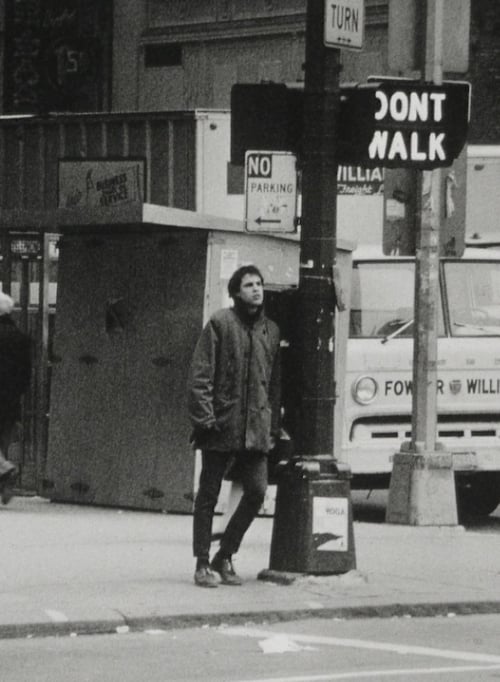
Using fragmented personal imagery, "Next to Me" renders Cartier-Bresson's theory of the "decisive moment" fully in cinematic terms. The film is an expressionistic exercise in editing, which explores the nature of time and memory, film and still photography, against the urban landscape of New York.
Next to Me
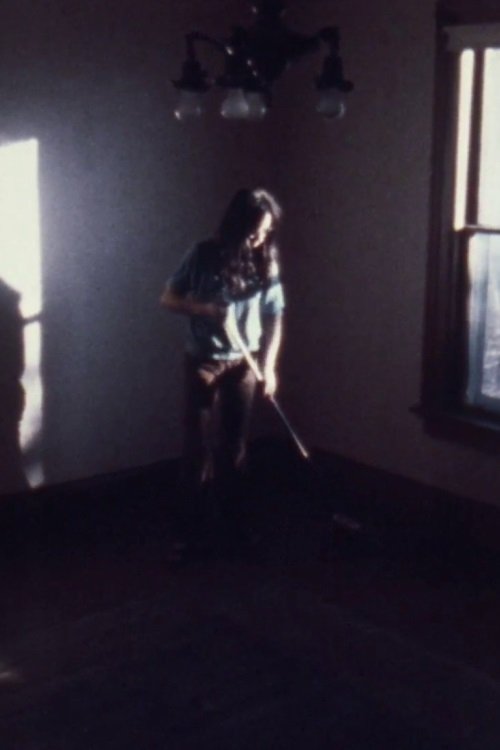
The visual ‘documentary’ material in House Movie comprises essentially ‘home movie’ footage. While the great majority of this material was staged, re-enacted, or otherwise planned in advance, it is documentary inasmuch as the ‘actors’ play themselves and participate in familiar events in a familiar setting which does not represent, but is, their actuality. Taking into consideration the film’s musical form, it might be said that in terms of documentary, House Movie is an exaggeration of John Grierson’s definition.
House Movie

A restless instructional film, teaching his audience about impromptu sound synchronization, the use of cutaway shots and the total destruction of the clapper board.