Napoleon Chagnon
Directing
Known For
What happens when western anthropologists descend on the Amazon and make one of the last unacculturated tribes in existence, the Yanomami, the most exhaustively filmed and studied tribe on the planet? Despite their "do no harm" creed and scientific aims, the small army of anthropologists that has studied the Yanomami since the 1960s has wreaked havoc among the tribe – and sparked a war within the anthropology community itself.
Secrets of the Tribe
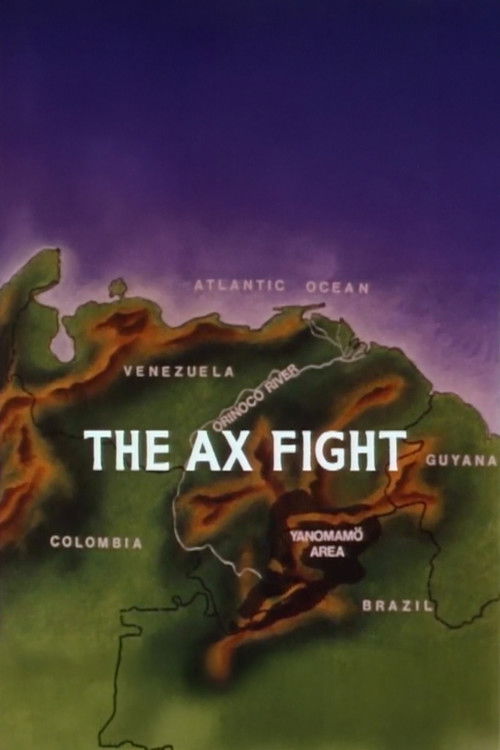
This ethnographic film records a conflict that took place on February 28, 1971, in the Yanomami village of Mishimishimabowei-teri during the fieldwork of Timothy Asch and Napoleon Chagnon. Constructed in four parts, the film first presents the complete unedited footage of the fight as it was witnessed by the filmmakers, followed by slow-motion analysis, kinship diagrams, and a final edited version. Through this structure, the film documents both the social dynamics of the conflict and the process by which ethnographic knowledge is produced from filmed events.
The Ax Fight

This film illustrates the field techniques used by a multidisciplinary team of researchers from the University of Michigan in collaboration with their Venezuelan colleagues. The film also includes a brief sketch of Yanomamo culture and society.
Yanomamo: A Multidisciplinary Study

An examination of shamanism in the Yanomamo society. Dedehiewa, a shaman of the Mishimishi-mabowei-teri village, summons spirits called hekura to "cure or kill".
Magical Death

Yanomamo feasts are ceremonial, social, economic, and political events. They are occasions for men to adorn their bodies with paint and feathers, to display their strength in dance and ritualized aggression; for trading partnerships to be established or affirmed; and for the creation or testing of alliances. In the feast filmed in 1968, the Patanowa-teri had invited the Mahekodo-teri to their village. The two groups had been allies until a few years before this event, when they had fought over the abduction of a woman. They now hoped to renew their broken alliance, which they did successfully. Soon after the filmed feast, the two villages together raided a common enemy. A detailed discussion of this feast, and of the significance of feasting among the Yanomamo, is found in chapter 4 of Chagnon's Yanomamo: The Fierce People. The film's graphic representation of reciprocity and exchange may enrich (and be enriched by) a reading of Marcel Mauss' The Gift.
The Feast

One of the few ethnographic films in which the anthropologist appears as one of the subjects - a lively introduction to the nature of fieldwork. Napoleon Chagnon, who lived among the Yanomamo for 36 months over a period of eight years, is shown in various roles as "fieldworker": entering a village armed with arrows and adorned with feathers; sharing coffee with the shaman Dedeheiwa who recounts the myth of fire; dispensing eyedrops to a baby and accepting in turn a shaman's cure for his own illness; collecting voluminous genealogies; making tapes, maps, Polaroid photos; and attempting to analyze such patterns as Yąnomamö village fission, migration, and aggression.
A Man Called "Bee"
A village headman, Moawa, weaves a cotton hammock while his wife swings in her own hammock, occasionally touching his leg in a loving gesture. She watches and teases him while playing with their baby. Filmmaker: Timothy Asch, Napoleon Chagnon
A Man and His Wife Weave a Hammock
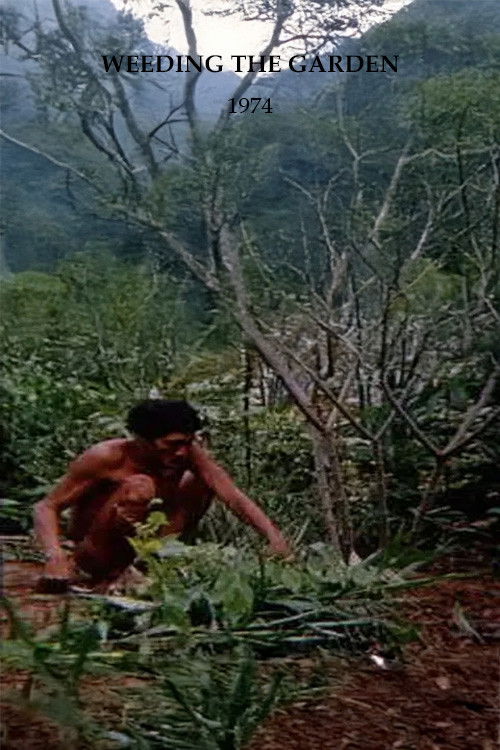
Dedeheiwa the shaman weeds his manioc garden and clears the leaves around his plantains. Tired and sore, he rests while he is massaged and groomed by his wife and numerous children, with whom he plays affectionately.
Weeding the Garden
Dedeheiwä, a shaman and headman in his village, takes nine of his children and grandchildren to the river where he washes them carefully and patiently.