Acting
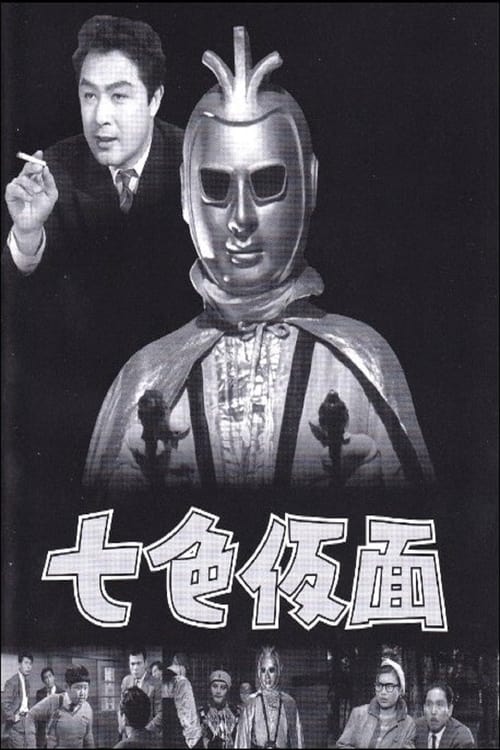
Seven Color Mask (七色仮面, Nanairo Kamen) is the name and title character of a tokusatsu TV series, later called New Seven Color Mask (新七色仮面, Shin Nanairo Kamen). It was created by Kōhan Kawauchi, who also created Moonlight Mask. This B&W TV show was the first superhero TV series by Toei Company Ltd. It was broadcast on NET (now TV Asahi) from June 3, 1959 to June 30, 1960, with a total of 57 episodes divided into 7 segments. Aside from being Toei's first TV superhero show, this series was also the debut of actor Sonny Chiba, who was 19 at the time, who took over the title role from Susumu Namijima after Episode 32.
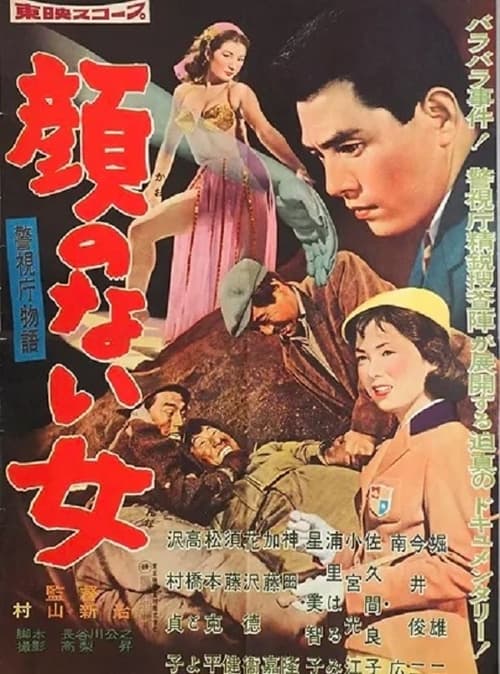
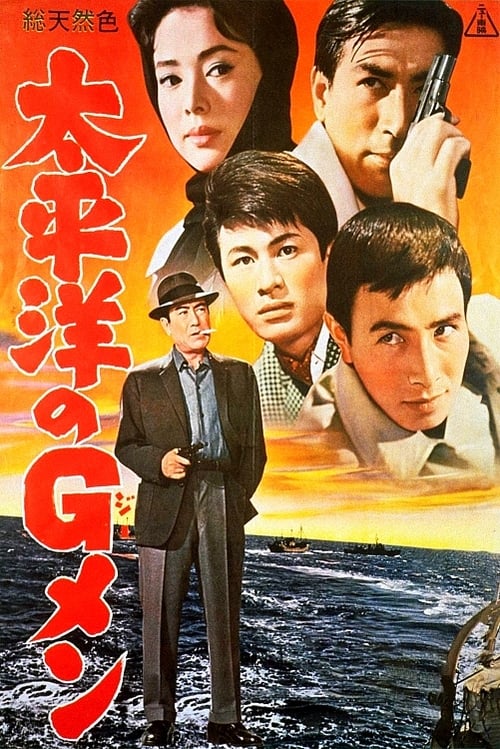
G-men challenge a jewelry smuggling ring. The chase starts in Kyushu and continues to Kobe to Yokohama.
The Wayside Pebble is an effective drama about the hardships of a childhood spent with a brusque, cold-hearted father and a submissive mother. The year is 1910 and the place is a small Japanese village. Goichi is suffering because he wants to go to school, but his family is too poor to afford that luxury. Even when a kind friend agrees to help out, Goichi's father refuses to give in to his son's request for an education. Instead, he sends Goichi off to work as an indentured servant for a cold-hearted merchant and his family. As tragedy strikes and the suffering of the young boy increases, he begins to look for some way out of his bleak situation.
Young geisha Kohana scrambles to realize her dream of bringing back her grandmother’s restaurant business.
The Gorenger head for Matsuyama to prevent the Black Cross from firing a missile to destroy Japan. Himitsu Sentai Gorenger: The Bomb Hurricane is a theatrical film based on the Himitsu Sentai Gorenger television series. It was originally shown on July 22, 1976 (between Episodes 56 and 57 of the TV series) as part of the Toei Manga Matsuri film festival. It was the only Gorenger film that was a completely original work and not a theatrical version of a TV episode.
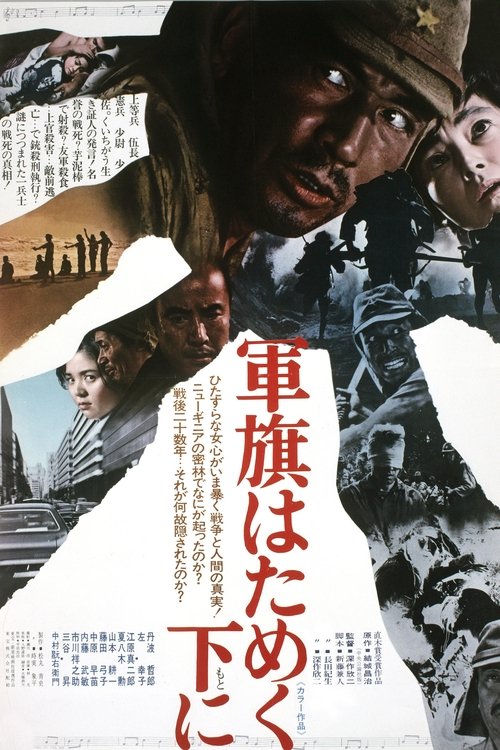
A war widow determined to clear the name of her disgraced husband, who was court-martialed for desertion and executed. Official records have been destroyed, and the ministry that distributes benefits continues to deny her a pension. Twenty-six years after the war, she seeks out four survivors of her husband's garrison. Each tells a dramatically different story about her husband's conduct, but she is determined to learn the truth.
No description available.
A young man longs to travel to Hawaii, the birthplace of his deceased father, against the wishes of his family, who are estranged from those relatives in Waikiki.
A group of four chorus singers leave their hometown in Kyushu and go to Tokyo to become stars. It’s a musical comedy that shows Segawa’s talent.
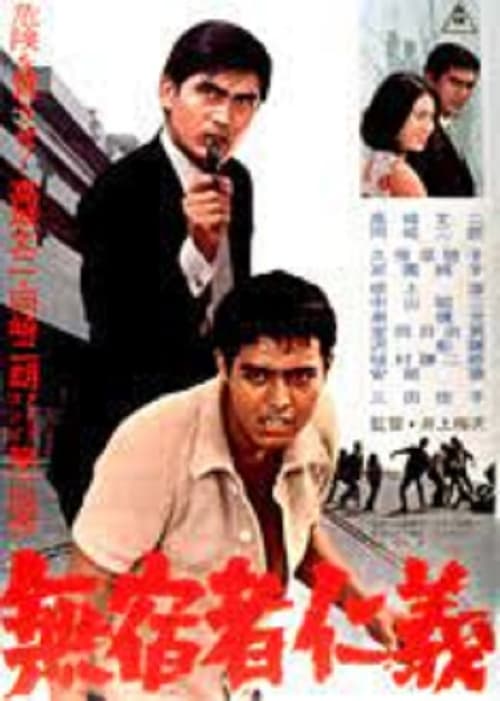
A crime film released in 1965
This film focuses on Okatsu; the adopted daughter of a master swordsman. She is a master with a sword herself and her talents far overshadow that of her brother, and real child of the man who adopted her. Her brother unfortunately has a gambling habit, and it plunges the family into trouble when he loses a lot of money in a crooked dice game. After releasing he is unable to pay the debt he owes; the blame is shouldered by the father, who is killed, leading Okatsu on a path of revenge.
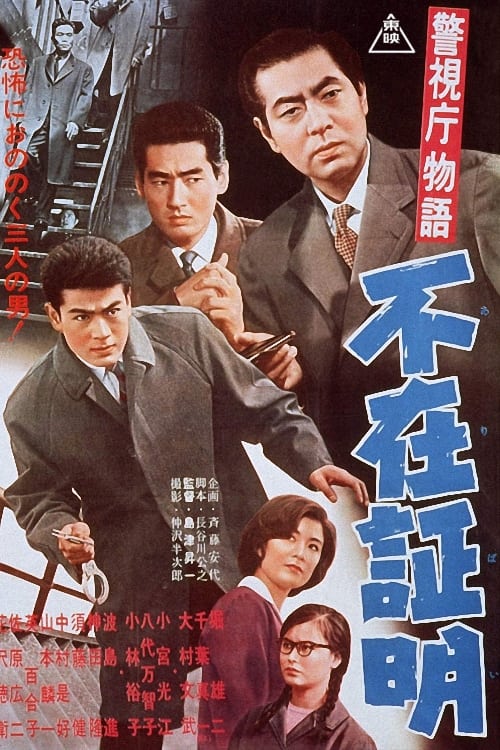
One of the earliest Japanese cop films following a mysterious killing on the last train to Mitaka, Tokyo.
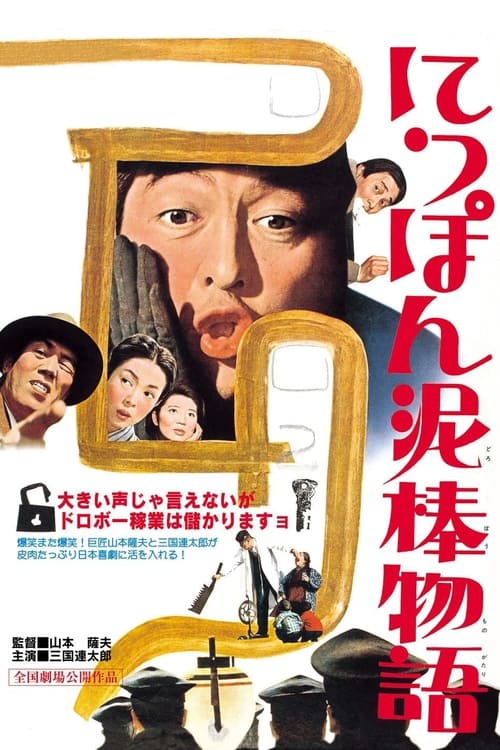
Two convicts just released from prison find a green bauble filled with diamonds — and try to prove they didn't steal it.
A veteran reporter and a young journalist doggedly pursue clues through sheer persistence and intuition to unravel the mystery behind the sudden death of a teacher in the remote Hokuriku region. In pursuit of the truth, they are led to a web of corporate fraud, an inbred village, bundles of toilet paper, and flatfoots with something to hide as the bodies pile up.