Acting
No description available.
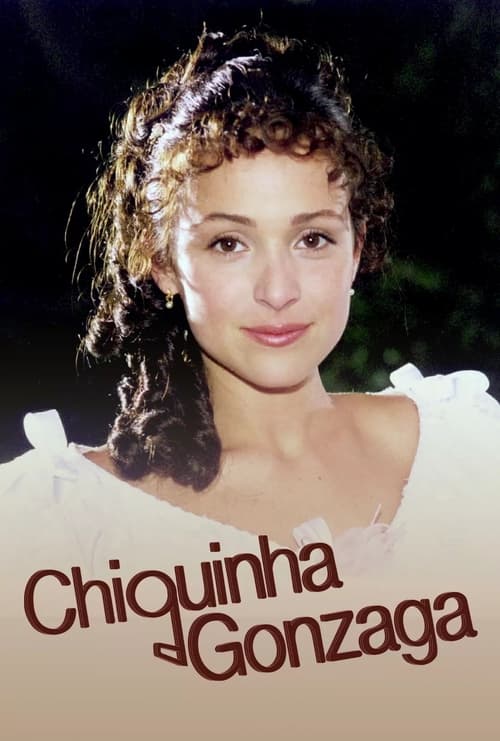
It tells the story of Chiquinha Gonzaga, a revolutionary musician who marked the history of music in Brazil, and challenged the social standards of her time. Chiquinha was raised very comfortably and had an excellent education provided by his father, Jose Basileu, who expected his daughter to be a lady of the imperial court. But after listening to songs played in a black yard and influenced by friends, such as composer Joaquim Callado, Chiquinha begins to make compositions mixing polka and lundu. By imposition of her father, Chiquinha is forced to marry Jacinto, with whom she has three children. However, Jacinto forbids her to play, and she decides to separate from her husband, going against social standards. Chiquinha, then, fights for his freedom to play and will live with the great love of his youth, João Batista de Carvalho Jr., with whom he has a daughter, Alice.
Marcelo leaves his family and moves to Mato Grosso do Sul, where he learns how to fly airplanes by himself watching the pilots. One day, he responds the call of a drug dealer and uses his boss' plane to help the man to transport his cargo. He is hired by the drug lord to work transporting drugs in his airplanes. When he is arrested by the Federal Police, he does not rat his gang and the leader of the cartel gives a large amount of money as a bonus and asks him to leave the gang since he is known by the police. Marcelo uses the money to promote a party in the Carnival of Recife pretending to be the son of the owner of the Gol (a Brazilian air flight company). He lures the high-society, including the television presenter Amaury Jr. Marcelo is arrested again and is sent to prison. During a rebellion, he uses his leadership to present the claims of the prisoners and help to control the situation.
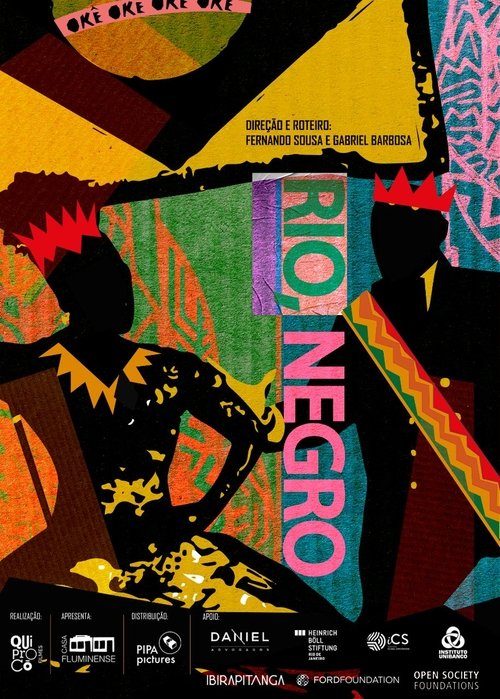
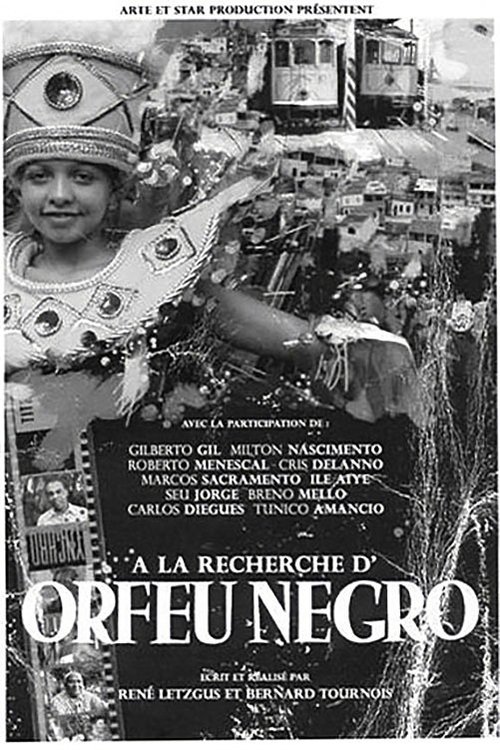
Documentary about Marcel Camus' 1959 film Black Orpheus, its cultural and musical roots, and its resonance in Brazil today.
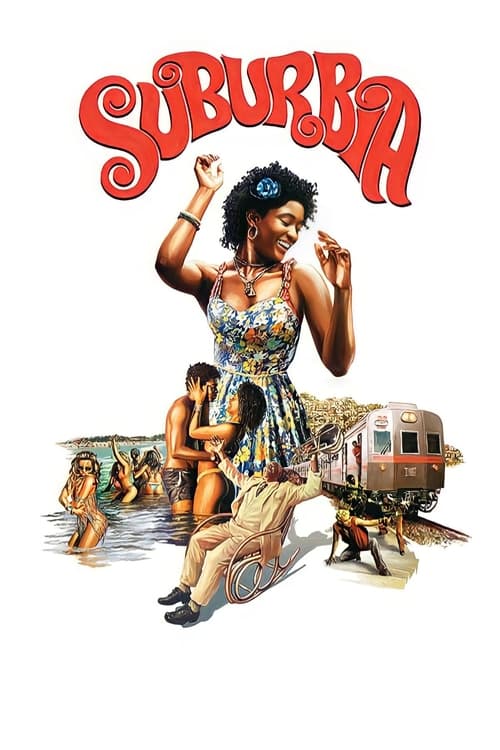
Conceição is a poor girl that left Minas Gerais in search for a new life, away from the coal ovens. She runs away on a cargo train to Rio de Janeiro, where later she takes shelter with a loving family in Rio's suburbs. She falls in love with Cleiton, a hard working and rebel young man, who grew up without a father and lives between good and evil. Conceição becomes a brazilian funk star, but she doesn't loose her pure nature, reassuring her integrity before the obstacles of life. These common people face a recurring dilemma to all of us: How to maintain your notion of justice, ethics and morals, in times of violence, inequity and decadence of values?
A woman is taken along with her mother in 1910 to a far-away desert by her husband, and after his passing, is forced to spend the next 59 years of her life hopelessly trying to escape it.
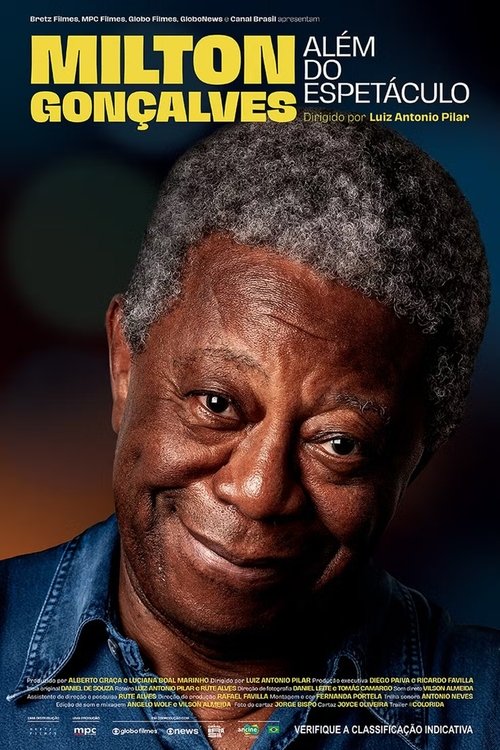
This biopic documents the life and work of one of Brazil’s most prolific artists: Milton Gonçalves. This actor and director are credited with more than sixty television titles, seventy movies and twenty plays. Known from classic full-length features like Macunaíma, They Don't Wear Black Tie and Kiss of the Spider Woman, his dramatic versatility also encompasses major Brazilian soap operas, including O Bem Amado and Roque Santeiro. With his talent, he overcame barriers faced by many Black performers in Brazil. An active on-screen and on-stage presence since the 1950s, his name is synonymous with the history of Brazilian television, theatre and cinema, making him a landmark talent in the performing arts world.
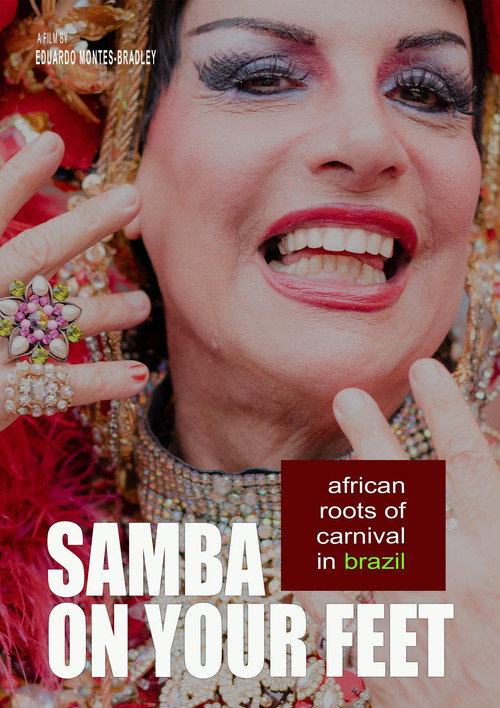
Samba on Your Feet explores the shared roots of Carnival and Samba in Brazil and how they’ve come together to form a unique and vibrant culture. The journey begins behind the scenes of Rio de Janeiro’s Samba schools. Here, we witness the hard work and dedication of choreographers, dancers, musicians, and costume makers coming together in the spirit of teamwork and collaboration to create a spectacle that celebrates the infectious rhythms of Samba. The camera of Montes-Bradley also explores nearby favelas, where the audience discovers more links between Carnival and Samba and learns about the cultural history linking both to common African traditions. Cultural historian Haroldo Costa is our host on this pilgrimage to the roots, illuminating the importance of Samba in Brazilian culture and explaining its influences on Carnival.
With a short and intense life, Dolores Duran left her name in the pantheon of great names in Brazilian music. Living in a time when women had to follow strict moral standards, Dolores had no doubts: she spent the night in bars and parties, drank, smoked and allowed herself to be free to relate to whoever she wanted, challenging the macho structure of the 1950s. With many archival footage and testimonials from friends, family and ex-boyfriends, the film tells the story of an important and little-remembered character.