Kurt Tetzlaff
Directing
Known For
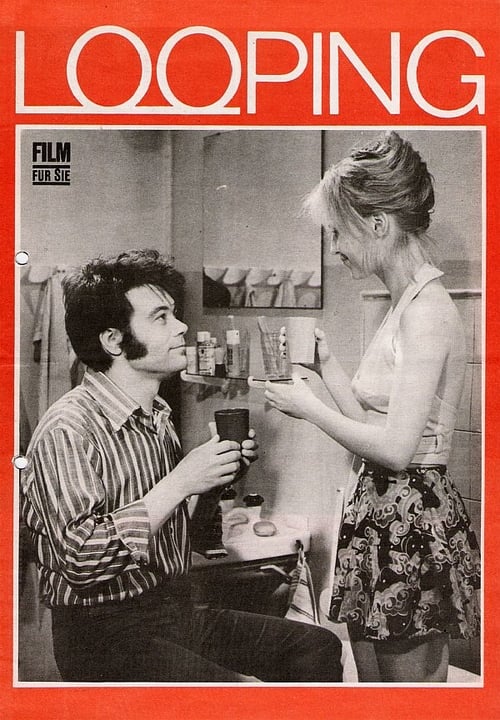
The thirty year old bee is a daredevil, everything seems to work for him. But suddenly a tragic event tears him out of his carelessness. In the explosion of a carbide furnace in operation, a colleague is killed.
Looping
Founded in 1954 as the “Deutsche Hochschule für Filmkunst”, today's “Hochschule für Film und Fernsehen” is celebrating its 50th anniversary. The documentary traces the history of the university. Graduates of the school have their say and excerpts of student films from five decades are presented.
Ein bisschen Luft unter die Flügel
How young people were manipulated to join the war during the Imperial Era.
Das Geschenk – eine beinliche Geschichte
Revolution and resignation within the changes at the end of the GDR.
In Transit: Report for Posterity
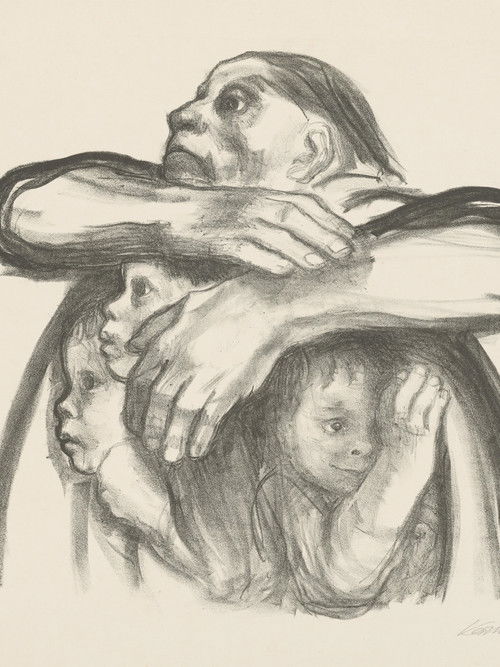
Tetzlaff's documentary combines historic film footage and photographs with quotes from Kollwitz's diary and images of her sculptures and graphic works, including The Weavers' Revolt (1893-97), The Peasant War (1902-08), Woman with the Dead Child (1903) and War (1922-23), her famous series of seven woodcuts.
Seed Corn Should Not Be Ground – A Portrait of Käthe Kollwitz
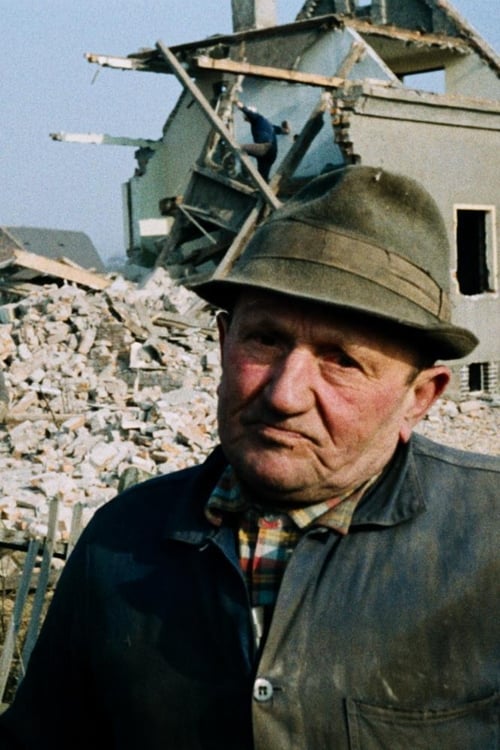
Some villages are torn down because of open cast mining south of Leipzig. The landscape changes and so do the lives of the people. The four years chronicle - an allegory of the loss of homeland, the destruction of nature in the name of progress and prosperity. Sadness and melancholy remain. Environmental protection, one of the difficult issues in the GDR.
Erinnerung an eine Landschaft – für Manuela
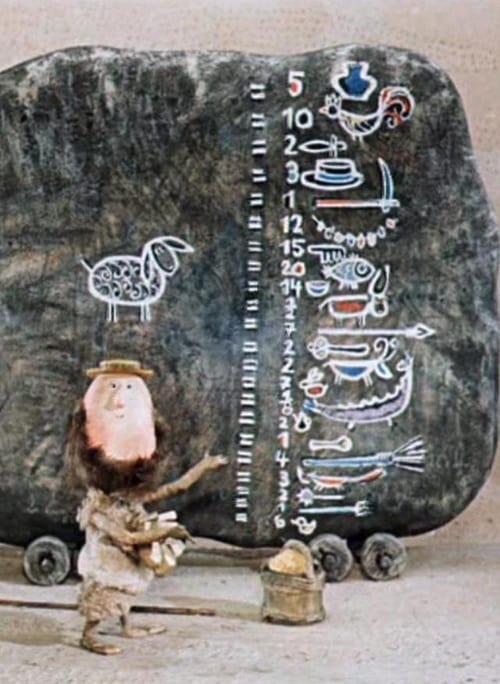
The Nörgel clan divides the labor and produce more hats than they need for themselves. As consequence, they look into an exchange of products at a market in Leipzig. However, Nörgel has to learn that animals might not be a good equivalent for a product trade, although they are needed by everyone. Part two of the animation trilogy Nörgel & Sons.
Nörgel & Söhne en gros und en detail, Teil 2
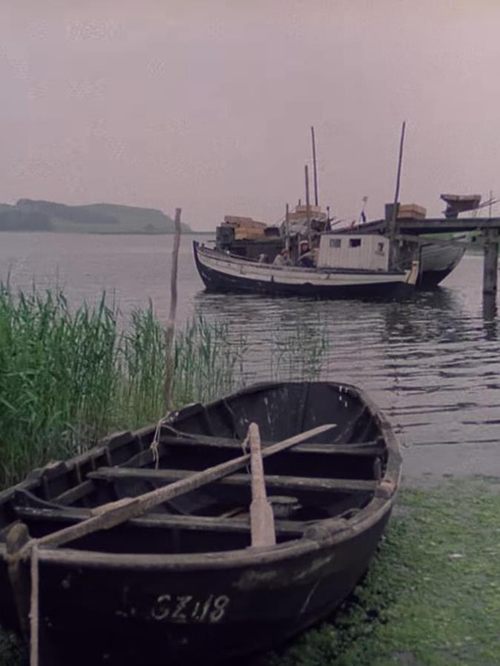
Documentary film about the inhabitants of the village of Gager on the island of Rügen. The net and trap fishermen are a close-knit community and use the three seasons of fall, winter and spring to make ends meet for themselves and their families. In summer, many of them offer holidaymakers their vacation rooms, during which time fishing takes a back seat. With impressive pictures and original sounds, the women and men describe their experiences and compare the difficult times before and the up-and-coming times after the 1950s. The mayoress of the village of Gager and the district of Groß Zickau tells vivid stories about the "battles" within her own family and against the men of the village and the party leadership in order to achieve certain goals for the benefit of all.
Die drei anderen Jahreszeiten
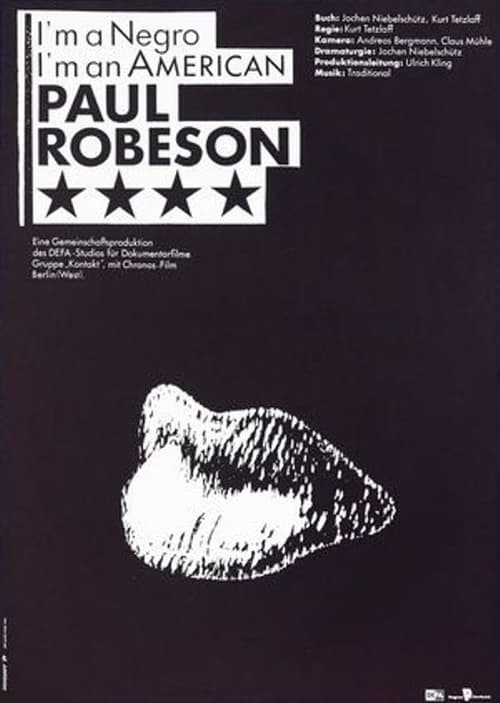
Biographical notes on the American singer, actor and civil rights activist Paul Robeson (1898-1976). At the height of his fame and skill, Robeson’s career was cut short by Cold War anti-communist hysteria. This documentary includes historic footage of the US civil rights movement; clips of Robeson’s speeches, performances and visits to East Germany (GDR) and the Soviet Union; and interviews with his son, Paul Robeson Jr., and the musicians and activists Harry Belafonte, Pete Seeger and Earl Robinson. Co-produced by the GDR’s DEFA Studio for Documentary Film and the West Berlin production company Chronos, with scenes shot in the U.S.
I’m a Negro, I’m an American – Paul Robeson
A look at the history of jazz, which has its origins in the music of Africans enslaved to North America 300 years ago.
The Life of Jazz
Documentary about young workers in East Germany.
Being 18 Is Not Enough
In view of the rapidly advancing development of technology, the film draws attention to the fact that people will not be able to manage without knowledge and skills. A boy breaks into a computer station and, by operating it incorrectly, causes chaos at an agricultural production cooperative.
Machen im Jahre 2001 alles die Maschinen
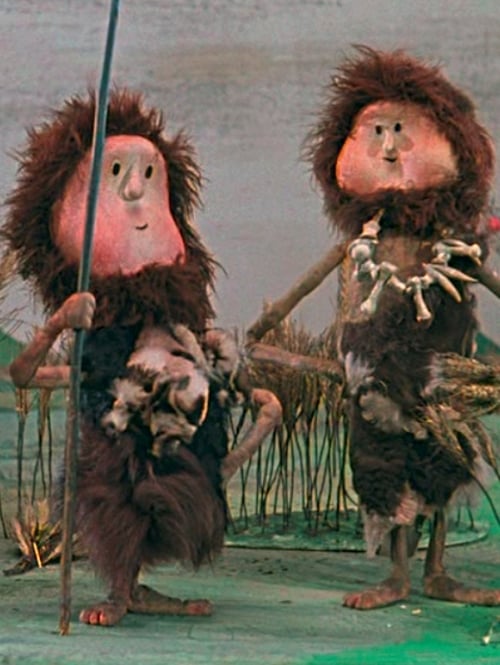
The history of money goes back to when people decided to settle down. They look for a physical equivalent to exchange goods… Nörgel and his family move from one place to another in search of tools to make their work easier. They also start to produces their own tools. Part one of the animation trilogy Nörgel & Sons.
Nörgel & Söhne oder was vor 9742 Jahren vormittags neun Uhr begann, Teil 1
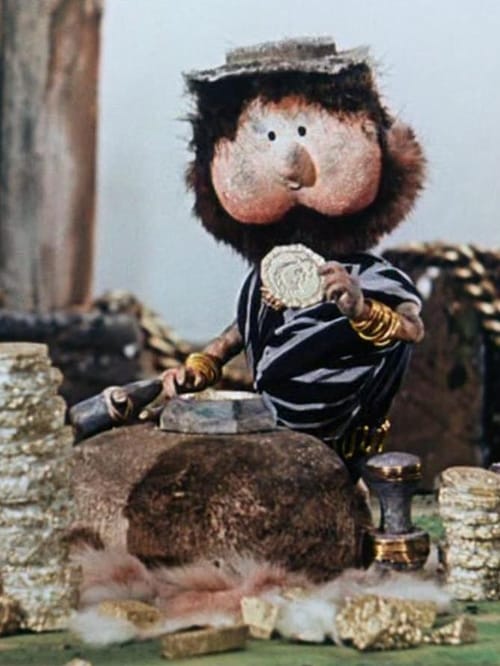
Nörgel is on his way home from the Leipzig market. He is exhausted from the trade business using animals as an exchange. There should be an easier way than using animals... What about small and large coins made of gold? Part three of the animation trilogy Nörgel & Sons.
Nörgel & Söhne - Ich, Nörgel, Teil 3

In short sequences of images pointedly set to music by Louis Armstrong, the film follows the pleasurable triumph of young life over the obstacles of setting out into the world. As short as the film is and as curious its contents, the chequered story of its working and release titles is just as interesting. In 1987, the industry magazine “Film und Fernsehen” presented it simply as “A DEFA film by”. The text printed there ends with a sentence in brackets: (And many a viewer may marvel at the courage of the little ducklings and feel encouraged themselves.)
Spring, wenn du kannst
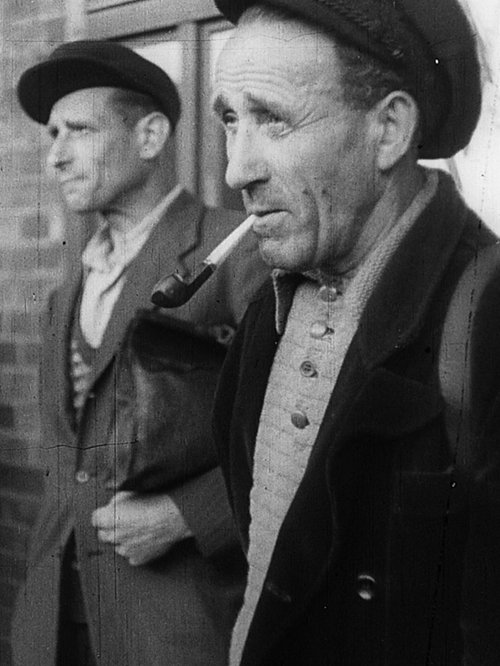
The short documentary was shot at Ostkreuz station in Berlin-Friedrichshain and captures a snapshot of proletarian Berlin in 1957: it is early evening on a weekday. Workers drink a beer on their way home, look after the women or chat with colleagues. Two boys hang around the kiosk and steal deposit bottles unnoticed.
On a Platform
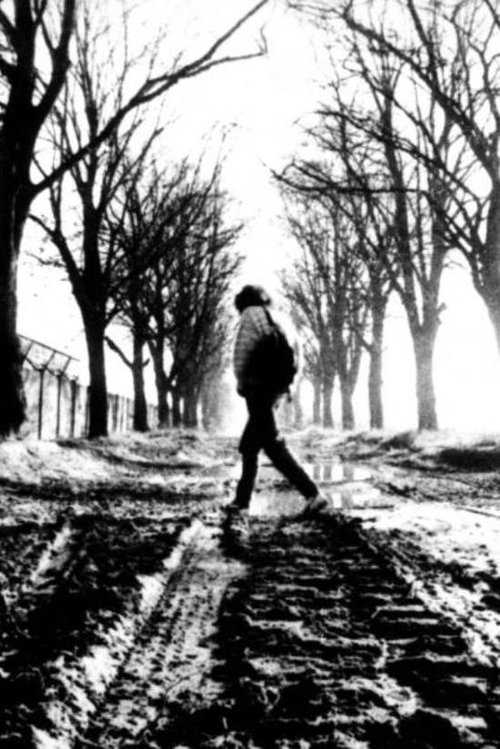
Once again Kurt Tetzlaff portrays Alexander, who in 1990 works as a nurse and is active in the “Action Reconciliation”. The sense of departure of the autumn of 1989 slowly gives way to disappointments about the outcome of the People’s Chamber elections in 1990, the currency reform and the Unification Treaty. The political and social changes took place at a rapid pace that many found hard to follow. The sense of community that carried people through 1989 is fading. “Now it’s every man for himself”, Alexander states. He has no use for capitalism: “I feel just as lied to and cheated as before.” Resignation spreads.
Im Übergang – Protokoll einer Hoffnung

Interviews with children in Palestinian refugee camps.