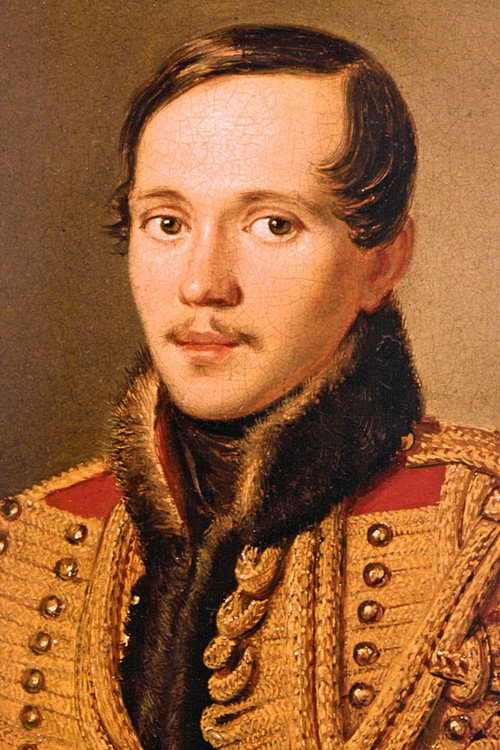
Mikhail Lermontov
Writing
Biography
Mikhail Yuryevich Lermontov (Михаил Юрьевич Лермонтов; 1814 – 1841), sometimes referred to as the "Poet of the Caucasus", was a Russian Romantic writer, poet and painter considered the most important Russian poet after Alexander Pushkin's death in 1837 and perhaps the greatest figure in Russian Romanticism. His influence on later Russian literature is still felt in modern times, not only through his poetry, but also through his prose, which founded the tradition of the Russian psychological novel.
Known For
An anthology series of television plays which aired on BBC1 from October 1964 to May 1970. The plays were usually written for television, although adaptations from other sources also featured.
The Wednesday Play
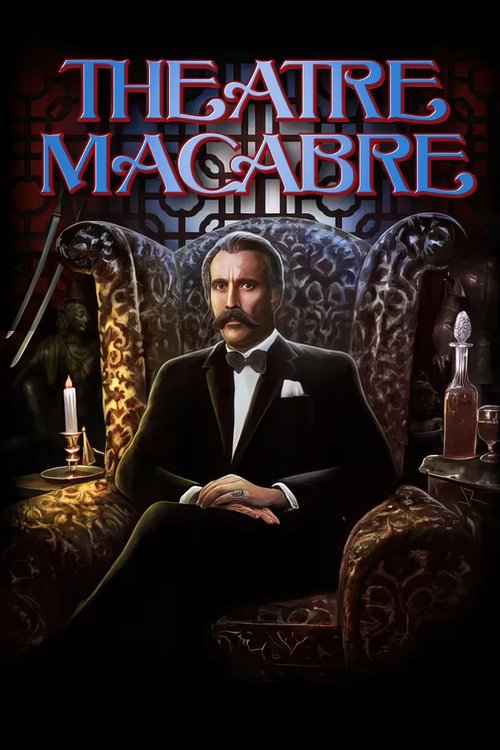
Christopher Lee hosts this horror anthology series from Poland with stories from various classic authors.
Theatre Macabre
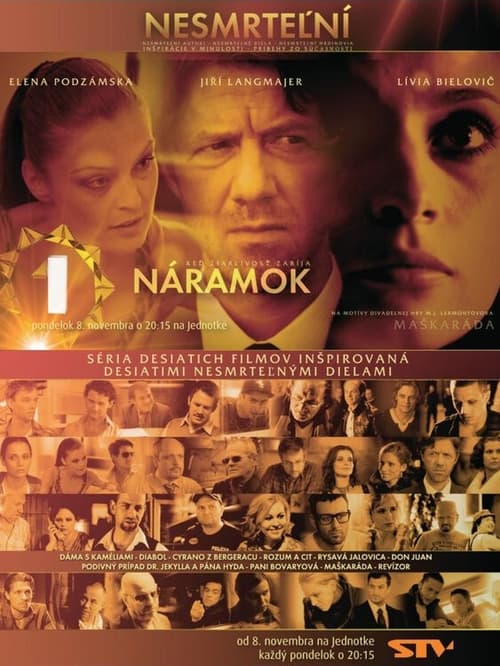
No description available.
Nesmrteľní
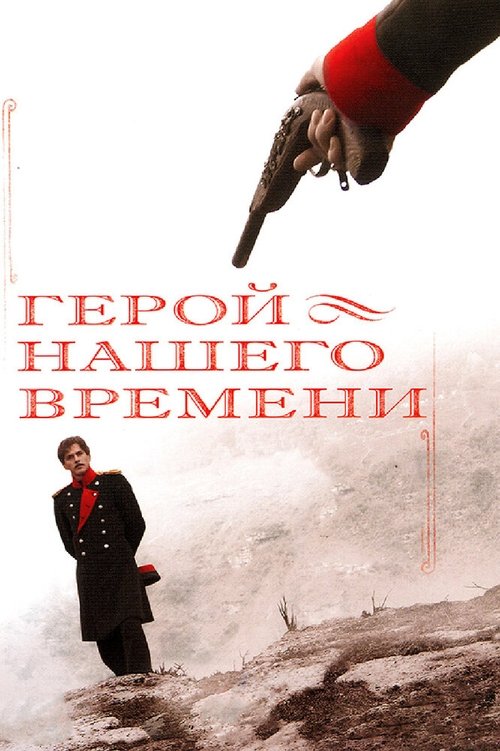
1837: Another year of the grueling Caucasian war. A young officer, Grigory Pechorin, was sent into exile to the active army for participating in a duel. Here in the Caucasus, Pechorin will have to become an unwitting participant in rapidly unfolding events - a fight with smugglers, the abduction of a young Circassian princess, another duel. And when the whole world turns against Pechorin, and a close friend falls by his hand, he will continue his journey alone, a hero, a product of the new age...
A Hero of Our Time
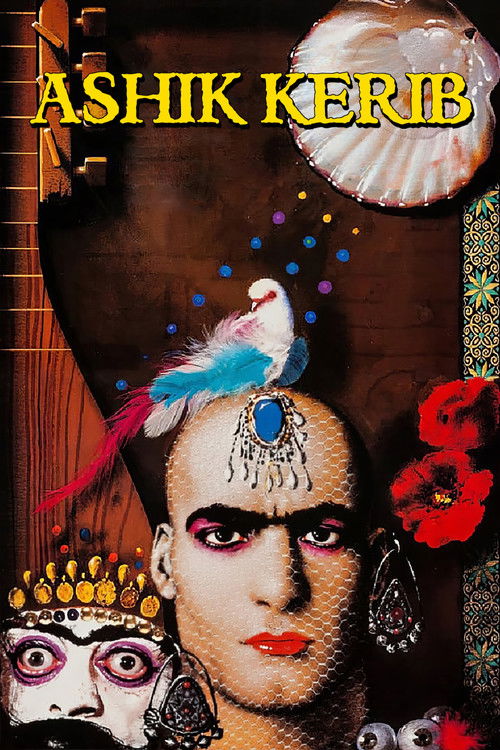
Wandering minstrel Ashik Kerib falls in love with a rich merchant's daughter, but is spurned by her father and forced to roam the world for a thousand and one nights. Now presumed dead by those he loves, he performs for the poor and unfortunate on his journeys through the wilderness. Parajanov's visually ravishing 'tableaux vivants' tell Lermontov's romantic tale while Turkish and Azerbaijani folk songs transport us into its mystical landscapes.
Ashik Kerib
A love story in which two brothers - naive officer Yuri and demonic lover Alexander - compete for the young married princess Vera.
Two Brothers
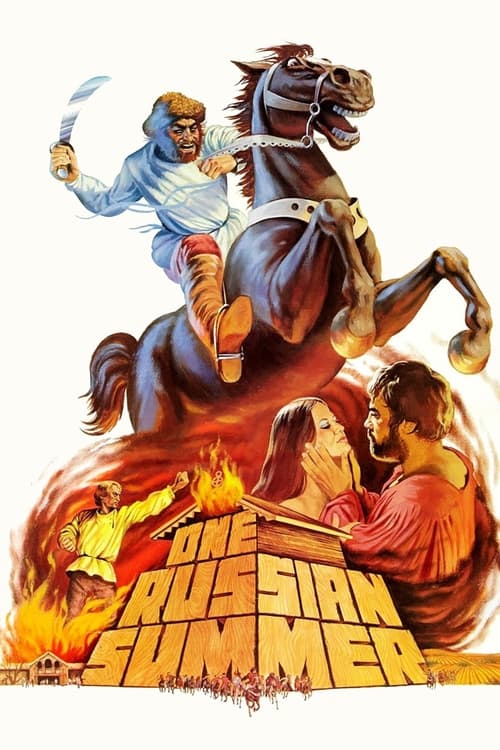
Based on Mikhail Lermontov's novel Vadim, this costume drama, set in Russia during the 1700s, chronicles the battle between a vengeful, anarchic peasant and the tyrannical landowner who killed his mother and father.
One Russian Summer

Pechorin, a young officer, embarks on a journey across the majestic mountains of the Caucasus, on a path set by his passionate encounters. Disillusioned and careless, he inflicts pain upon himself and the women around him… The story, based on the larger-than-life hero Pechorin, is adapted from Mikhail Lermontov’s literary masterpiece in three separate stories recounting his heartbreaking betrayals. Is Pechorin a real hero? Or is he a man like any other? This brand new production by choreographer Yuri Possokhov is a tragic poetic journey that can only be seen at the Bolshoi. Filmed live on April 9th 2017.
Bolshoi Ballet: A Hero of Our Time
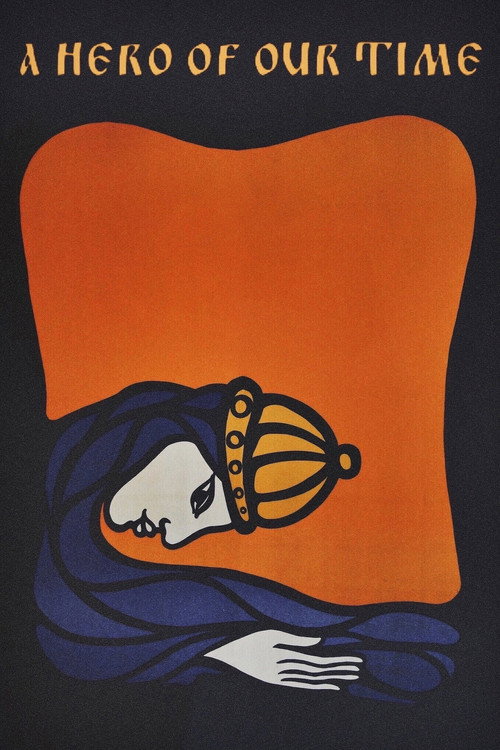
After the death of Bela, Pechorin was unwell for a long time, and then left the fortress and Maxim Maximych and left for Georgia. Since then, the headquarters captain had no news of his friend, often recalled and carefully carried his diaries in his wanderings. Five years have passed... Once at a post station near Vladikavkaz, Maxim Maximych with delight learns that Grigory Pechorin also came here. The long-awaited meeting brings an unbearable pain and bitterness of disappointment to the old warrior. In his hearts, he mercilessly parted with the travel notes of the ensign. And his random companion finds on the yellowed pages the story of the soul of an amazing, extraordinary person who brings misfortune to others all his life.
A Hero of Our Time
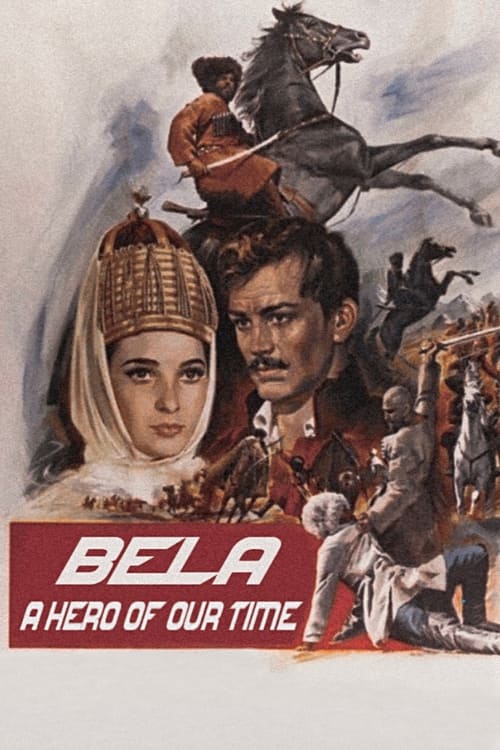
Russian officer Pechorin falls in love with Bela, the daughter of a local chieftain. By tricking her brother Azamat into abducting her, he calls upon himself the wrath of horseman Kazbich.
A Hero of Our Time: Bela
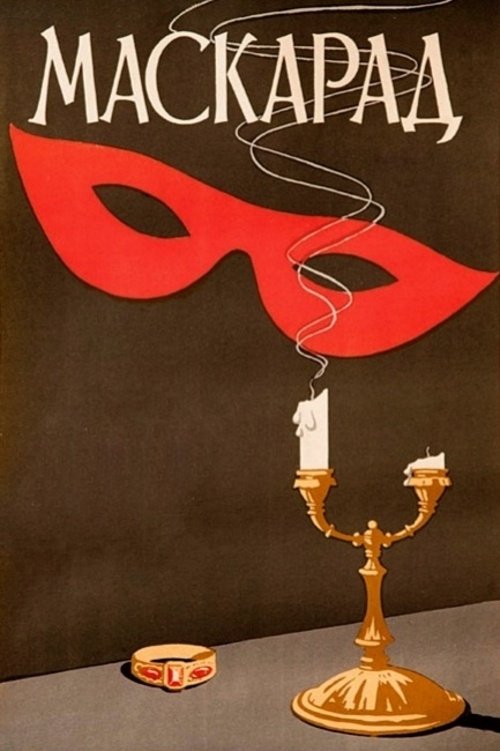
Taken from a Lermontov play, the story begins when beautiful Nina loses a bracelet during a masked ball. Another woman finds it and without revealing whose bracelet it belongs to, she gives it to an ardent Calvary officer admirer at the ball. This leads to deeper and deeper incisions upon the urbane social body of Tsarist Russia. A drama of pride, marital distrust, gambling, infidelity and humiliation twirls around the decaying corpse of a perverted social class.
Masquerade
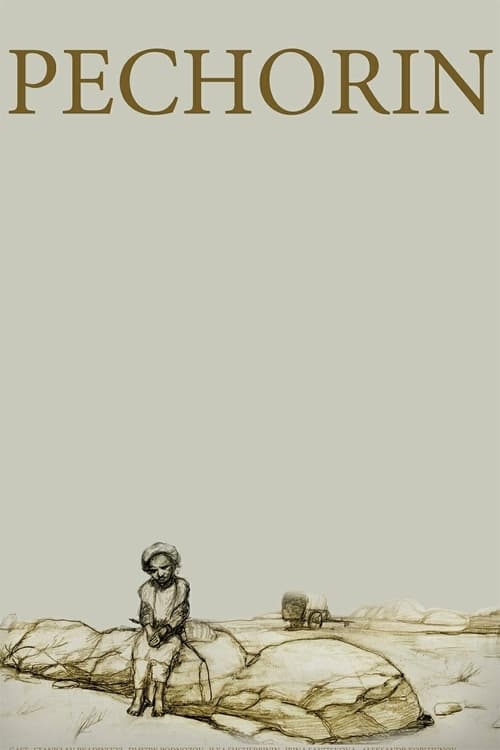
Based on the Russian classic novel. While maintaining all the main plot-lines of the novel, it follows the events not as they happen but as they are reflected in the mind of the dying hero. Thus make a chain of recollections about the life he had lived through, now seen as a series of irrevocable mistakes and interpreted anew: it is either reconsideration or repentance. Recollections make main hero torment himself over his own past pretenses that seem ridicules now agonize and despair over his perfect indifference to everything except himself, see the horrible aspect of killing his friend, a greenhorn and a show-off. The final action of an intelligent and outstanding man is judging oneself without mercy.
Pechorin
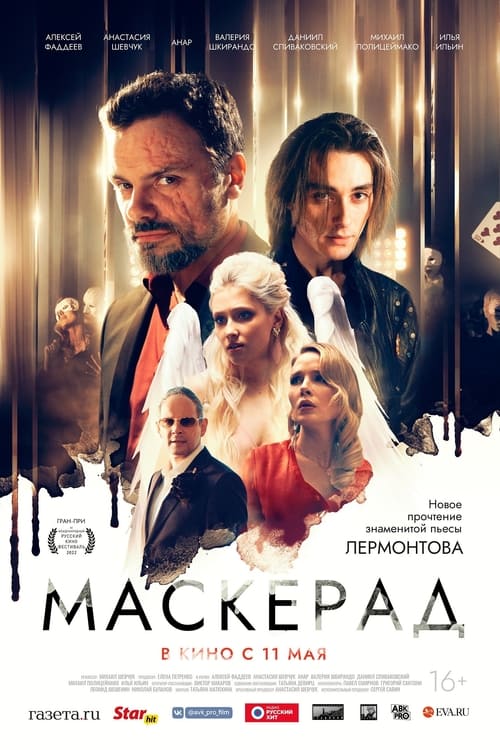
Screen adaptation of the play of the same name by Mikhail Yurievich Lermontov.
Maskerad
No description available.
Komtesa Mary
A poetic-psychological composition depicting the fate of an elderly man who succumbed to false social information, which drove him to a tragic act.
Maškaráda
No description available.
Maškaráda
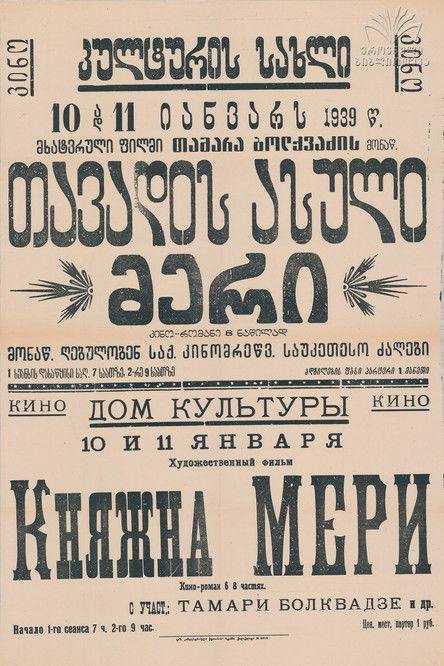
The boring daily life of the high society of Pyatigorsk in the XIX century is revived by the arrival of Pechorin from St. Petersburg. Pechorin’s love affair with Mary becomes the subject of controversy.
Duchess Mary
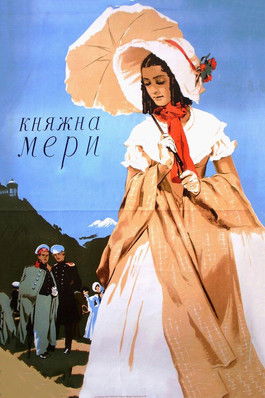
Screen adaptation of the chapter of the same name from Mikhail Lermontov's “A Hero of Our Time”. Pechorin, having learned about his friend Grushnitsky's passion for Princess Mary Ligovskaya, out of boredom and a desire to annoy the completely false cadet, falls in love with the girl. The film tells about the romantic story of Pechorin, whose reckless love game turns into a tragedy for himself - a man who clearly does not fit into the laws of the time in which fate has sentenced him to live...
Princess Mary
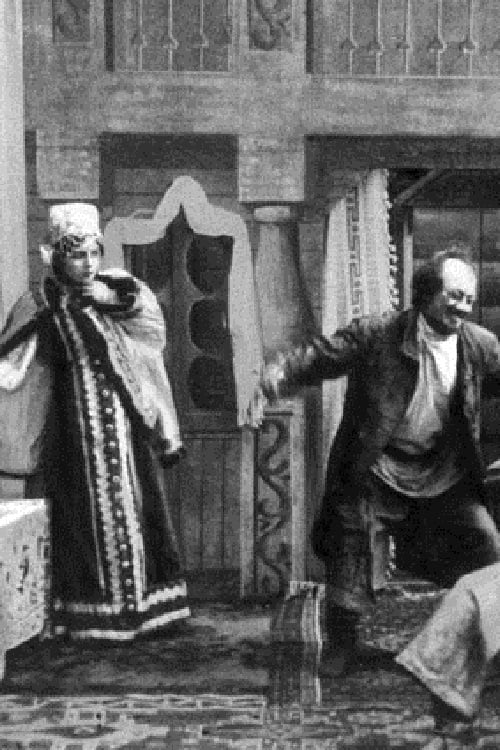
Based on Lermontov's poem of the same name, Boyar Orsha (Peter Chardynin) leaves the service of Ivan the Terrible.
Boyar Orsha
First film adaptation of the chapter “Bela” from Mikhail Lermontov’s A Hero of Our Time.