Jean Jourdheuil
Writing
Known For
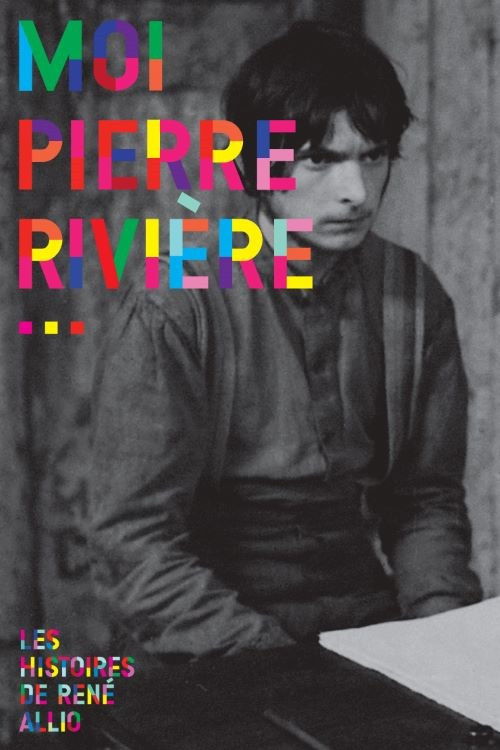
Based on documents compiled by leading French philosopher Michel Foucault, this unique and original film charts the gruesome events which took place in a Normandy village in 1835, when a young man, Pierre Rivière, murdered his mother, sister and brother before fleeing to the countryside. With a cast made up of real-life villagers from the area where the events took place, the detailed re-enactments and careful attention to the gestures of their ancestors serve to create an intense and sometimes disturbing atmosphere of hyper-realism. Details of the crime and of the trial that followed are told from varied perspectives, including the written confession of Pierre himself, and form a rich and complex narrative that interrogates the concepts of “truth” and “history”.
I, Pierre Rivière, Having Slaughtered My Mother, My Sister and My Brother…
1776. Simon Bertiny settles in Hérisson-sur-Allier to practice medicine. He quickly runs into the peasants of the region who refuse the help of a doctor and continue to take care of themselves. When Simon discovers that an epidemic is spreading in the village, he tries to help the villagers fight against the disease.
Un médecin des lumières
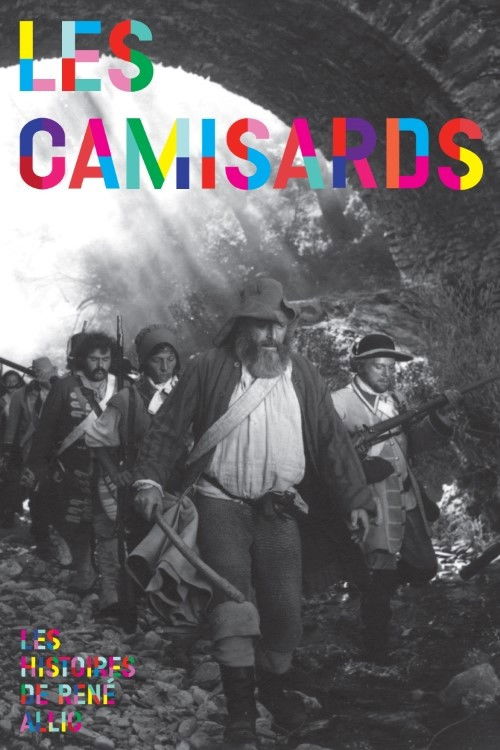
A few years after the revocation of theEdict of Nantes, the Camisards, Protestants from the Cévennes region, mostly peasants and silk workers, formed groups following Gédéon Laporte and fought Louis XIV's dragoons.
The French Calvinists
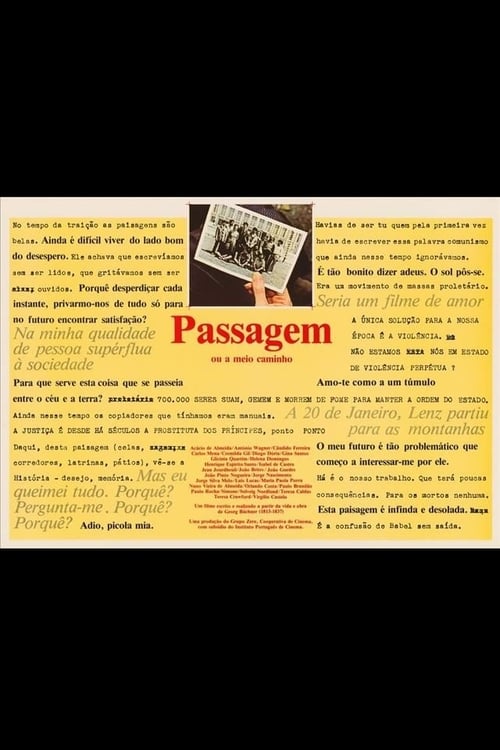
Ambulatory history, freely inspired by Georg Büchner's biography (1813-37) and the reasons that led him first to political intervention and then to strict isolation. With students of unidentified present time (1968? 1970?), the themes developed, in Büchner, are triggered by the publication of "The Messenger of Hesse", a pamphlet addressed to the peasants, urging them to revolt. Their misunderstanding, as well as the repression of the young revolutionaries, leads Büchner to a particularly skeptical and painful attitude...
Passagem ou a Meio Caminho
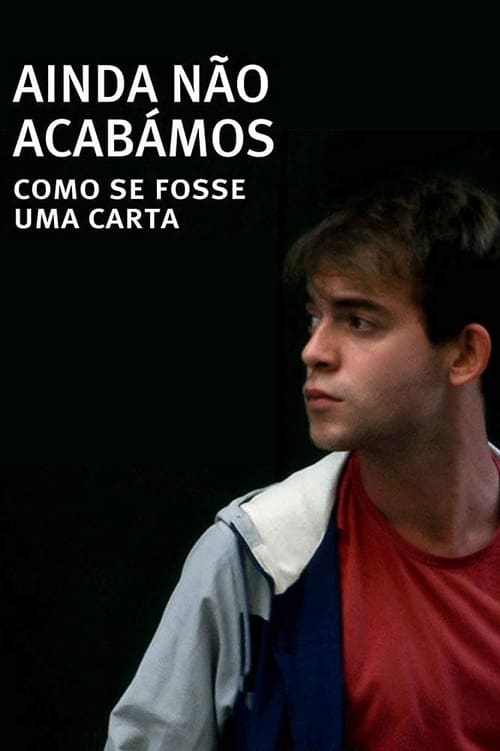
A walk for half a century, yes, a letter perhaps. Travels in my life, I could call it, which I like Garrett so much. A traveling as he would like, a loose story, memories, projects, meetings. Also because, since 1995, I have done several portraits of artists (Palolo, Bravo, Lapa, Skapinakis, Bartolomeu, Angelo, Sena, Ana Vieira and I prepare Sofia Areal and Fernando Lemos), I started to think that this is my life, these meetings , see, hear, cut, show, tease. I want, with this film continue to show what I see. [Jorge Silva Melo]
Ainda Não Acabámos: Como Se Fosse Uma Carta
This film not only illuminates Heiner Müller's life and works, it is more about questioning the "Sphinx" of the East and its saying about the loss of utopias and examining whether Heiner Müller's texts, as he himself said, were messages in a bottle for the future or not.
Ich will nicht wissen, wer ich bin - Heiner Müller
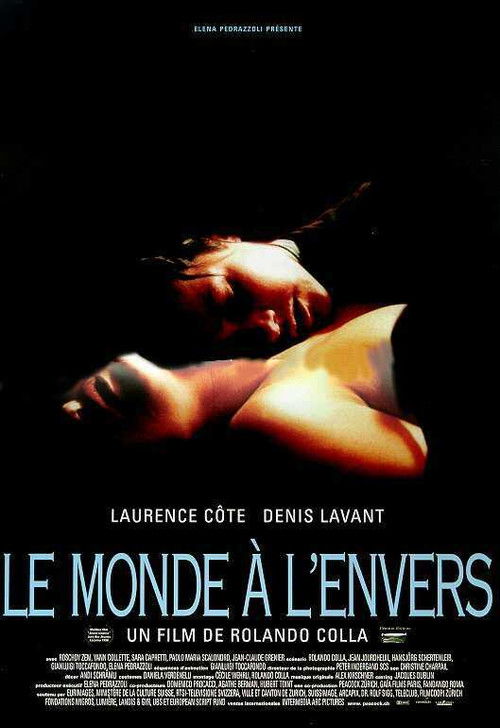
Rolando Colla made his directorial debut with this Swiss-French-Italian period drama about a Breton woman who disguises herself as a man to join a ship's crew during the 18th century. Rebellious 24-year-old Anne Bruneau is abandoned at the altar by her fiancé Yann. Unaware that Yann was drunk and fell down a well, Anne reacts to his absence by cutting her hair, dressing like a man, and signing on with a ship captained by a dwarf. When Yann learns what happened, he begins running south to Marseilles to rejoin her. Aboard the ship, Anne's disguise is discovered by the captain and the ship's doctor. With an Arab, she jumps ship, hiding with hookers in Marseilles while still maintaining her disguise.
Le monde à l'envers
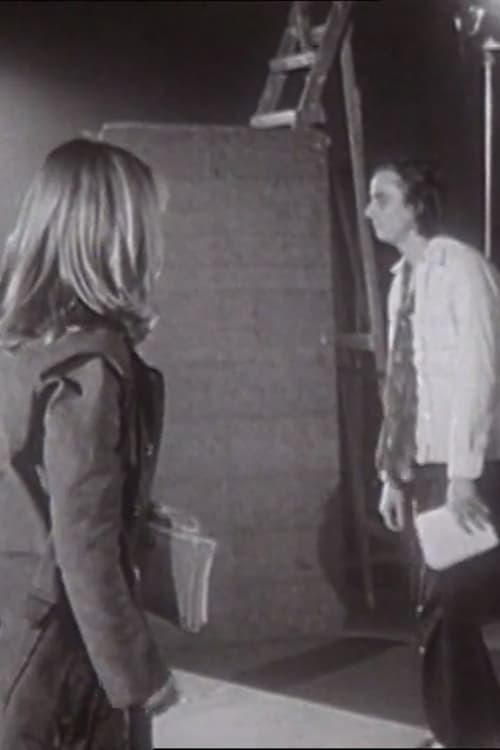
We follow the rehearsals and the staging work of Bertold Brecht's play 'Dans la jungle des villes' in 1972 by the company Théâtre de l'Espérance. The three directors: Jean-Pierre Vincent, Jean Jourdheuil and André Engel discuss their joint work of staging and their vision of the play. Interviews with the actors (Gérard Desarthe, Maurice Bénichou, Hélène Vincent), whom we follow at different stages of the work (source: Média Scérén). The film was screened for the 1973 Directors' Fortnight, at the Cannes Festival.
Travail du comédien
No description available.