Hans Cürlis
Writing
Biography
Hans Cürlis filmed Kandinsky, Grosz, Pechstein, Dix, Kollwitz, Liebermann, and Calder at work, many years before Paul Hasaert’s Visite à Picasso. Cürlis had studed with Wölflin and had written his thesis on Dürer. In 1919 he established the Institut für Kulturforschung, "the first German scientific institution which consciously selected the cinema as a form of expression through the results of its own work" (Cürlis, 1929). That he is not considering simply a form of documentation is demonstrated by the fact that among his first collaborators can be listed animation and silhouette artists such as Bartosch, Carl Koch, Lotte Reiniger, and Toni Rabold. After a film on African sculpture and a number of geographical documentaries, in 1922 he began the series Schaffende Hände: short films not "on art" so much as the physical process of the creation of a work of art turned into cinema.
Known For
No description available.
German Film Award
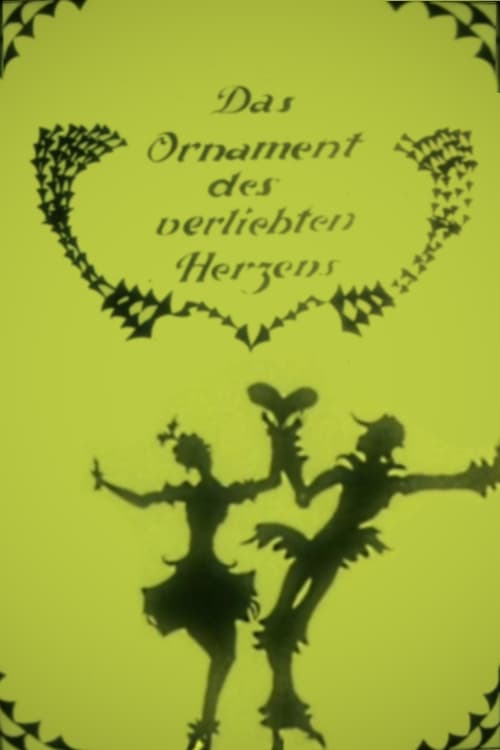
The first film directed by influential German-born silhouette animator Lotte Reiniger is delightfully reminiscent of a Valentine’s Day card come to life. Two lovers interact with an ornate background that shifts and changes in tandem with their own balletic movements as they express their feelings for each other.
The Ornament of the Lovestruck Heart
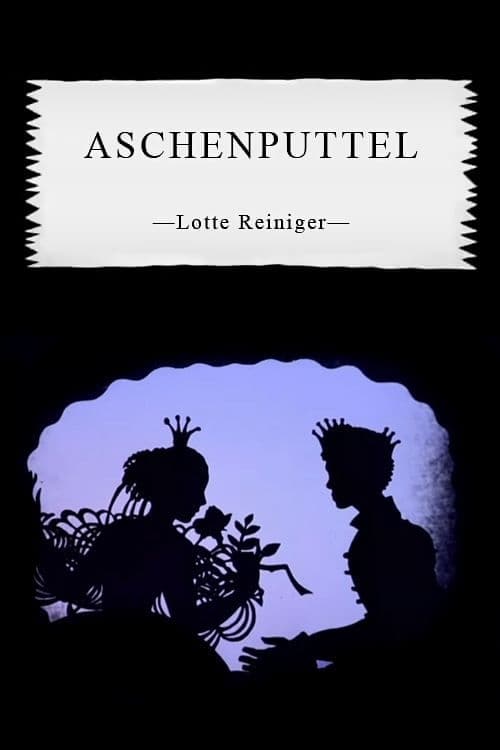
Lotte Reiniger's interpretation of Grimm's recorded version of Aschenputtel (Cinderella) from 1922.
Cinderella
“A film made to illustrate the changing scenery, architecture, garments and face of the Danube Bank.” - BFI.
The Lower Danube
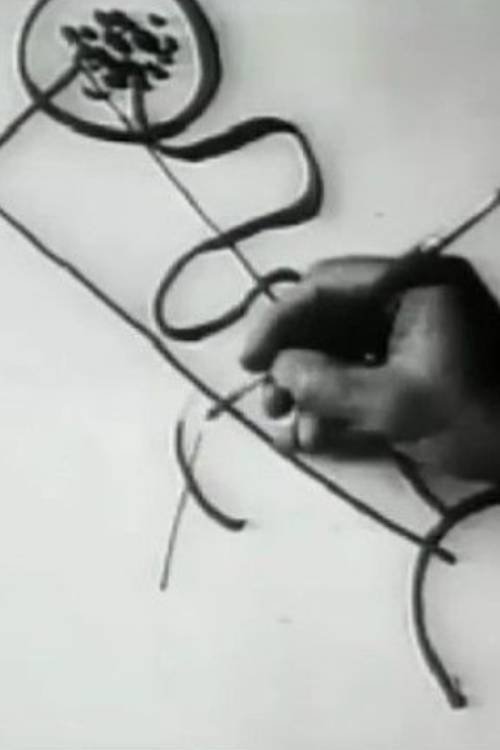
Hans Cürlis films Kandinsky at work.
Schaffende Hände: Wassily Kandinsky in der Galerie Neumann-Nierendorf
No description available.
Bach - Mozart - Beethoven
In the best films of Hans Cürlis the acts of filming and painting coincide. The portrait of a portraitist. Max Oppenheimer (Mopp; 1885-1954) was a well-known portraitist and painter of musicians and orchestras. In this case he paints the portrait of Heinrich Mann, while Cürlis portrays Heinrich Mann as he is being portrayed by Mopp and Mopp as he is portraying Heinrich Mann. Thus the "Schaffende Hände" — Creative Hands — are both those of the painter and those of the film director Cürlis: these are hand-made films.
Schaffende Hände: Max Oppenheimer
One of the earliest post-war German productions to warn of the deadly dangers of typhus.
Fleckfieber droht!
No description available.
Geheimnisse der Mumien
A guide to vegetable self-sufficiency in postwar Germany.
Vitamins in the Street
Using trick cards, animations, graphics, and numerous statistics, the film attempts to prove that the economy of a major industrial nation like Germany is existentially dependent on raw materials from the colonies. It also tries to historically legitimize colonial possessions, from the Phoenicians to German colonies. Colonies, according to the central message, ensure the circulation of goods and commodities, increase national wealth, and ease Germany's burden of the reparations payments imposed upon it by the Treaty of Versailles.
Die Weltgeschichte als Kolonialgeschichte
Captures Alexander Calder at work on a wire model.
Alexander Calder
Hans Cürlis films George Grosz at work.
Schaffende Hände: George Grosz
Hans Cürlis films Lovis Corinth at work. "In the physical act of applying the colour spots, Corinth discovered something: drama, tempo; things were processes, in the technical sense also, which were brought together in the unity of expression" (Carl Einstein). Cürlis makes this visible.
Schaffende Hände: Lovis Corinth
A German Film Award Silver Bowl winning short documentary.
Drei Meister schneiden in Holz
Winner of Best Arts and Science Film at the 1st Berlin Film Festival
Der Film entdeckte Kunstwerke indianischer Vorzeit
A study of the artist at work.
Alceo Dossena
A film commissioned by the Documentary Film Unit of the OMGUS.
Schwarz - Weiß - Gelb
In 1929, the German Book Traders’ Association declared 22 March, the anniversary of Goethe’s death, the “Day of the Book”. To boost general awareness of the date, the politically versatile educational filmmaker Hans Cürlis was commissioned to produce this silent signature spot. Through cross-fades, the imagined worlds of a variety of readers – young or old, workers or intellectuals – merge with the stylised realities of their lives.