
Takeshi Murata
Directing
Biography
Takeshi Murata (b. 1974) is an American contemporary artist who creates digital media artworks using video and computer animation techniques. “The decision to focus on animation came naturally. I've always loved cartoons, and when I finally saw experimental animation, and what independent artists were making outside of the studio system, I knew it’s what I wanted to do.” In 2007 he had a solo exhibition, Black Box: Takeshi Murata, at the Hirshhorn Museum and Sculpture Garden in Washington, D.C. His 2006 work 'Pink Dot' is in the Hirshhorn's permanent collection, and his 2005 work 'Monster Movie' is in the permanent collection of the Smithsonian American Art Museum. His 2013 short film 'OM Rider' was selected to screen as an animated short film at the 2015 Sundance Film Festival. Key works completed by Murata in the mid-2000s exploited the introduction of distortions to previously recorded videos, a practice commonly found in glitch art. A 2009 article in Artforum about Murata's art noted that "the artificial palette, flashing lights, abstract patterns, and coarsely pixelated texture of Pink Dot and other works by Murata locate him in the tradition of electronic animation pioneered by John Whitney and Lillian Schwartz. But while his predecessors were testing the computer's ability to replicate the cinematic illusion of movement, Murata uses the tools of consumer-level film-editing software to undo that illusion, with trails of pixel dust tracking the changing positions of the image from frame to frame."
Known For
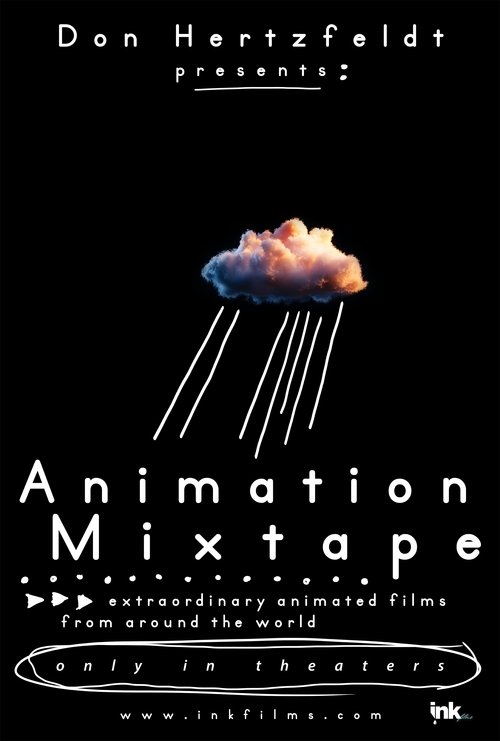
A collection of extraordinary animated short films from around the world, curated by Don Hertzfeldt. Released exclusively to movie theaters to support independent animators, the program includes “Martyr’s Guidebook”, “Zoon”, “The Hill Farm”, “I Am Alone and My Head is On Fire”, “Wednesday with Goddard”, “Jesus 2”, “The Big Snit”, “Untitled Line Drawings” (never-before-seen work by Bruce Bickford), and more.
Animation Mixtape
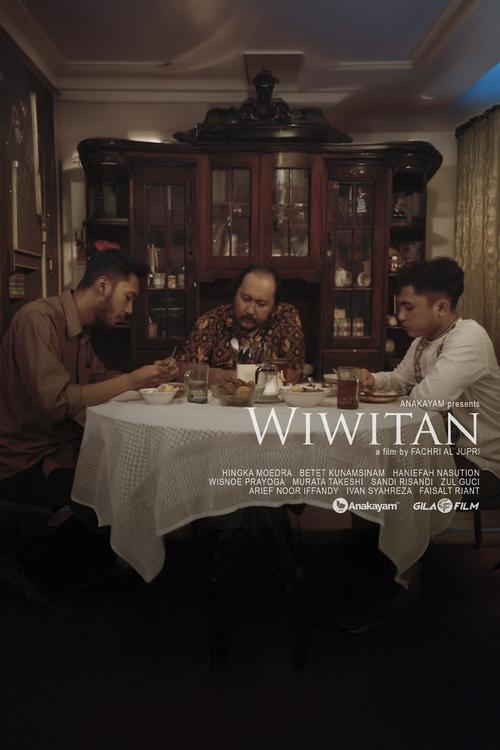
Asep is young religious Sundanese Moslem man. He lives with his father who still works as a shaman in his village. When his father accepts more people who need spiritual, a mysterious man appears in Asep’s dreams.
Wiwitan
A film by Takeshi Murata
Homestead Grays
30 minute loop of a rotation around 3d images.
Street Trash
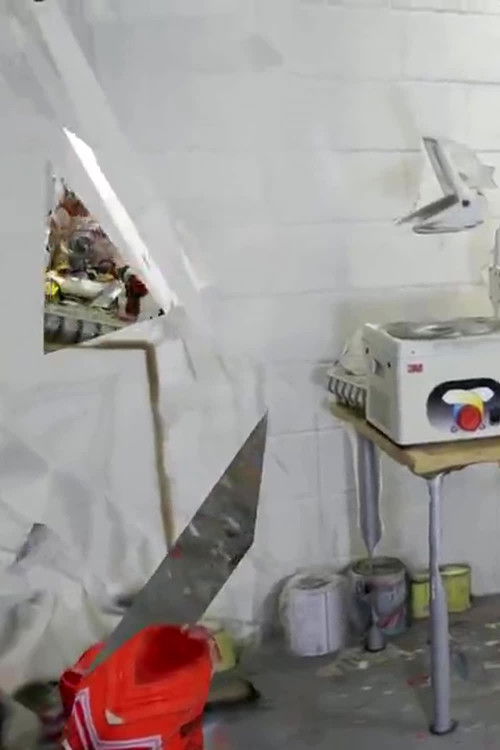
In Takeshi Murata's video, in collaboration with Billy Grant, computer generated scans are utilized to recreate his every day environment in high tech 3D. The video starts in his studio, where his computer, desk and chair are “haunted” - dissolving and reforming in a myriad of mirrored shapes, going from recognizable to abstract to obliterated. The scans blend with Murata’s own computer rendered fragments, further emphasizing the high and low, real and unreal. The result can be seen as an homage to both Walt Disney’s The Sorcerer’s Apprentice and Bruce Nauman’s Mapping the Studio.
Night Moves
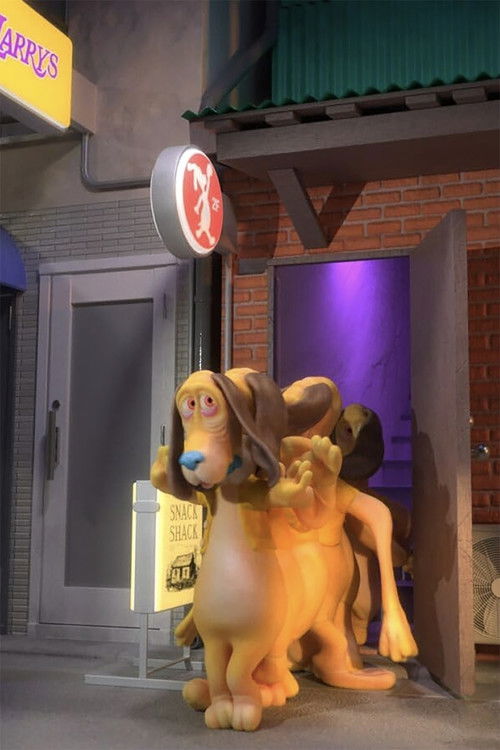
Takeshi Murata and Christopher Rutledge continue their playful investigation of both the sharp-edged hyperrealism of commercial CGI and its oozing, anarchic breakdown in Larry, which propels its titular character—a droopy-eyed canine baller—through a series of increasingly bizarre and messy loops. Set to a soundtrack of maxed-out electronic rhythms, these vignettes form a ludic study in morphology and motion, as its pooch protagonist continually vaults, multiplies, gets buckets, and dissolves into digital goo.
Larry
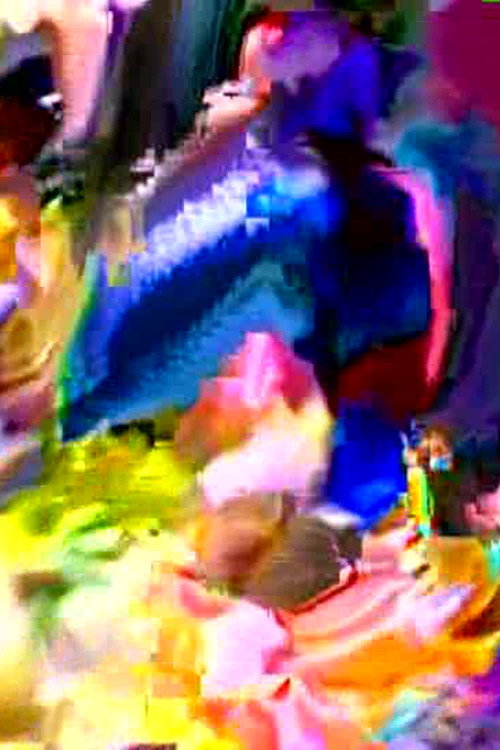
In Monster Movie Murata employs an exacting frame-by-frame technique to turn a bit of B-movie footage (from the 1981 film Caveman) into a seething, fragmented morass of color and shape that decomposes and reconstitutes itself thirty times per second.
Monster Movie
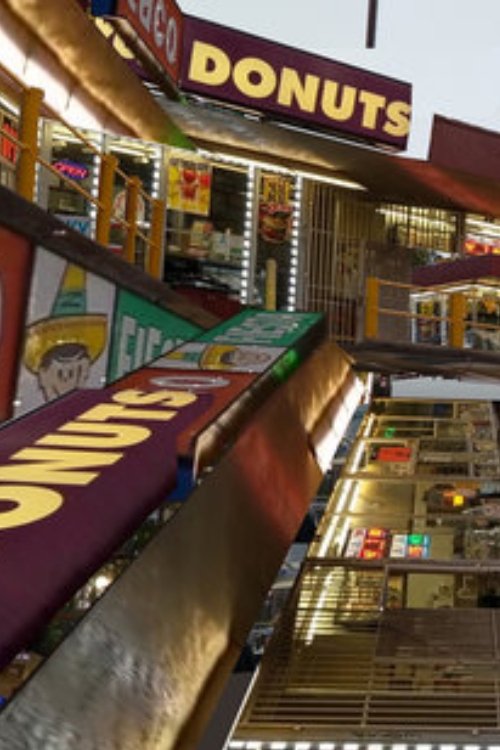
A strip mall becomes a cosmic fractal.
Donuts
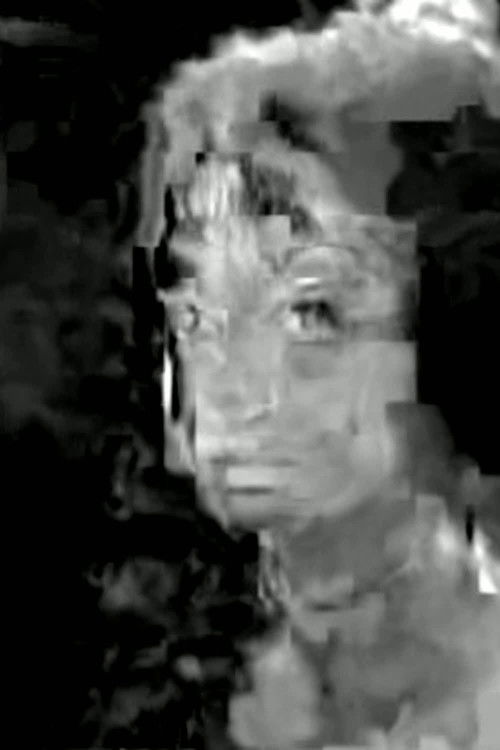
In Silver, Murata subjects a snippet of footage from a vintage horror movie (Mario Bava's 1960 film 'Mask of Satan', featuring Barbara Steele) — to his exacting yet almost violent digital manipulations. The seething black and white imagery constantly decomposes and reconstitutes itself, slipping seductively between abstraction and recognition.
Silver
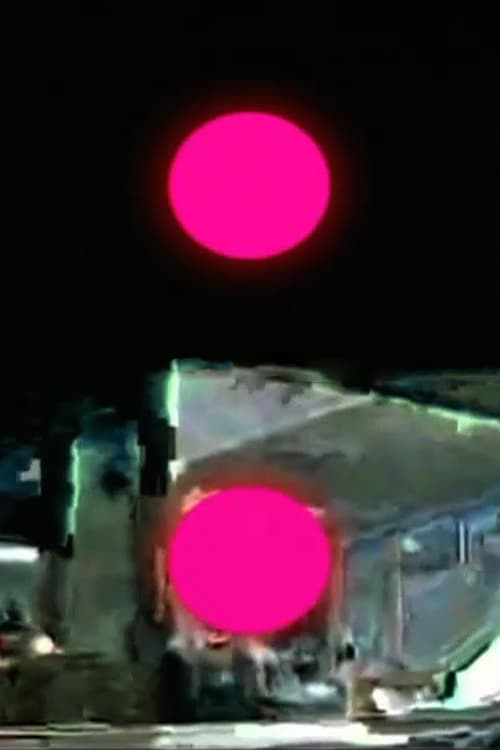
In Untitled (Pink Dot), Murata transforms footage from the Sylvester Stallone film First Blood (1982) into a morass of seething electronic abstraction. Subjected to Murata's meticulous digital reprocessing, the action scenes decompose and are subsumed into an almost palpable, cascading digital sludge, presided over by a hypnotically pulsating pink dot.
Untitled (Pink Dot)
With this abstract digital video, Murata presents viewers with a field of seething colors and line, within which a suggestive, Rorschach-like formation manages to retain its structure even as it is in a constant state of flux. The mesmerizing tableau that results is accompanied by a cyclical, dronelike sound track.
Cone Eater
Melter finds Murata applying his deft touch with image-making software to questions of fluidity. Exploring formal tropes of melting, rippling, and bubbling, Murata's abstract experiment in hypnotic perception is at once organic and totally digital.
Melter 2
Infinity Doors draws on the determined staying power and unremitting stimulation of prize-oriented game show culture. Utilizing clips from The Price is Right, Murata edits a kinetic series of prize unveils. Unrelenting audience applause and an excessively animated announcer make the clip at once comical and peculiar. The superfluity of reward and overload of visual cues become absurd in their excess and begin to smother the very excitement they are meant to induce.
Infinite Doors
A film by Takeshi Murata
I, Popeye
In OM Rider, Takeshi Murata deftly weaves the aesthetics of retro-noir, video games, and Italian giallo film into a cinematic exercise in cool, narrative minimalism and distilled rebellion.
OM Rider
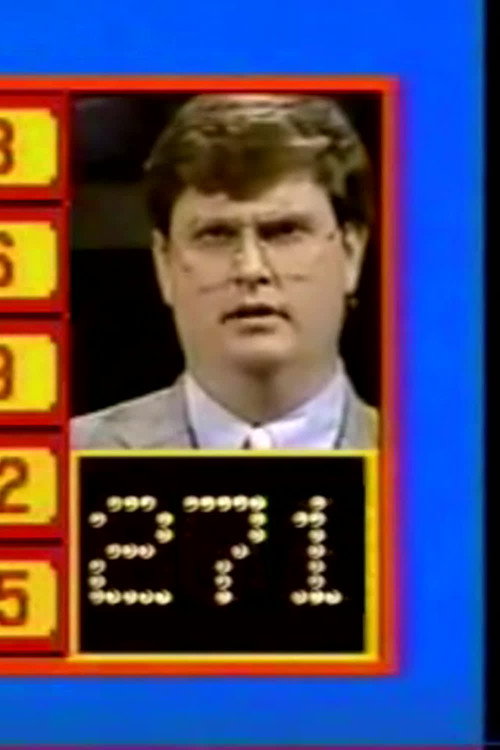
Rhythmically departed from Murata's usual assertive cadence, No Match employs footage from the 1980's game show, Classic Match. The seamless loop of an unyielding contestant's ineptness solidifies as an almost cruel experiment, as the stretched time limit imprisons him in a fruitless guessing game. As 1000 seconds tick off the clock, our relationship towards the disembodied head of the contender shifts from sympathetic support to uncomfortable pity. One cannot help but wonder if this humiliating effort is really worth the grand prize at stake.
No Match
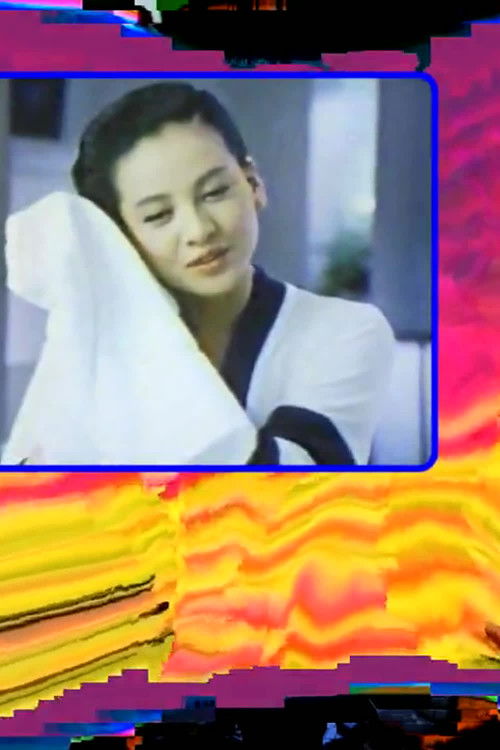
In this animated video Shiboogi, American artist Takeshi Murata transforms TV commercials from the 1980s that he had discovered by chance in a record store in Japan. Just as commercials pop up on television screens for 30 seconds and then fade from memory, the imagery used by Murata pixelates and melts into a colorful digital sea. Takeshi Murata produces extraordinary digital works that build upon the experience of animation. His innovative practice and processes range from intricate computer-aided, hand-drawn animations to manipulating the flaws, defects and broken code in digital video technology. He alters appropriated footage from vintage horror films, commercials and movies, and creates fields of color, form and motion, redefining the boundaries between abstraction and recognition.
Shiboogi
Graduate film by Takeshi Murata.
Made in the Shade
In Timewarp Experiment, Murata applies a simple temporal manipulation to a piece of found footage, to uncanny effect. Digitally slowing the opening credit sequence from the 1970s' TV sitcom Three's Company, Murata creates a strange, hypnotic flow of movements and arrested gestures that unfold in unnatural time.
Timewarp Experiment
A film by Takeshi Murata