Clemens Unterreiner
Acting
Biography
studies with Hilde Rössel-Majdan, Gottfried Hornik, Helena Lazarska and Wicus Slabbert. Numerous national and international opera and operetta productions as well as lied evenings, oratories and church concerts. Guest soloist in the Große Saal of the Wiener Musikverein, at the Wiener Konzerthaus, Palau de la Musica and other international concert halls. Member of the ensemble of the Wiener Staatsoper since 2005, where Clemens Unterreiner for example sang Sharpless, Faninal, Donner, Harlekin, Melot, Brétigny, Schtschelkalow, Oberpriester des Apollon (Alceste), Happy (La fanciulla del West), Musiklehrer (Ariadne auf Naxos), Schaunard. Also as guest soloist at the Volksoper Wien he very successfully performed as Papageno or Sharpless. Further engagements led him to the New York Carnegie Hall, the Royal Opera House Copenhagen, to the Strasbourgh Opera, the Salzburger Festspiele, Opera de Nice, Linzer Landestheater, the Oper Chur, the Sommerfestspiele Heidenheim as well as to the Richard Wagner Festival Budapest. http://www.wiener-staatsoper.at/Content.Node/home/kuenstler/saengerinnen/Unterreiner.en.php
Known For

No description available.
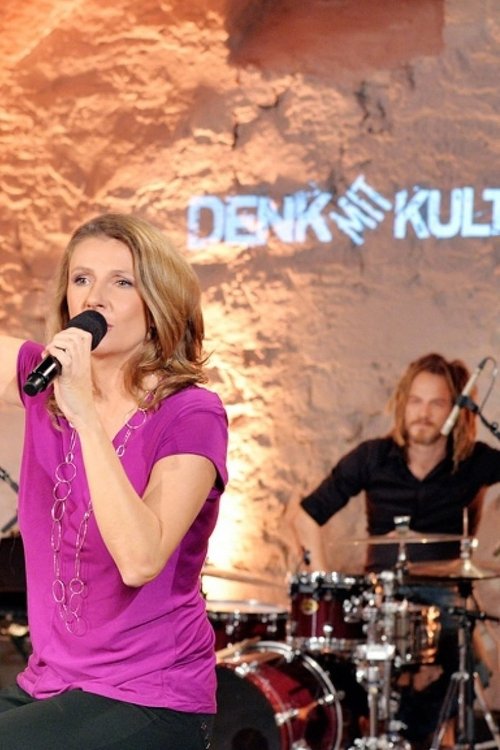
DENK mit KULTUR

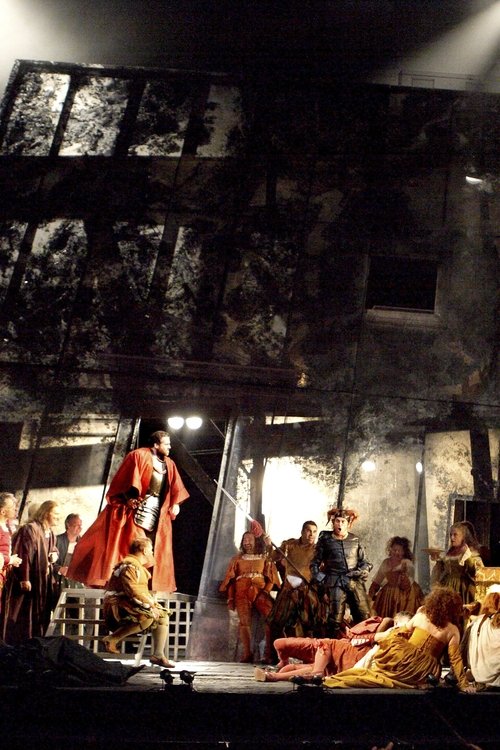
An outsider—a hunchbacked jester—struggles to balance the dueling elements of beauty and evil that exist in his life.
Rigoletto

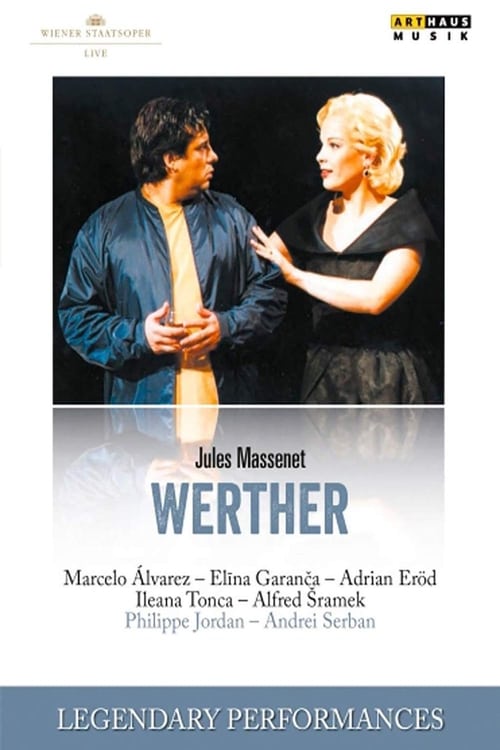
The production was the Vienna State Opera debut for the young Swiss conductor Philippe Jordan – the Argentinian tenor Marcelo Álvarez, took the title role. His Charlotte on this occasion was the young Latvian mezzo-soprano Elīna Garanča. Her performances have been enthusiastically received and she has already been labelled as the new mezzo wonder. Staged by internationally sought-after Rumanian director, Andrei Serban, the apparently sentimental love story – normally presented in 18th century period costumes - reveals a study of personal relationships and a close observation of a woman, who comes of age too late. Serban’s aim was to rid the opera of the unjustified reputation of banality that clings to it despite its underlying tragic mood. By setting the production in the stiff, claustrophobic atmosphere of a small town in the 1950s, he aimed to make the audience more aware of its deeper levels of self-denial.
Werther
"This is Vienna State Opera live at home". January 2015.
Pique Dame

The young composer Max is due to marry Agathe, but before his wedding he must finish his opera on which he has been working for quite some time. Despite all his efforts, Max is plagued by worries that he will fail to complete the piece and so makes almost no progress. Visions and hallucinations haunt him, the boundaries between dream and reality seem to blur and overlap. Caspar tries to persuade him finally to give in to the hidden and dark creative powers within him and so overcome his inability to write; Caspar’s efforts are finally rewarded.