Andrzej Kowalczyk
Art
Known For

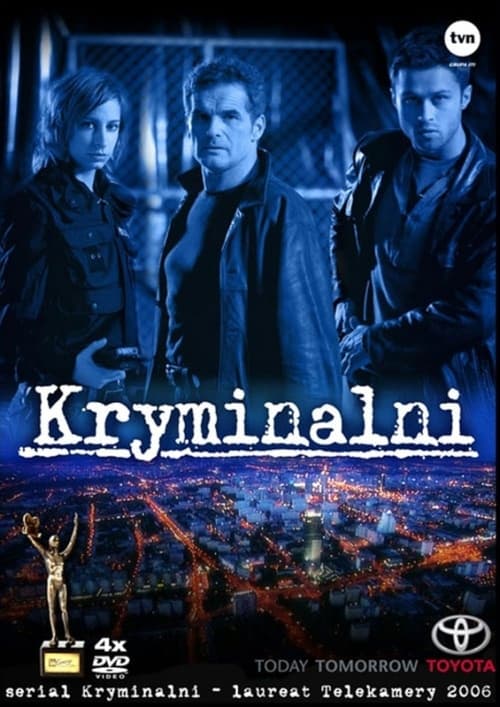
Kryminalni was a Polish crime drama television series that aired on TVN network from September 18, 2004 until May 24, 2008. It ran for 8 seasons and 101 episodes were broadcast in total. It was created by Polish director and screenwriter Piotr Wereśniak and produced by MTL Maxfilm studio. The series followed life and work of police officers from the elite Criminal Terror and Murders Division of the Warsaw Metropolitan Police; the title refers to police officers in the crime section. The three main characters were Adam Zawada, an experienced, tough cup, his younger colleague Marek Brodecki and Barbara Storosz, an ambitious female officer who in the first season joins the team just after graduating. Although none of the main actors had had star status before the series debuted, all three of them rose to prominence and popularity during the 5-year-long run. Many of Poland's best known actors guest starred, usually playing roles of people involved in just one particular investigation. The serial was one of the most popular in Poland: each week it had an audience of 4 million.
Kryminalni

The dark world of crime: murders, racketeering, drugs, kidnappings. There are no rules here. Working in this world makes cops cynical and ruthless. There is a fine line between them and criminals - will any of them cross it? The main characters are officers from the Department for Counteracting Criminal Terror and Homicides. The action of the series is an extension of the threads that appear in the feature film. It presents in a realistic way the brutal and dark world of crime that officers encounter on a daily basis. They're not just tracking down murderers. They fight racketeering, kidnapping, drug trafficking while struggling with their own day to day life and problems.
Pitbull

The story stretches from 1863 to 1945. Its main characters are representatives of the Pasternik family, who live in the fictional village of Wielowice near Pszczyna. The protagonist of the first three episodes is Franciszek Pasternik, the following parts tell about the fate of his many children and even more grandchildren. The viewer follows their history against the backdrop of great changes and historical events that influenced the lives of Silesian Poles. So there is the Kulturkampf, Prussian rugi, the revolution of 1905, World War I and the Silesian Uprisings.
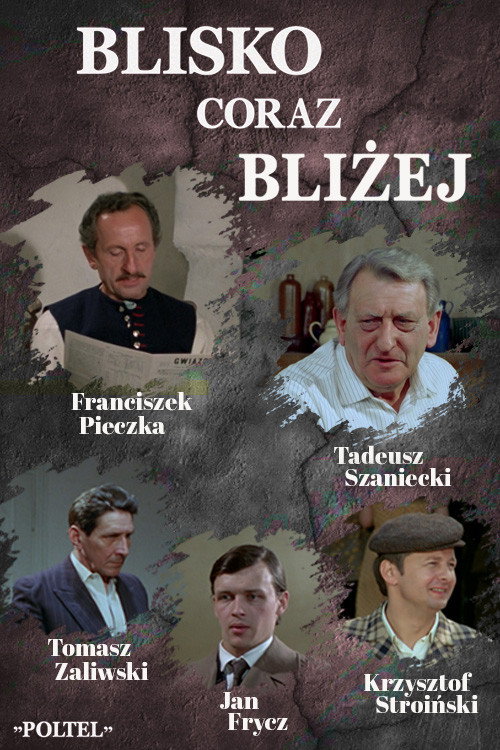
Blisko, coraz bliżej

The series evokes the events of 1900-35 - from the reign of Emperor Wilhelm II, through World War I, the birth of the Independent Poland, the Silesian Uprisings, to the increasingly turbulent period of the rising tide of fascism. The action takes place mainly in the palace of the Dukes of Pszczyna, where the last great descendant of the von Teuss family resides. Prince Hans Fredrich marries the beautiful Englishwoman, Princess Daisy, and has three sons with her. Their fate, the choice of completely different life paths and even different nationalities reflect the enormously complicated mutual relations between the Polish and German elements in the border areas.
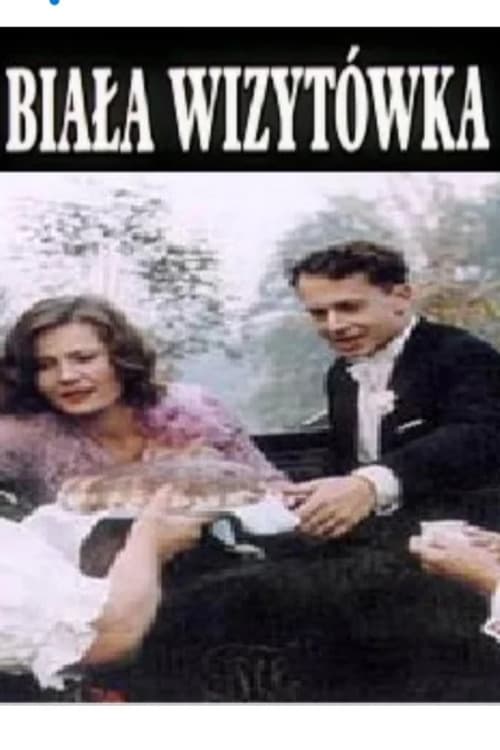
Biała wizytówka

This Polish historical drama film traces the fascinating saga of a wealthy, princely Polish dynasty in years 1900-1935.
The Magnate

The film is based on the well-known, translated into many languages novel of writer Pawel Huelle. It is imbued with nostalgia and the atmosphere of mystery story of a group of children, fascinated by the figure of a man named David Weiser.
Weiser

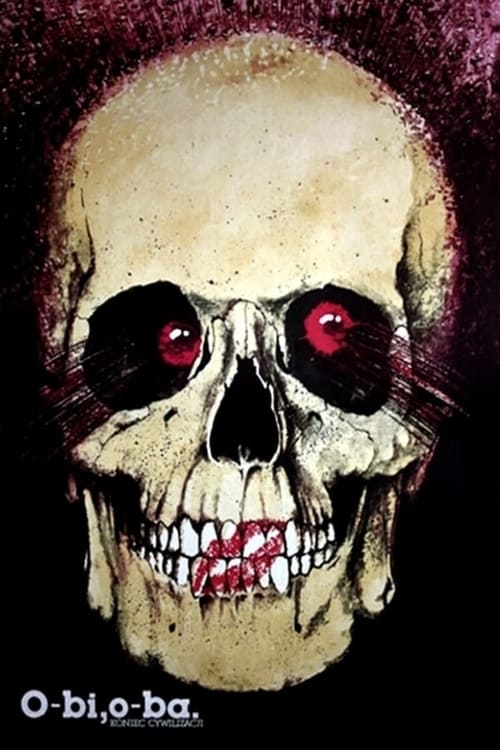
The world has been ravaged by nuclear war. The planet is frozen and radiation kills anyone or anything that ventures outside of 'The Dome'. Soft is a shepherd for the last remnants of humanity who have gathered together as they await rescue from a mysterious craft known only as 'The Ark.' He wanders among the masses, performing his regular daily tasks; keeping morale from plummeting, wooing prostitutes, squashing rebellions, and sometimes feeding the hungry. But as the true and sinister nature of 'The Dome' comes to light, Soft must ask himself if humanity is worth saving...
O-Bi, O-Ba: The End of Civilization

Set at the turn of the century it presents a story of a famous Polish athlete, Zbyszko Cyganiewicz. It begins in a small town where a traveling circus attracts a shy boy into a phony wrestling game to please the crowds. The youth, however, takes his strength seriously, eventually defeating a name wrestler in a fair match. Angered circus manager fires him; he leaves happily due to two wrestler brothers who were harassing him. The wrestler goes on to fame, performing in the world's top arenas, and one day is serenaded by a tenor from the crowd. Fame brings him women and admirers but he is uncompromising on his profession. He has his revenge on one of his tormentors defeating him in the ring. One day, attending a game in a tuxedo, he is challenged by another of the brothers and drawn into a brutal game, in course of which he kills his opponent. Thus his career ends.
Aria for an Athlete

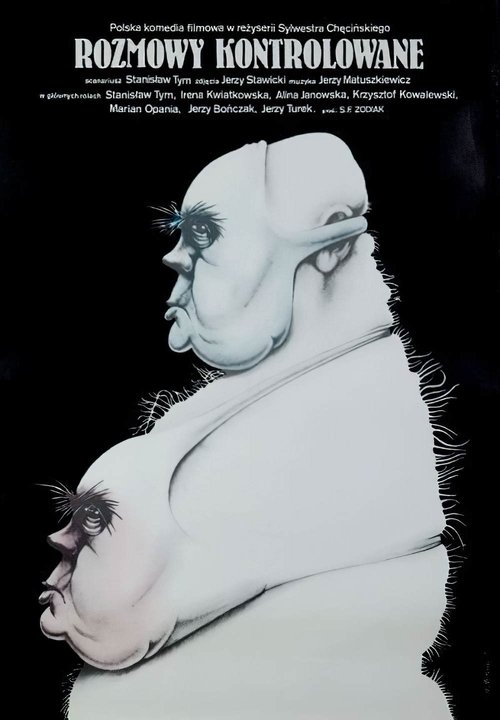
Ryszard Ochódzki receives a special assignment for UB - infiltrating the "Solidarity" party branch in Suwałki. His arriving there coincides with the imposition of martial law on Poland.
Controlled Conversations

Despite the anti-Semitic campaign launched by the Polish People's Government in the late 1960s, director Jerzy Hoffman finishes working on the film Pan Wołodyjowski. It becomes the ticket to the production of Potop, the most expensive film in the history of Polish cinematography. During his work, the director not only has to deal with mounting production problems, the distrust of the People's Government, but also with the expectations of millions of Poles.
The Deluge: Postscriptum

Żagota lost his fortune, family and friends. His only hope is a horse which got stolen.
Beniamiszek

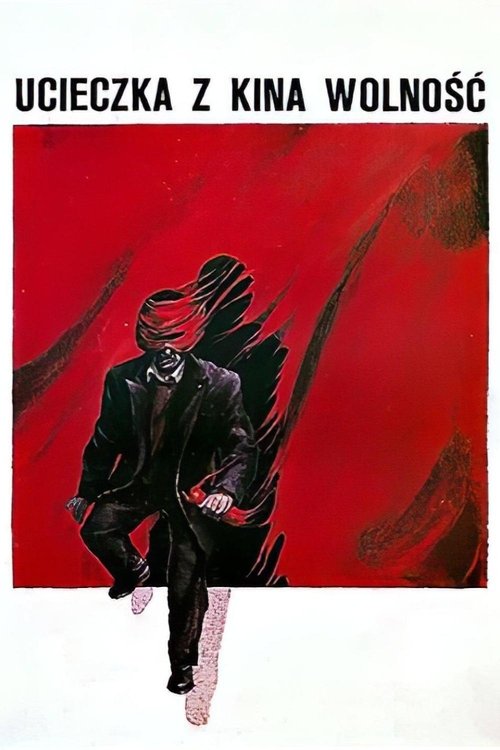
The screening of a movie "Daybreak" at the "Liberty" Cinema is interrupted by an unusual event - actors come to life on the screen, start conversations among themselves, draw the audience into them. Crowds gather around the cinema, the relevant authorities and services wonder what to do in this complicated situation. Also arriving is the censor, a man reaching his fifties, a one-time literary critic and journalist. The line between fiction and reality begins to blur.
Escape from the Liberty Cinema

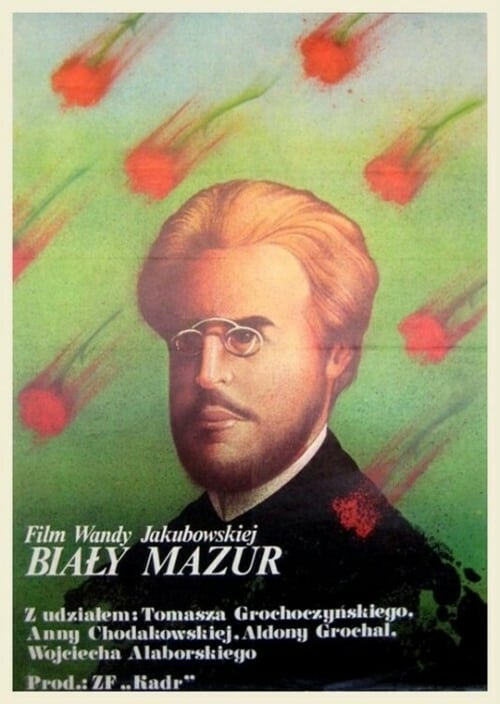
A film about the life and activities of the Polish revolutionary Ludwik Waryński. In his memoirs, Ludwik returns to his student years in St. Petersburg, to Warsaw, to Krakow, where he was arrested and put on trial. After the end of the process in Krakow, Waryński leaves for Geneva, where he meets with Russian revolutionaries. In 1881, he returned to his homeland and created the first party of workers in Poland...
The White Mazurka

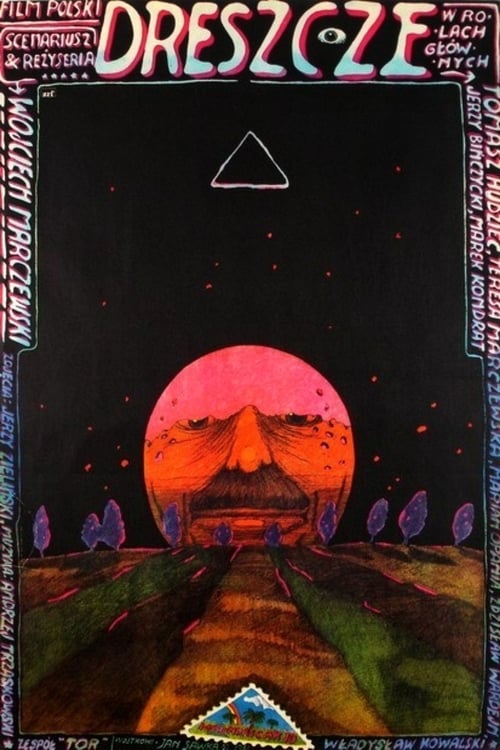
A boy comes of age under an oppressive, cruel socialist government and watches as it slowly but surely distorts his family, his school and even his own thoughts.
Shivers

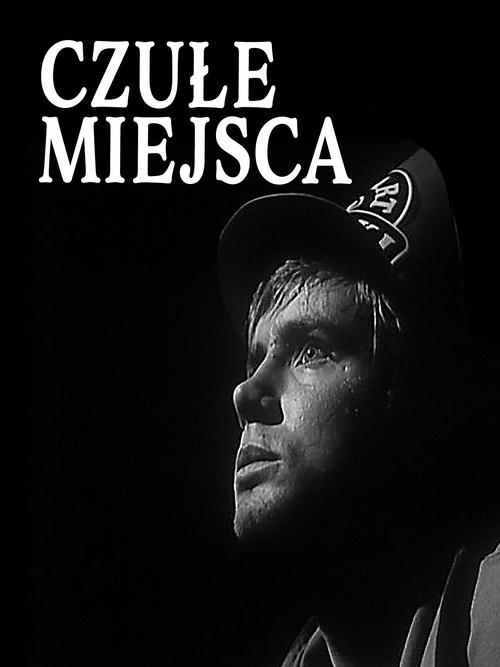
The year is 1998 and the world is in an ecological cataclysm: there is shortage of water, environment is polluted and being outside brings high risks. The main character is a tv technician, Jan, an individualist, who is harassed by the conformists. Jan loves Ewa, a ballet student, who in turn is in a liaison with Allan, a successful and powerful man.
Tender Spots

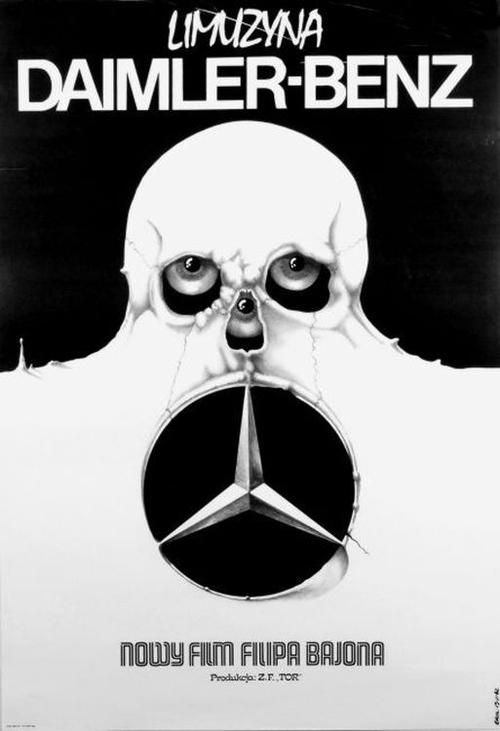
Two brothers living in 1939 Poland decide on a whim to steal the limousine of a German consul. The seemingly small act of youthful rebellion will have massive ramifications on the two, each dealing with the aftermath in their own way - one resorts to art, the other to direct political action.
Daimler-Benz Limousine

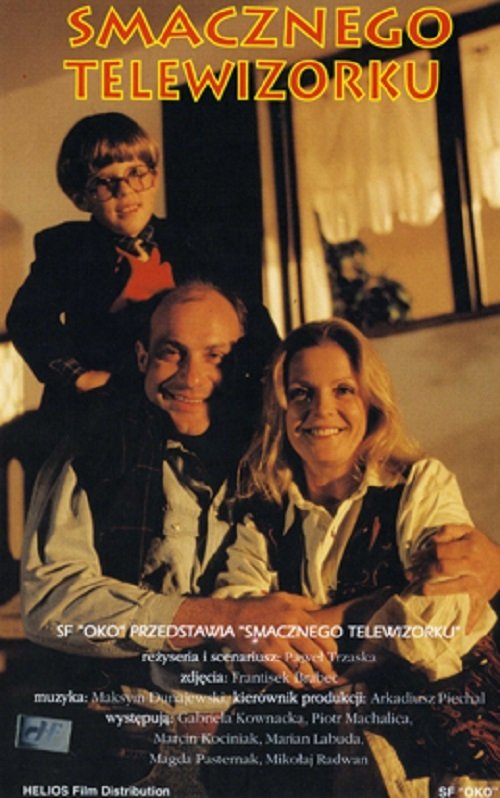
The TV-obsessed burgomaster of a Polish town and his equally addicted wife are literally sucked into their set, vanishing from the living room. Their three bewildered children must band together to pull Mom and Dad back out of the television before they’re lost forever.
Smacznego, telewizorku

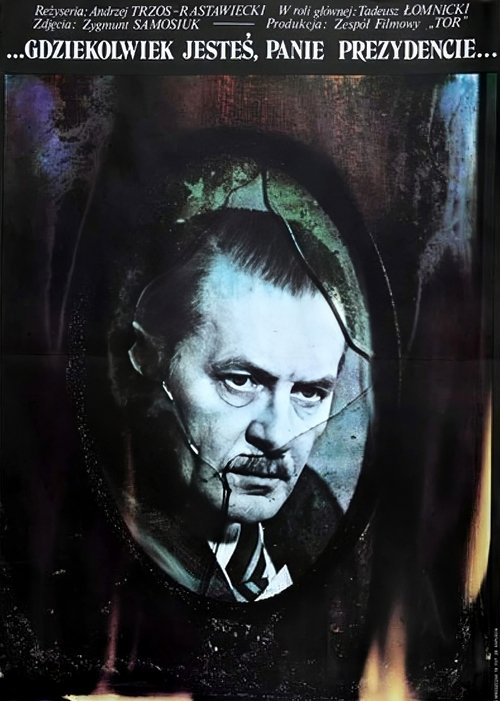
Stefan Starzyński, the mayor of Warsaw, organizes life in the capital in September 1939 and lift the inhabitants' spirits via radio announcements. After the surrender, he does not use his last chance to escape.
Wherever You Are, Mr. President

Kinga, a divorced woman raising her daughter Emilka, decides to change her professional life and start writing a book. Personal matters and problems with finding common ground with her child, however, throw her off balance.
Ivy

More documentary in its approach than dramatized history, this is a compelling story about a 1901 children's strike in Wrzesnia near the Polish border with Prussia. Poland was partitioned at this time, and a rigidly patriotic Prussian teacher in Wrzesnia follows the dictates of the Germans in parliament and insists that the children be taught their religion classes in German. When the children refuse to take part in the classes, they are supported by the local priest, but that does not save them from being beaten. They are also kept after school and tormented in other ways as well. Newspapers, parents, and the nation as a whole get involved, transforming a simple children's strike into a national incident.