Tulik Galon
Camera
Known For
Ze’ev Vladimir Jabotinsky? Most people don’t know much about him. Most people know he was the father of Herut movement, a revisionist. And who really knows what revisionism really means. A few people know that he translated Allan Poe’s Annabel Lee; even fewer read his historical novel, Samson. The Raven tries to fathom Jabotinsky’s deceptive character. The film follows his conflicted, controversial character, the meaningful choices, desires and abilities that eventually led him to end his life prematurely but left a huge mark on Zionism and Israel. - See more at: http://nfct.org.il/en/movies/the-raven-zeev-jabotinsky/#sthash.WoPKutbi.dpuf
The Raven – Ze'ev Jabotinsky
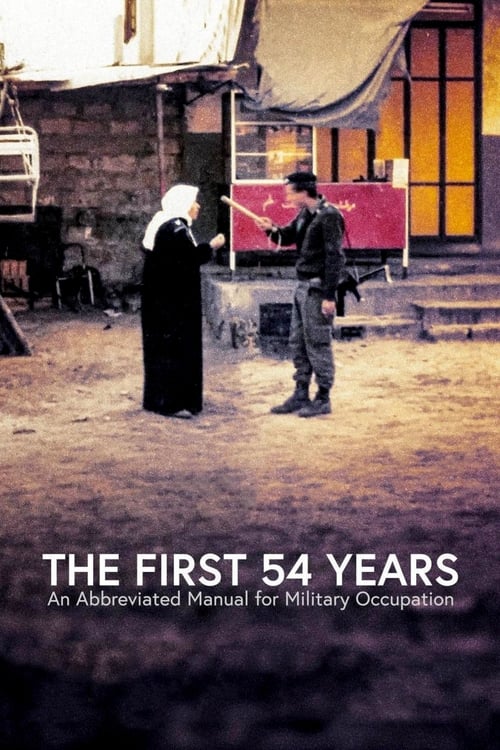
An exhaustive explanation of how the military occupation of an invaded territory occurs and its consequences, using as a paradigmatic example the recent history of Israel and the Palestinian territories, the West Bank and the Gaza Strip, from 1967, when the Six-Day War took place, to the present day; an account by filmmaker Avi Mograbi enriched by the testimonies of Israeli army veterans.
The First 54 Years: An Abbreviated Manual for Military Occupation
Maya is a happily married mother of two. She is a successful choreographer and everything seems to be perfect...but this life is a lie. Unbeknownst to her family and everyone around her, she has a hidden past.
A.K.A Nadia
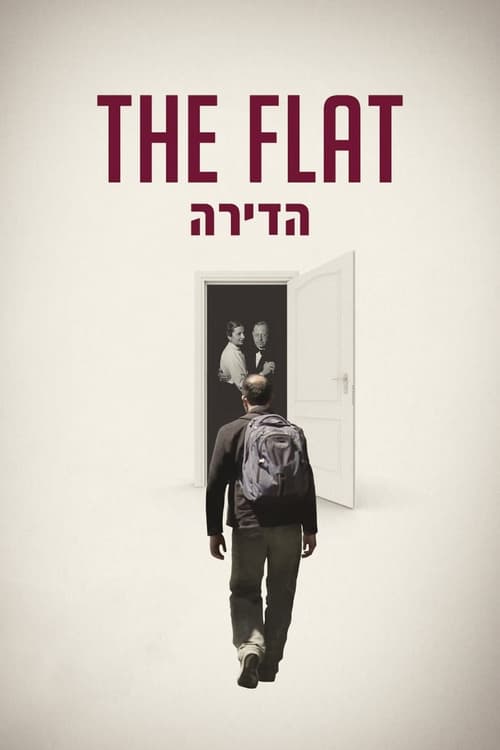
The flat on the third floor of a Bauhaus building in Tel Aviv was where my grandparents lived since they immigrated to Palestine in the 1930s. Were it not for the view from the windows, one might have thought that the flat was in Berlin. When my grandmother passed away at the age of 98 we were called to the flat to clear out what was left. Objects, pictures, letters and documents awaited us, revealing traces of a troubled and unknown past. The film begins with the emptying out of a flat and develops into a riveting adventure, involving unexpected national interests, a friendship that crosses enemy lines, and deeply repressed family emotions. And even reveals some secrets that should have probably remained untold...
The Flat
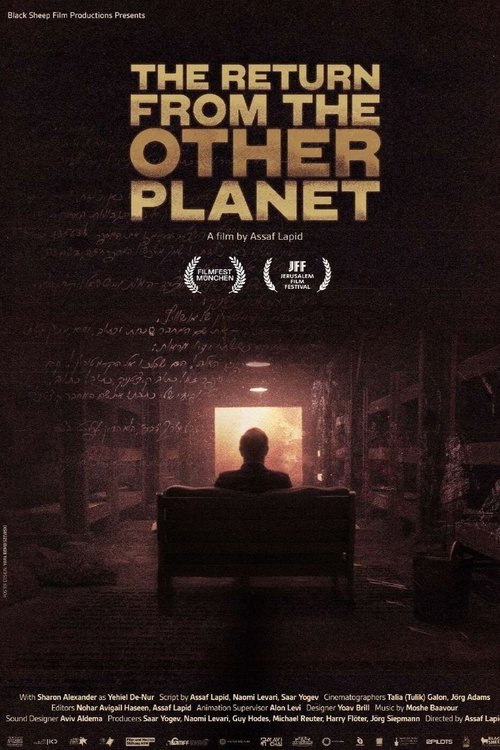
In 1945, a few months after his release from Auschwitz, Yechiel De-Nur, still in his striped jacket, sat down and started writing. After two weeks, he was reborn as Ka-Tzetnik, “the man from the camps.” The books that he wrote were translated into 32 languages and sold millions, while the author himself hid behind the pseudonym Ka-Tzetnik. At the trial of Adolf Eichmann in 1961 his revelatory testimony revealed his true identity as he described Auschwitz as “the other planet,” a place outside of human judgment. Years later, undergoing an experimental LSD treatment for trauma, he revisits his experience, imagining himself as a SS officer, and that changes everything.
The Return from the Other Planet
Haim, a charismatic talented person who finds himself on the verge of impoverishment. Haim, a security guard in his 50's, lives with his elderly mother whose health is deteriorating. His past is being told by several people: his ex-wife, children and young lover. With their help, a profile emerges of a person who throughout life missed many opportunities due to life's complexity and unpredictability. His predicament also emanates from living in a society that in crucial moments appears devoid of compassion.
Haim's Story
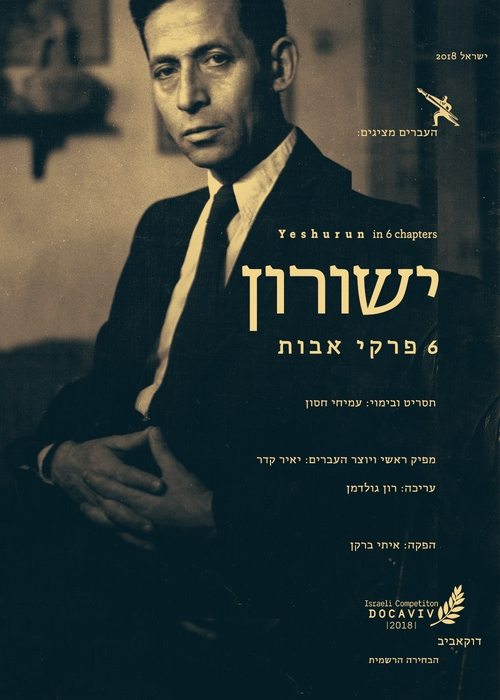
Who was Avot Yeshurun, also known as Yehi’el Perlmutter? The film travels between a biographical narrative and a portrait of his poetic life through the eyes of his daughter, Helit Yeshurun, who is joined by friends, literary critics, and poets.
Yeshurun in 6 Chapters
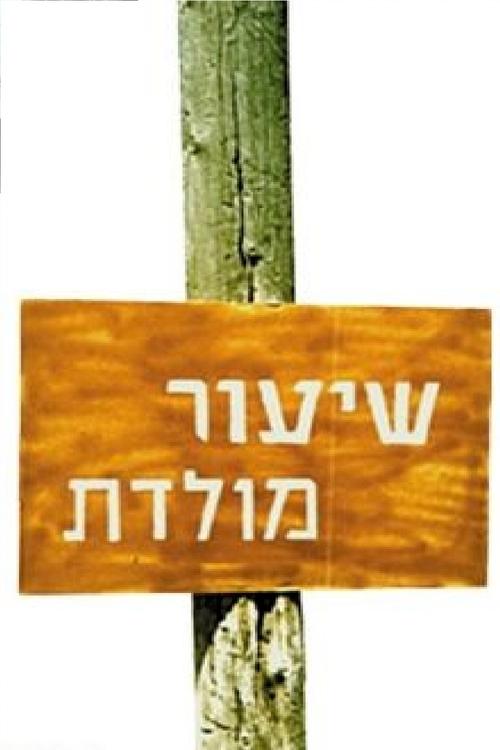
In a Jewish Orthodox village in Israel, Tamar, a twelve-year-old girl, prepares for her Bat-Mitzvah (confirmation), which will take place on Passover. Becoming convinced that she is impure, and growing increasingly scared and depressed, she forces herself into an endless ritual of cleaning, while attempting to silence the whispering inner obsessional thoughts that are detailing every inch of her relentless guilt, over and over again. To make matters worse, Tamar's only friend, Rachel, lures her into sinful mischief: peeping into the Mikveh (bath house), turning a light on during the Sabbath. The girls even dare to secretly bathe at the Mikveh when Tamar gets her first period. Will Tamar succumb to her fears? A dark and unflinching portrayal of Obsessive-Compulsive Disorder and the inner turmoil of an adolescent girl.
Voices from the Heartland: Slaves of the Lord
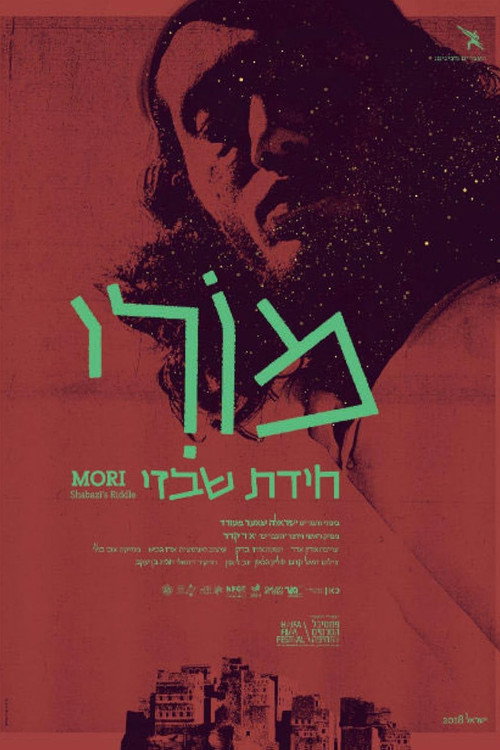
Very few details are known about Rabbi Shalom Shabazi, but 400 years after his death, Shabazi is as popular as ever and is considered one of the greatest Yemenite poets. The film takes the audience on a journey through the extraordinary life of one of the greatest Hebrew writers.
Mori, Shabazi's Riddle
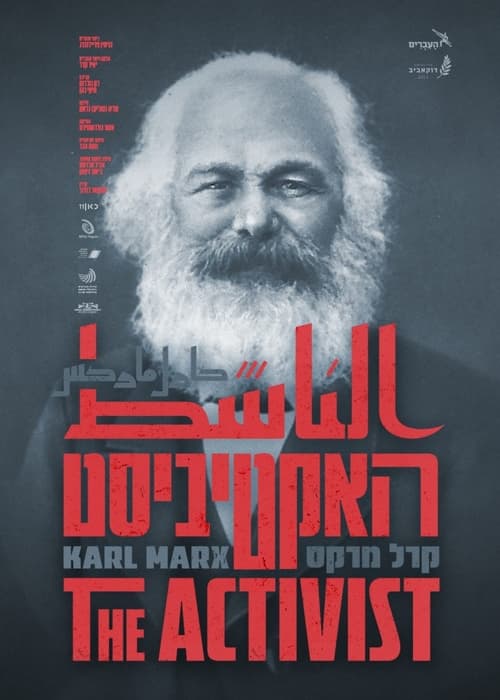
In a time when democracy is in danger and truth under attack, the film returns to the life story of the greatest activist of all, Karl Marx, who gave us tools to analyze reality, through an encounter with Israeli activists – Jews and Arabs, who tell about Marx’s influence on them, and open a window into his world in an attempt to present Marxism as a multigenerational and multicultural phenomenon, found in every aspect of our lives.
The Activist. Karl Marx
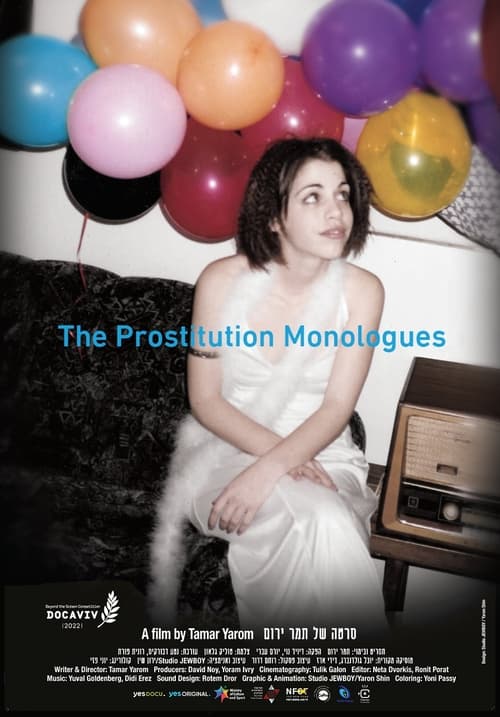
Diana, Ilana, Rona, Shelly, Rucha and Liat openly speak about their life in prostitution: from the initial lure, through learning the rules, to survival strategies. They present stories of independence, resourcefulness, pain and trauma, expressing an extreme feminine and human experience. Michaela (pseudonym) – a young woman currently engaged in prostitution, sounds off on the struggle to survive, turning her cellphone camera into a weapon. The women challenge what is expected of them – to be ashamed and conceal themselves.
The Prostitution Monologues
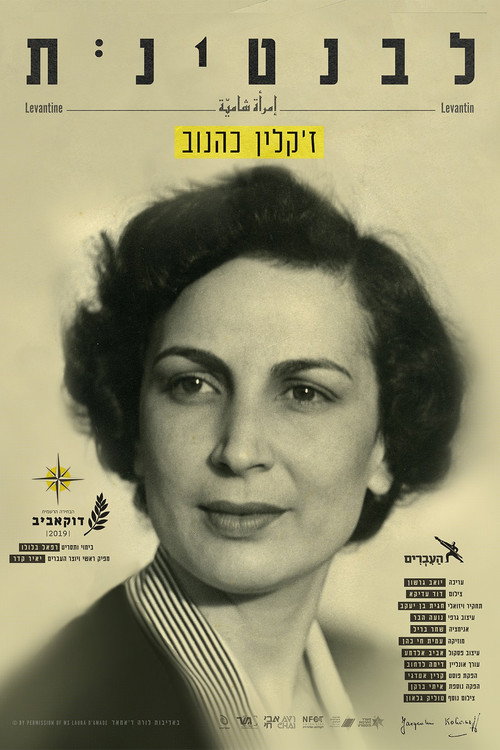
She lived in Cairo, Paris, and New York, but died in an old-age home in Givatayim, Israel. She was charismatic and admired, but only a few people actually knew her well during her life. She was the first to write of Levantine and Mizrachi identities, Director Rafael Balulu goes on a journey in the footsteps of “Levantine thinker” and author, and through encounters with her friends in Paris, with intellectuals in the Mizrachi discourse, and with Levantine artists, he not only draws a portrait of this impressive thinker and writer, but also chronicles the trajectory of Levantine identity in Israel as a cultural option.
Levantine, Jacqueline Kahanoff

The world of Hanna Mendelssohn, an 80 year old widow, disintegrates as the Kibbutz which she helped to found undergoes privatization.
A Beautiful Valley

A multi-generational journey exploring the archives of the director's grandfather Ephraim Erde, an official Zionist photographer from the 30s, confronted with the director's current vision in an attempt to create an utopia of her own.
Looking for Zion

In a Jaffa bra shop's fitting room, women's love-hate affair with their bosom buddies unfolds. As each heroine struggles to find the perfect bra, she bares not just her chest, but her soul, sharing tales of triumph, tribulation, and the occasional wardrobe malfunction. For breasts aren't just fleshy accessories-they're the protagonists of our life's epic. From the awkward moment they first break out, to the sobering reality checks of mammograms, our relationship with our "girls" is a bouncy roller-coaster of ups and downs because life, much like a poorly fitted bra, is full of surprises. This film unravels the mystery, myth, and full support between women and their breasts. It's a story that's written on our bodies, in every curve, contour, and stretch mark.
Full Support
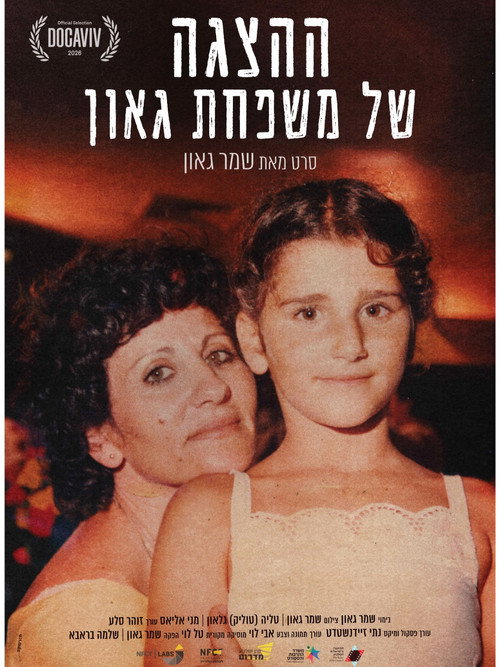
To all, it appeared as if I grew up in a normal home: a house on a Moshav, with sprinklers watering the yard. My Mother was a kindergarten teacher, and my Father was a farmer. In the nineties, my parents decided to give up their orchards. Instead, they opened a business selling gasoline to other farmers. The business grew, but it was poorly run from our home between the baskets of laundry, piles of cash being counted next to pots of couscous. Everything smelled of gasoline. My Mother pleaded with my Father to sell the business, but he ignored her. Not long afterward, she became ill, and the business collapsed. Our family fell apart. What caused the destruction of my charismatic family that everyone always thought was so perfect?
The Gaon Family Show
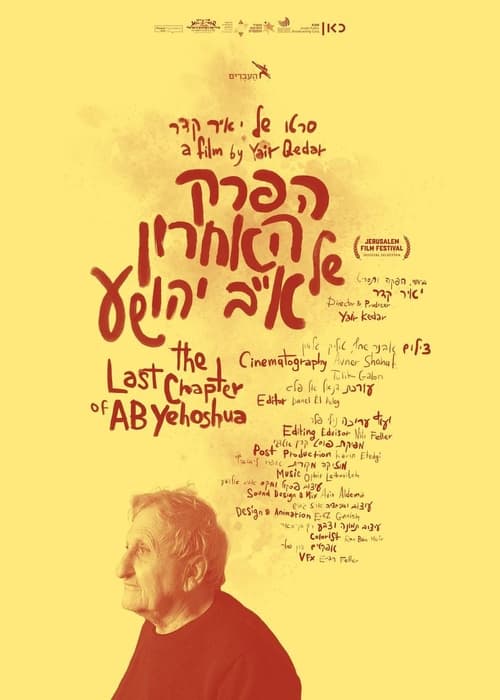
A loving portrait of A.B. Yehoshua, the prominent Israeli writer. Dealing with a terminal illness, widowhood, and loneliness, but does not for one moment give up his joi de vivre, faces death with unflinching honesty, and still embraces a new book. A rare and fascinating look at one of Israel’s most beloved writers, who passed away in 2022.
The Last Chapter of A.B. Yehoshua
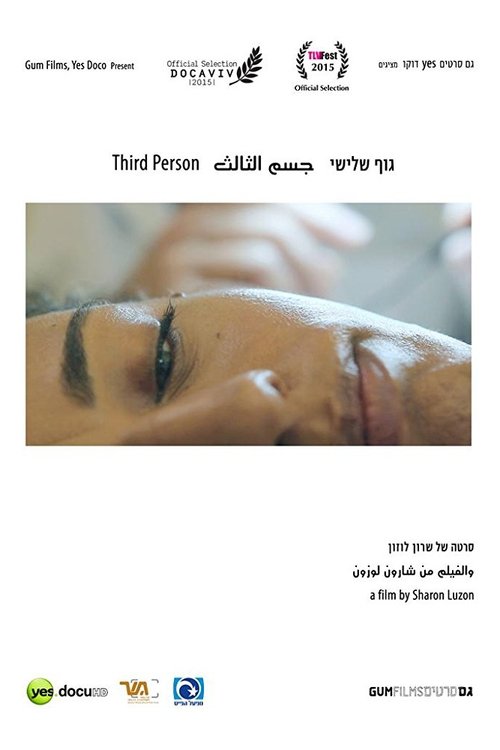
Suzan, an Arab-Israeli woman, must reshape her identity when she discovers at 35 that she was born intersexual.
Third Person
The lives and times of four sisters with a cause: Rebuilding the Holy Temple in Jerusalem on the Temple Mount, where the Dome of the Rock now stands.
God Deserves a House
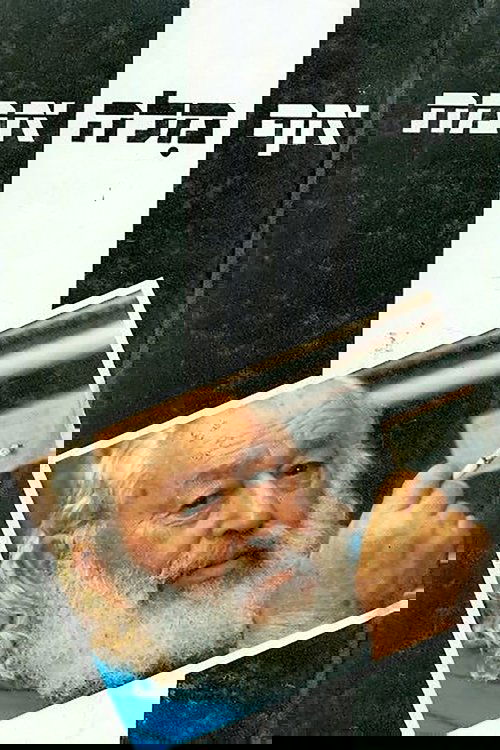
Dr. Rudy was an iconic psycho-guru and founder of “The Rudy Psychoanalytic Institute” – the largest in Israel during the 70’s. His controversial therapy methods forced him to fight for his reputation and the institute’s survival. His demise raises questions regarding abuse of power and moral boundaries.